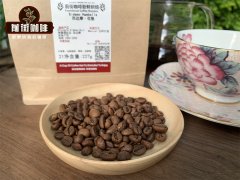
How Should Roasted Coffee Beans Be Stored? Guatemala Coffee Development History and Washed Bourbon Coffee Bean Flavor
Guatemalan coffee has always been an important part of FrontStreet Coffee's range. To date, FrontStreet Coffee has featured 14 different Guatemalan coffees, each with a different flavor profile yet sharing remarkably similar characteristics. FrontStreet Coffee recently ran promotions, and many of you have likely stocked up on beans. Worried about not being able to finish them? After reading this article, you may want to buy even more. Today's coffee knowledge focuses specifically on roasted coffee beans.
How to Keep Your Coffee Beans Fresh and Lively Until the Last Cup
Keep it in the Original Package
The best way to store coffee is to keep it in the bag it came in. When coffee is roasted, gases, primarily carbon dioxide, form inside the beans and need to be released. Most coffee bags are designed with a one-way valve that lets gases escape while keeping air out.
Keep Away from Light
Sunlight ages coffee, so it is best to store coffee in a light-proof place to keep it dry.
Buy Whole Coffee Beans
Ground coffee loses freshness much faster than whole beans. Grinding coffee beans just before brewing maximizes freshness.
Avoid the Refrigerator
Try not to store coffee in the refrigerator. After roasting, coffee is highly porous and can absorb moisture and odors from the refrigerator and freezer, which damages the overall flavor integrity of the coffee.
Coffee begins to lose its subtle brightness roughly two weeks after roasting. We recommend buying only what you can drink within two to three weeks, so please consume according to your capacity. Practice moderate consumption. FrontStreet Coffee's promotions keep updating, so if you stay tuned, you can keep taking advantage of them.
A Review of Guatemalan Coffee Knowledge
World Position as Coffee Exporting Country (19/20):
10th
Number of 60kg Bags Exported Annually (19/20):
Approximately 3,613,000
Percentage of World Coffee Market:
2.5%
Other Major Agricultural Exports:
Bananas, sugar, spices
Typical Varieties Produced:
Bourbon, Caturra, Catuai, Typica, Maragogipe, Pache and Pacamara
Main Coffee Producing Regions:
Antigua, Acatenango, Atitlan, Coban, Huehuetenango, Fraijanes, San Marcos and Nuevo Oriente
Typical Harvest Time:
November to April
Typically Available:
Starting from April
For more than a century, coffee has powered Guatemala's economy. Today an estimated 125,000 coffee producers drive Guatemala's coffee industry, and coffee remains one of the country's main export products, accounting for 40% of all agricultural export revenue.
It was most likely Jesuit missionaries who introduced coffee to Guatemala, with accounts of it growing throughout the country in the early to mid-18th century. In neighboring El Salvador, coffee became an important export crop in the mid-19th century, competing with the national synthetic dye and textile industries. Throughout the latter half of the 1800s, various government programs tried to use coffee as a means of stimulating the economy, including a large-scale land privatization program initiated by President Justo Rufino Barrias in 1871, which led to the creation of large coffee estates, many of which still produce some of Guatemala's best coffee today.
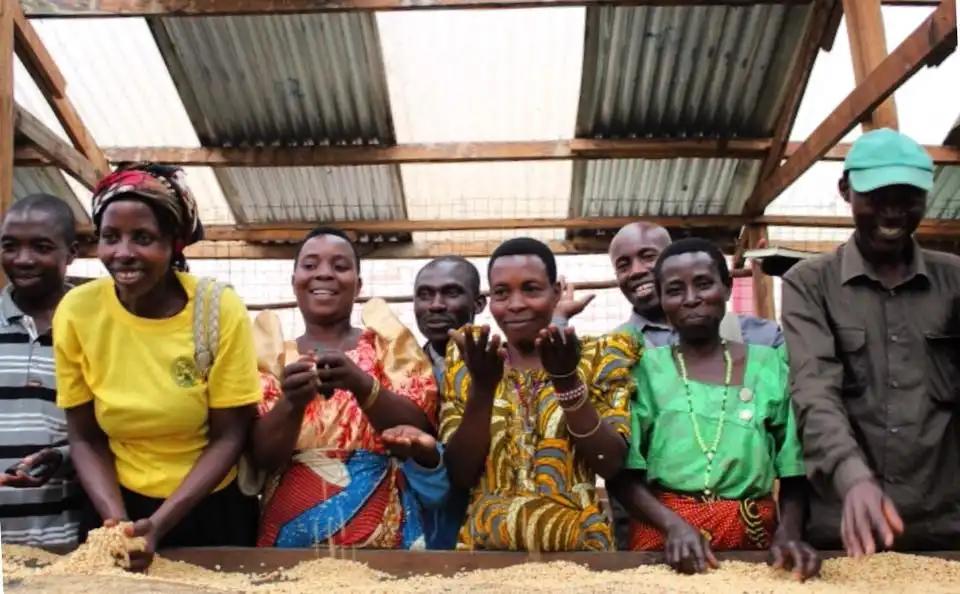
Today coffee is grown in 20 of Guatemala's 22 provinces, covering approximately 270,000 hectares, with almost all of it, 98%, grown under shade. The country's production is almost exclusively Arabica, most commonly prepared using the washed method, though natural and various semi-washed methods are becoming increasingly popular, with increasingly excellent examples being produced.
Among FrontStreet Coffee's fourteen Guatemalan coffees, most are washed. The washed Bourbon from Huehuetenango is of excellent quality, with citrus and berry acidity on entry, nutty aromas in the middle and a tea-like finish that adds layers of complexity.
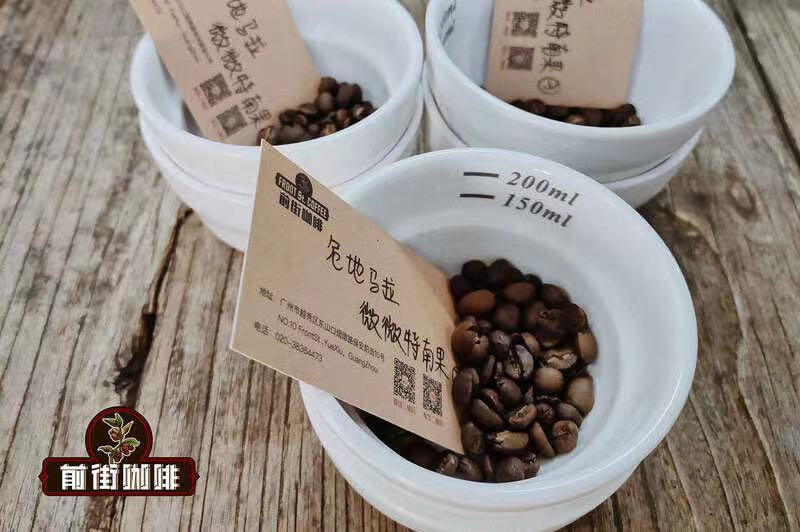
Guatemala benefits from high altitudes and as many as 300 unique microclimates. Most regions have consistent rainfall and mineral-rich soil. Despite the country's excellent reputation as a specialty coffee producer today, the path there has not been smooth. Guatemala's long and bloody civil war (1960-1996) disrupted millions of lives, eroded the economy, deepened poverty and created a social and political instability that still troubles the country. Coffee production did not truly stabilize and begin to grow until the turn of the century, replacing macadamia nut and avocado production in many regions.
FrontStreet Coffee Recommendation
If clean, washed, single-origin coffee is what you enjoy, FrontStreet Coffee's washed lineup shares the clarity and structure of a good Guatemalan Bourbon. The FrontStreet Jamaica Blue Mountain No.1 is a washed Typica, the variety behind several of the world's most famous estate coffees, and pours out a balanced cup of hazelnut, cream, chocolate and caramel. The FrontStreet Gotiti Cooperative lot is an Ethiopia G1 washed coffee with jasmine, bright citrus and a green tea finish, roasted light-medium to keep its sweetness and clarity intact.
For a brighter, more fruit-driven washed coffee, the FrontStreet Kenya Cherry Tomato is a Kenyan double-washed bean with SL28 and SL34 varieties, showing cherry tomato, dark plum, snow pear and brown sugar. Whichever you choose, keep it in the original bag, away from light, and drink it within two to three weeks of the roast date, exactly as the storage advice above suggests.
Important Notice :
FrontStreet Coffee is a long-established specialty coffee roaster in Guangzhou China, selling freshly roasted beans from its own farm in Yunnan as well as dozens of carefully selected single-origin beans from around the world for both pour-over and espresso. The products deliver consistently excellent quality and great value, with shipping within 24 hours. Guangzhou's FrontStreet Coffee shop is recommended by many coffee lovers, and the beans are now available online at the Tmall 。
FrontStreet Coffee has moved to a new address:
FrontStreet Coffee Address: 315,Donghua East Road,GuangZhou
Tel:020 38364473
 Scan and follow the En Gafei WeChat official account. Please indicate that the reprint comes from "En Gafei".