What Determines Coffee Bean Freshness: What Factors Deteriorate Fresh Coffee Beans the Most
Every time you buy coffee beans, you may want to try several varieties at once. But beans are typically sold in half-pound packages at minimum. If you drink coffee only occasionally, you may not finish them quickly. So how should you store your coffee beans? That raises another question: what happens when beans sit too long and the coffee stops tasting good?
Like any other food, coffee beans offer their most authentic flavors when fresh. Keeping beans fresh is therefore a crucial task for any coffee enthusiast.
How to Determine if Coffee Beans Are Still Fresh
To maintain coffee bean freshness, we first have to understand what makes beans fresh in the first place.
At FrontStreet Coffee, customers often ask the same question: "These beans look so oily, they must have been sitting around for a long time. They can't be fresh." Oiliness alone, however, cannot actually determine freshness. Different beans have different roast levels, and roast level directly affects oiliness. Coffee roasted to medium-dark or darker typically develops oiliness right after roasting, while lighter-roasted beans might show no oiliness at all even after six months.
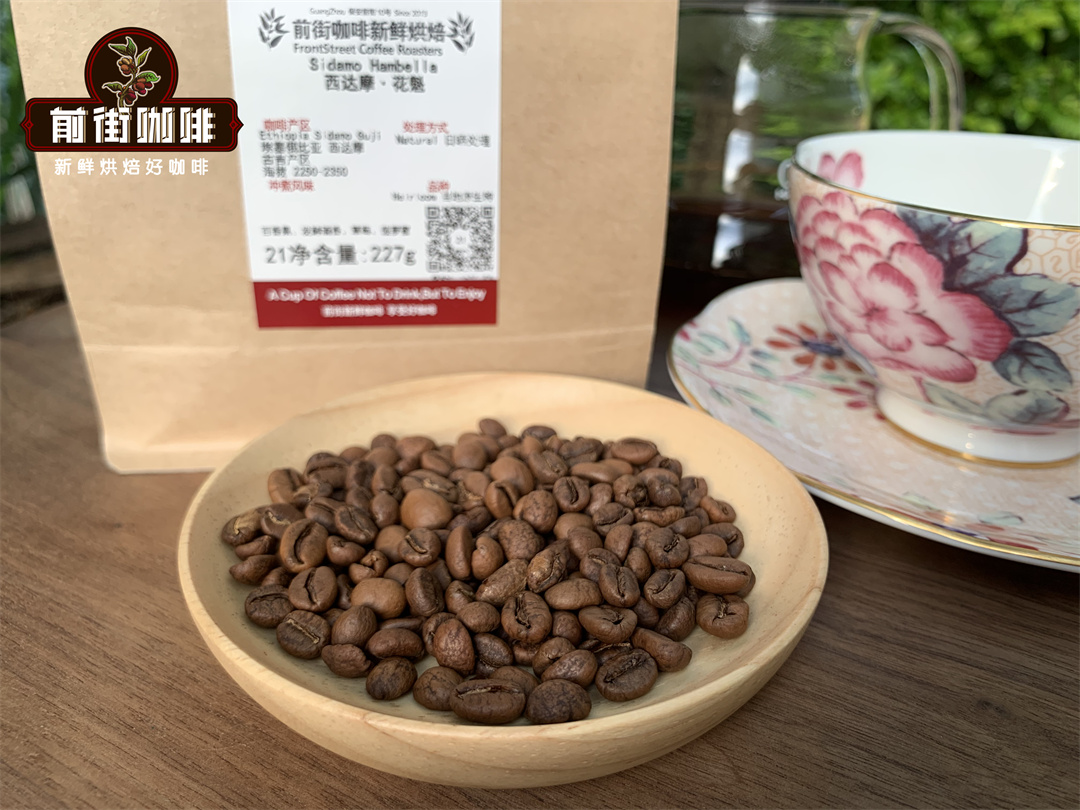
Judging freshness by visible oiliness alone can therefore be misleading. You also need your sense of smell and touch. If beans are not fresh, you will detect a rancid smell, and they will feel somewhat soft from absorbing moisture from the air over time, making them easy to split in half.
If time allows, you can also judge freshness by brewing and tasting. If the coffee expands as it absorbs water during brewing, that indicates freshness. If, after brewing, you taste woody and slightly dusty flavors, that suggests the beans are no longer fresh.
What Ages Coffee Beans
Oxygen, Light, Moisture, Heat
Oxygen, while listed among the "killers," is actually essential in the period right after roasting. Beans need oxygen and other air exchange to lift their flavors to the next level. This period is what we commonly call "bean development" or "resting," much like how wine needs decanting. Each coffee variety needs a different resting period. Some may need only 2-3 days, while others may need 2-3 weeks. Once that resting period has passed, however, excess oxygen causes the flavors to deteriorate.
Light and heat accelerate the interaction between the beans and oxygen and other gases, sharply reducing storage time and making flavors dull. As for moisture, as with other foods, contact between beans and water can easily lead to mold, causing flavor loss and even producing toxins harmful to human health.
For that reason, storing beans in airtight containers is very important, since it effectively prevents contact between air, moisture, and the beans. And whenever possible, drinking them sooner is always the best choice.
FrontStreet Coffee Recommendation
Since freshness is the goal, FrontStreet Coffee suggests starting with medium-roast beans, which stay balanced and expressive without the rapid staling that very dark roasts can show. FrontStreet Brazil Queen Estate, a Yellow Bourbon from Mogiana roasted medium, brings creamy peanut, chocolate, toasted bread, and sugarcane sweetness and works as pour-over, moka pot, or espresso. For a classic, balanced profile, FrontStreet Jamaica Blue Mountain No. 1 is medium roasted to fuse chocolate, roasted nuts, cream, and caramel. If you prefer fruit, FrontStreet Strawberry Candy Geisha Blend pairs a Costa Rican honey-processed coffee with a Panamanian washed Geisha for orange-blossom honey and rounded sweetness. Buying from a roaster that ships freshly roasted beans, then storing them airtight and away from light and heat, keeps every cup at its best.
Important Notice :
FrontStreet Coffee is a long-established specialty coffee roaster in Guangzhou China, selling freshly roasted beans from its own farm in Yunnan as well as dozens of carefully selected single-origin beans from around the world for both pour-over and espresso. The products deliver consistently excellent quality and great value, with shipping within 24 hours. Guangzhou's FrontStreet Coffee shop is recommended by many coffee lovers, and the beans are now available online at the Tmall 。
FrontStreet Coffee has moved to a new address:
FrontStreet Coffee Address: 315,Donghua East Road,GuangZhou
Tel:020 38364473
 Scan and follow the En Gafei WeChat official account. Please indicate that the reprint comes from "En Gafei".