The Benefits of Fair Trade for Guatemalan Coffee & Key Characteristics of the Best Guatemalan Coffee Beans
One of Equal Exchange's partners in Guatemala is Manos Campesinas ("Farmers' Hands"). Founded in 1997 by 620 farmers from 6 cooperatives, the organization now unites 1,073 members across 7 cooperatives in the departments of San Marcos, Quetzaltenango, Retalhuleu, and Sololá. Most of these farmers own less than 2¼ acres of coffee each. In their first season (1997–1998) Manos Campesinas exported one container of coffee; the next harvest brought four, followed by six, nine, and thirteen containers over the next three years. In 2003 they shipped 16 containers — 40% of total production. Considering that the fair trade price that year was $1.26 while the open-market price hovered at 60 to 70 cents, the gains in farmers' livelihoods, health, and nutrition are easy to see.
Guatemala's Coffee Growing Regions
Guatemala has eight major coffee regions, and while conditions vary somewhat among them, nearly all are exceptionally suited to Arabica. The plantations' high altitude — typically 1,600 to 2,000 meters — slows cherry maturation and builds complex, rich coffee. Acidity levels shift with humidity, but most beans carry pronounced notes of chocolate, fruit, and flowers.
Quality and Safety Considerations
If mycotoxins and mold concern you, Guatemalan beans are a strong choice. Most growers rely on wet processing, removing the pulp before the beans are sun-dried; the method doesn't eliminate toxins entirely, but it does lower the risk of contamination.
Finding the Best Guatemala Coffee
If you've been following FrontStreet Coffee, you already know the history and current state of Guatemalan coffee. Here's how to find the best of it:
What to Look For
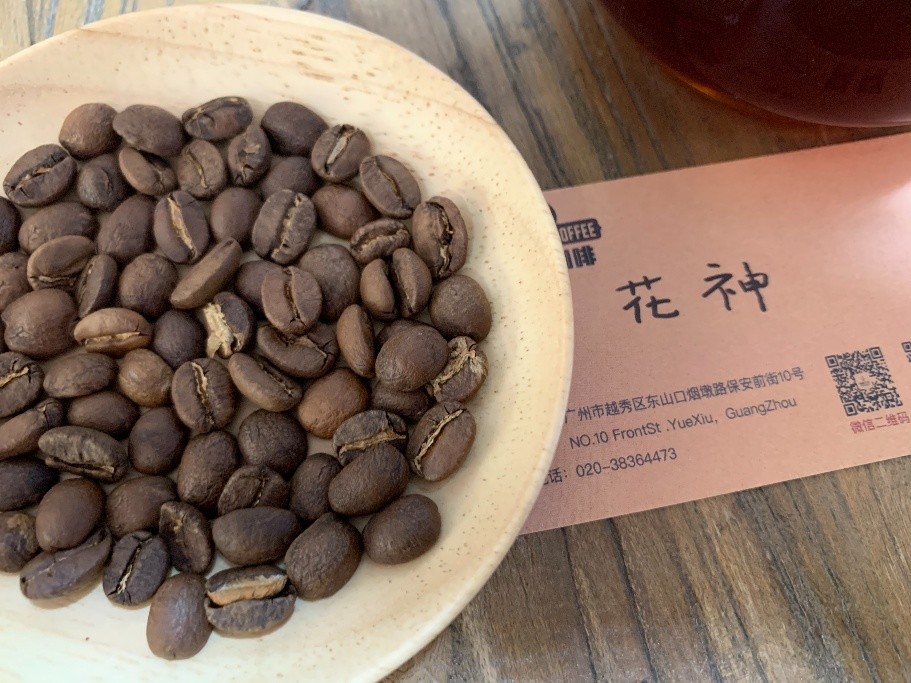
100% Arabica. No law bans Robusta, but the finest Guatemalan coffees are all Arabica. The trees are harder to grow, yet they yield a far more delicious cup without harsh bitterness or acidity.
Single origin. Blends are always cheaper and easier to find — especially once Guatemalan beans are cut with Brazilian or Colombian filler. The trouble is that a high share of filler easily overwhelms the authentic character of Arabica from Antigua or Huehuetenango. If you want to understand Guatemalan coffee, choose single origins that highlight local flavors rather than mask them.
Whole bean. Without a grinder, pre-ground is your only option — but for optimal flavor, whole beans win. They also let you switch grind settings between espresso, cold brew, or AeroPress; pre-ground coffee offers no such flexibility.
Freshly roasted. Don't settle for "best by" dates. Any self-respecting roaster prints the roast date on the bag so you know exactly how fresh the beans are.
Shade-grown and organic. Not every Guatemalan plantation takes the chemical-free route, so look for seals such as USDA Organic and Fair Trade certifications on the bag. There's something deeply satisfying about coffee that's good for both you and the planet.
FrontStreet Coffee Recommendation
Sun-Dried Treasures from FrontStreet Coffee
Natural (sun-dried) processing is coffee's oldest method and still its most widespread: ripe cherries dry whole in the sun until they reach target moisture, then are hulled. Because the fruit dries intact, naturals carry extra body and rich, mature fruit character — a lovely contrast to the washed clarity of Guatemala's best lots. FrontStreet Coffee's natural highlights:
The FrontStreet Yirgacheffe Red Cherry natural is built on strictly fully ripe cherries, laid out on raised beds — kept off the ground to protect the fruit from insects, dust, and bacteria — and turned regularly for 27–30 days of drying. After a medium-light roast it offers elegant florals and bright acidity plus pronounced tropical fruit, a full fermentation sweetness, and lush body. The FrontStreet Flower Princess (Hua Kui) natural, from Ethiopia's Sidamo, benefits from very high altitudes, superb terroir, fertile soil, and hand-selected ripe fruit; medium-light roasted, it shows a gentle fermented note, florals, citrus, and mango, with honeyed sweetness, cocoa, a whisper of spice, a full body, and a long finish. The FrontStreet 2013 Yunnan natural Typica, grown on FrontStreet's own estate where harvest coincides with the dry season's sunny days, balances nuts with berry-like acidity, dried apricot, brown sugar, and a light tea feel — slightly sweeter and more balanced than its washed counterpart. Brazil's Queen Estate uses a variation, drying whole cherries on racks with constant turning before mechanical finishing: expect sugarcane sweetness, black tea, smooth fruit, prominent nuts, gentle clean bitterness, and rich chocolate. And for the cutting edge, the FrontStreet Colombia Sidra undergoes double anaerobic natural processing — carbonic maceration in sealed tanks before drying — yielding dense tropical aromas of passion fruit, apricot, dried fruit, grape, and an almond-like finish.
Important Notice :
FrontStreet Coffee is a long-established specialty coffee roaster in Guangzhou China, selling freshly roasted beans from its own farm in Yunnan as well as dozens of carefully selected single-origin beans from around the world for both pour-over and espresso. The products deliver consistently excellent quality and great value, with shipping within 24 hours. Guangzhou's FrontStreet Coffee shop is recommended by many coffee lovers, and the beans are now available online at the Tmall 。
FrontStreet Coffee has moved to a new address:
FrontStreet Coffee Address: 315,Donghua East Road,GuangZhou
Tel:020 38364473
 Scan and follow the En Gafei WeChat official account. Please indicate that the reprint comes from "En Gafei".