How to Make Delicious Pour-Over Deep Roasted Indonesian Mandheling Coffee Beans? Golden Mandheling Pour-Over Parameters
FrontStreet Coffee's Mandheling is well known. Many people enjoy its rich, aromatic flavor, while others are drawn in by its reputation but hesitant about the taste. Deeply roasted coffees like FrontStreet Coffee's Mandheling can easily turn bitter when brewed, so how should these beans be handled to taste their best?
The Key to Brewing Good Coffee: Know Your Beans
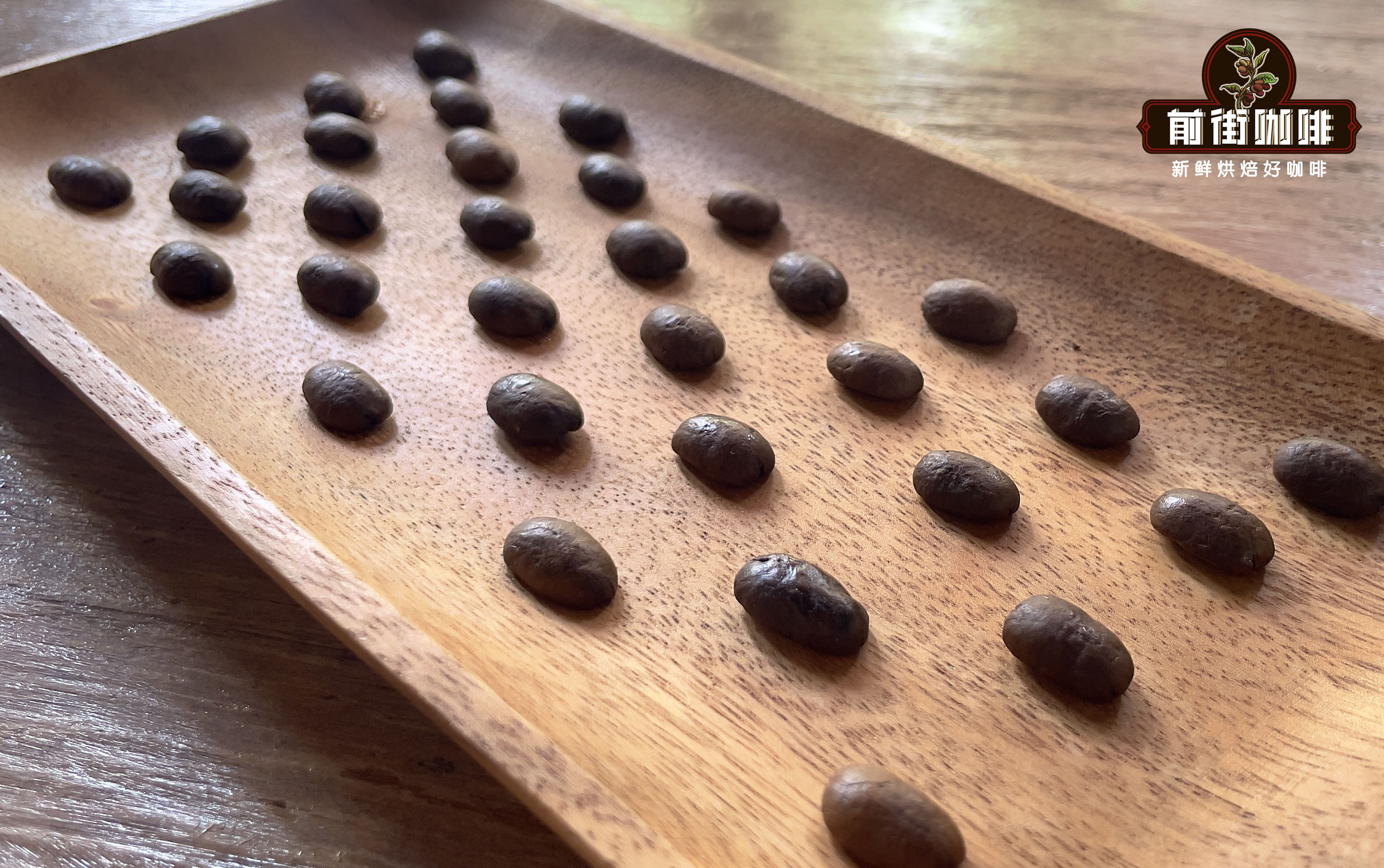
Understanding the coffee in front of you is essential to brewing it well. Mandheling does not actually name a variety or a place; it was originally a mistranslation of the Mandheling people who grow coffee. Today it generally refers to Arabica coffee beans from North Sumatra, Indonesia.
On FrontStreet Coffee's bean menu there are four Mandheling coffees: FrontStreet Coffee's Lintong Mandheling, FrontStreet Coffee's Golden Mandheling, FrontStreet Coffee's Tiger Mandheling, and FrontStreet Coffee's Aged Mandheling. Below, FrontStreet Coffee briefly explains the differences between them:
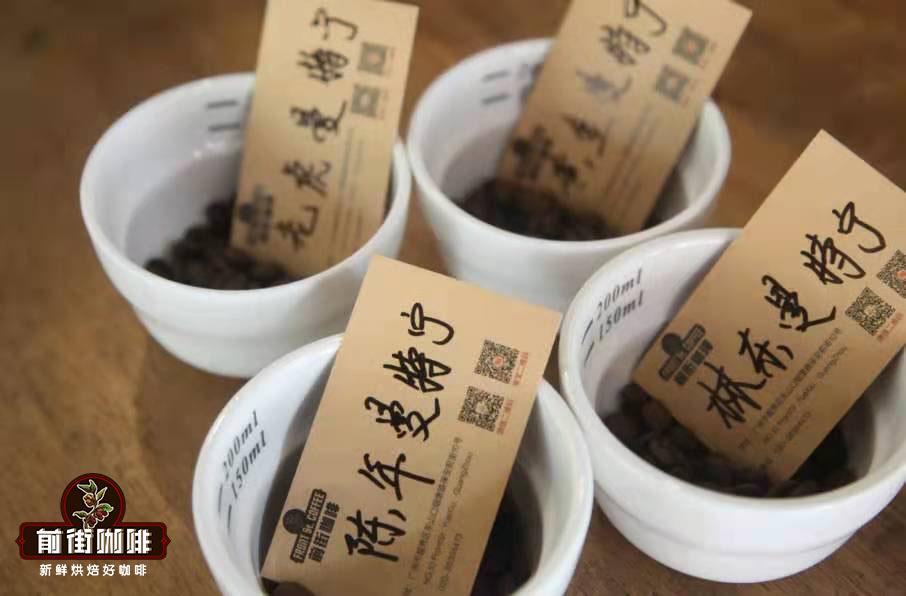
FrontStreet Coffee's Lintong Mandheling
Mandheling beans from the Lintong region, graded G1, the highest Indonesian coffee grade, expressing the basic regional flavors of Indonesian Mandheling.
FrontStreet Coffee's Golden Mandheling
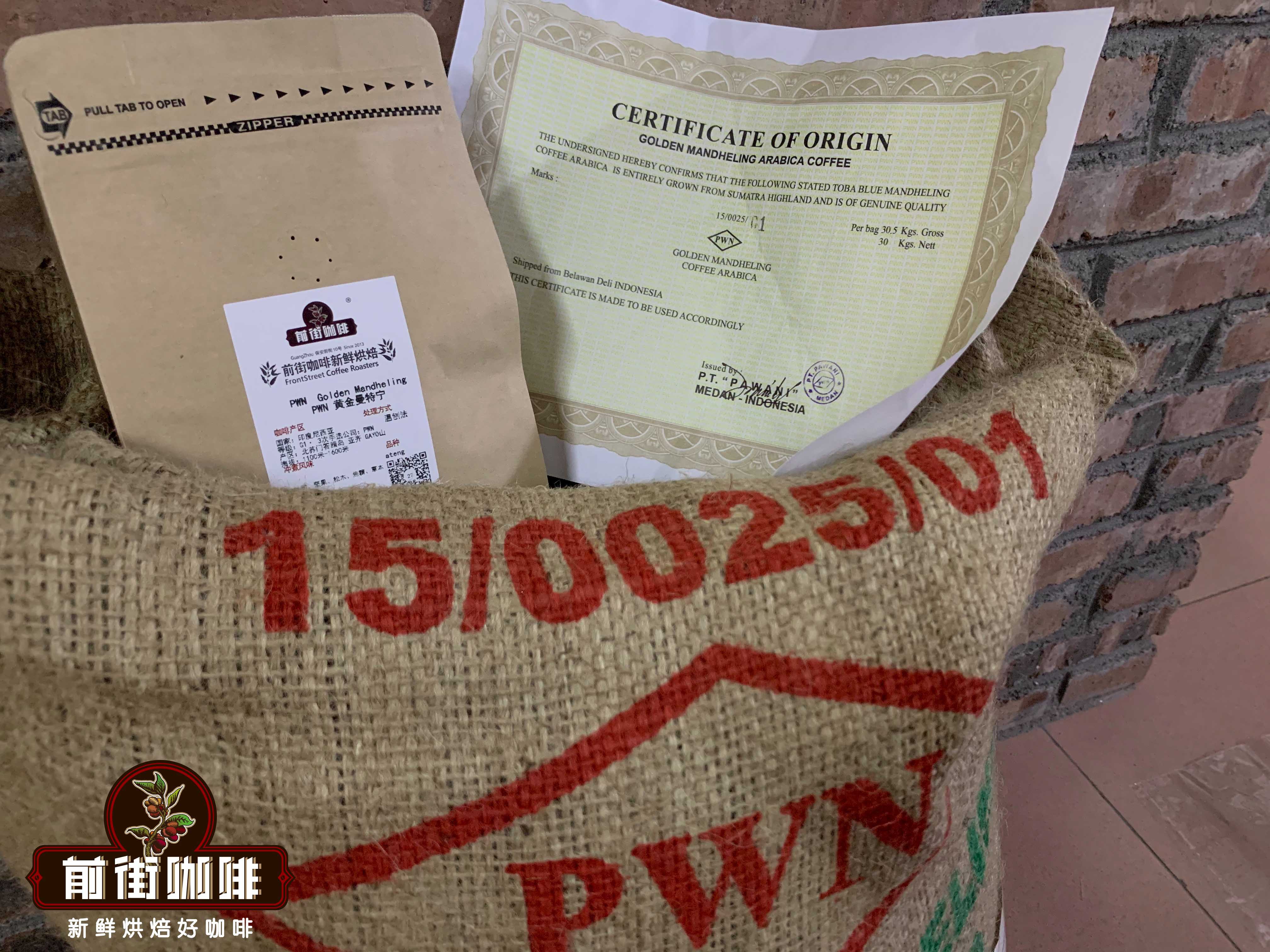
A product from Indonesia's PWN Coffee Company, which owns the Golden Mandheling trademark. Imported Golden Mandheling green beans come with a PWN company certificate for authentication. FrontStreet Coffee's Golden Mandheling comes from Aceh Gayo Mountain, graded G1, and passes through three manual sorting rounds to ensure large, full beans (19 mesh) with minimal defects. It presents a very clean, rich taste with high sweetness, a high-quality Mandheling coffee.
FrontStreet Coffee's Tiger Mandheling
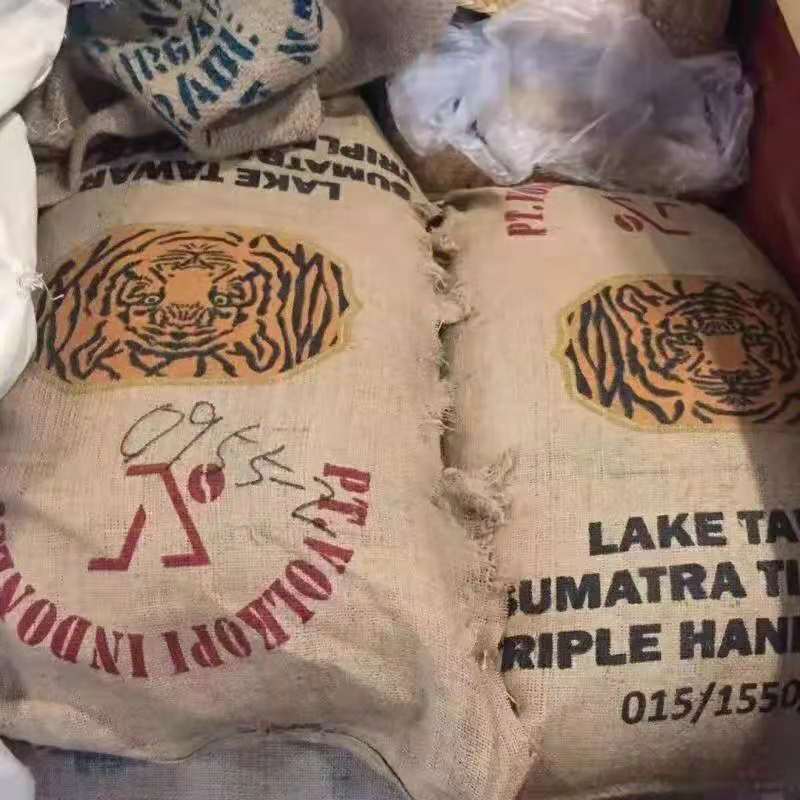
Produced around Lake Tawar in Aceh Province. FrontStreet Coffee's Tiger Mandheling is required to have traditional herbal aromatics, with defects below 4% for beans above 17 mesh. It is also a high-quality Mandheling bean.
FrontStreet Coffee's Aged Mandheling
This one undergoes aging, where normally processed Mandheling beans are placed in temperature-controlled warehouses for 2-3 years. After aging, the acidity becomes very gentle, caramel sweetness becomes pronounced, and the taste is smoother and easier to drink, much like aged Pu-erh tea.
Wet-Hulling Processing Enhances Body
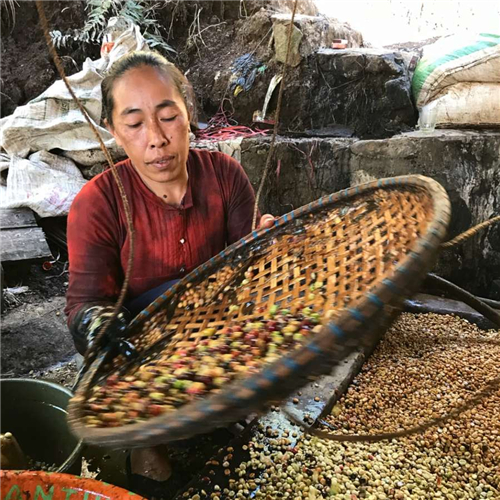
Wet-hulling is a coffee processing method unique to Indonesia, adapted to the country's rainy, humid climate. It begins like washed processing, then removes the parchment while the beans are semi-dry, followed by further drying. This significantly reduces drying time, greatly lowers acidity, noticeably increases body, enhances caramel aromatics, and adds a slight herbal freshness.
How Should FrontStreet Coffee's Mandheling Be Brewed?
FrontStreet Coffee's approach to brewing Mandheling aims to express a rich yet clean taste, highlighting caramel, chocolate, and its signature herbal aromatics while avoiding unpleasant bitterness. FrontStreet Coffee will explain equipment selection and important brewing parameters, using FrontStreet Coffee's Golden Mandheling for demonstration.
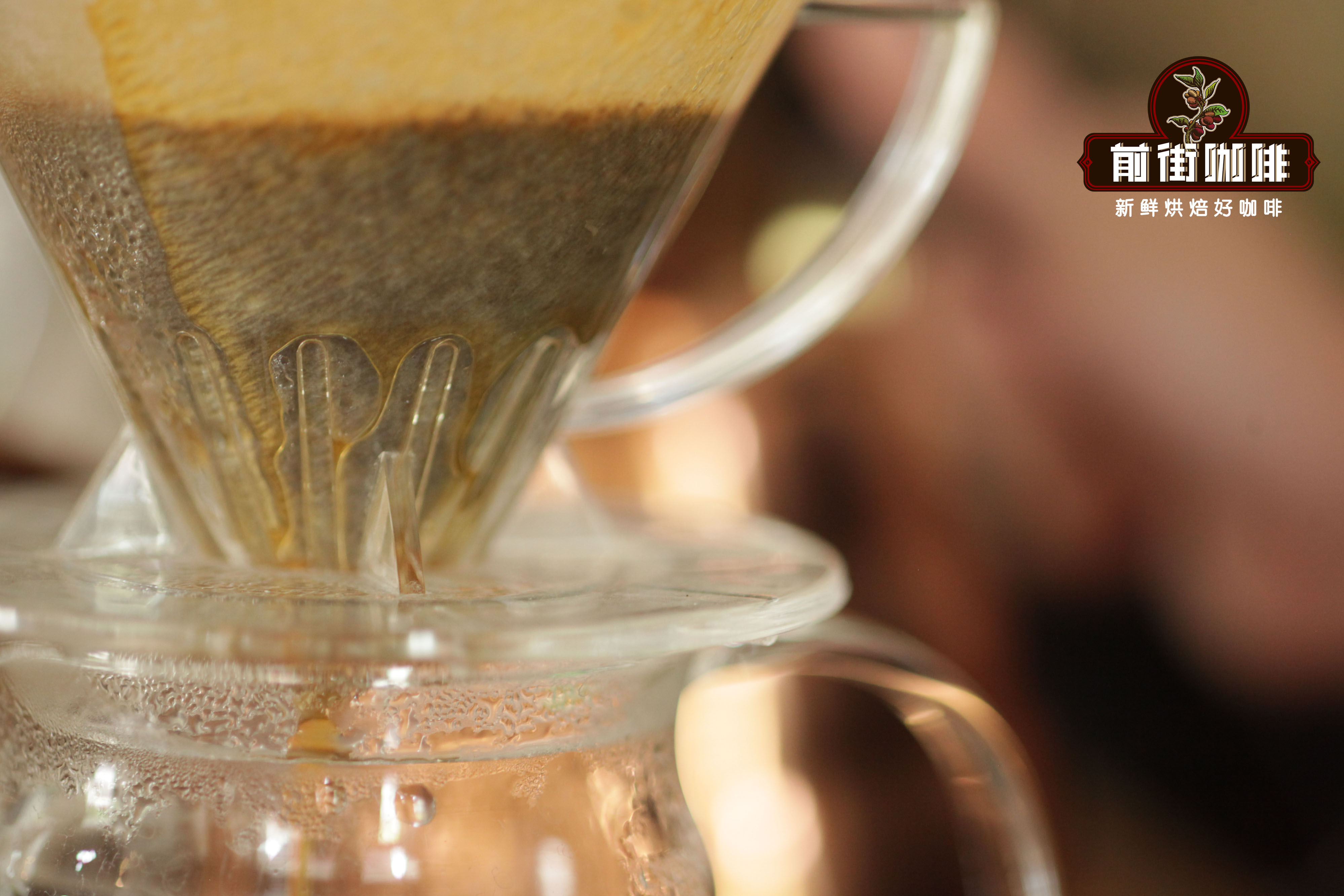
For the filter cup, FrontStreet Coffee chose the Kono Meimon. Its most distinctive feature is that the ribs run from the bottom to the middle while the upper part has smooth walls, which keeps water from sneaking around the coffee grounds when the filter paper adheres to the cup. That increases body and makes it well suited to medium-dark roasted beans such as FrontStreet Coffee's Golden Mandheling and FrontStreet Coffee's Blue Mountain Coffee.
FrontStreet Coffee uses 15g of coffee grounds. More grounds are not necessarily better, nor are fewer; it depends on the filter cup. FrontStreet Coffee uses a 1-2 person cup, where 15-20g is a reasonable amount, and brewing outside that range can be difficult.
For the ratio, FrontStreet Coffee recommends 1:15. Some suggest 1:13 or even smaller, but FrontStreet Coffee has noted in previous articles that concentration and body are not necessarily linked, and excessive concentration can cause discomfort. A 1:15 ratio still fully expresses FrontStreet Coffee's Mandheling's rich body.
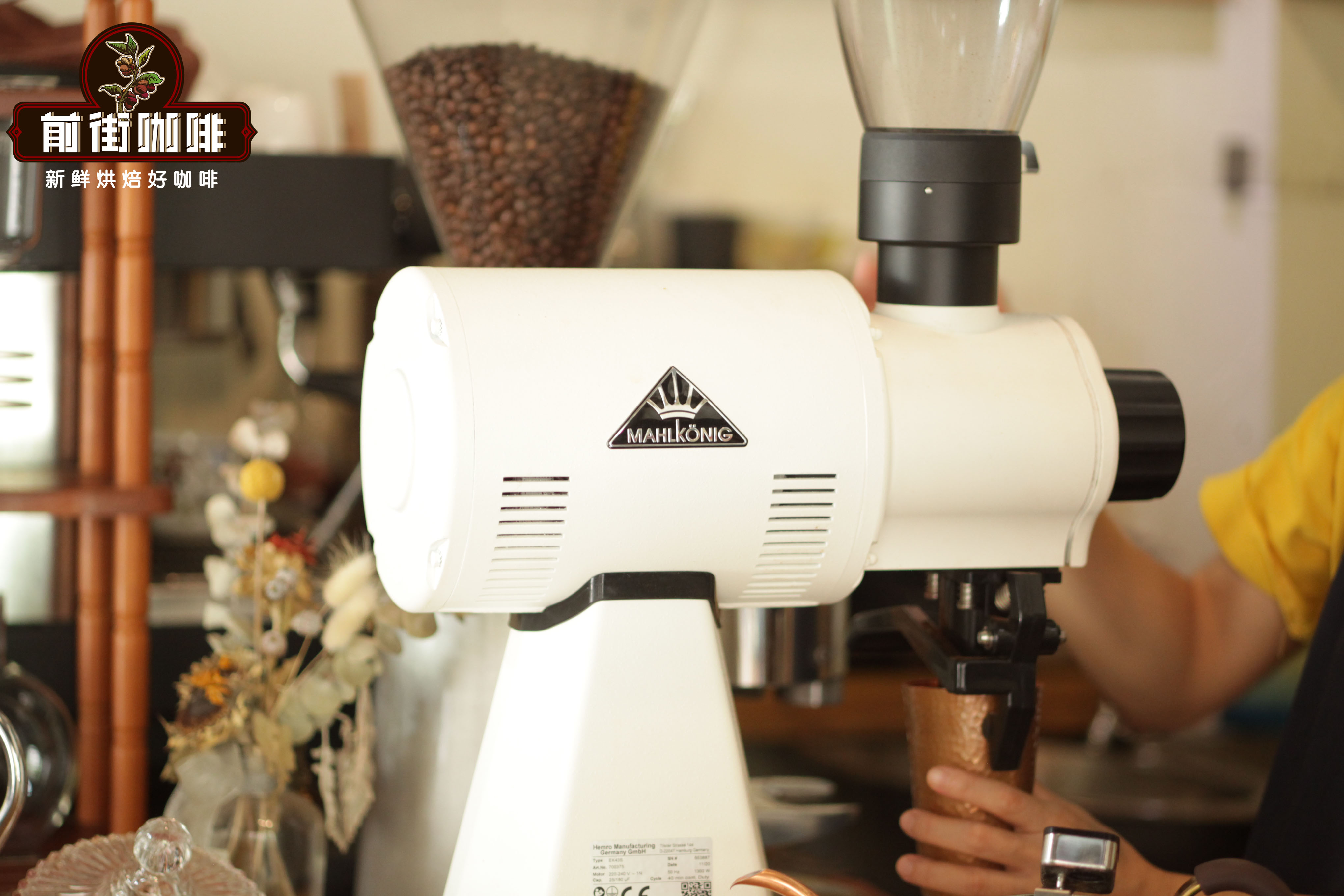
For grind size, FrontStreet Coffee uses a 70% pass-through rate on a #20 sieve. The grind for FrontStreet Coffee's Golden Mandheling should be slightly coarser than for light-roasted beans, because the deep roast makes its structure more porous and more likely to absorb water and release coffee solids. Ground as fine as a light roast, it easily turns burnt and bitter; ground even coarser, the coffee becomes thin and watery.
For water temperature, FrontStreet Coffee recommends brewing at 87-88°C. As with grind size, too high a temperature produces burnt bitterness, while too low a temperature leaves the coffee flat with an unpleasant stale sourness.
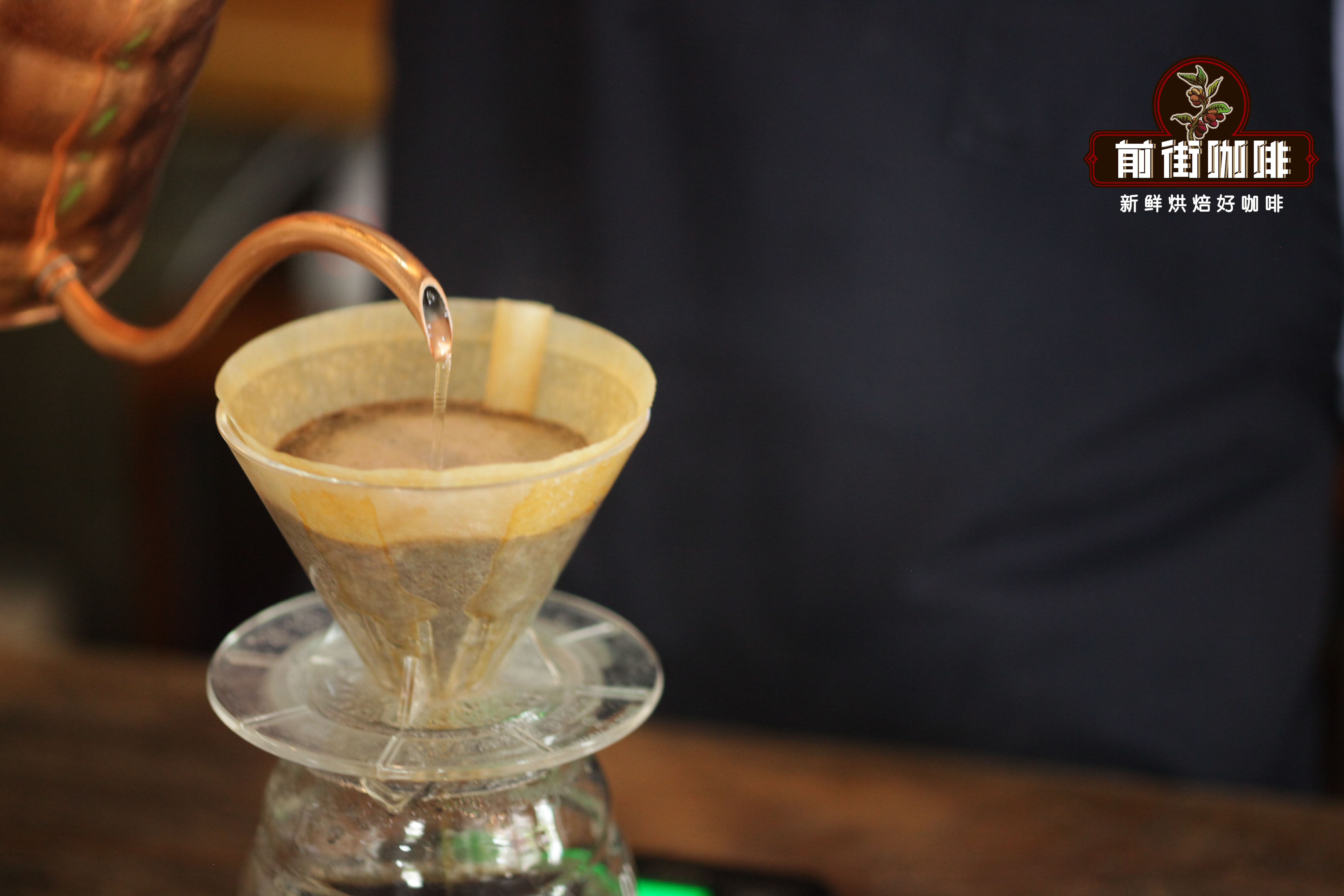
The method uses three pours, which better expresses FrontStreet Coffee's Golden Mandheling's rich body and caramel sweetness. The water is divided as follows: first pour 30ml for blooming to fully wet the grounds and release gases for better extraction later; second pour 100ml; final pour 95ml to lift the sweetness, giving an overall rich body with caramel sweetness and chocolate and nut flavors.
FrontStreet Coffee Recommendation
Sumatra is Indonesia's largest source of both Arabica and Robusta, and the highlands of Aceh in the north and of North Sumatra are planted mainly with Arabica, which is what people usually call Mandheling. FrontStreet Coffee's Mandheling is a single-origin Sumatran coffee, usually brewed as pour-over, with a rich aroma and a full body; it also works as espresso, where it extracts with generous crema and a strong, caramel-forward flavor.
The Mandheling most people drink is dark roasted, which softens the acidity and plays up its thick, aromatic character. FrontStreet Coffee's Lintong Mandheling and its PWN Golden Mandheling come from the Lintong area and the Aceh region of Sumatra respectively, both roasted medium-dark so the cup shows dark chocolate and caramel while keeping Mandheling's wild herbal note, which comes from the growing environment and the processing.
For the finest grade, FrontStreet Coffee's PWN Golden Mandheling is the pick. PWN buys only high-quality Mandheling green beans and sorts them by density, size, shape, and color, with one machine pass and hand sorting to remove defects, so the beans are even, large, and bright and the earthy, grassy edge is reduced. Freshly roasted, it shows sandalwood, herbs, spice, roasted hazelnut, caramel, and dark chocolate, clean and sweet with a full body.
Brewed as pour-over it is at its best: FrontStreet Coffee suggests 15g of coffee at 87-88°C, a 1:15 ratio, a grind like coarse granulated sugar, and a three-stage pour. The first stage is 30ml to wet the grounds and degas; the second is 100ml to lift the golden crema and raise the bed; the last is a gentle 95ml down the center to increase sweetness, giving a thick body with caramel sweetness and chocolate and nut flavors. For espresso and milk drinks, FrontStreet Coffee's Classic Blend is the most repurchased choice, adding medium-dark Mandheling to a creamy, nutty Brazilian base plus a little Robusta for a richer crema, with pronounced butter, roasted chestnut, and caramel notes and a distinctive sandalwood, herbal, spice character that layers easily in a latte or a Dirty.
Important Notice :
FrontStreet Coffee is a long-established specialty coffee roaster in Guangzhou China, selling freshly roasted beans from its own farm in Yunnan as well as dozens of carefully selected single-origin beans from around the world for both pour-over and espresso. The products deliver consistently excellent quality and great value, with shipping within 24 hours. Guangzhou's FrontStreet Coffee shop is recommended by many coffee lovers, and the beans are now available online at the Tmall 。
FrontStreet Coffee has moved to a new address:
FrontStreet Coffee Address: 315,Donghua East Road,GuangZhou
Tel:020 38364473
 Scan and follow the En Gafei WeChat official account. Please indicate that the reprint comes from "En Gafei".