Hawaii Coffee Grade Classification - Is Kona Blend Kona Coffee? How to Prevent Kona Coffee Scams
Expert Opinions and Grading Standards for Kona Coffee
Rating and reviewing coffee is a complex, subjective task. Beans are constantly changing, and preparation methods significantly affect the final cup. We rely on the ratings from Coffee Review, which scores coffees worldwide on a 100-point scale across descriptive categories such as aroma, acidity, body, flavor, and aftertaste.
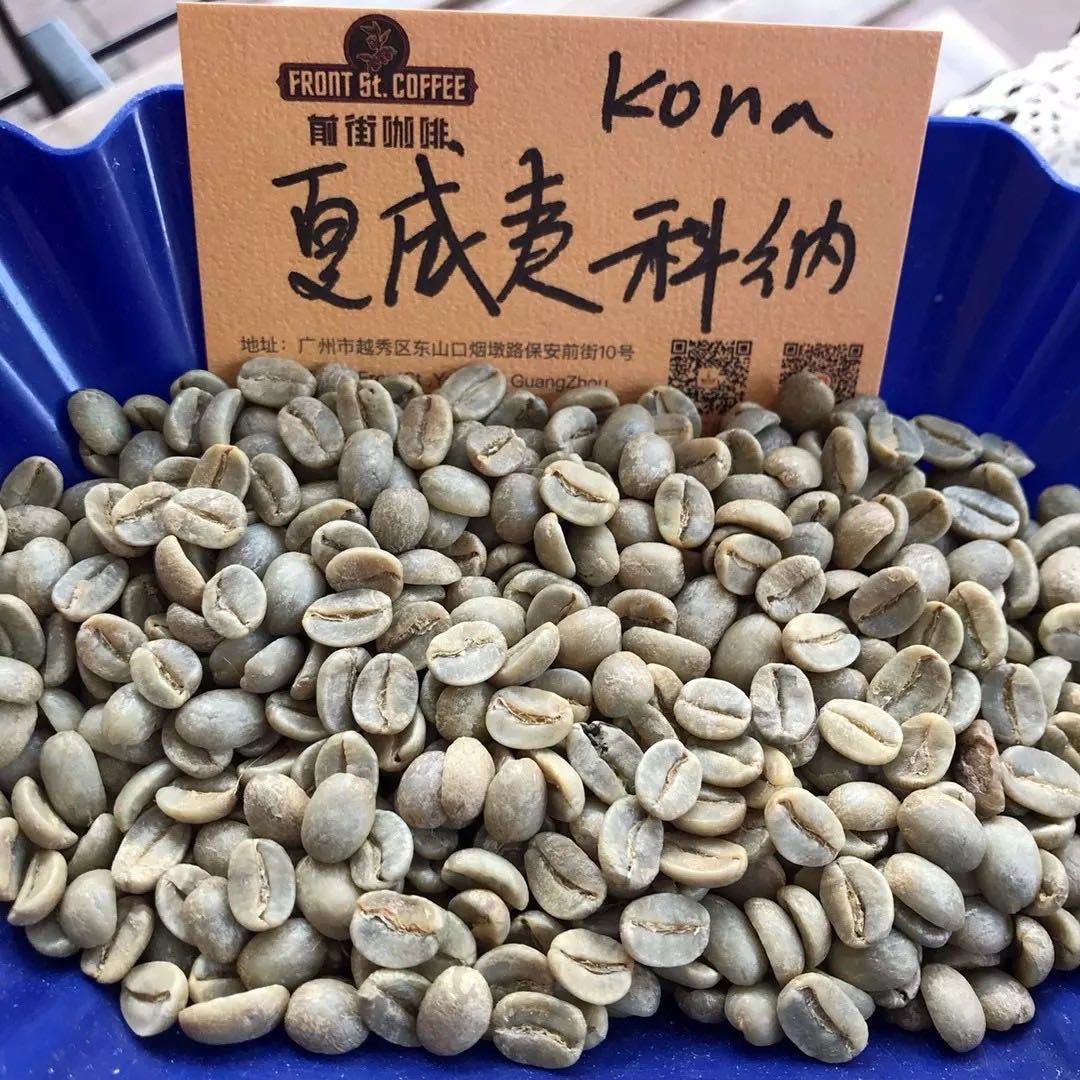
In 2016, Puna coffee from Paradise Roasters received a 96/100 - one of the highest ratings on the site. The "Top 30 of 2016" list also featured two other Hawaiian coffees, both produced by Hula Daddy Kona Coffee.
Hawaiian Kona Coffee Grade Classification
Based on quality factors, harvested beans are classified (from highest to lowest) as Type I, Type II, and Type III.
Each type is further graded as follows:
Type I: Kona Extra Fancy, Kona Fancy, Kona Number 1, Kona Select, Kona Prime.
Type II: Peaberry Number 1, Peaberry Prime.
Type III: Also known as Triple X.
Detailed Grade Descriptions
Extra Fancy - The finest Kona beans: clean, uniform in color, superior roasting quality, with no more than 8 full defects per 300 grams. Type I is screen size 19; Type II is size 13.
Fancy - Like Extra Fancy, these are clean Kona beans, uniform in color, with good roasting quality, but allowing up to 12 full defects per 300 grams. Type I is screen size 18; Type II is size 12.
Kona Number 1 - Still clean, color-uniform beans with above-average roasting quality, allowing up to 18 full defects per 300 grams. Type I is screen size 16; Type II is size 10. This is the last of the premium Kona grades.
Hawaii Select - The first rule for this category is that it "should not have any unpleasant aroma or taste when brewed," with defective beans not exceeding 5% of total weight. It is the best of the medium-grade Kona beans.
Hawaii Prime - Carries the same clean aroma and flavor rules as Kona Select, but permits defective beans up to 20% of total weight. It isn't particularly fancy, but it is also more than your "premium" grocery-store selection.
Type III, aka Triple X - The beans must still meet the clean aroma and flavor rules, but the defect allowance is slightly higher. They are not even considered Kona coffee - a testament to Hawaii's strict quality standards.
Hawaii Natural Prime - There are no strict requirements for color, roasting quality, or size, but defective beans are capped at 20% by weight - a limit set to protect the name of Hawaii coffee.
Hawaii Mixed Natural Prime - The lowest quality Kona coffee. The same grade as Natural Prime, though this is essentially a coffee mixture.
Kona Industry Deception
"Is Kona Blend really Kona?"
Hawaiian coffee enjoys a fine reputation, and if you want the best the nation offers, Kona won't disappoint. But remember: simply using the Kona name makes beans easier to sell.
It's easy to claim to be Extra Fancy Kona - and sometimes the only "fancy" thing about fake sellers is their packaging.
That's why some sellers tout "100% Kona" when the beans are really fit only for the Kona blend category.
So what is Kona Blend? Under Hawaii law, blended coffee needs to contain only 10% Kona coffee!
Your best defense is to steer clear of Kona blends - avoiding both low-quality beans and whatever sellers add to mask the flavor.
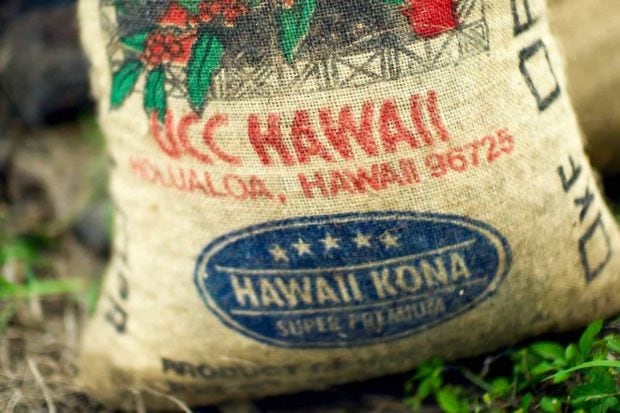
Authentic Kona coffee will have numbered tags affixed to the burlap bags before export, indicating certification by the Hawaii Department of Agriculture, along with other official seals.
FrontStreet Coffee's Kona beans are certified, and good coffee won't disappoint. The medium roast delivers a balanced, smooth nectar sweetness; brewed, it exudes a mulberry fragrance with a smooth, malt-like bittersweet finish - and when it cools, it drinks like a cup of mulberry tea.
FrontStreet Coffee Recommendation
If you love Kona's Typica-based balance but want alternatives, FrontStreet Coffee's Papua New Guinea "Bird of Paradise" is a favorite: Typica of Blue Mountain lineage grown at 1,600-1,800 meters on volcanic soil, graded AA with triple washed fermentation - a clean, sweet, low-acid "little Blue Mountain." For espresso at home, FrontStreet Coffee's Classic Blend - a medium-dark Mandheling and Brazil recipe with a touch of Robusta - pulls golden crema with butter, roasted chestnut, and caramel notes.
Important Notice :
FrontStreet Coffee is a long-established specialty coffee roaster in Guangzhou China, selling freshly roasted beans from its own farm in Yunnan as well as dozens of carefully selected single-origin beans from around the world for both pour-over and espresso. The products deliver consistently excellent quality and great value, with shipping within 24 hours. Guangzhou's FrontStreet Coffee shop is recommended by many coffee lovers, and the beans are now available online at the Tmall 。
FrontStreet Coffee has moved to a new address:
FrontStreet Coffee Address: 315,Donghua East Road,GuangZhou
Tel:020 38364473
 Scan and follow the En Gafei WeChat official account. Please indicate that the reprint comes from "En Gafei".