Ethiopia Uraga Gogoguka Coffee Processing Method TOH Washed Champion Bean Flavor Characteristics
From deep within the Guji forest, the Gogogu wet mill brings incredible ripe blackberry, vibrant acidity and classic Ethiopian floral notes such as bergamot and jasmine.
Believe it or not, premium coffee from the dense forests of Uraga Wada, the highest in all of Ethiopia at 2310 masl, was once trucked across the border to Yirgacheffe and sold as Yirgacheffe coffee, because no one had yet recognized its distinctive character.
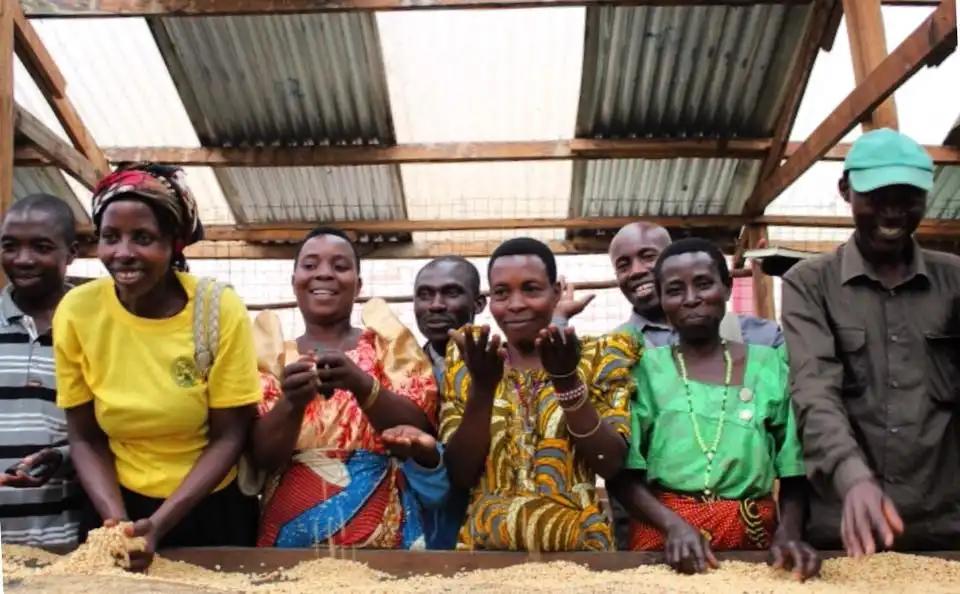
Gogogu Wate Characteristics
The Wate location also evokes memories of coffee from days past, immediately releasing aromas reminiscent of scallions. Scallions? Yes. Strangely enough, this is my single favorite flavor attribute in Central Guji coffees.
This indicates two things:
- The coffee is incredibly fresh,
- So fresh that in about a month's time, as batch conditions change, the distinct scallion characteristic transforms into the most amazing honeysuckle and orange blossom fragrance.
This may sound strange, but it is the secret. In any case, moving forward with the cup profile itself is electric. Key lime. Radiant, fresh, refreshing lime. Persian lime. Kaffir lime. Lemon-lime. All the limes. This is a refreshing coffee.
Guji Uraga Coffee Identity
Coffee within Guji Uraga deserves its own identity. In the southernmost forests of the Uraga region lie the Ugo Begne forest and the Wate Gogogu community, where the Gogogu washing station produces truly unique coffee. The wet mill sits on a plain, surrounded by small farms that supply cherries to the mill.
Meticulous Processing Methods
Managed by lifelong coffee trader Kedir Jebril, brother of Abdi Jebril of Larcho Torka and Feku of Yabitu Koba, Gogogu's coffee undergoes a meticulous process: freshly depulped seeds are left underwater for 60 hours, compared with the average 48 hours at typical washing stations. The coffee is then vigorously washed in narrow channels while also being selected for quality. Lower density Grade 2 beans are screened from the top of the channels and taken to their own drying station. Higher density Grade 1 coffee eventually goes to soaking tanks, where it rests overnight to remove excess mucilage from the seeds before being sent to the drying beds. Kedir covers his parchment coffee in mesh for the first 5-6 days to prevent cracking and direct sun exposure, which would damage bean integrity.
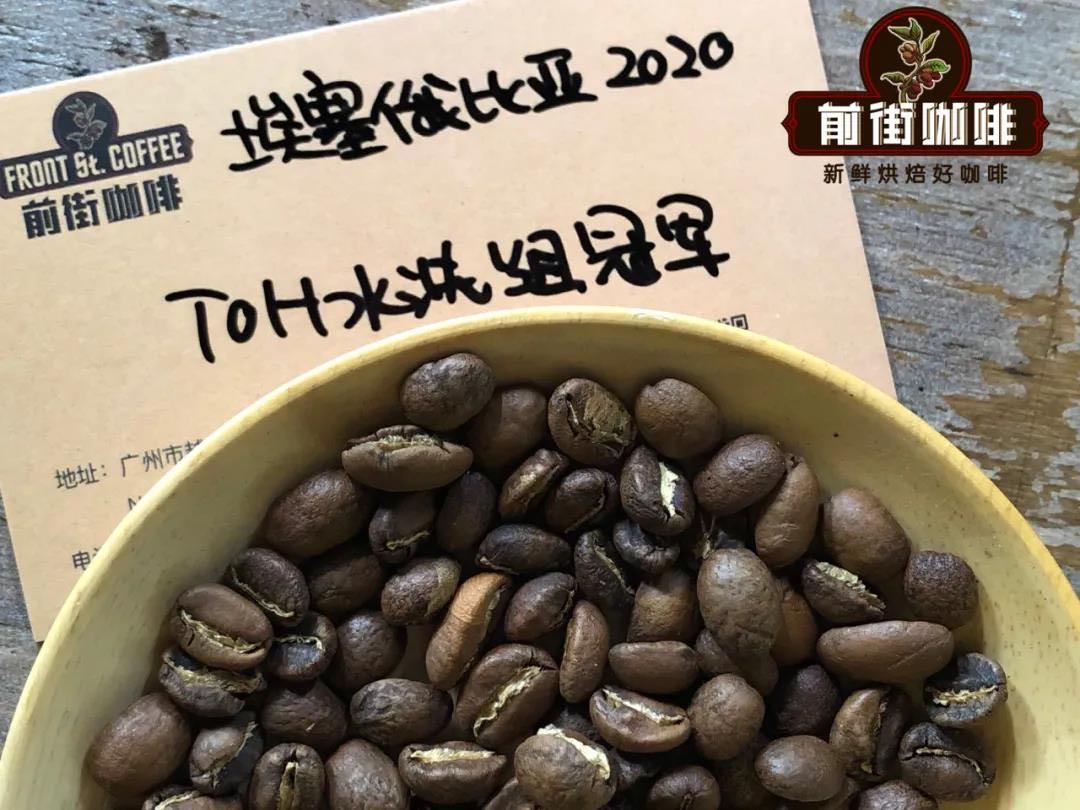
FrontStreet Coffee's TOH Champion
In 2020, FrontStreet Coffee acquired this TOH champion bean, an excellent coffee from Ethiopia's Uraga region. It is a heirloom variety processed using the washed method. The front palate shows citrus acidity and jasmine floral notes, followed by pomelo tea flavors in the middle, with a finish that reveals very clear honey-like sweetness.
As for what TOH is, FrontStreet Coffee will introduce it in detail in a later article.
FrontStreet Coffee Recommendation
The bright citrus, jasmine and honey profile of this Uraga lot is the signature of washed Ethiopian coffee, and FrontStreet Yirgacheffe Gudingding Cooperative delivers it in a very clean form. A washed G1 from Gudingding village, it shows elegant white florals with citrus and orange acidity, a green tea mid-palate and a honey finish, and it works as a pour-over, a drip bag or a cold brew. If you want the same region with more fruit, FrontStreet Yirgacheffe Natural Red Cherry adds berry juice and honeyed sweetness over a creamy body. FrontStreet brews these at 90-91°C with 15g of coffee at a 1:15 ratio in a V60, ground to fine granulated sugar, about 80% passing a No. 20 sieve, finishing at 225g in 2:00-2:10.
Important Notice :
FrontStreet Coffee is a long-established specialty coffee roaster in Guangzhou China, selling freshly roasted beans from its own farm in Yunnan as well as dozens of carefully selected single-origin beans from around the world for both pour-over and espresso. The products deliver consistently excellent quality and great value, with shipping within 24 hours. Guangzhou's FrontStreet Coffee shop is recommended by many coffee lovers, and the beans are now available online at the Tmall 。
FrontStreet Coffee has moved to a new address:
FrontStreet Coffee Address: 315,Donghua East Road,GuangZhou
Tel:020 38364473
 Scan and follow the En Gafei WeChat official account. Please indicate that the reprint comes from "En Gafei".