The Impact of Volcanic Environment on Coffee: Flavor Characteristics of Guatemalan Volcanic Region Antigua Coffee Beans
Antigua Guatemala: Where Three Volcanoes Build a Terroir
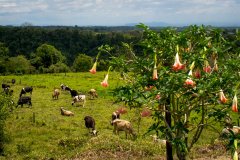
Fertile volcanic soil, low humidity, abundant sunshine and cool nights define Antigua, and together they yield some of Guatemala's most remarkable coffee. The valleys around the town of Antigua, from which the region takes its name, are enclosed by three volcanoes: Agua, Fuego and Acatenango. Fuego, one of Guatemala's three active volcanoes, periodically dusts the surrounding farmland with fresh, mineral-rich ash. Volcanic pumice in the soil also holds moisture, which helps offset Antigua's low rainfall. Nights here can be genuinely cold, so shade trees are planted densely to shield the coffee plants from the occasional frost.
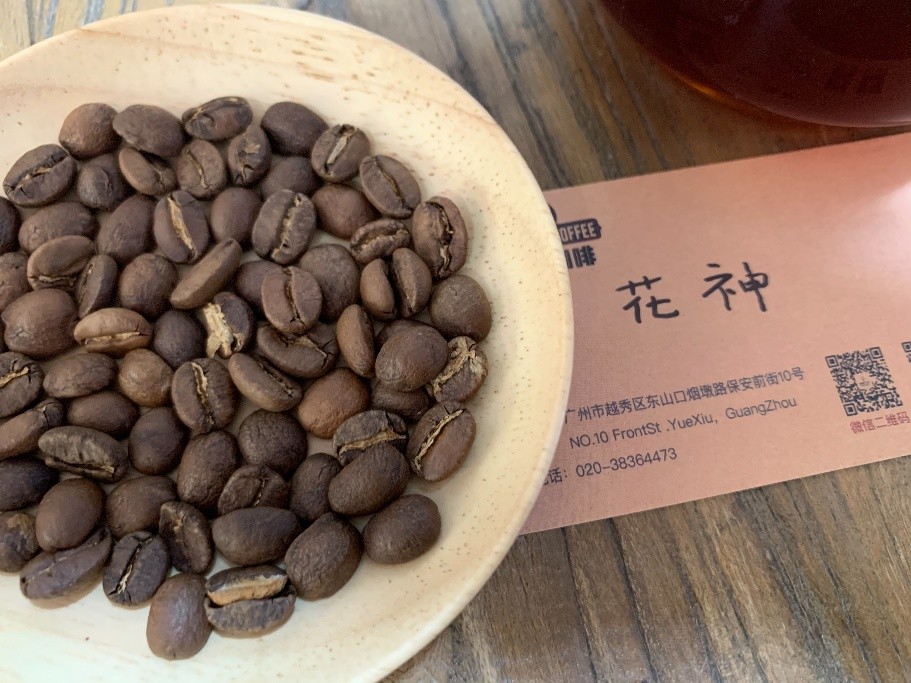
FrontStreet Coffee's Guatemala Antigua Selection
FrontStreet Coffee currently carries one coffee from the Guatemala Antigua region: the Flora Goddess variety. It is a remarkably expressive cup, layered and smooth, opening with the sweet-tart character of berries and closing on a distinct smoky note.
Why Volcanic Soil Matters on a Global Scale
Volcanic soil has long been considered "more fertile" for growing crops, coffee included. Why should that be?
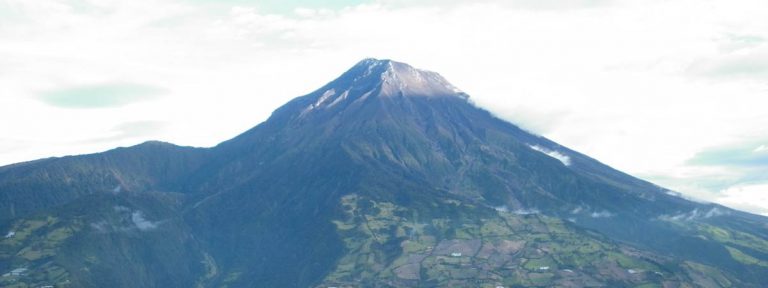
Worldwide, more than 800 million people, close to 10% of the world's population, live within 100 kilometers of the world's 1431 active volcanoes. Active volcanoes are enormously destructive, yet they also draw millions of tourists each year and supply geothermal energy that supports local communities. The material thrown out during eruptions then mixes with the surrounding land to form some of the most fertile soils on Earth. Coffee plants in particular thrive in volcanic soil, whose physical, chemical and mineral properties make it agriculturally superior to other soil types. Soil, however, is only part of the story; volcanic environments supply other conditions that favor excellent coffee as well.
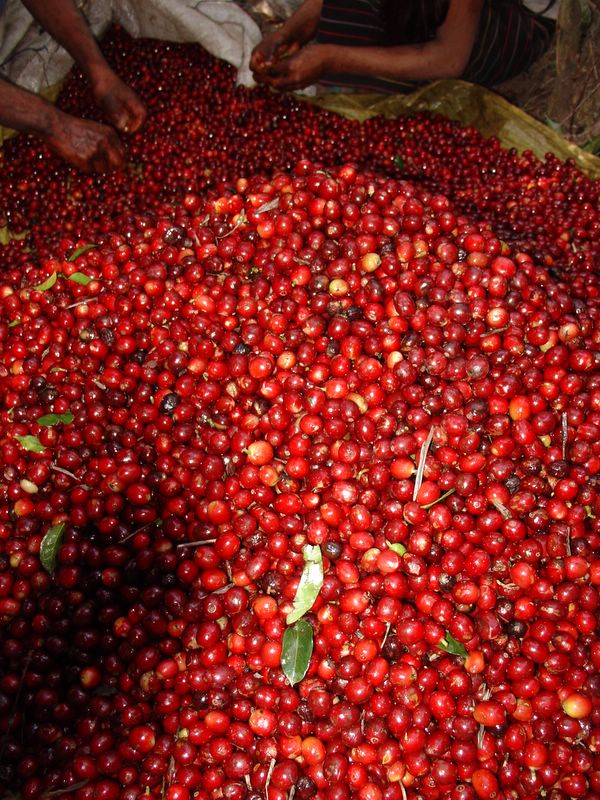
The Structure and Fertility of Volcanic Soil
Most volcanic soils begin as tephra, a mixture of ash particles and rock fragments ejected during an eruption and later settled on the ground. Over time that ash breaks down into what we call volcanic soil.
Most volcanic soils are classified as Andisols or Andosols, from the Japanese words anshokudo and ando, meaning "dark soil." They are light and fluffy, rich in silicate glass, and tend to accumulate organic matter.
Andisols are excellent for root development for several reasons. Their low density and stable yet porous structure let them hold moisture efficiently and resist drought. Because they are highly permeable, roots can grow deep and water drains freely, so the roots never become waterlogged and rot.
Coffee plants need a range of nutrients, delivered through the soil. Volcanic soils are fertile partly because they are relatively "young" and still retain many of the nutritional elements found in the original rock. Though the exact composition varies from volcano to volcano, Andisols typically contain phosphorus, potassium, calcium, magnesium, zinc, iron and boron, all of which matter for coffee plant development.
FrontStreet Coffee Recommendation
If the volcanic-soil sweetness described above is what you are chasing, FrontStreet Coffee's Costa Rica Black Berry is a natural starting point. The cherries are floated first to remove defects, then depulped with the flesh and mucilage left intact before the beans go to the drying beds. Because mucilage is rich in sugar, it oxidizes and darkens as it dries, and the black-honey style keeps the most mucilage of all, fermenting deepest and finishing sweetest. This high-altitude Costa Rican single origin carries floral aromatics and is best given a medium-light roast, showing sweet flowers, grape, sweet orange and liqueur chocolate in the cup.
FrontStreet Coffee's Brazil Queen Manor is the balance-driven alternative. A yellow bourbon from Brazil, it drinks clean and quietly sweet, and the medium roast frames peanut and black chocolate flavours with a caramel sweetness that lingers. Brewed in a moka pot or on an espresso machine it delivers a fine crema and a full body, so americano and latte both come out rich and sweet.
For something fruitier, FrontStreet Coffee's Strawberry Candy Geisha blend pairs honey-processed Costa Rican coffee with Ethiopian beans. The combination brings rose, strawberry soft candy and dried blueberry to the nose, with grape and citrus giving a measured sweet-tart lift and an almond note in the finish. It works equally well as pour-over, cold brew or espresso, where it shows good crema and a dense, creamy texture without any harsh edge.
Important Notice :
FrontStreet Coffee is a long-established specialty coffee roaster in Guangzhou China, selling freshly roasted beans from its own farm in Yunnan as well as dozens of carefully selected single-origin beans from around the world for both pour-over and espresso. The products deliver consistently excellent quality and great value, with shipping within 24 hours. Guangzhou's FrontStreet Coffee shop is recommended by many coffee lovers, and the beans are now available online at the Tmall 。
FrontStreet Coffee has moved to a new address:
FrontStreet Coffee Address: 315,Donghua East Road,GuangZhou
Tel:020 38364473
 Scan and follow the En Gafei WeChat official account. Please indicate that the reprint comes from "En Gafei".