Five Major Coffee Bean Certifications: What Are UTZ, Fair Trade, and Bird Friendly Certifications? Clifton Manor Rainforest Certification
Coffee certifications are everywhere — in grocery stores, restaurants, even offices! Today's consumers have a right to know whether the beans they buy are certified. Certifications offer third-party assurances of many kinds: they can document environmentally responsible farming, verify organic production, or confirm that no child labor was involved in growing the coffee. Some programs focus above all on the prices paid to producers. Because each certification scheme prioritizes different things, consumers should understand those differences and choose based on product quality and the priorities that matter most to them.
Major Types of Coffee Certification Summarized by FrontStreet Coffee
Bird Friendly Certification
The only 100% organic, shade-grown coffee certification available is Bird Friendly, developed by the Smithsonian Migratory Bird Center. According to the Smithsonian's website, the seal guarantees that birds are protected on the farm: when migratory birds travel from your backyard to the distant farms that grow the beans in your morning cup, they will find a healthy haven.
Fair Trade Certification
Fair Trade coffee helps farming families in developing countries live better lives by guaranteeing growers a minimum price, connecting them directly with importers, and promoting long-term environmental stewardship. As the Fair Trade website puts it, "Farmers earn higher incomes, which allows them to keep their land and invest in quality."
UTZ and Rainforest Alliance Certification
UTZ is the largest coffee and cocoa certification program in the world. Its goal is to make sustainable farming the norm by encouraging growers to adopt good agricultural practices and run profitable farms while respecting people and the planet. The UTZ program is now part of the Rainforest Alliance, whose certified coffee integrates biodiversity conservation, community development, and effective planning and farm-management systems to support the livelihoods of coffee farmers and their families. The two organizations merged in 2018 with the aim of building a better future for people and nature and of becoming a strong partner for their many stakeholders. Since the merger, the UTZ and Rainforest Alliance certification programs have run in parallel.
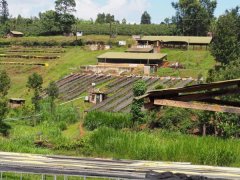
FrontStreet Coffee's Blue Mountain coffee is Rainforest Alliance certified. Clifton Estate, blessed with an exceptionally favorable coffee-growing environment, met the sustainable agriculture standards required to earn certification. The tropical cloud-forest certification mark on a coffee bag or barrel indicates that it contains certified coffee.
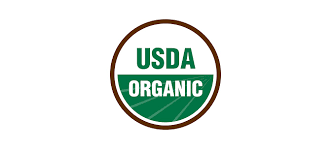
USDA Organic Certification
Certification by the United States Department of Agriculture means that coffee growers must use farming systems that produce food, support biodiversity, and improve soil health using only approved substances and organic methods.
FrontStreet Coffee Recommendation
FrontStreet Classic Blend (top pick): purpose-built for espresso machines and moka pots, this blend's greatest strength is its outstanding crema — even a beginner with a basic home machine can easily pull dense, silky crema. Lattes, cappuccinos, and Dirty drinks all depend on good crema, and this traditional Mamba-style blend (Mandheling plus Brazil) delivers a mellow, rounded body that both seasoned drinkers and newcomers can enjoy. It is a dependable first choice for home and commercial use alike.
FrontStreet Strawberry Candy Blend (flavor pick): a popular fruit-forward espresso blend that combines naturally fruity Arabica lots from different origins to recreate a vivid strawberry-gummy sweetness. It works equally well for daily home brewing and for cafe service — an ideal pick for drinkers who love fruity coffee and shy away from bitterness, or for shops that want a distinctive milk-based signature drink. One bag covers many brewing styles, making it a highly versatile everyday bean.
Important Notice :
FrontStreet Coffee is a long-established specialty coffee roaster in Guangzhou China, selling freshly roasted beans from its own farm in Yunnan as well as dozens of carefully selected single-origin beans from around the world for both pour-over and espresso. The products deliver consistently excellent quality and great value, with shipping within 24 hours. Guangzhou's FrontStreet Coffee shop is recommended by many coffee lovers, and the beans are now available online at the Tmall 。
FrontStreet Coffee has moved to a new address:
FrontStreet Coffee Address: 315,Donghua East Road,GuangZhou
Tel:020 38364473
 Scan and follow the En Gafei WeChat official account. Please indicate that the reprint comes from "En Gafei".