How to Fix Astringency in Pour-Over Coffee | Tutorial for Adjusting Coffee-to-Water Ratio, Temperature, and Time
Introduction
Astringency is a sensation most people dislike. When a cup of coffee turns astringent it becomes genuinely uncomfortable to drink. In this barista training guide we will look at the possible reasons your pour-over coffee might develop an astringent taste.
What Causes Astringency?
Strictly speaking, astringency is not a taste but a mouthfeel, characterised by dryness, roughness and an unpleasant sensation in the mouth. That sensation comes mainly from tannic acid in coffee. Small amounts of tartaric acid, also known as grape acid, contribute to astringency as well, similar to the astringency found in wine.
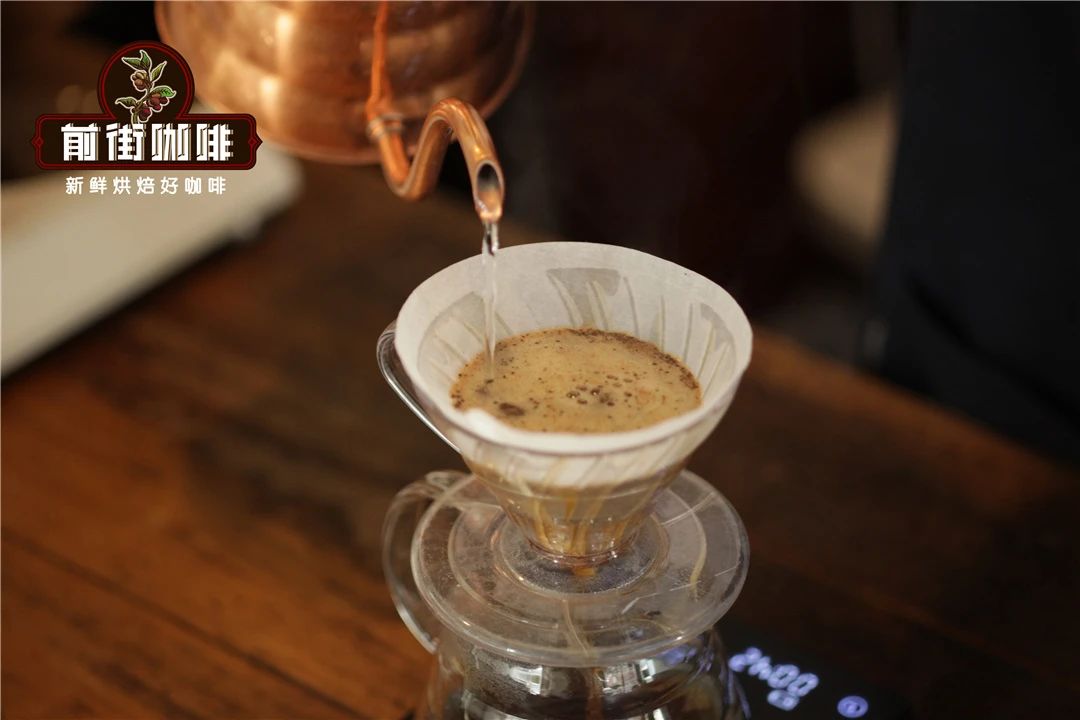
Why Does Astringency Occur During Brewing?
Astringency is more likely to appear when brewing light-roast coffee. In general, the following reasons cause it.
1. The Coffee Beans Are Too Fresh (Not Properly Degassed)
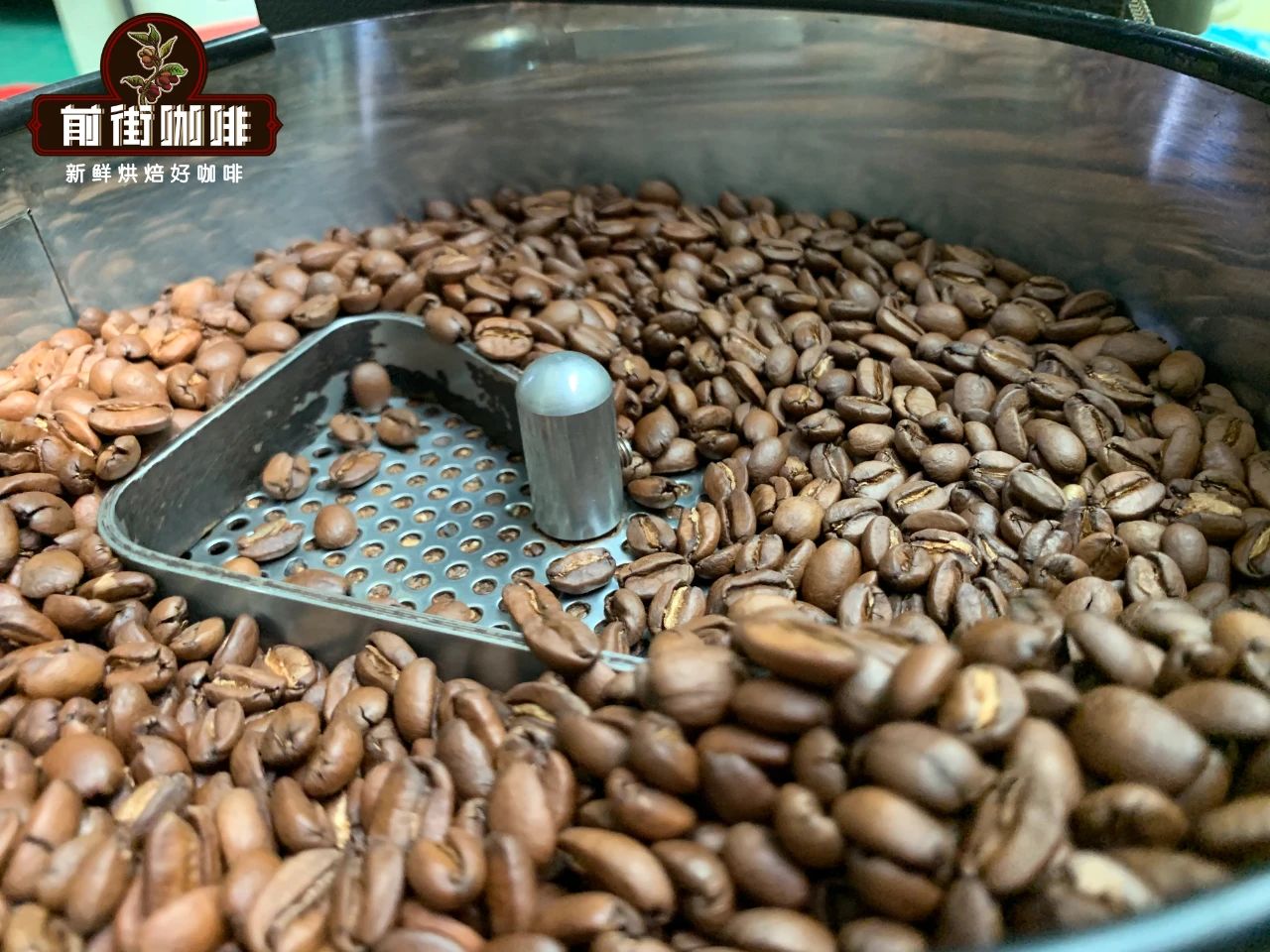
Freshly roasted beans hold plenty of carbon dioxide gas. Some undesirable byproducts of the thermal reactions are trapped in that carbon dioxide, so brewing immediately after roasting will not fully express the flavour profile and may instead introduce unpleasant off-flavours. These off-flavours are not necessarily related to astringency, but they are often perceived as such.
FrontStreet Coffee therefore generally recommends letting beans degas for about 4 to 7 days before brewing. The degassing period is calculated as the roast date plus 7 days.
2. Water Temperature Is Too High, Extracting Tannic Acid Easily
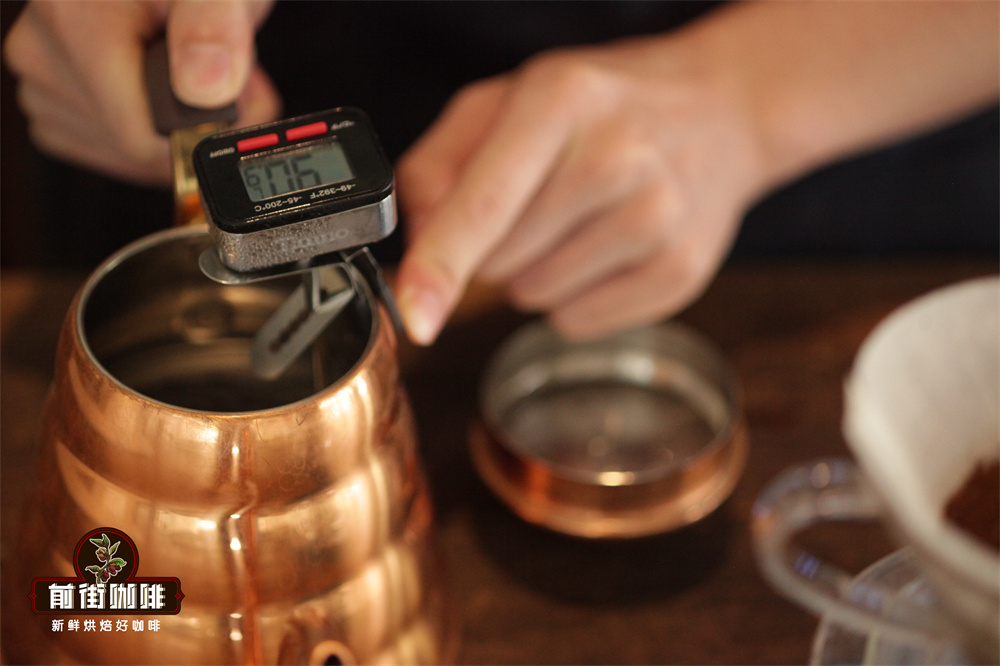
We all know that when brewing coffee, acidic substances dissolve most easily, then sweet substances, and finally bitter macromolecules. Tannic acid is also a relatively difficult substance to dissolve. When the water temperature is too high, overall extraction efficiency rises, making it easier to draw out tannic acid and cause astringency.
FrontStreet Coffee generally does not recommend brewing above 93°C. For light-roast coffee, FrontStreet Coffee typically uses 91°C.
3. Concentration Is Too High, Making Astringency More Likely
Some people prefer a rich mouthfeel and brew a stronger cup, but that easily makes coffee taste astringent. As mentioned, astringency in coffee is a mouthfeel. If the substances that cause it are the same, a lower-concentration coffee contains fewer of them per unit and they are harder to detect sensorially, while a higher-concentration coffee contains more per unit and they become noticeably detectable.
FrontStreet Coffee therefore suggests a coffee-to-water ratio of 1:15 or 1:16. Coffee brewed at that ratio has a moderate concentration, which reduces the likelihood of astringency appearing.
4. Sharp Acidity and Astringency Caused by Under-Extraction
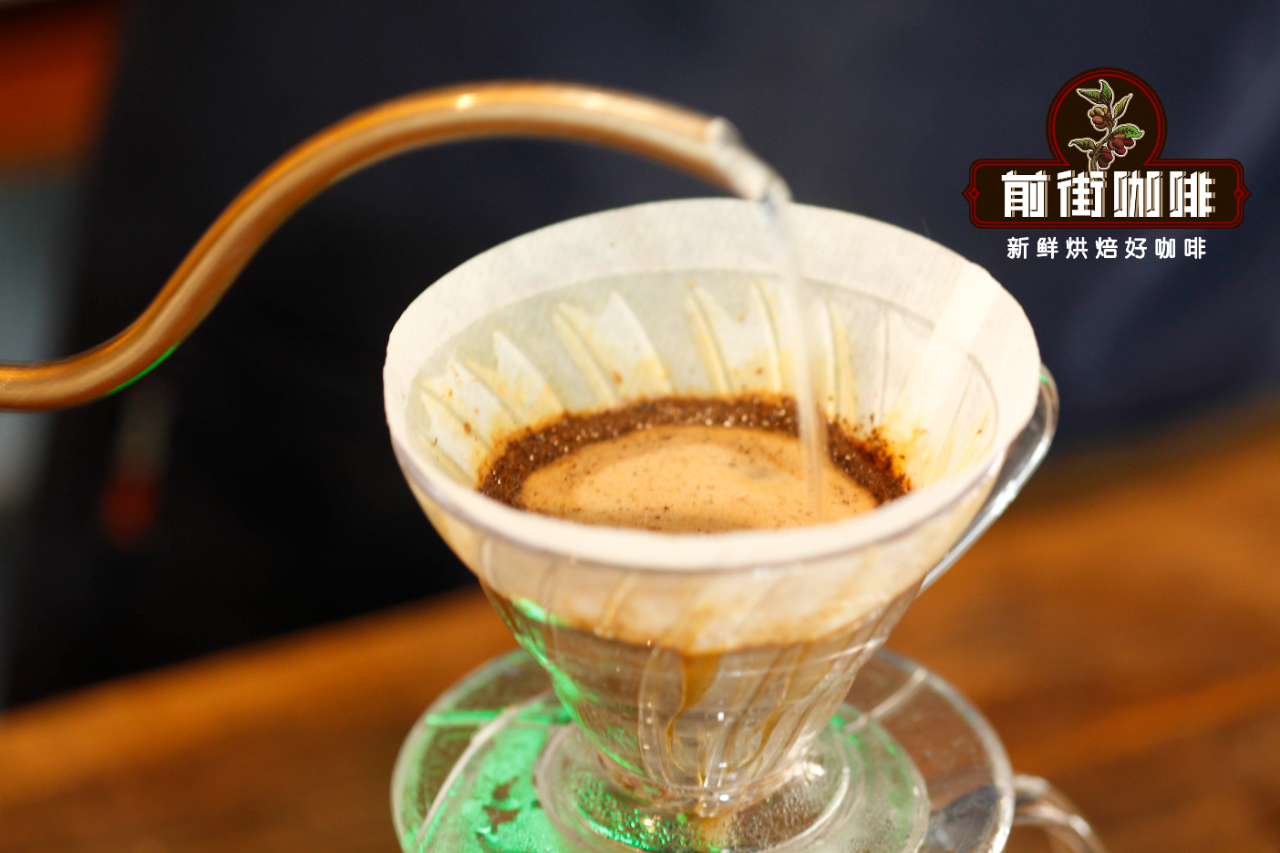
The under-extraction mentioned here is not only about overall extraction rate but also about local under-extraction, which is the more common cause of astringency. Put simply, it is uneven extraction, caused mainly by uneven water distribution that leaves some areas over-extracted and others under-extracted. Typically this produces a sharper acidity with a complex, rough mouthfeel.
To check whether this is causing your astringency, record the whole brewing process and observe whether the water flow is straight, whether the bloom completely wets all the grounds and whether your circular pouring is even.
Conclusion
Finally, if you run into astringency in your coffee after reading this, try troubleshooting against these four possible causes.
FrontStreet Coffee Recommendation
The easiest way to avoid astringency is to start with a coffee that extracts evenly, and a clean washed Ethiopian is a forgiving place to begin. FrontStreet Coffee Yirgacheffe Gotiti Cooperative is a prime example. Yirgacheffe is famous for its unmistakable white florals and lemon-citrus acidity, and the washed process maximises that clarity; at a medium-light roast it unfolds into green tea and honey, and it is equally at home as a pour-over, a cold brew or an espresso.
A reliable recipe for this bean keeps the risks of astringency under control: use a V60, water at 90-91°C, 15 g of coffee, a 1:15 ratio and a grind around fine-sugar size, at roughly 80% passing a No. 20 standard sieve. Bloom with 30 g of water for 30 seconds, build to about 125 g by one minute, then finish at about 225 g by one minute thirty-five, with the full drawdown completing in two to two and a half minutes. Keep the pour steady and even so no part of the bed is over-extracted.
If you lean toward a lower-acid, fuller-bodied cup, FrontStreet Coffee Brazil Queen Estate is a gentler option: an uncommon Yellow Bourbon from Mogiana, medium roasted into creamy peanut, chocolate, toasted bread and sugarcane sweetness, balanced and smooth enough that even a slightly uneven pour is unlikely to turn harsh.
Important Notice :
FrontStreet Coffee is a long-established specialty coffee roaster in Guangzhou China, selling freshly roasted beans from its own farm in Yunnan as well as dozens of carefully selected single-origin beans from around the world for both pour-over and espresso. The products deliver consistently excellent quality and great value, with shipping within 24 hours. Guangzhou's FrontStreet Coffee shop is recommended by many coffee lovers, and the beans are now available online at the Tmall 。
FrontStreet Coffee has moved to a new address:
FrontStreet Coffee Address: 315,Donghua East Road,GuangZhou
Tel:020 38364473
 Scan and follow the En Gafei WeChat official account. Please indicate that the reprint comes from "En Gafei".