What Coffee is Best Made with Kenya Coffee Beans - Introduction to Flavor Characteristics of Kenya Pour-Over Coffee

Kenya may be the favorite origin of coffee drinkers who love bright acidity. FrontStreet Coffee's Kenya coffee beans have a complex, full-bodied, juice-like character built on dark fruits—dark plum, berries, blackberries, and their kin. They shine as pour-over but also suit cold brew, moka pot, French press, and espresso machines. A good Kenya is vibrant yet clean and refreshing, with acidity and sweetness in pleasant harmony. FrontStreet Coffee's Kenya comes from the Thika region, uses the SL28 and SL34 varieties, and is processed with the Kenyan 72-hour washed method—a top pick for any acidity lover.
Unique Flavor Profile
FrontStreet Coffee's Kenya is known for its rich fruit aromatics, mellow acidity, and berry-like sweet-tart profile. FrontStreet Coffee attributes these advantages to the quality varieties local growers use, the growing terroir, and the post-harvest processing.
Kenyan Coffee Varieties
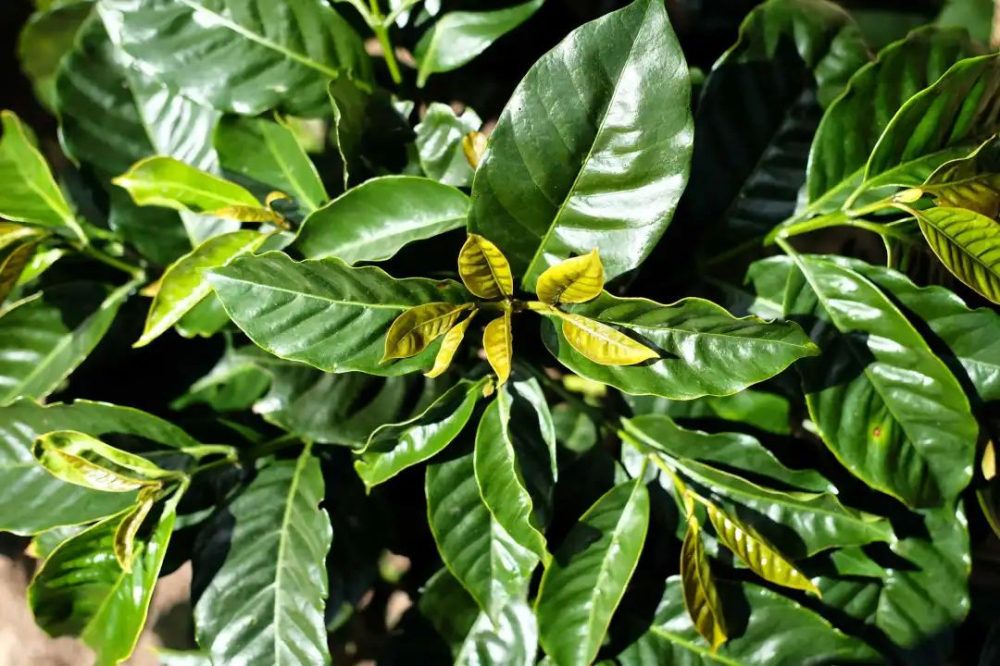
The main Kenyan varieties include SL28, SL34, K7, Ruiru 11, and Batian, with SL28 and SL34 accounting for 90% of the country's production of high-quality coffee. "SL" stands for Kenya's Scott Laboratories. In the 1930s, Kenyan coffee suffered a widespread outbreak of coffee berry disease, and the government commissioned Scott Laboratories to breed resistant varieties. Numbers 28 and 34 proved the strongest—disease-resistant and outstanding in the cup—so farmers planted them widely. The SL series belongs to the Bourbon family and shows excellent acidity in Kenyan growing conditions.
Growing Conditions
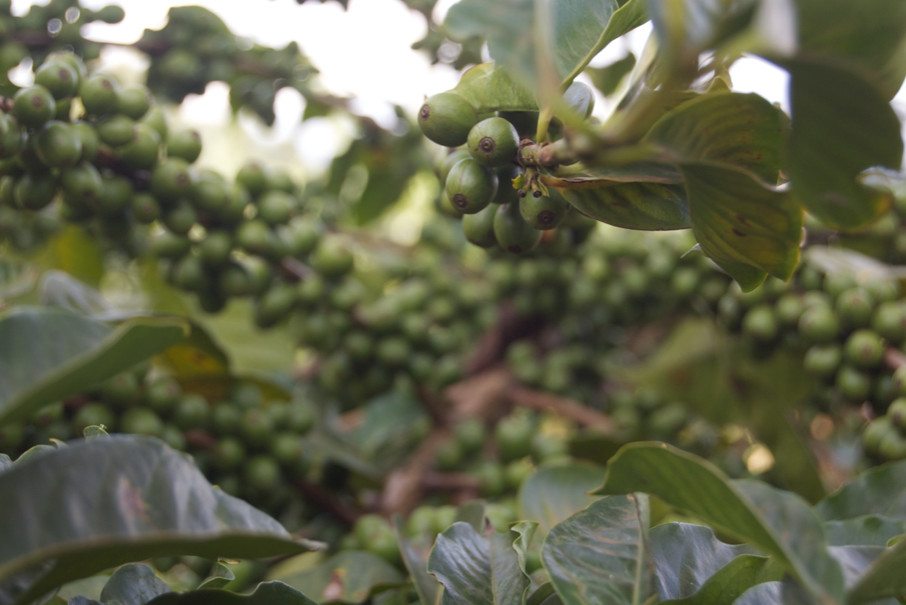
Most Kenyan coffee grows between 1,400 and 2,000 meters at temperatures of 15-24°C, in deep, well-drained red volcanic soil with stable, concentrated annual rainfall. The main growing areas lie in the highlands around Mount Kenya, where fertile volcanic soil and well-balanced sunlight and rain are ideal for high-quality Arabica. Beans from the Thika region in particular show rounded acidity with a grapefruit-like mouthfeel.
Kenyan 72-Hour Washed Processing
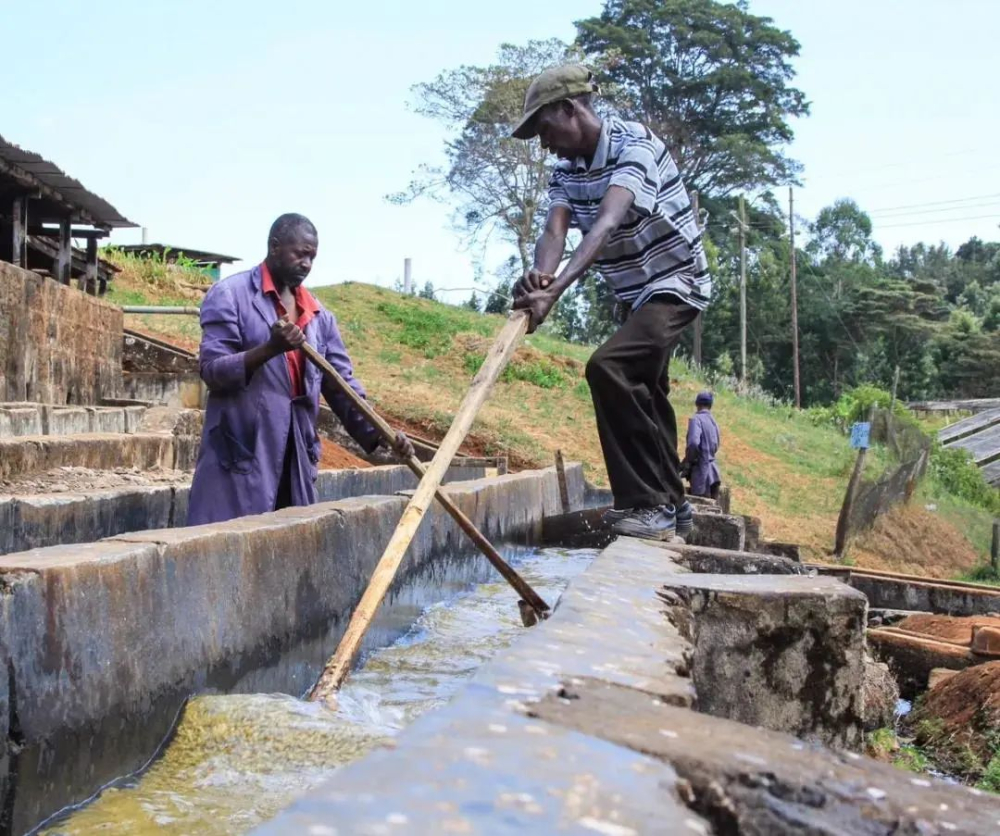
The Kenyan 72-hour washed method, or K72, starts with cherries harvested at optimal ripeness—when their sugar content reaches 21. The finest fruit is selected for pulping, then soaked in fermentation tanks with clean river water for 24 hours. After washing, it soaks again for another 24 hours of fermentation, is washed, and ferments once more. The cycle repeats three times for a total of 72 hours of fermentation, compared with at most 36 hours for an ordinary washed lot. This repeated ferment-and-wash process gives FrontStreet Coffee's Kenya beans their intense acidity and delicate texture. Finally the remaining pectin is removed, and the beans are dried on raised beds for roughly 5-10 days depending on the weather.
Kenyan Coffee Grading
Because beans of similar size roast more evenly—heating and warming at the same rate—Kenya grades green coffee by bean size and cupping score. By size, shape, and hardness, lots are classified as AA, AB, PB, C, E, TT, or T, with AA the highest grade. Kenyan AA beans, typically grown above 2,000 meters, are counted among the world's finest specialty coffees, producing a light-bodied cup full of floral and fruit aromas that is loved worldwide.
FrontStreet Coffee's Kenya Selection
FrontStreet Coffee's Kenya lot features black berries and stone fruits. To preserve more of the fruit aroma, the roasters chose a light roast. In cupping comparisons, the dry fragrance shows cherry tomato, smoked plum, and caramel; in the cup, dark stone fruits—plum, apricot, peach—emerge with saturated acidity.

Brewing Recommendations
For brewing, FrontStreet Coffee prefers pour-over to showcase the full range of this coffee's acidity. Since the beans are medium-light roasted, high-grown, and dense, the baristas use a finer grind and hotter water for extraction—ground to a 78% pass rate on the Chinese #20 standard sieve. A V60 dripper makes the flavor layers more distinct.
Use a three-stage pour: add the grounds to the filter paper and pour 30g of water from the center for a 30-second bloom. Keep the flow small and steady throughout, circling from the center outward. For the second stage, pour 95g of water; when the coffee has almost finished dripping, begin the third stage with 100g more, let it drain fully, and remove the dripper. Total time should be around 2 minutes, give or take about 10 seconds.

Tasting Notes and Versatility
This FrontStreet Coffee Kenya Assalia offers the acidity of black plums and smoked plums; at medium temperature it shows the thick sweet-tart character of apricots and stone fruits, closing on a rounded red tea aftertaste. Besides pour-over, customers often ask whether such an aromatic Kenya also works in a moka pot. The answer is absolutely yes—but a few details matter. FrontStreet Coffee walks through them one by one.
Moka Pot Brewing Method
Equipment and Preparation
You will need fresh beans, water, a grinder, a gas or induction burner, and the star of the show—the moka pot. Because the pot extracts under pressure, the grind is generally much finer than pour-over but slightly coarser than espresso. Too coarse, and water and grounds make uneven contact, leading to under-extraction and a poor taste—and the liquid may gush out for lack of resistance, splattering hot coffee. Too fine, and the grounds choke the flow: no coffee rises, pressure builds in the lower chamber with no way to escape, and there is a risk of the pot bursting.

FrontStreet Coffee recommends an EK-43s grind setting of #3-3.5. If you're unsure whether the grind is right, check the gaps of the moka pot's filter basket—no coffee particles should be able to slip through. You can also use the grind shown in FrontStreet Coffee's photos as a reference.
Brewing Process
First, remove the base and fill the lower chamber with warm water. Pre-warmed water shortens brewing time and keeps the grounds from heating too fast, which can scorch the flavor. Keep the water level about 0.5cm below the pressure relief valve. The safety valve exists to prevent exactly the kind of explosion that a blocked extraction channel can cause—if the valve is submerged and the channel clogs with over-fine grounds, the consequences of a pressurized, boiling pot are not hard to imagine.

To draw out a rich black coffee, the grind must be much finer than for pour-over—FrontStreet Coffee's stores use the EK-43s at the #3-3.5 setting described above. How much coffee you need depends on the pot size; here FrontStreet Coffee uses a three-cup Bialetti classic with 18g of coffee.
Fill the filter basket about nine-tenths full, level it with your fingers, and seat it in the base. Don't tamp: an over-compacted layer blocks the upward flow of water and hurts extraction.

Screw the upper and lower chambers together tightly, wipe the pot dry, and set it on the burner. On an open flame, keep the flame within the footprint of the base.

Now wait. When you hear a hissing sound, turn the heat down low. Coffee and crema will flow out slowly; once the upper chamber is about half full, switch off the heat and move the pot to the table, letting the residual heat and pressure finish extracting the rest.

Pour and enjoy. The first sip bursts with berries, snow pear, and the sweet-tart juice of smoked plums, backed by roasted nut and caramel notes. Cut with hot water, it shows fresh fruit acidity and sweetness; with milk, it turns to cream chocolate sweetness.

Maintenance
Finally, a word on care: FrontStreet Coffee cleans the moka pot promptly after every use. Coffee residue stains cause flavor mixing and bitterness, and old stains on the filter plate, gasket, or extraction channels can eventually block the flow and disrupt extraction.
FrontStreet Coffee Recommendation
If you'd rather skip the trial and error, FrontStreet Coffee recommends a few reliable moka pot beans. Blends are the safe default: the FrontStreet Coffee Classic blend was designed specifically for espresso and moka pot use, built on the traditional Mamba (Mandheling + Brazil) recipe—exceptionally rich crema even on entry-level home machines, mellow and warm, and equally at home in lattes, cappuccinos, and Dirty. The FrontStreet Coffee Black Cocoa blend, 100% Arabica, trades a little crema for a fuller taste at a friendlier price, while the long-running Espresso blend pairs Brazil Cerrado with Colombia Huila for the most classic espresso flavor. For single-origin options, the PWN Indonesia Golden Mandheling is deeply roasted with low acidity—herbal, dark chocolate, and a faint earthiness—or the balanced FrontStreet Brazil Queen Estate, whose rich nut and cocoa aromatics, clear caramel sweetness, and smooth, astringent-free body suit pour-over, espresso, and moka pot alike. And if you want fruit-forward character from your pot, the FrontStreet Colombia Sidra (1650-1800 meters, double anaerobic natural, medium-light roast) offers jasmine and citrus aromatics with passion fruit, blueberry, grape, and apricot juiciness, finishing on lasting cocoa.
Important Notice :
FrontStreet Coffee is a long-established specialty coffee roaster in Guangzhou China, selling freshly roasted beans from its own farm in Yunnan as well as dozens of carefully selected single-origin beans from around the world for both pour-over and espresso. The products deliver consistently excellent quality and great value, with shipping within 24 hours. Guangzhou's FrontStreet Coffee shop is recommended by many coffee lovers, and the beans are now available online at the Tmall 。
FrontStreet Coffee has moved to a new address:
FrontStreet Coffee Address: 315,Donghua East Road,GuangZhou
Tel:020 38364473
 Scan and follow the En Gafei WeChat official account. Please indicate that the reprint comes from "En Gafei".