How to Brew Delicious Ethiopian Washed and Natural Yirgacheffe: Determining Pour-Over Coffee Parameters
When it comes to specialty coffee beans, Yirgacheffe is often the first name that comes to mind. For many coffee lovers, FrontStreet Coffee's Yirgacheffe beans are their first step into specialty coffee, and the first coffee that shows them coffee offers more than bitterness.
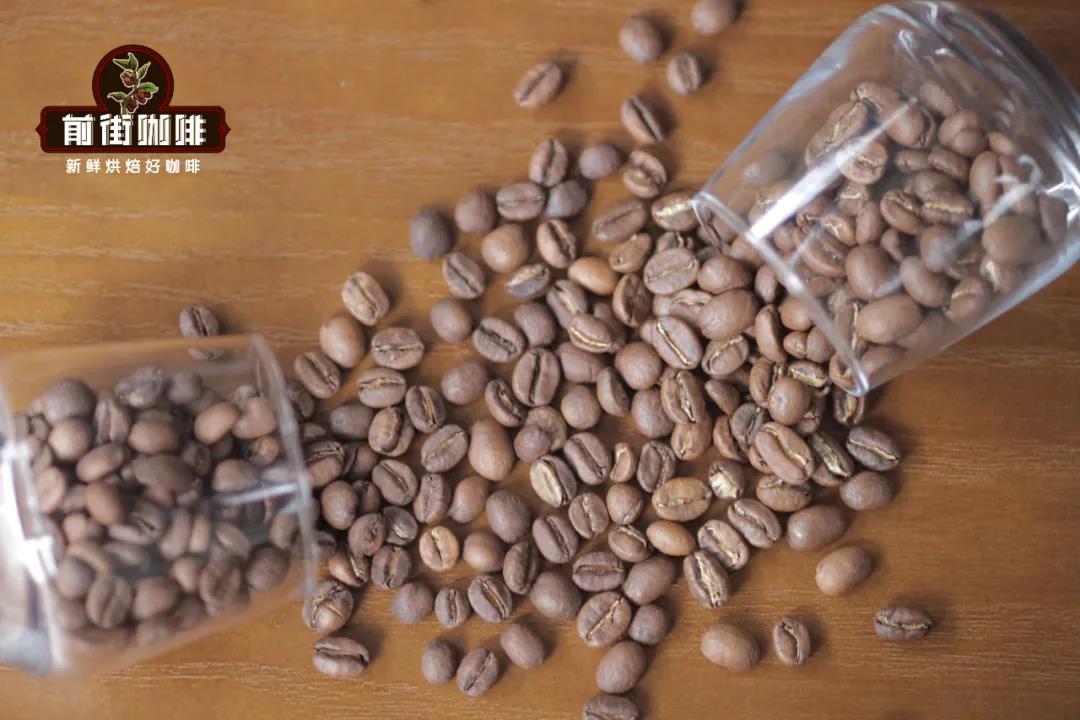
The Yirgacheffe growing region is in Ethiopia. Originally a sub-region within Sidamo, its coffee stands out with bright, delicate flavors that separate it from other coffees in Sidamo. Because the profile was so distinctive, farmers took pride in having their beans recognized as Yirgacheffe, which led to it being established as an independent region, now the most renowned Yirgacheffe coffee area.
Understanding Yirgacheffe Regional Flavors
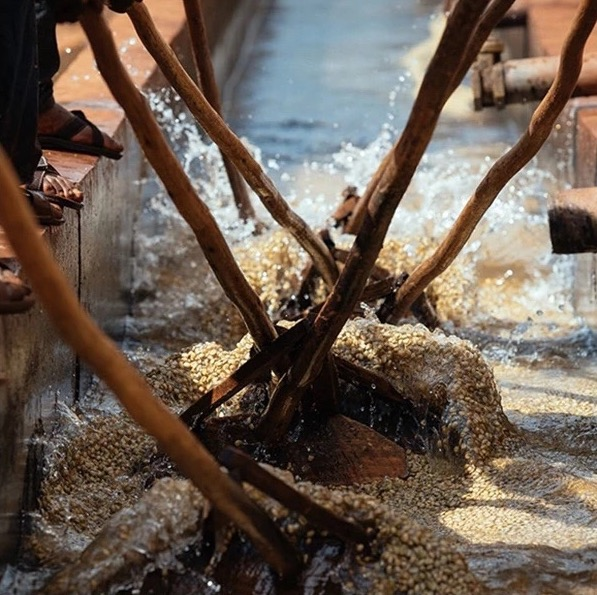
The Yirgacheffe region originally used the traditional natural drying method. Because the techniques of the time were dated, beans were dried directly on the ground and picked up earthy flavors in the process, giving inconsistent quality. To improve quality, the Ethiopian government introduced the washed processing method from Central and South America in 1972. That lifted the flavors of Yirgacheffe beans and let their best characteristics express themselves fully. Washed processing allows these Yirgacheffe beans to show citrus notes and jasmine aromatics, which is what captivates so many coffee lovers.
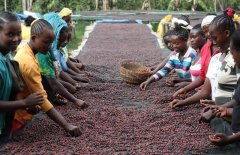
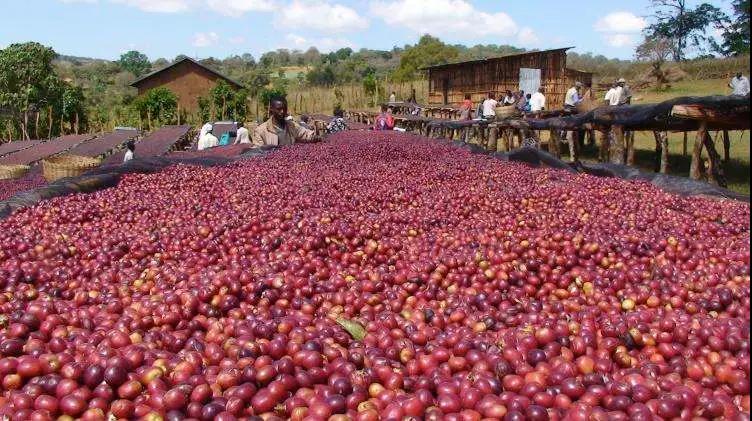
Washed Yirgacheffe beans proved so exceptional that farmers in the region sent their beans exclusively for washed processing, seeming to forget the traditional natural drying methods passed down from their ancestors. One coffee trader, nostalgic for the flavors of natural Yirgacheffe, upgraded the drying equipment to African raised beds. This method allows air to circulate both above and below the fruit while preventing the direct contact with the ground that imparts earthy flavors, and regular turning ensures even drying. In 2006, they launched "Idido Natural Specialty Coffee," which made a stunning debut and won numerous awards. The refined natural method gives these Yirgacheffe beans fermented fruit notes and pronounced sweetness.
How to Brew Yirgacheffe for the Best Taste
Both processing methods have their own advantages. Washed Yirgacheffe gives a fresh, clean profile with bright acidity, while the natural version delivers juicy sweetness. Each therefore needs a different brewing approach to highlight the bright, elevated acidity of washed beans and the full, rich sweetness of natural ones.
Brewing Washed Yirgacheffe
For this demonstration we use medium-light roast Yirgacheffe beans from the Buku Abdella cooperative, washed process. During cupping the dry aroma presents fresh citrus and white floral notes. Slurped at different temperatures, bright citrus tones, honey, and a clean mouthfeel emerge, intertwined with floral and tea-like qualities.
FrontStreet Coffee recommends a medium-fine grind size (78% pass-through on a China standard 20-mesh sieve). Too coarse and you will not extract the body properly, leaving the coffee thin. Too fine and you risk over-extraction at high water temperatures, which brings out bitterness.
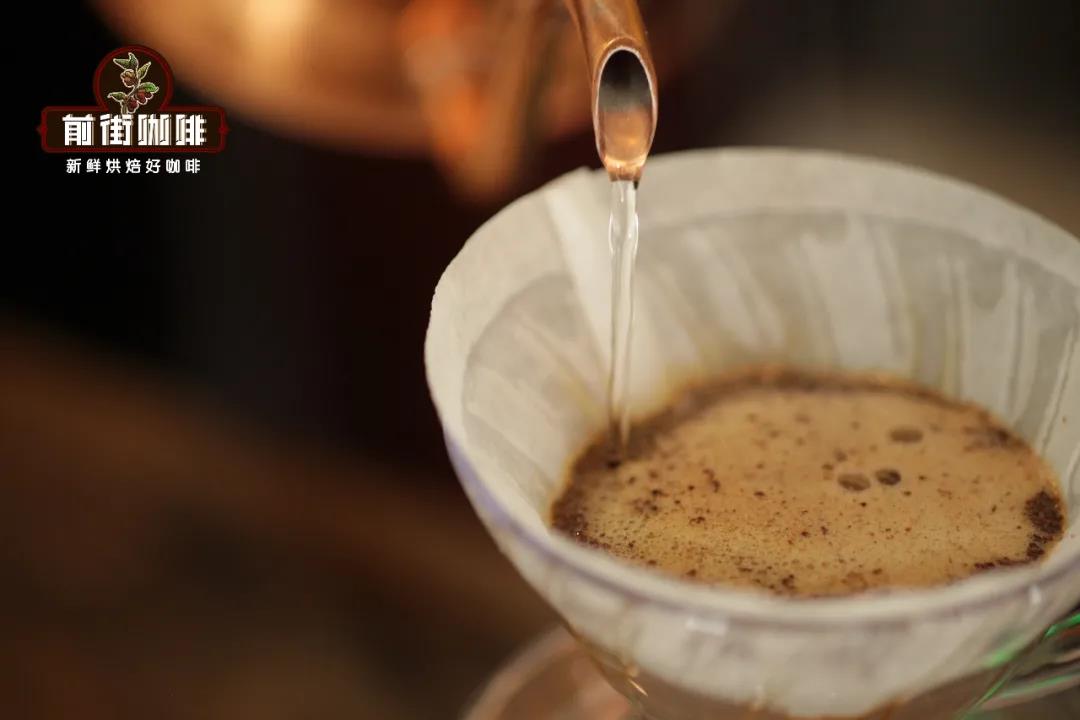
To highlight the fresh, captivating aromas of washed Yirgacheffe, we use the V60 dripper. Its spiral rib design lets the grounds degas better, maximizing the release and dissolution of acidic aromatic compounds.
During cupping, this bean showed different flavors at different temperatures, so we use a three-stage extraction, letting different flavor compounds express themselves as the coffee bed gradually heats up.
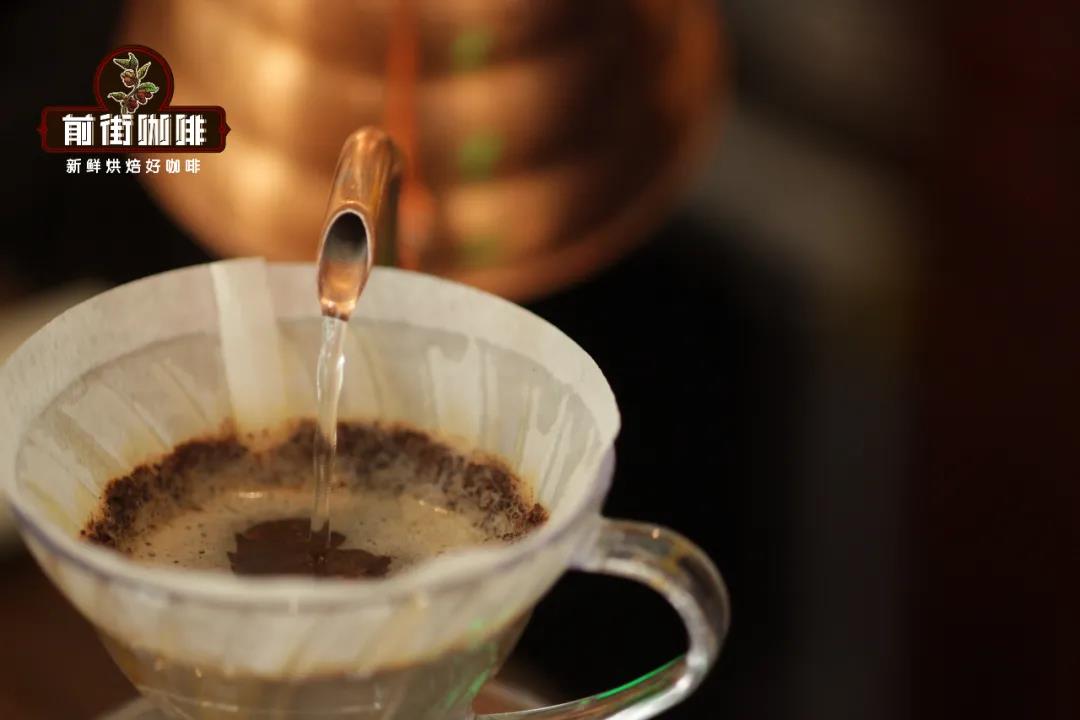
On brewing temperature, there are two approaches. For bright, elevated acidity with a tea-like finish, brew at 90-91°C. For fuller acidity and more body, use 92-93°C.
On ratio, washed Yirgacheffe has relatively fresh flavors. To better appreciate the floral notes and honey sweetness, a 1:16 ratio slightly reduces overall acidity and lets the lighter flavors come forward.
Brewing Natural Processed Yirgacheffe
For this demonstration we use medium-light roast natural processed red cherries from the Aletaland cooperative. During cupping the dry aroma presents rich berry sweetness. Slurped at different temperatures, soft berry acidity, fermented ripe fruit, distinct honey sweetness, and black tea notes emerge, with a smooth mouthfeel.
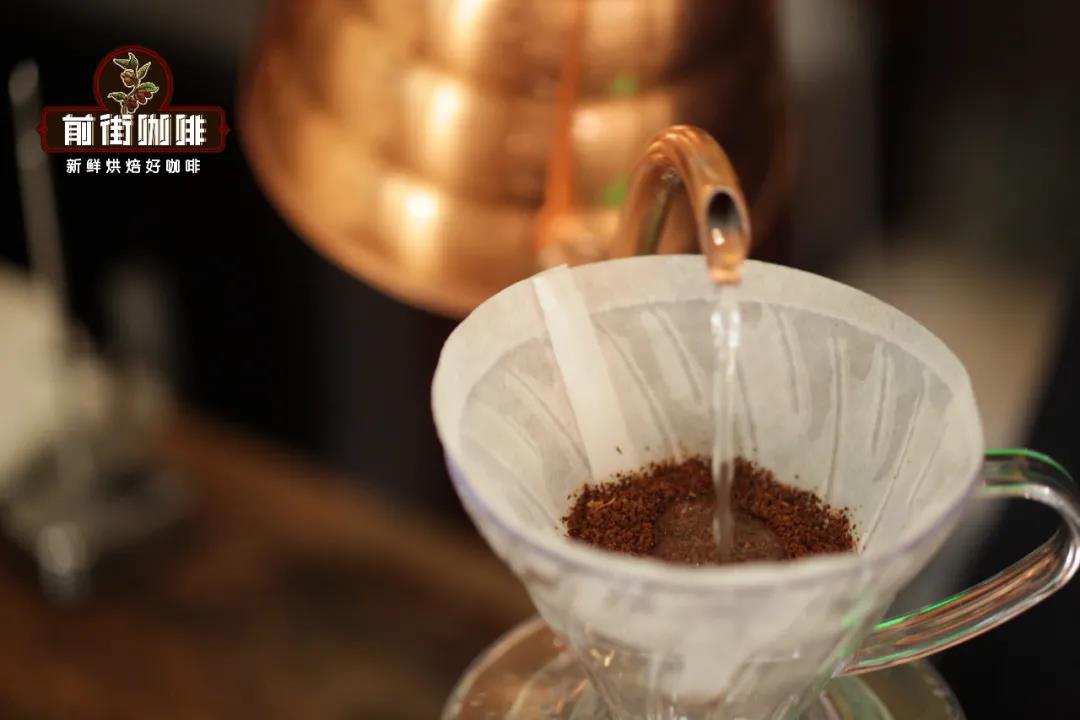
For grind size and equipment we stay with a medium-fine grind (80% pass-through on a China standard 20-mesh sieve) and the V60 dripper. Another feature of the V60 is its 60-degree angle, which extends the contact time between water and coffee and ensures thorough extraction of acidic and sweet compounds.
During cupping, this bean offered a full-bodied experience with pronounced juiciness and sweetness, so we use a center-pour extraction, letting the coffee bed extract acidic and sweet compounds evenly at a stable temperature.
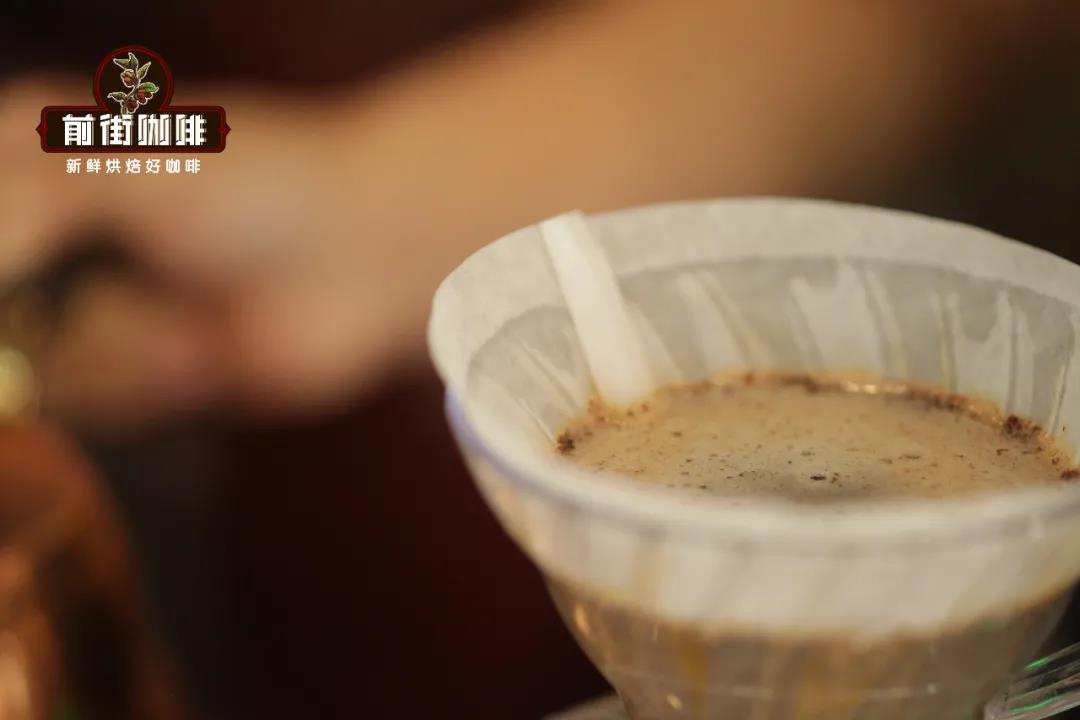
On brewing temperature, to highlight the sweetness and full juicy character of natural Yirgacheffe, we brew at 91-92°C to build overall body.
On ratio, natural Yirgacheffe has relatively full flavors. To achieve a richer, smoother juiciness, a 1:15 ratio concentrates all the acidic and sweet compounds.
FrontStreet Coffee Recommendation
For a first look at the region, the most classic starting point is FrontStreet Washed Yirgacheffe, a staple bean known for white jasmine, bright citrus and lemon acidity, and a tea-like body. At an approachable price, it is the coffee most people try first when they enter specialty coffee. Yirgacheffe is a town in Ethiopia's Sidama zone, at roughly 1700-2100 meters, with the trees planted above 1800 meters, making it one of the highest coffee regions in the world; the area was long marshy ground, and the name became shorthand for the distinctive white florals and lemon-citrus acidity of Ethiopian specialty coffee. In 2010, once Yirgacheffe's fame had grown so large, the Ethiopia Commodity Exchange finally separated it from the Sidama region, creating the Yirgacheffe everyone knows today.
Yirgacheffe town actually breaks down into many small areas and villages, and several of them have cooperatives with mature processing know-how whose coffee is a step above. The best-known is FrontStreet Washed Gudingding Cooperative, in the Woka area at Yirgacheffe's southeastern edge. It was originally part of the Woka cooperative under the Yirgacheffe Coffee Farmers' Cooperative Union, and as demand for traceability grew it was excavated as a single-origin lot by coffee hunters worldwide. It follows the most traditional washed processing, and the result carries none of the conventional bitterness, instead bringing fresh, bright citrus and lemon acidity with jasmine fragrance.
For the natural side, FrontStreet Natural Red Cherry uses whole red cherry natural processing, picking only fully ripe, sound fruit. After a first round of sorting at the processing station, the cherries go straight onto raised beds to dry, and in the first few days they are turned every 2-3 hours to prevent uneven heat and over-fermentation. After three to five weeks of drying, workers remove the outer fruit with a machine, weather and temperature permitting, and move the beans to storage. Because the fruit dries around the bean, the coffee keeps the classic Yirgacheffe character while gaining tropical fruit aroma from the natural process: citrus acidity, berry juice, honey sweetness, and a creamy smoothness.
For brewing, FrontStreet suggests a V60 at 90-91°C with 15g of coffee and a 1:15 ratio, grinding to about fine-sugar texture (EK43s setting 10, or 80% pass-through on a #20 sieve). Pour in three stages: start the timer and add 30g of water for a 30-second bloom, then pour 95g (about 125g on the scale), finishing at around 1 minute; when the water drops to two-thirds of the bed, add the remaining 100g (about 225g on the scale), finishing at around 1 minute 35 seconds. The drawdown completes at 2:00-2:10; remove the dripper and the brew is done.
Important Notice :
FrontStreet Coffee is a long-established specialty coffee roaster in Guangzhou China, selling freshly roasted beans from its own farm in Yunnan as well as dozens of carefully selected single-origin beans from around the world for both pour-over and espresso. The products deliver consistently excellent quality and great value, with shipping within 24 hours. Guangzhou's FrontStreet Coffee shop is recommended by many coffee lovers, and the beans are now available online at the Tmall 。
FrontStreet Coffee has moved to a new address:
FrontStreet Coffee Address: 315,Donghua East Road,GuangZhou
Tel:020 38364473
 Scan and follow the En Gafei WeChat official account. Please indicate that the reprint comes from "En Gafei".