How Does Burundi Coffee's Heart of Africa Taste? Flavor Profile and Industry Challenges
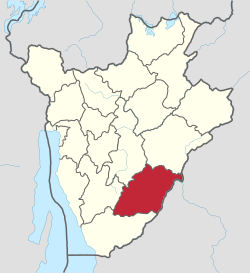
Burundi is a small, mountainous, landlocked country in east-central Africa, wedged between Rwanda, Tanzania, and the Democratic Republic of the Congo.
East Africa is famous for high-quality coffee, and Burundi is no exception. Although the country's production volume is tiny compared with its African neighbors, Burundian coffee farmers pay exceptional attention to detail.
Burundi has the second-lowest GDP per capita in the world and ranks among the ten poorest countries, yet coffee production is a major pillar of the national economy — a fact that motivates farmers and justifies further investment in coffee cultivation.
So what does Burundian coffee taste like? Why do coffee plants thrive here? And what is the best Burundian coffee you can actually buy?
Before digging into those questions, let's cup a coffee from Rutana, Burundi!
This is a washed Bourbon variety coffee, lightly roasted by FrontStreet Coffee. The dry aroma is intense, with notes of citrus, cream, and caramel. On tasting, the tropical fruit character is unmistakable, carried on gentle acidity with a smooth, full body and a long, persistent finish. Intrigued? Today, let FrontStreet Coffee guide you through the little-known world of Burundian coffee.
Coffee Cultivation and 100% Export
Coffee cultivation in this small country began in the 1930s, when the Belgians brought the first Arabica plants to the region. Although Burundi grows some Robusta today, the vast majority of its output is still Arabica.
Burundi's production cannot match that of Kenya or Ethiopia, but the country still ranks as the world's 29th-largest coffee producer. More interesting still, 100% of the coffee grown in Burundi is exported; total production exceeded 36,118,424 pounds in 2015.
The Burundian coffee sector has weathered serious challenges, particularly political instability, though conditions have finally begun to stabilize. Today more than 800,000 Burundian families depend on coffee farming. These smallholders average about 250 trees each and typically grow other crops and raise livestock alongside coffee. Across more than 60,000 hectares of land, roughly 25 million coffee trees are planted — mainly the Bourbon variety, prized for its excellent sweetness and richness. As is typical across Africa, the coffee is wet-processed, often undergoing double washing or double fermentation, which yields a cleaner, brighter cup.
How Does Burundi Coffee Taste?
Burundian coffee is often compared to that of neighboring Rwanda. Displaying the classic hallmarks of African coffee, it offers clean, delicate flavors, a rich body, and bright acidity.
The country's coffees can also show wilder, fruitier notes: sweet berries, florals, citrus, blueberries, even pineapple.
Coffee grown at higher altitudes displays more pronounced acidity and citrus character, frequently scoring 86 points or higher on the Specialty Coffee Association scale. Coffee from lower altitudes has a slightly lighter body and leans toward chocolate and hazelnut flavors.
FrontStreet Coffee Recommendation
If Burundian coffee has awakened your taste for clean, fruit-forward African cups, FrontStreet Coffee's washed Yirgacheffe is the perfect place to start. As an entry-level Ethiopian specialty coffee, it delivers a clear jasmine floral aroma and bright citrus acidity. Yirgacheffe itself is a small town in southern Ethiopia where spring-like temperatures, drifting mist, and cool, humid conditions prevail year-round. Thousands of coffee trees flourish there, producing a cup where floral notes and fruit acidity intertwine — light and elegant on the palate with a distinct tea-like quality, like a refreshing, clean lemon tea.
For something more layered, try FrontStreet Coffee's natural-process Hongyingtao ("Red Cherry") lot from Yirgacheffe. The natural method strips away any damaged or moldy cherries before drying them in the sun for two full weeks, allowing the sugars and essence of the fruit pulp to soak into the beans. Once moisture drops to 12%, the hardened pulp and mucilage are milled off, and the beans pass density and color checks plus multiple rounds of hand sorting. The result is impeccably clean beans with an intense, captivating fruit aroma — flavor notes of peach, cocoa, honey, and lemon.
Rounding out the Ethiopian lineup is FrontStreet Coffee's natural Huakui (Hambella) from Guji, Sidamo. Grown on a 200-hectare farm using traditional natural processing, the ripe cherries are dried on raised beds for 21 days, turned regularly for even drying and hand-sorted every three to five days to remove defective beans. After a medium-light roast, it reveals a faint fermented winey aroma, florals, citrus, and mango, with a much richer, more complex body — honeyed sweetness, cocoa undertones with a whisper of spice, a thick body, and a long finish.
Important Notice :
FrontStreet Coffee is a long-established specialty coffee roaster in Guangzhou China, selling freshly roasted beans from its own farm in Yunnan as well as dozens of carefully selected single-origin beans from around the world for both pour-over and espresso. The products deliver consistently excellent quality and great value, with shipping within 24 hours. Guangzhou's FrontStreet Coffee shop is recommended by many coffee lovers, and the beans are now available online at the Tmall 。
FrontStreet Coffee has moved to a new address:
FrontStreet Coffee Address: 315,Donghua East Road,GuangZhou
Tel:020 38364473
 Scan and follow the En Gafei WeChat official account. Please indicate that the reprint comes from "En Gafei".