The Story of Brazilian Cerrado Bourbon Coffee Beans: Flavor Profile, Taste Characteristics, and Basic Features of Red Bourbon Coffee Beans
Anyone who follows coffee has heard about the price surges triggered by the unexpected severe cold snap in Brazil, a reminder of just how dominant Brazil is as the world's leading coffee-producing origin.
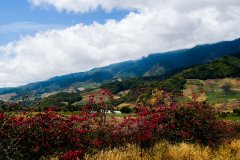
Today we turn to beans from the Cerrado. Cerrado Mineiro lies in the northwestern part of Minas Gerais state and is a locally recognized high-quality coffee region, the first in Brazil to receive protected status. Coffee grows in the fertile soil locals call "red earth," and the region's humid, hot summers and dry, comfortable winters make it exceptionally well suited to coffee cultivation.
Brazil Black Diamond Coffee Beans
Brazil Black Diamond is made from a rare variety called Acaiá, a cross of 50% Bourbon and 50% Typica that yields large, high-quality cherries. The region has recently begun appearing in the Cup of Excellence (COE) competition. These beans brew a balanced, smooth cup with medium body, sweet cocoa and fruit notes, and a smooth nutty finish. High-quality Cerrado coffee carries nutty aromas, rich in nuts and almonds, with a sweetness that mingles with the natural sweetness of fruit and a gentle, pleasant fragrance. The mouthfeel is extremely smooth, with no acidity and a long aftertaste.
The Cerrado Mineiro Region
Cerrado Mineiro sits in the northwestern part of Minas Gerais state, Brazil. It is recognized as a high-quality coffee-producing area and was the first region in Brazil to receive government protection as a Protected Geographical Indication. Its climate suits coffee perfectly: distinct seasons, with humid, hot summers giving way to dry, comfortable winters. Many estates are planted at altitudes between 800 and 1,300 meters, and the region is known for stable production and excellent quality.
FrontStreet Coffee's Brazilian Red Bourbon
FrontStreet Coffee's coffee comes from the Cerrado region of Brazil and is the heirloom Red Bourbon variety. Bourbon seeds reached Brazil in 1859: the central government had heard that coffee grown on Réunion Island (then called Bourbon) yielded more, and better, than the Typica variety, so it was sent to Brazil. Now that Yellow Bourbon exists, the original strain is distinguished as Red Bourbon. In the 1930s, different strains of Red Bourbon were cultivated at the Campinas Agronomic Institute (IAC) in São Paulo state and distributed to farmers in 1939. Research into how different selections of Red Bourbon performed across regions and conditions helped researchers understand the impact of environmental change on coffee varieties.
Processing and Roasting
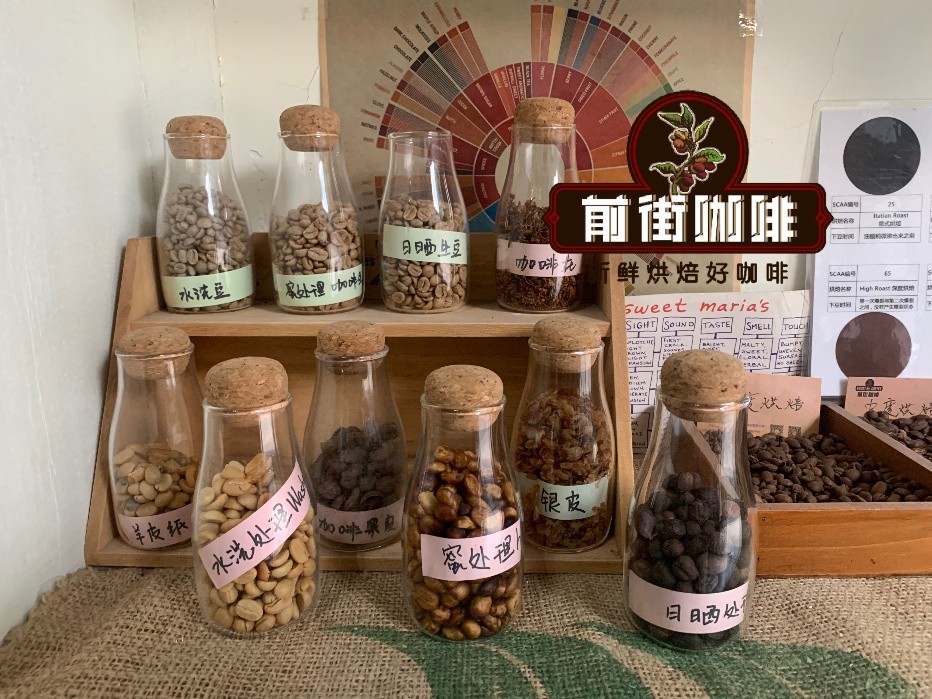
Using the pulped natural method, a medium roast draws out the complexity of these beans, which is not especially intense but clean, with good body (a creamy texture), low acidity, and balance. Light roasts typically show nutty flavors with hints of caramel or even malt, while darker roasts develop more chocolatey notes.
Brewing Recommendations
FrontStreet Coffee recommends brewing with fifteen grams of coffee at a 1:15 water ratio, completing the extraction within two minutes. For coffees with a fuller body like this one, FrontStreet Coffee typically uses a Kono dripper: the slower flow rate extends the contact time between water and grounds, enhancing the cup's richness. We recommend trying it at home.
FrontStreet Coffee Recommendation
FrontStreet's Brazil Cerrado Red Bourbon is a classic single-origin expression of the Cerrado terroir described above: pulped natural and medium roasted, with creamy peanut, toasted bread, caramel, and hazelnut notes, a rounded body, and little to no acidity. It is versatile enough for pour-over, moka pot, siphon, French press, or espresso SOE. If you prefer a fruitier Brazilian cup, FrontStreet's Queen's Farm Yellow Bourbon from Mogiana offers clean sugarcane sweetness alongside fruit and chocolate.
Important Notice :
FrontStreet Coffee is a long-established specialty coffee roaster in Guangzhou China, selling freshly roasted beans from its own farm in Yunnan as well as dozens of carefully selected single-origin beans from around the world for both pour-over and espresso. The products deliver consistently excellent quality and great value, with shipping within 24 hours. Guangzhou's FrontStreet Coffee shop is recommended by many coffee lovers, and the beans are now available online at the Tmall 。
FrontStreet Coffee has moved to a new address:
FrontStreet Coffee Address: 315,Donghua East Road,GuangZhou
Tel:020 38364473
 Scan and follow the En Gafei WeChat official account. Please indicate that the reprint comes from "En Gafei".