What is the Relationship Between Pour-Over Coffee Concentration and Extraction Rate? Solutions for Overly Concentrated Pour-Over Coffee
Introduction
Today's pour-over coffee is mostly made from lightly roasted single-origin beans with floral and fruity notes. Sometimes, after brewing a cup of aromatic coffee that smells delightful, you taste it and find the flavor unclear and hard to distinguish, an uncomfortable sensory experience. Yet after adding 10-20ml of water, the flavors suddenly become clear and well defined.
Bitterness from High Concentration Is Not Necessarily Over-Extraction
Beginners tend to equate uncomfortable bitterness in coffee directly with over-extraction, but that isn't quite right. First, let's understand what extraction rate and concentration represent.
Extraction rate refers to the proportion of substances extracted from the coffee beans. About 30% of a coffee bean's components are water-soluble, and an extraction rate of 18-22% is considered reasonable. Rates above 22% carry the risk of over-extraction.
Concentration generally refers to the amount of dissolved substances in the coffee liquid. Pour-over concentration is not typically high, usually staying below 2%.
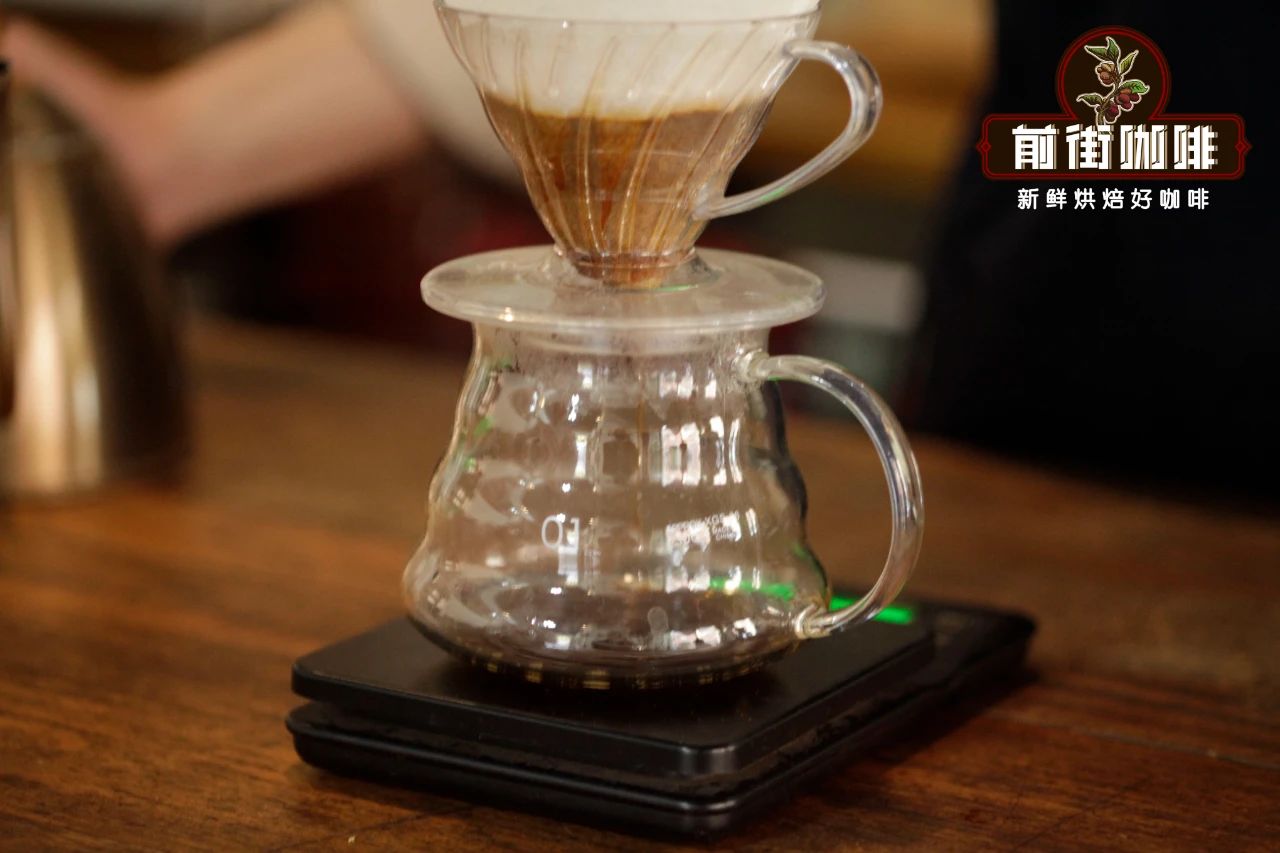
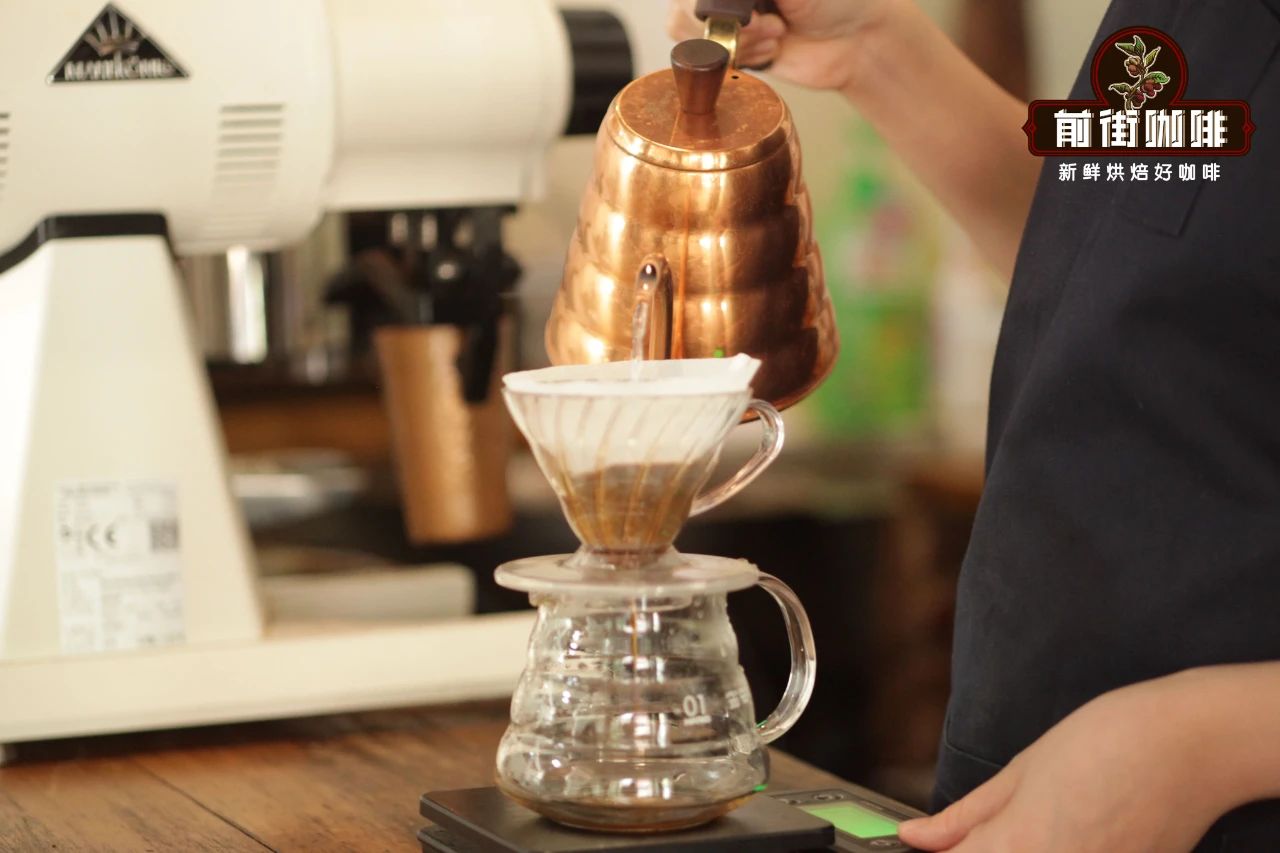
The two are linked through water: how much water we use during brewing to draw "how many substances" out of the grounds. "How much water" is what we usually call the brew ratio, while the coffee substance the water extracts, as a share of the total liquid, is the coffee concentration.
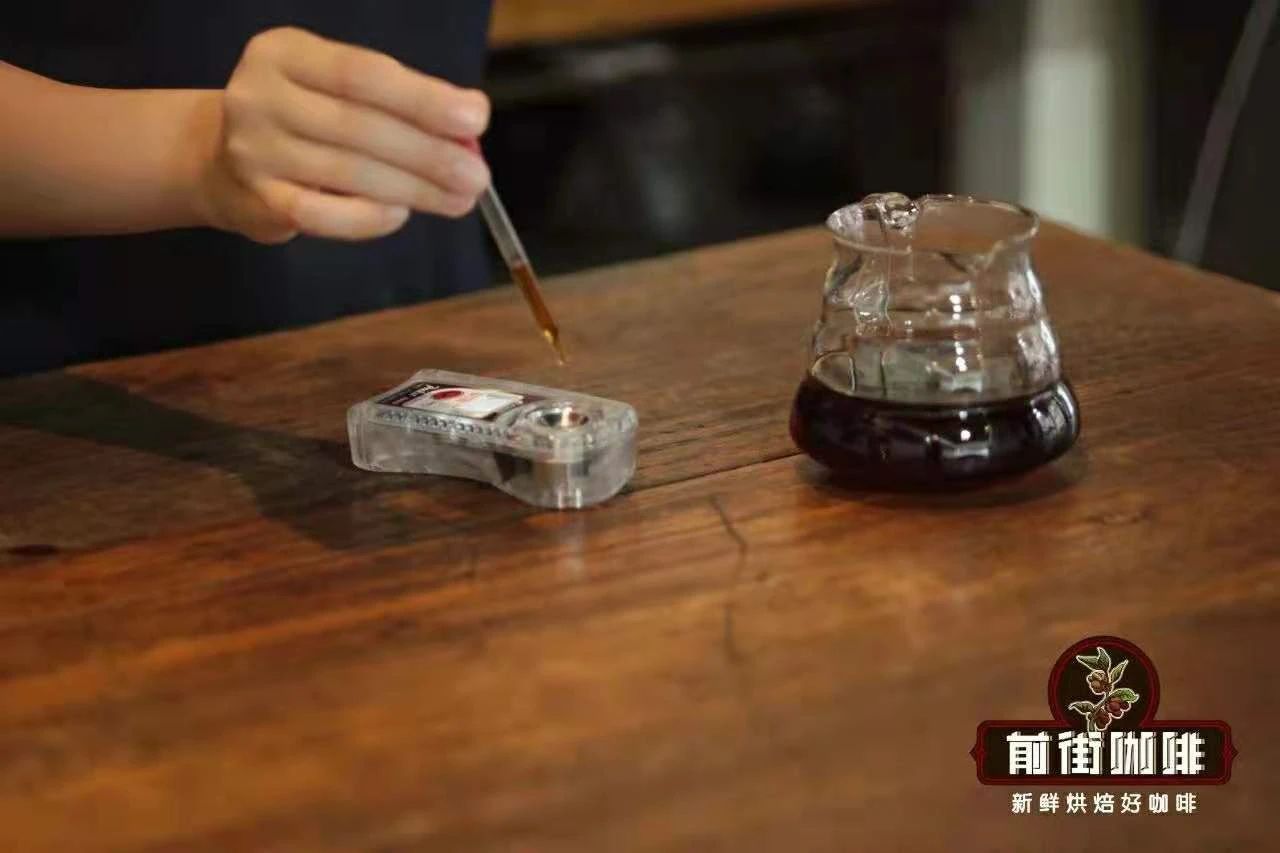
In a brewing experiment FrontStreet Coffee ran, we brewed Ethiopian Gedeb beans at a 1:15 ratio. The concentration measured 1.49%, and the calculated extraction rate was 19.66%, inside the 18-22% range and at the lower end of it, entirely within a reasonable extraction window. Yet on tasting, the flavor was unclear with a slight bitterness. We then added 20ml of purified water and stirred it in evenly. The concentration measured 1.22%, and on retasting the bitterness was noticeably relieved while the berry acidity, honey sweetness, and fermented notes became clearly distinguishable, lifting the whole experience on the palate.
Why Does This Happen?
First, human sensory perception is complex and selective about flavors, just as we can't resist sugar but would never eat plain white sugar straight, because its purity is too high and the sweetness overwhelming. The same goes for fruit juice concentrate: drinking it straight feels uncomfortable, but diluted with water it becomes pleasant and delicious.
Coffee's flavors are complex, combining sour, sweet, and bitter notes. If the concentration is too high, the flavor compounds become too concentrated, making it hard for the taste buds to distinguish them clearly, while also bringing astringency and excessive bitterness. Adding water doesn't change the total substances in the coffee liquid; it only increases the space between molecules, making it easier for the taste buds to identify the other flavors.
The Trend Towards Lower Concentration Coffee
For the dark-roast pour-over coffee that was popular before, people preferred the rich mouthfeel of high concentration (though mouthfeel and concentration aren't strongly or directly linked, in practice mellow coffees do tend to have high concentrations). Today's light-roast pour-over coffee, by contrast, uses higher brew ratios to express the coffee's flavors, with more people leaning toward 1:16 or even higher, presenting a cup that is light yet rich in flavor.
FrontStreet Coffee Recommendation
The Gedeb beans in that experiment are exactly the kind of light-roast, floral-fruity Ethiopian single-origin that shows the concentration effect described above. The FrontStreet Gudina Cooperative coffee is a fine example: Gudina sits on the southeastern edge of Yirgacheffe in the Worka area and began as part of the Worka Cooperative under the Yirgacheffe Coffee Farmers' Cooperative Union (YCFCU); as demand for traceability grew, it became an independent single-origin in its own right. Because the pulp is stripped before drying, its inherent aromatics come through more clearly, showing citrus and lemon notes alongside elegant white florals, with a bright, delicate overall profile.
For a slightly brighter, more classic expression, the FrontStreet Washed Yirgacheffe shows clear jasmine florals and bright citrus acidity, the signature people describe as the flavor of Yirgacheffe, a small town in southern Ethiopia where spring-like weather, drifting mist, and cool damp air have let thousands of coffee trees thrive. The cup is light and elegant, weaving floral and fruity acidity into a tea-like body, and drinks like a clean, refreshing glass of lemon tea.
And if you want to taste the contrast even more plainly, the FrontStreet Kaffa Forest is worth brewing. Unlike the backyard garden model, Kaffa Forest represents wild coffee, with trees growing under shade at 1,400-2,100 meters where a pristine environment, microclimates, red soil, and abundant rainfall give them excellent conditions. Medium-light roasted, its ground aroma shows distinct white florals, the entry brings bright lemon acidity with sweet orange and bergamot, and the finish carries a faint melon and nuttiness against a green-tea-like body.
Important Notice :
FrontStreet Coffee is a long-established specialty coffee roaster in Guangzhou China, selling freshly roasted beans from its own farm in Yunnan as well as dozens of carefully selected single-origin beans from around the world for both pour-over and espresso. The products deliver consistently excellent quality and great value, with shipping within 24 hours. Guangzhou's FrontStreet Coffee shop is recommended by many coffee lovers, and the beans are now available online at the Tmall 。
FrontStreet Coffee has moved to a new address:
FrontStreet Coffee Address: 315,Donghua East Road,GuangZhou
Tel:020 38364473
 Scan and follow the En Gafei WeChat official account. Please indicate that the reprint comes from "En Gafei".