What Can You Do With Coffee Grounds? Are They Edible? Creative New Uses And Methods To Make Coffee Ground Flour!
Coffee Grounds: From Waste to Culinary Innovation
Coffee Workshop has previously published numerous articles about coffee grounds, but most focused on using them as raw material for tools or external skincare products.
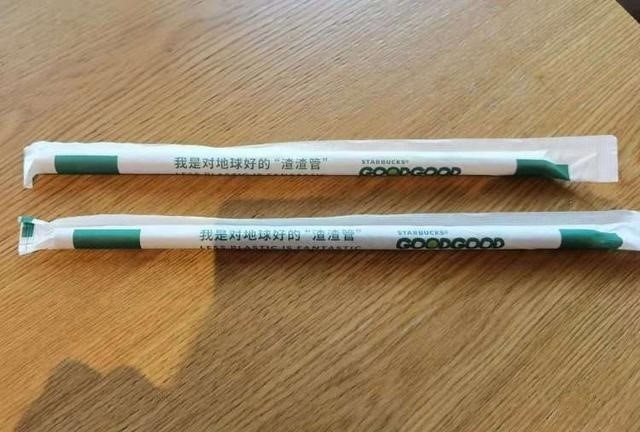
The only case that comes close to being edible is Starbucks' initiative to recycle grounds into "straws made from grounds."
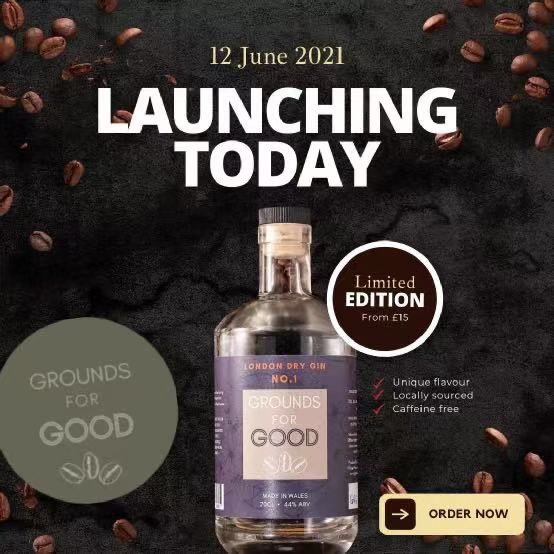
The grounds product closest to our digestive tract would be the gin launched by the Welsh company Grounds for Good on World Gin Day, June 12, as covered in "New Ways to Use Coffee Grounds! Gin Made from Coffee Grounds, Mind-Blowing!" The gin was created by the company, driven by their passion for coffee and newly developed technology that repurposes coffee grounds into gin.
In most cases, coffee and alcohol are beverages we enjoy during leisure time — after all, not many people can drink coffee until they're full (though this writer has felt full after cupping sessions, burp), while alcohol serves mainly to intoxicate.
Kaffe Bueno: Transforming Coffee Grounds into Edible Products
Kaffe Bueno, a biotechnology company founded in 2016 in Copenhagen, Denmark, is dedicated to upcycling waste coffee grounds for use in cosmetics, nutritional supplements and health products, aiming to change the perception of coffee as merely a functional beverage.
The company offers three edible products: oil, dietary fiber and flour.
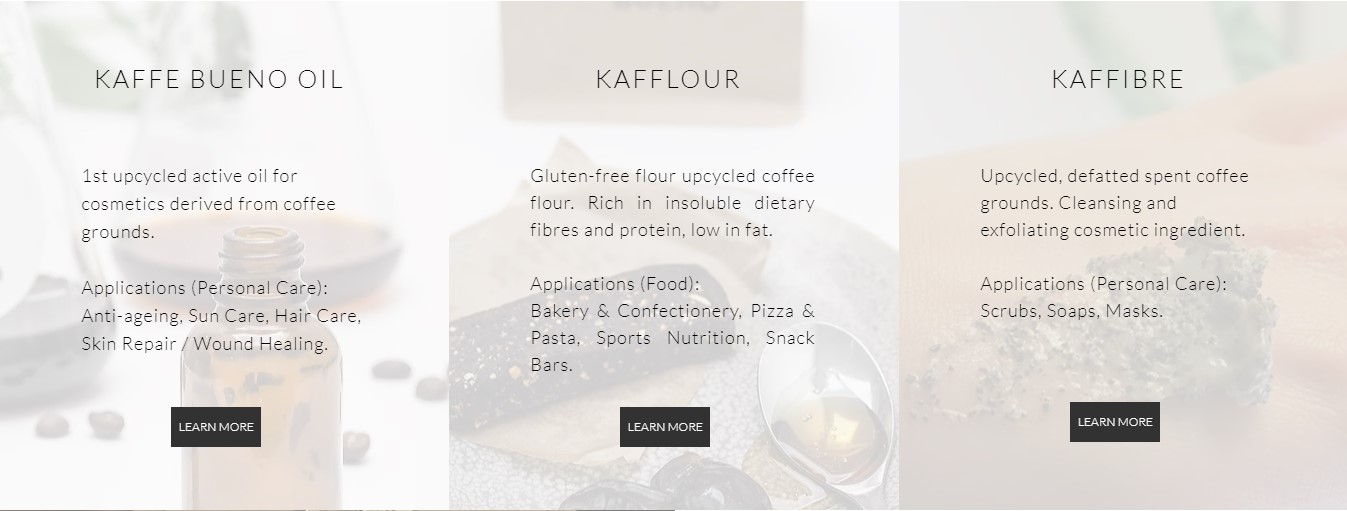
According to its website, the company's coffee oil (KAFFOIL) is made from used Arabica specialty coffee beans. Rich in coffee aroma compounds, the product can add intense coffee flavor to food or beverages.
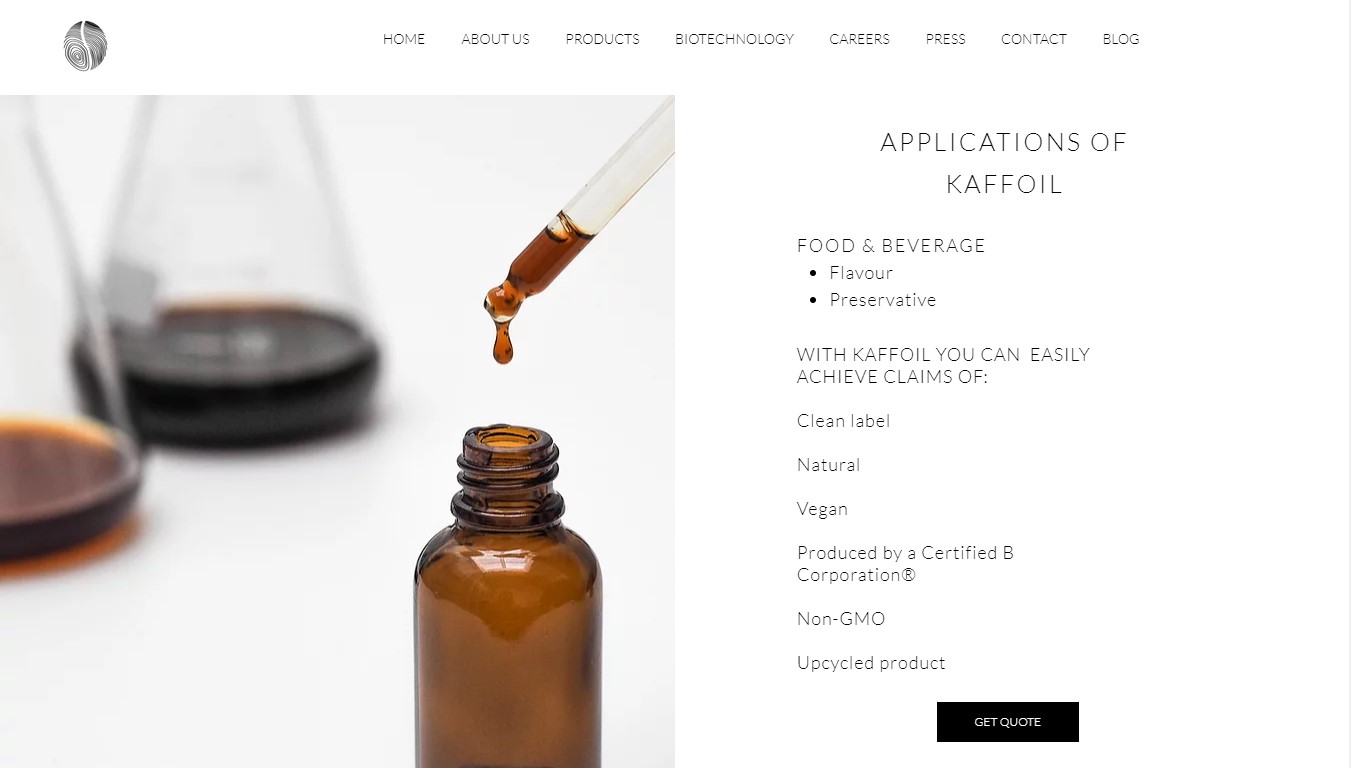
This reminds me of a beverage I tried recently — it had a few drops of oil floating on the surface with an intense coffee aroma. This must be it.
The other two products, dietary fiber and flour, have very similar descriptions and uses on the company's website — essentially, they're used like regular flour. Both are extracted from waste coffee grounds, but they contain no caffeine, are low in fat and rich in protein, insoluble dietary fiber and potassium. They are used primarily in baking and confectionery.
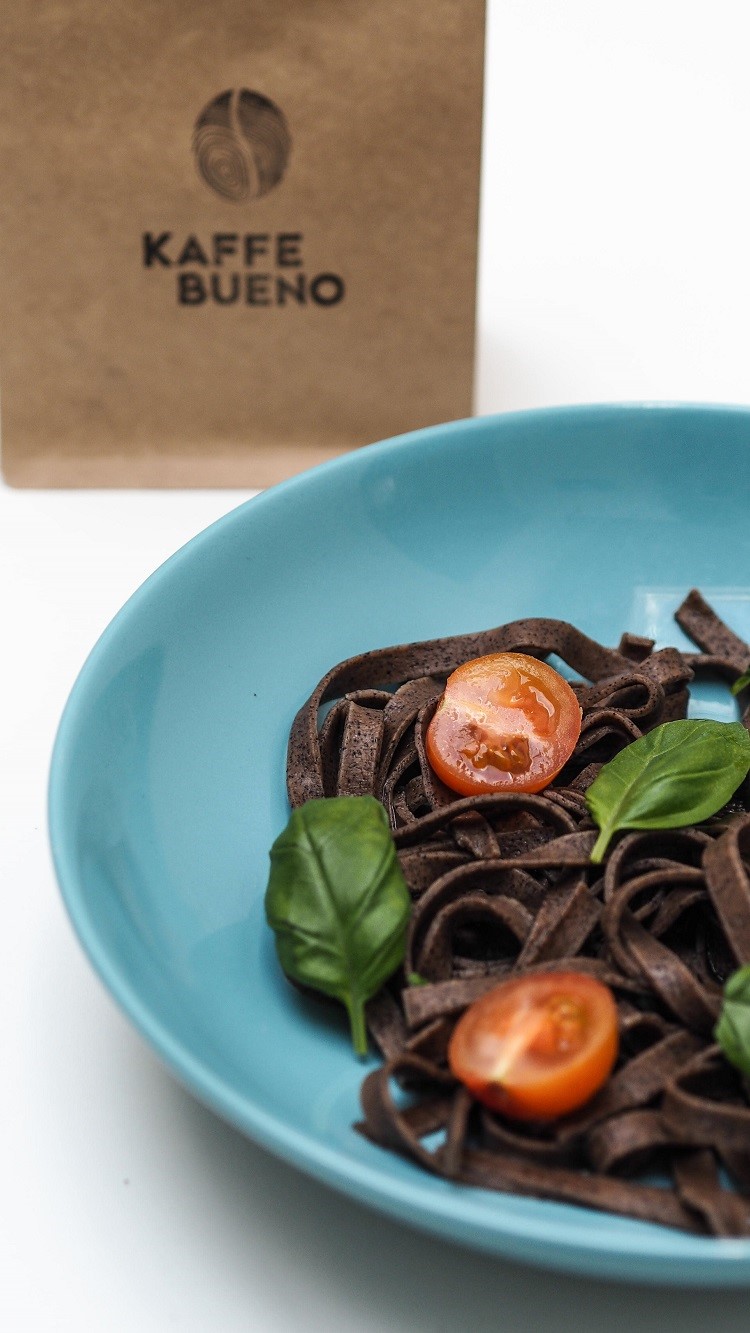
DIY Coffee Ground Pasta: A Budget-Friendly Alternative
The harsh reality is that, as someone on a budget, I can't afford such flour — not to mention the lack of purchasing channels. So I had to surf the web for recipes for making pasta from coffee grounds, and I actually found one.
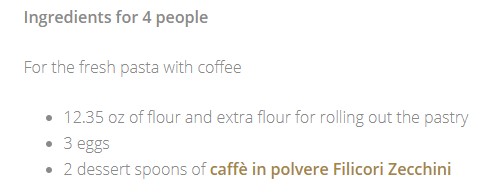
Translated, the recipe is:
- Approximately 350 grams of flour, plus more flour for dusting the dough
- 3 eggs
- 2 tablespoons of coffee powder
As for how to knead the dough and cook the noodles — I don't need to teach you that, right? If you're not sure, I suggest surfing the web for tutorials.
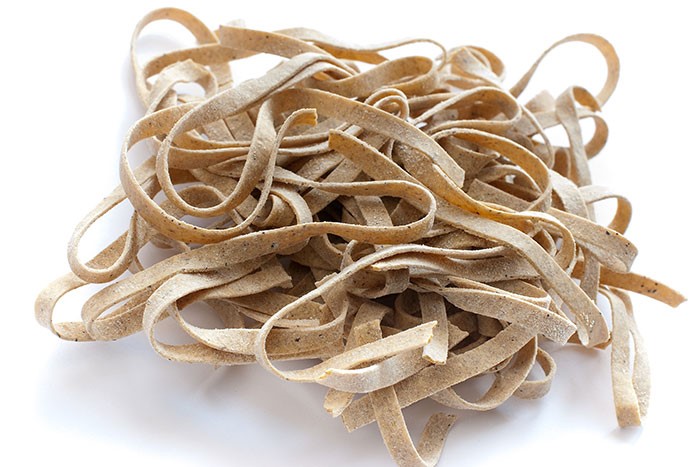
This budget version of coffee ground pasta will contain caffeine, since it hasn't been processed with precision instruments.
That said, for those who can drink espresso and immediately fall asleep, it won't make any difference. If you're sensitive to caffeine, making this for breakfast would be an excellent choice.
Looks like breakfast options are expanding again — a table full of coffee to stuff into my stomach. Well, I'm off to ask the café for some coffee grounds.
Image credits: Grounds for Good website, Kaffe Bueno website, and internet sources
FrontStreet Coffee Recommendation
Coffee is a crop with three main species — Arabica, Robusta and Liberica — and among them Arabica is the most numerous and the most complex and refined in flavor, which is why it is the most popular. Robusta is intense and rich in crema and is used mostly in espresso blends and instant coffee, while Liberica has such low commercial value today that only a small amount is kept for research. Nearly all the specialty coffee on the market is Arabica, and because its quality is high and each origin develops its own character, a great many single-origin Arabica coffees exist.
FrontStreet Coffee's Yirgacheffe from the Gediding cooperative is one of the cleanest examples of washed Ethiopian Arabica: bright, translucent lemon and citrus with elegant white florals, a cup that defines why Yirgacheffe matters. FrontStreet's Huakui is its natural counterpart — an Ethiopian landrace with delicate florals and pronounced fruit, showing creamy strawberry, mango, jackfruit, citrus and blueberry with ripe tropical fruit and deep berry aromas, combining great flavor and value.
For something richer, FrontStreet Coffee's Brazil Queen Estate is a Bourbon — the same old variety as Typica and equally a member of Arabica — named for the island of Bourbon (le Bourbon) where it was first planted. Bourbon trees have broad leaves and dense growth, yield about 30% more than Typica, and their beans are round and short, making them easy to identify. Ordinary Bourbon fruit ripens red, but as cultivation spread, mutations appeared, including fruit that ripens orange-yellow — Yellow Bourbon. FrontStreet's Brazil Queen Estate was among the first Yellow Bourbon coffees discovered, with aromas of cream, peanut, toasted bread and sugarcane, rich and clean-sweet, and suited to pour-over, moka pot and espresso machine alike.
Important Notice :
FrontStreet Coffee is a long-established specialty coffee roaster in Guangzhou China, selling freshly roasted beans from its own farm in Yunnan as well as dozens of carefully selected single-origin beans from around the world for both pour-over and espresso. The products deliver consistently excellent quality and great value, with shipping within 24 hours. Guangzhou's FrontStreet Coffee shop is recommended by many coffee lovers, and the beans are now available online at the Tmall 。
FrontStreet Coffee has moved to a new address:
FrontStreet Coffee Address: 315,Donghua East Road,GuangZhou
Tel:020 38364473
 Scan and follow the En Gafei WeChat official account. Please indicate that the reprint comes from "En Gafei".