What Impact Does Coffee Bean Silverskin Have on Coffee Flavor? The Role of Coffee Silverskin
Introduction
Silver skin is the last protective membrane on a coffee bean. By the time green coffee is processed and released from storage, the parchment (endocarp) has been removed, leaving only a thin layer of silver skin wrapped around the bean.
Traces of silver skin also turn up in roasted coffee. Grind the beans and you will still see some white fragments - the silver skin that remains. So does it affect the flavour of the coffee?
Why Does Silver Skin Remain on Roasted Coffee Beans?
During roasting, the silver skin attached to the bean surface comes away. Some beans shed it almost completely, while others keep remnants lodged in the crevices, forming a "white line." This depends on how the coffee was processed.
Natural processed coffee retains a fairly complete silver skin in its green state, so during roasting it sheds in larger pieces (though a few fragments still remain). Washed processed coffee, by contrast, has an incomplete silver skin in the green state. During roasting it comes away in fragments, and some of the silver skin wedged in the crevices is hard to remove, leaving the "white line" seen on roasted beans. That means this feature of a roasted bean can also be used as a rough indicator of its processing method.
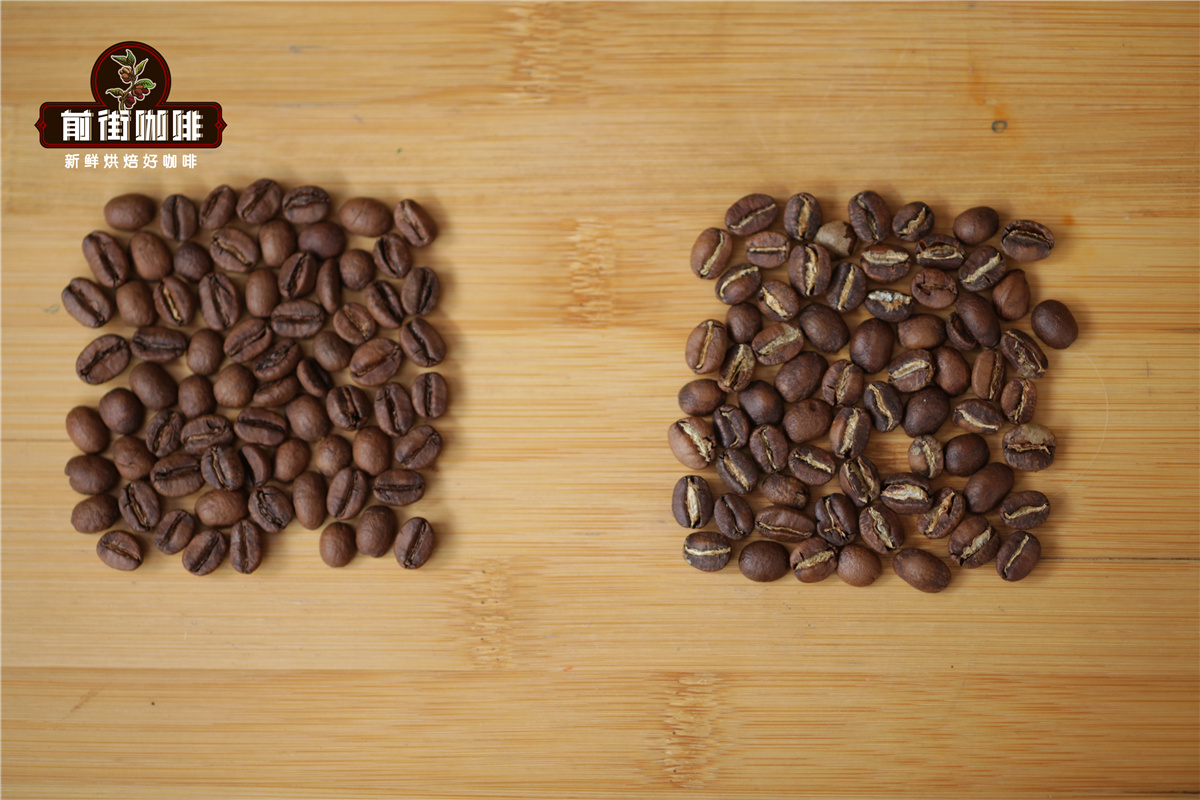
Left: natural processed beans. Right: washed processed beans.
Does Silver Skin Affect Coffee Flavor?
When daily brews with plenty of silver skin turn astringent and rough-textured, the silver skin is the usual suspect. To find out whether the remaining silver skin really affects flavour, FrontStreet Coffee ran two side-by-side experiments.
FrontStreet Coffee used washed Kenya Asilia for the test, because this lot retains an unusual amount of silver skin. One batch was ground normally, and in the other the obvious silver skin fragments were cleaned away after grinding for a direct comparison. The two samples were then assessed by cupping and by pour-over brewing, to compare the impact of silver skin on the coffee.
(Cupping isolates the effect of silver skin fragments while removing human variables. Pour-over shows what silver skin actually does to the coffee we brew day to day. Together the two methods give a fuller picture of the role of silver skin.)
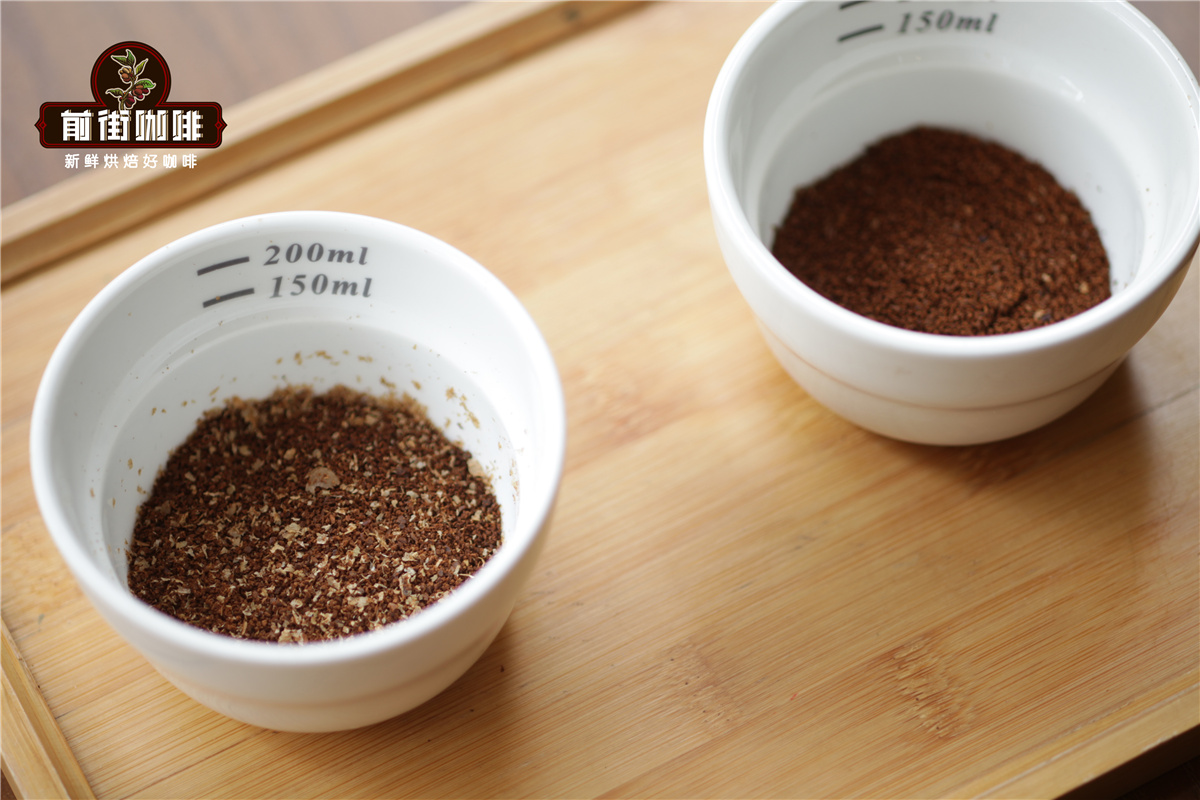
The comparison confirmed that washed processing leaves a considerable amount of silver skin fragments.
In the cupping feedback, the two cups performed identically at first - bright lemon acidity and small-tomato notes. As the steep time lengthened, the cup with silver skin picked up a faint ginkgo flavour and a rough, drying texture. By the medium-temperature stage the two cups differed clearly in texture.
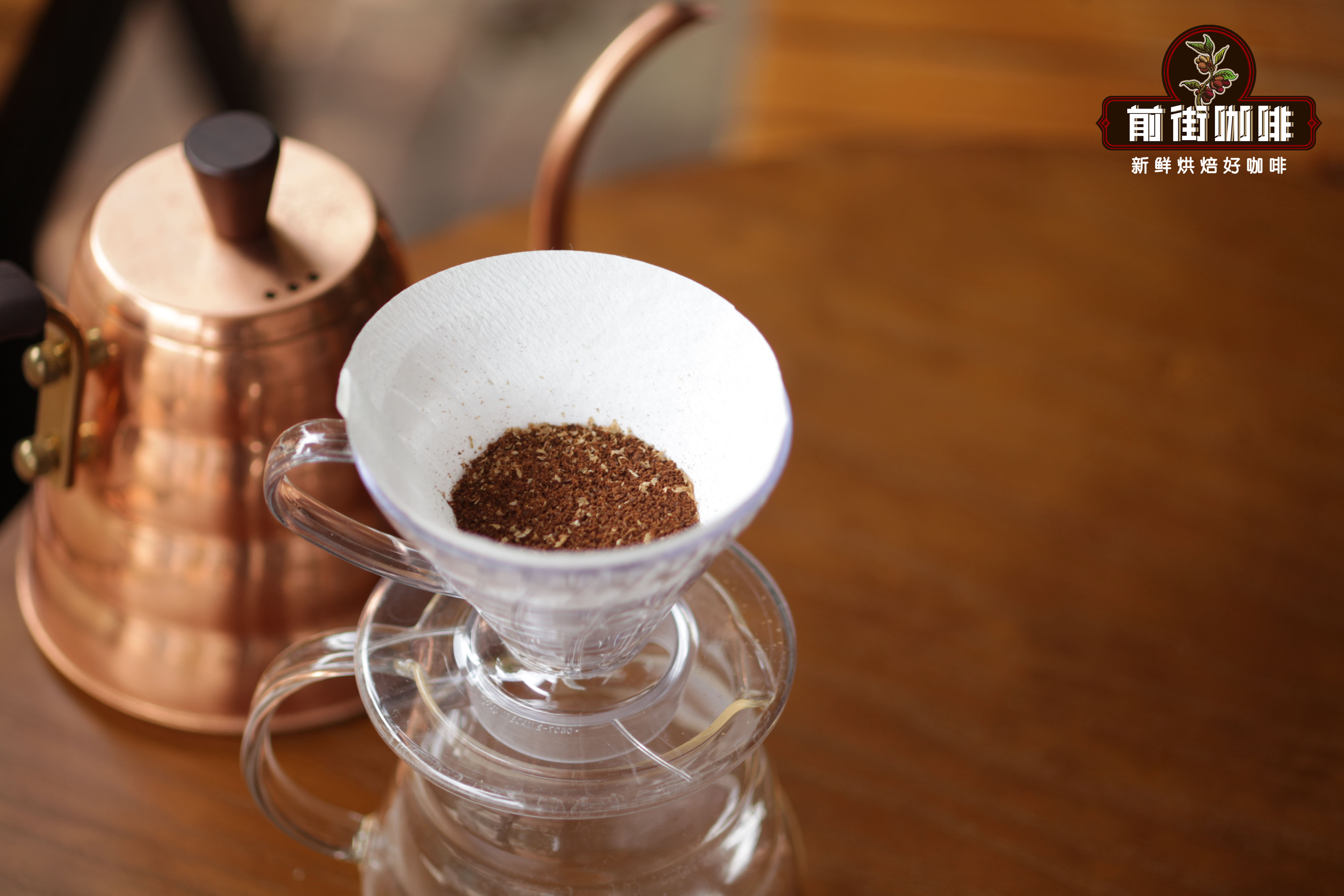
FrontStreet Coffee also brewed the same Kenya coffee with and without silver skin fragments by pour-over. After brewing, the coffee bed of the sample with silver skin was covered in fragments, while the sample without it showed relatively clean coffee grounds.
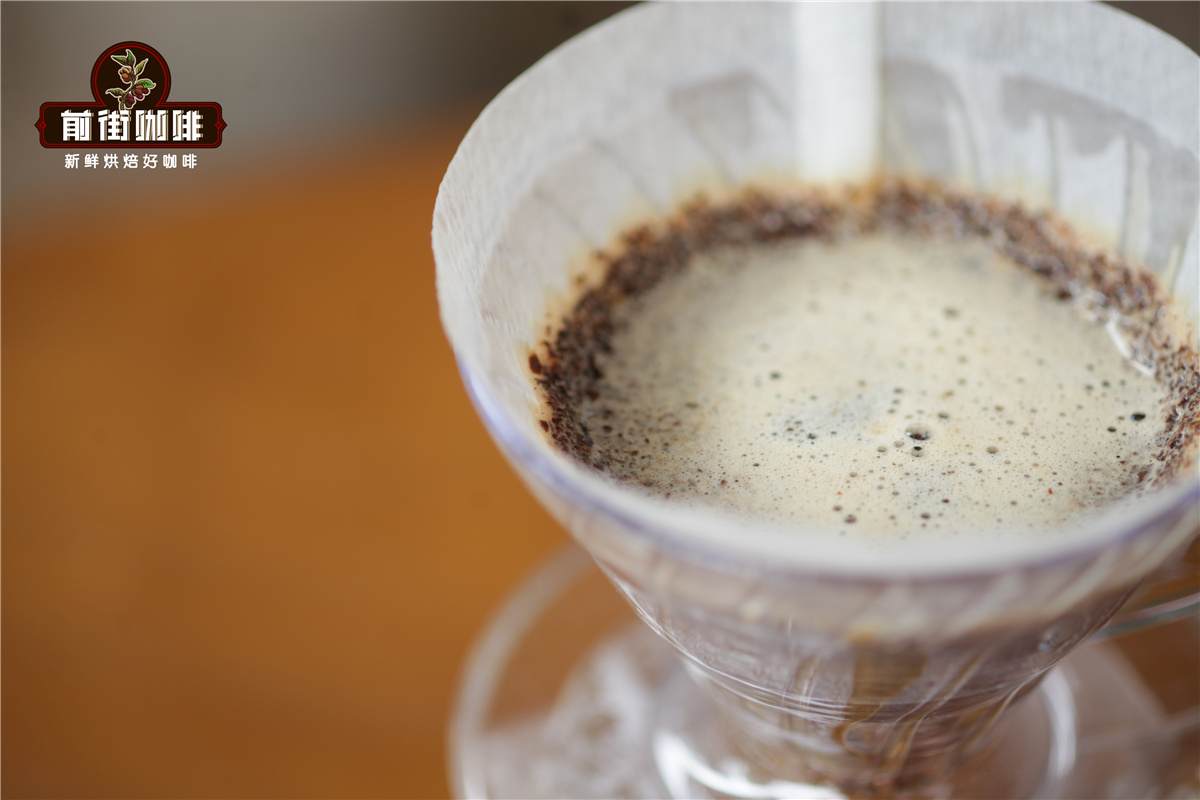
In the pour-over feedback, the two groups could hardly be described as merely similar - they were essentially identical. In texture, there was no perceptible difference at high temperature, and none as the cup cooled either.
Conclusion
Silver skin left on the beans, washed beans especially, makes no meaningful difference in pour-over brewing, because the brew time is short and the quantity of silver skin is tiny next to the total mass of coffee. Pour-over coffee will not pick up off-flavours from silver skin. Extended steeping, on the other hand, can affect texture.
If the white fragments still bother you, simply swirl the ground coffee gently after grinding. The lighter silver skin will float to the surface, and you can blow it away from the top with an air blower.
FrontStreet Coffee Recommendation
Since washed beans are the ones that keep visible silver skin, this is a good excuse to revisit the style. FrontStreet Coffee's Gutingding Cooperative is a textbook washed Yirgacheffe, with jasmine florals and bright citrus acidity that come through especially clearly after a light-to-medium roast, picking up green tea and honey notes. It suits pour-over, cold brew and espresso alike.
FrontStreet Kenya Little Tomato is another washed benchmark, this time from the double-washed tradition Kenya is known for. Filtering and soaking the beans through an extra wash cycle pushes the juice-like quality to the limit: ripe cherry tomato, smoked plum, pear and black plum, with brown sugar sweetness and a clean, juicy, sweet-and-sour finish.
For a gentler, classic profile, FrontStreet Jamaica Blue Mountain No.1 is grown in a maritime climate with relatively little sunshine, which is precisely why the washed method took hold there - removing skin, pulp and mucilage before drying shortens the drying time and yields bright, low-defect beans. The cup shows hazelnut, cream, chocolate and caramel in clean balance, with no single note dominating.
Important Notice :
FrontStreet Coffee is a long-established specialty coffee roaster in Guangzhou China, selling freshly roasted beans from its own farm in Yunnan as well as dozens of carefully selected single-origin beans from around the world for both pour-over and espresso. The products deliver consistently excellent quality and great value, with shipping within 24 hours. Guangzhou's FrontStreet Coffee shop is recommended by many coffee lovers, and the beans are now available online at the Tmall 。
FrontStreet Coffee has moved to a new address:
FrontStreet Coffee Address: 315,Donghua East Road,GuangZhou
Tel:020 38364473
 Scan and follow the En Gafei WeChat official account. Please indicate that the reprint comes from "En Gafei".

Seven Key Factors Influencing Coffee Aroma and Flavor: Bean Varieties, Growing Environment, Roast Level, Processing Methods, and Brewing Techniques