What is Pour-Over Coffee? Understanding the Art of Pour-Over Brewing in One Guide!
Many people buy their coffee from convenience stores like 7-Eleven or FamilyMart, so what really separates that coffee from the pour-over a barista makes? FrontStreet Coffee is here to unpack the difference.
Pour-over coffee looks simple, but in practice it depends on a lot of small details. Put plainly, pour-over is the process of pouring hot water over coffee grounds held in a paper filter to extract the coffee.
There are plenty of ways to brew coffee - cold drip, the Moka pot, and more. So what makes pour-over stand out?
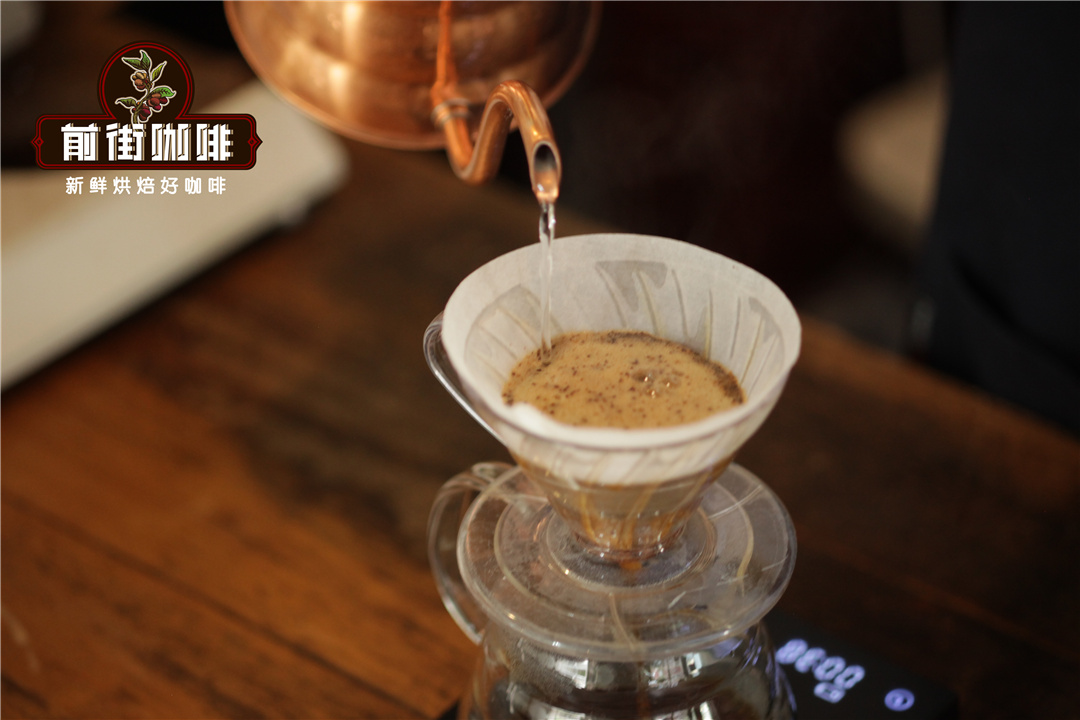
Characteristics of Pour-Over Coffee
Rich in flavor: the same beans brewed by different baristas can taste distinctly different. As noted above, pour-over depends on many variables at once, which is exactly why some drinkers develop a strong preference for the coffee from a particular shop or barista.
Fast extraction: compared with methods like cold drip, pour-over extracts quickly because hot water passes straight through the grounds. That draws out more of the surface compounds, but if the brew is not handled well, the result can tip too sour or too bitter.
Before I got into coffee, I would grab any random cup from a convenience store, or foolishly brew filter coffee with cold water when I wanted it iced. The result was incredibly sour. I doubt I am the only one who has done that.
What Factors Affect Pour-Over Coffee
By controlling factors such as the filter paper, the coffee bean variety, the grind size, the water temperature, and the pouring technique, you can steer the cup in different directions. That is what makes every pour-over unique and gives you a fresh experience each time.
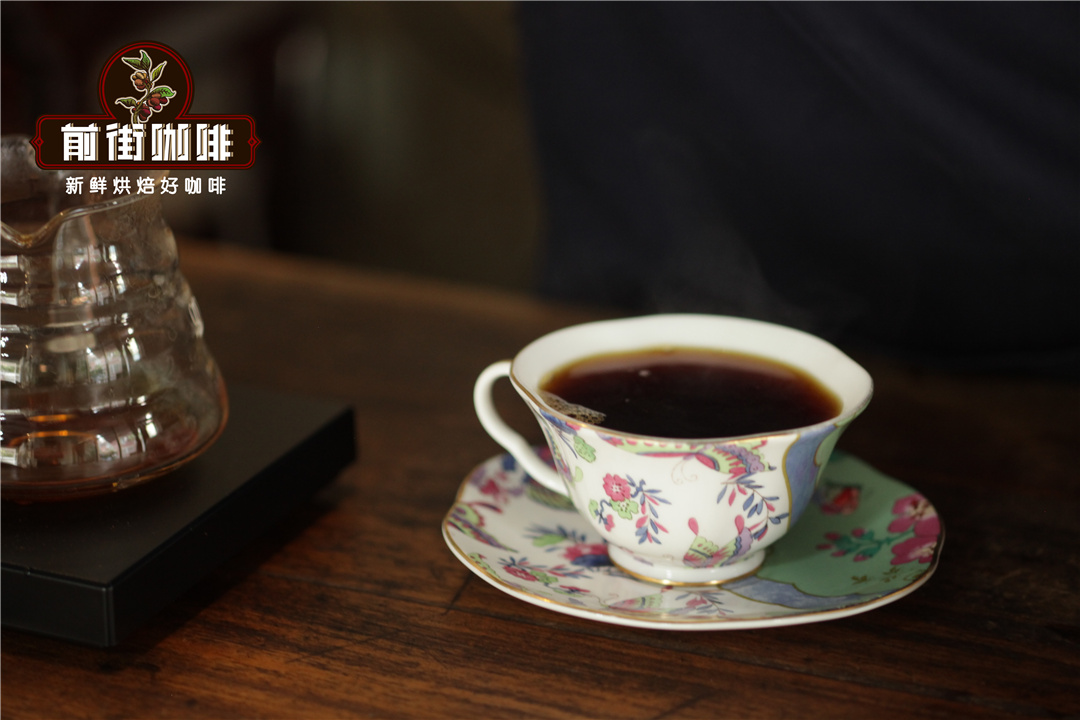
How to Brew a Simple Cup of Pour-Over Coffee
A truly delicious pour-over takes many factors into account, but beginners can still brew a decent cup without mistakes. Follow this step-by-step guide.
1. Coffee-to-Water Ratio
Keep the coffee-to-water ratio between 1:10 and 1:16 to land on a cup of moderate strength. For example, 10g of coffee grounds can be paired with 100-160ml of water. FrontStreet Coffee generally recommends a coffee-to-water ratio of 1:15.
2. Coffee Grounds
Grind the coffee slightly finer than table sugar.
3. Water Temperature
For the best pour-over, brew with water between 85°C and 95°C. Water that is too cool can leave the coffee sour, while water that is too hot can make it overly bitter.
4. Wet the Filter Paper
First, wet the filter paper with hot water to rinse away its papery taste. Work from the center outward.
5. Add Coffee Grounds
In coffee circles this step is called the "bloom," and it awakens the coffee. Pour in a circular motion from the center outward until every ground is fully wet - visually, the water should just cover all the grounds - then wait 10-20 seconds. FrontStreet Coffee recommends finishing the bloom within 30 seconds.
6. Repeat Circular Pouring
Keep pouring in a circular motion from the center outward, letting the circle grow to about the size of a 50-cent coin, then spiral back in toward the center.
7. Single Point Pouring
Once the water level reaches a certain height, switching to single-point pouring helps prevent extracting too much bitterness.
8. Remove Over-Extracted Portion
The white foam floating on top of the brewed coffee usually carries undesirable flavors. You can also pull the dripper away before the last of the water runs through, so that final, over-extracted portion does not keep dripping into the coffee you have already brewed.
9. Shake the Coffee Cup for Evenness
Swirling and mixing the coffee keeps the flavor consistent from the first sip to the last.
Now that you have the technique in hand, why not go brew your first cup of pour-over right away?
FrontStreet Coffee Recommendation
For a coffee that shines in a pour-over and is forgiving to brew, FrontStreet Coffee's Brazil Queen Estate is a solid starting point. Grown in Brazil and low in acidity, it is balanced and smooth, with pronounced nut and cocoa aromas and a clear caramel sweetness. It is gentle rather than sharp, and it also holds up in an espresso machine or a Moka pot, which the guide above mentions as another option.
If you want a classic cup that works across several brewers, FrontStreet Coffee's House Blend was built for espresso and the Moka pot, and its standout strength is a rich, generous crema - even a beginner using a non-professional home machine can pull a dense, fine-textured crema from it. Based on the traditional Mamba blend recipe, it is full-bodied and mellow, at home in a latte, cappuccino, or Dirty, and easy for both veterans and newcomers to enjoy.
For drinkers who prefer a low-acid, balanced profile, FrontStreet Coffee's Autumn Chestnut Blend is a 100% Arabica blend of Honduran Caturra and Papua New Guinea Typica. It opens with the nutty sweetness of roasted chestnuts, backed by caramel and black sugar, then soft chocolate and a rounded acidity through the middle. The finish is clean and long, with lingering notes of nuts, cocoa, and a hint of spice - a warm, steady cup for anyone who dislikes sharp acidity.
Important Notice :
FrontStreet Coffee is a long-established specialty coffee roaster in Guangzhou China, selling freshly roasted beans from its own farm in Yunnan as well as dozens of carefully selected single-origin beans from around the world for both pour-over and espresso. The products deliver consistently excellent quality and great value, with shipping within 24 hours. Guangzhou's FrontStreet Coffee shop is recommended by many coffee lovers, and the beans are now available online at the Tmall 。
FrontStreet Coffee has moved to a new address:
FrontStreet Coffee Address: 315,Donghua East Road,GuangZhou
Tel:020 38364473
 Scan and follow the En Gafei WeChat official account. Please indicate that the reprint comes from "En Gafei".