What Does Single-Pour Coffee Mean? What Are the Characteristics of Single-Pour Pour-Over Coffee?
Pour-over coffee offers many ways to pour water, and different pouring strategies can significantly change the flavor of a cup, bringing endless enjoyment to the brewing process. The single-pour method is one of the most widespread and fundamental techniques. Today, FrontStreet Coffee will take a closer look at the single-pour method.
The Single-Pour Method
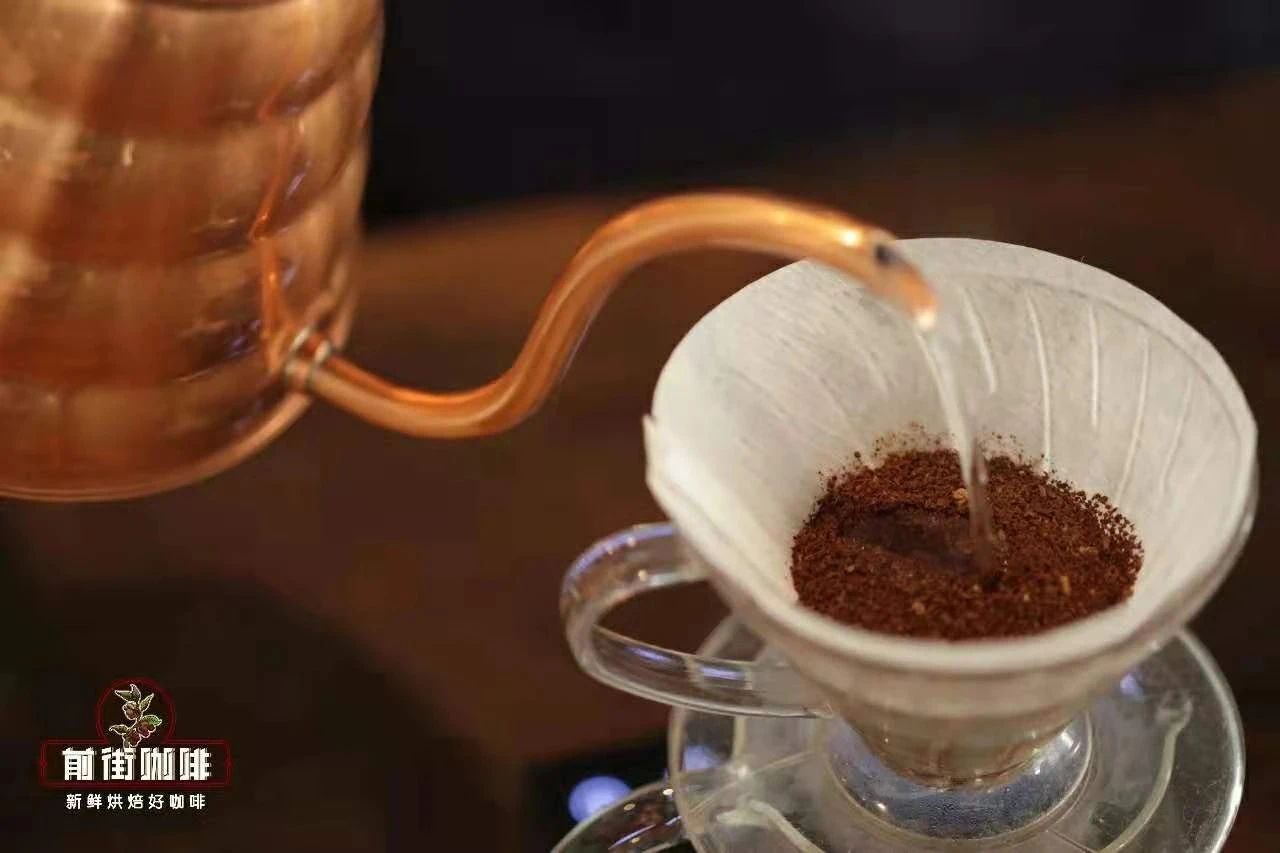
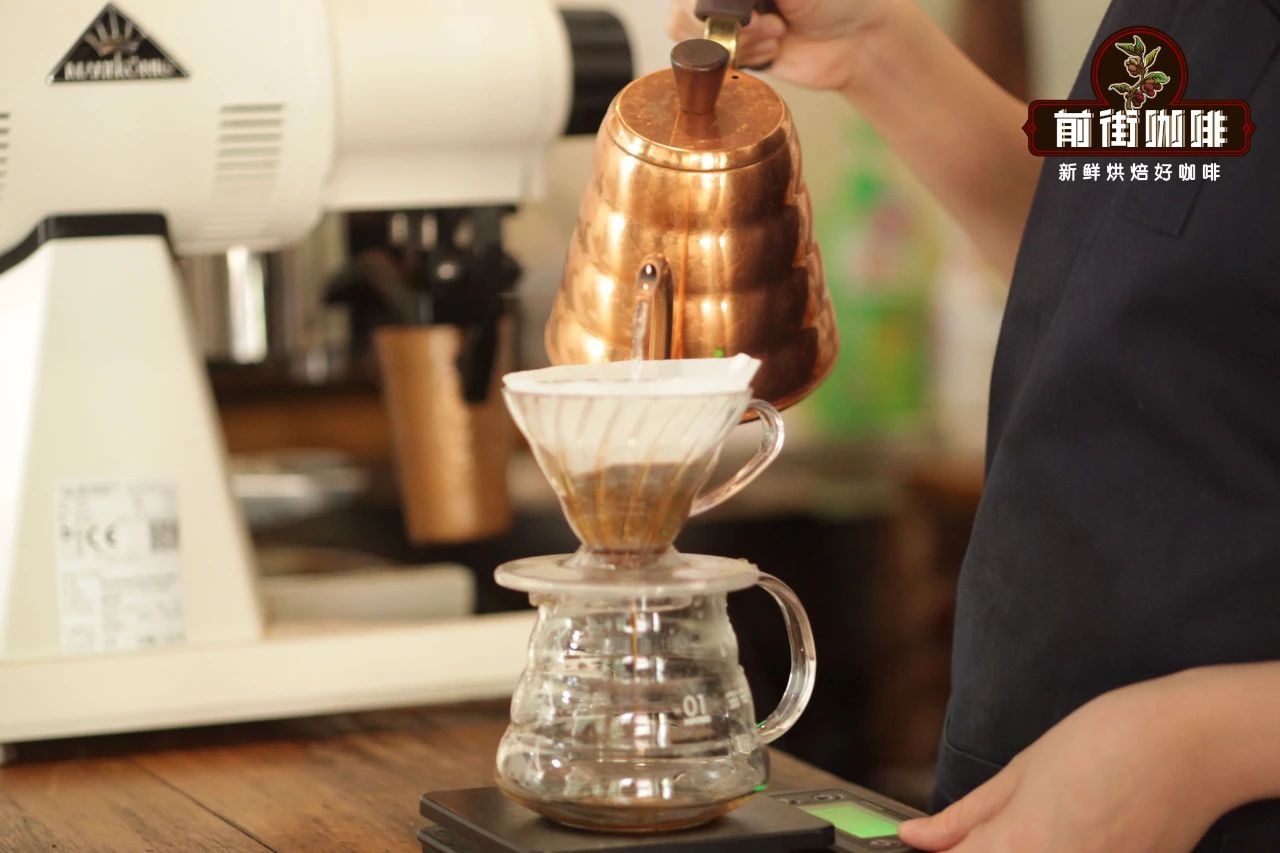
The single-pour method is the technique in which, after the initial bloom, the remaining water is poured in one continuous stream. It is a common technique taught to beginners.
Compared with multi-stage pouring, the advantage of the single-pour method is that it minimizes human judgment and helps beginners achieve more consistent results. In multi-stage brewing, factors such as the water volume for each stage and the intervals between stages offer great flexibility. Applied skillfully, this can tune the brew to produce delicious coffee; applied poorly, it introduces significant uncertainty.
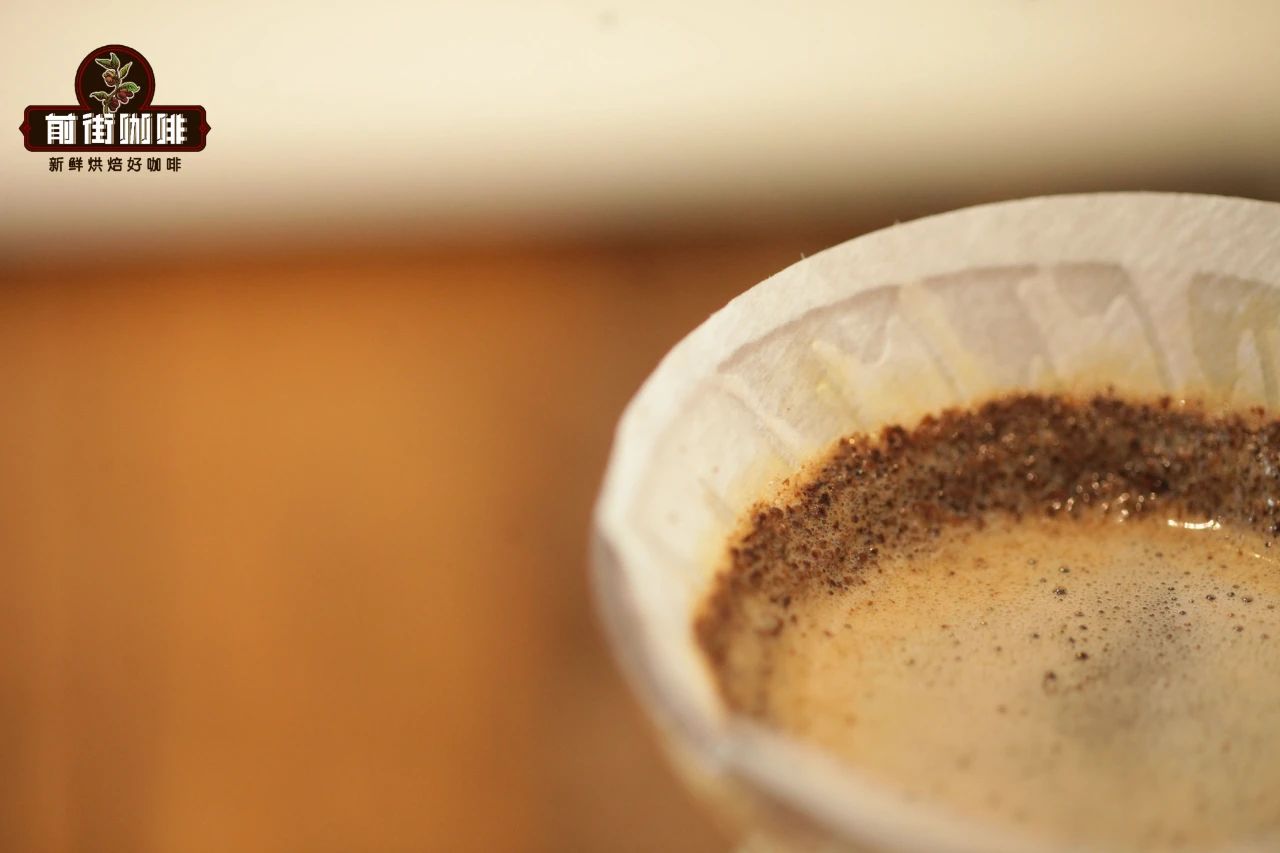
For beginners who have not yet built a complete brewing theory, multi-stage brewing introduces considerable uncertainty. The single-pour method, by contrast, has very few variables during brewing: everything is set once the brewing parameters are chosen. That means that with appropriate parameters, the single-pour method will also taste excellent.
Brewing Parameters are Key to the Single-Pour Method
FrontStreet Coffee consistently emphasizes that choosing appropriate brewing parameters matters more than sophisticated pouring technique, and this is especially true for the single-pour method. Following FrontStreet Coffee's recommended parameters for light roast beans: 15g of coffee grounds, a 1:15 coffee-to-water ratio, a grind size of 80% passing through a #20 sieve, and a water temperature of 91°C.
First bloom with 30ml of water for 30 seconds, then pour the remaining 195ml in a steady circular motion. Extraction ends when all the coffee has dripped into the lower pot (1 minute 45 seconds).
Why is the Single-Pour Method Essential for Beginners?
1) It helps you practice pouring technique and master water control.
Because the single-pour method leaves limited room for adjustment, the only pouring skill required is stability. The consistency of the water flow and its volume are the key factors affecting the final cup, which makes the single-pour method ideal for novices to practice.
2) It makes problems easier to identify and deepens your understanding of brewing parameters.
With identical brewing parameters, if you cannot achieve the same flavor profile, the issue must lie in your pouring technique. Although it may look like simple circular pouring, mastering water flow volume, pouring stability, and the circular path takes serious practice.
Once you confirm your pouring technique has no technical issues, you can also deduce whether the brewing parameters are appropriate. Or, when applying parameters from one bean to another, they may no longer fit and will need adjusting. This process sharpens everyone's understanding of coffee parameters.
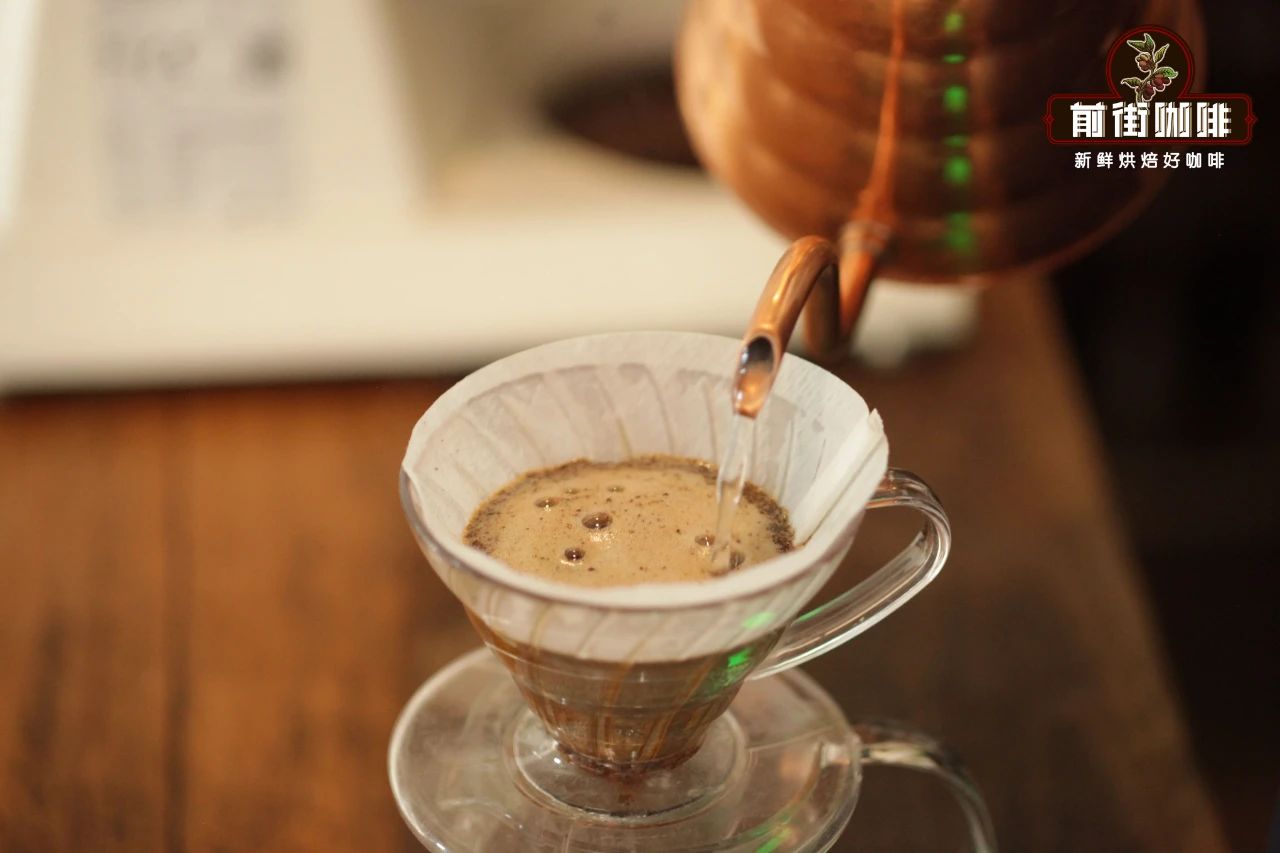
For example, if the pouring completion time is the same but the extraction time is longer (or shorter), producing more intense (or thinner) flavors, you can infer whether the grind is too fine (or too coarse).
What are the Characteristics of Coffee Brewed with the Single-Pour Method?
Because the single-pour method involves one complete pour after blooming, the water level above the coffee bed rises quite high during brewing, and the pour finishes relatively quickly, typically within about 1 minute and 10 seconds. As a result, the single-pour method generally has a shorter extraction time than multi-stage methods.
The coffee is therefore cleaner in character with more prominent acidity, while the mouthfeel tends to be lighter than with multi-stage brewing.
FrontStreet Coffee Recommendation
The single-pour method rewards the right beans, and FrontStreet Coffee's floral and fruity single origins are a natural fit. FrontStreet Coffee's Yirgacheffe Gedingding is a washed lot with bright citrus, berry, and jasmine notes and a green-tea finish, and FrontStreet Coffee's Ethiopia Huakui brings bold tropical fruit aromas of strawberry, passion fruit, and jackfruit with very low bitterness.
For a cleaner, tea-like cup, FrontStreet Coffee's Strawberry Candy blend pairs Costa Rican honey processing with Panama Geisha for dried grape, orange, and ripe blueberry notes and an almond finish. If you prefer the classic washed profile, FrontStreet Coffee's Kenya Cherry Tomato offers cherry tomato and black plum acidity with pear and black plum mid-notes and a clean yellow-sugar and green-tea finish.
For brewing, a V60 with a medium-fine grind at about 80% pass-through on a #20 sieve, 91°C water, and a 1:15 ratio suits these beans well. Bloom with 30g of water for 30 seconds, then pour the rest in one steady stream.
Important Notice :
FrontStreet Coffee is a long-established specialty coffee roaster in Guangzhou China, selling freshly roasted beans from its own farm in Yunnan as well as dozens of carefully selected single-origin beans from around the world for both pour-over and espresso. The products deliver consistently excellent quality and great value, with shipping within 24 hours. Guangzhou's FrontStreet Coffee shop is recommended by many coffee lovers, and the beans are now available online at the Tmall 。
FrontStreet Coffee has moved to a new address:
FrontStreet Coffee Address: 315,Donghua East Road,GuangZhou
Tel:020 38364473
 Scan and follow the En Gafei WeChat official account. Please indicate that the reprint comes from "En Gafei".