Water for Coffee: What Water to Use for Coffee Brewing - Perfect Water Quality Conditions for Pour-Over Coffee
You may know a fair amount about coffee. From beginner enthusiast to owner of the latest and best barista equipment, have you considered another approach to creating the ideal cup? That is right: we are talking about the water you use, and it turns out that whether you choose tap water, distilled water, or filtered water will have a huge impact on your brew.
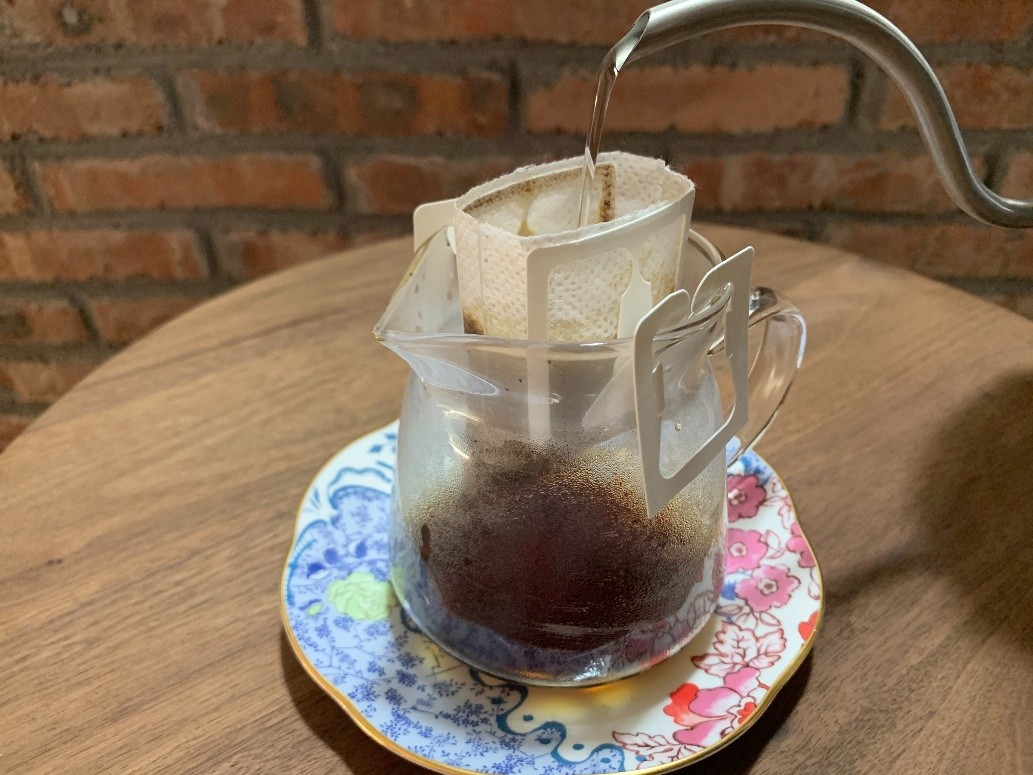
FrontStreet Coffee believes that seemingly simple coffee ingredients can actually become very scientific when you consider specific flavors. For example, in certain cases, two spare cups made from identical beans can be completely different when made with different water sources. Try it yourself: simply brew your favorite coffee with tap water, then try it with bottled mineral water. Does the taste differ?
The fact is, a cup of coffee is actually 98% water, which means that once you have carefully selected the roast and origin of your coffee beans, the water you pair with them can alter the coffee's flavor more than you initially imagine. This is because water essentially acts as a solvent when mixed with coffee, thereby causing very subtle chemical reactions that extract the flavors from the coffee beans.
We are sure you are thinking, "All this fuss about water — how can I make more decisions?" But we guarantee that perfect coffee does not just come from the best beans. As a new focus in the coffee world, water varies due to filters, location, and source. It can become very technical, and the choice of water will change your coffee world.
Why is water important in coffee making?
We all know that water can be either "hard" or "soft" because of the reasons listed above, but when choosing the right water for your coffee you must keep in mind TDS (Total Dissolved Solids). These are usually composed of magnesium, calcium, and bicarbonates, the most common mineral elements, and they have particularly strong flavors. It is this balance that makes some beans' sweetness and others' bitterness complement each other. This is an art, but every detail matters. Have you ever chosen the best beans and used the best brewing techniques, yet been disappointed with the results? It can come down to water. The water you choose can bring an ordinary cup to an outstanding, memorable brew, and sadly, the reverse is just as true.
What is the best water to use when making coffee?
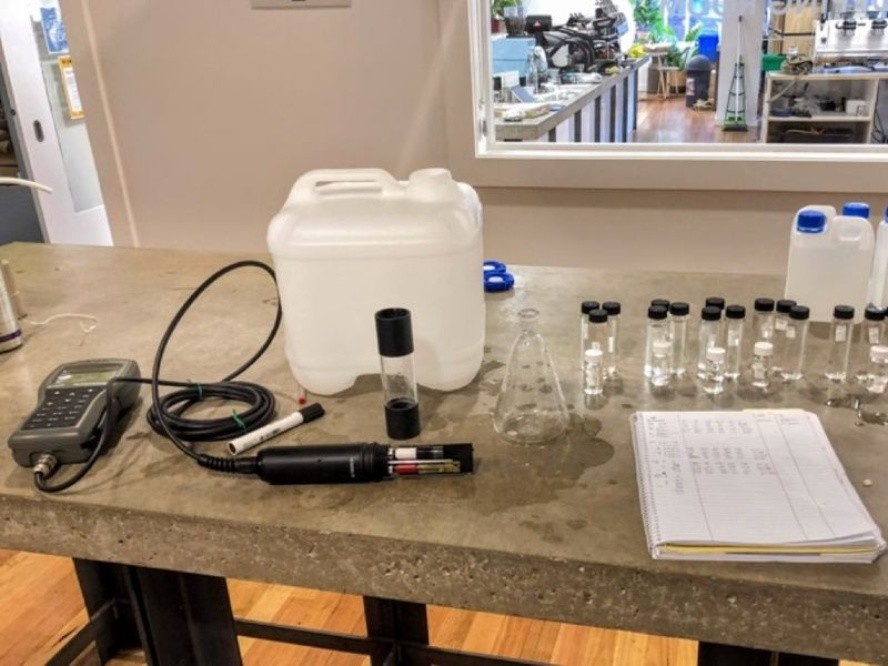
Typically there are three choices here: filtered, distilled, and purified. Although your water should be completely neutral (pH values between 6.5 and 7.5 are acceptable). We do not want to state the obvious, but your water should be clean, clear, and fresh, without musty odors or the muddy tones that sometimes appear, especially in reusable water bottles. The mineral content in your water should be about 150 parts per million (ppm), and the optimal water pH for coffee is 7.0 (neutral).
Filtered:
This is simply water that has already cleared any major impurities but still contains most of its natural minerals. Ordinary filters (like Brita water filters) will remove any excess carbon or bad tastes, making your next brew richer in flavor.
Purified:
While thoroughly cleaned, purified water usually removes all harmful elements but also removes most beneficial minerals. Typically, purification systems like reverse osmosis can add minerals back into the water, but this is a lengthy process to undertake daily.
Distilled:
Similar to filtered, distilled water is less suitable for making coffee (unless you are brewing coffee grounds under pressure, such as making espresso). All in all, distilled water is much better than tap water.
What does good coffee water taste like?
First, to be clear, you should never brew coffee with water that does not taste good on its own. Your water should be clean, without off-odors or any color. At a neutral pH value, the ideal Total Dissolved Solids (TDS) for the best water used for making coffee is about 150 milligrams per liter. You also need about 10 milligrams per liter of sodium, 40 milligrams per liter of total alkalinity, and 0 milligrams per liter of chlorine.
FrontStreet Coffee Recommendation
Because clean, well-mineralized water is what allows a coffee's finest aromatics to come through, water quality matters most with delicate, aroma-driven beans brewed on a V60, whose fast extraction captures a more three-dimensional fragrance and lively acidity. The FrontStreet Gotiti Cooperative coffee is a classic washed Yirgacheffe, and pure water lets its citrus, berry, and floral aromas and green-tea finish read clearly. The FrontStreet Huakui brings rich tropical fruit, and the FrontStreet Strawberry Candy, a Geisha blend with Costa Rican honey processing, shows off its Geisha-style florals and raisin, rose, and sweet-orange notes. The FrontStreet Mozart, with its raisin-honey processing, releases dried-fruit, ripe-pineapple, and sweet-orange aromas with an osmanthus accent. For a higher-definition fruit acidity, the FrontStreet Kenya Cherry Tomato, grown at 1,550-1,750 meters in Thika from SL28 and SL34 and given a light roast, rewards good water with cherry tomato, smoked plum, and a clean, lingering finish.
Important Notice :
FrontStreet Coffee is a long-established specialty coffee roaster in Guangzhou China, selling freshly roasted beans from its own farm in Yunnan as well as dozens of carefully selected single-origin beans from around the world for both pour-over and espresso. The products deliver consistently excellent quality and great value, with shipping within 24 hours. Guangzhou's FrontStreet Coffee shop is recommended by many coffee lovers, and the beans are now available online at the Tmall 。
FrontStreet Coffee has moved to a new address:
FrontStreet Coffee Address: 315,Donghua East Road,GuangZhou
Tel:020 38364473
 Scan and follow the En Gafei WeChat official account. Please indicate that the reprint comes from "En Gafei".