What Coffee Beans Are Best for Ice Pour-Over Coffee? The Flavor Differences Between Hot and Cold Pour-Over Coffee
Introduction
Pour-over is excellent at expressing a coffee's flavor character. FrontStreet Coffee usually recommends hot pour-over, but in the height of summer, customers ask for iced pour-over instead. The inevitable question follows: what's the difference between iced and hot pour-over? Today we'll break it down.
How Does Brewing Differ Between Iced and Hot Pour-Over?
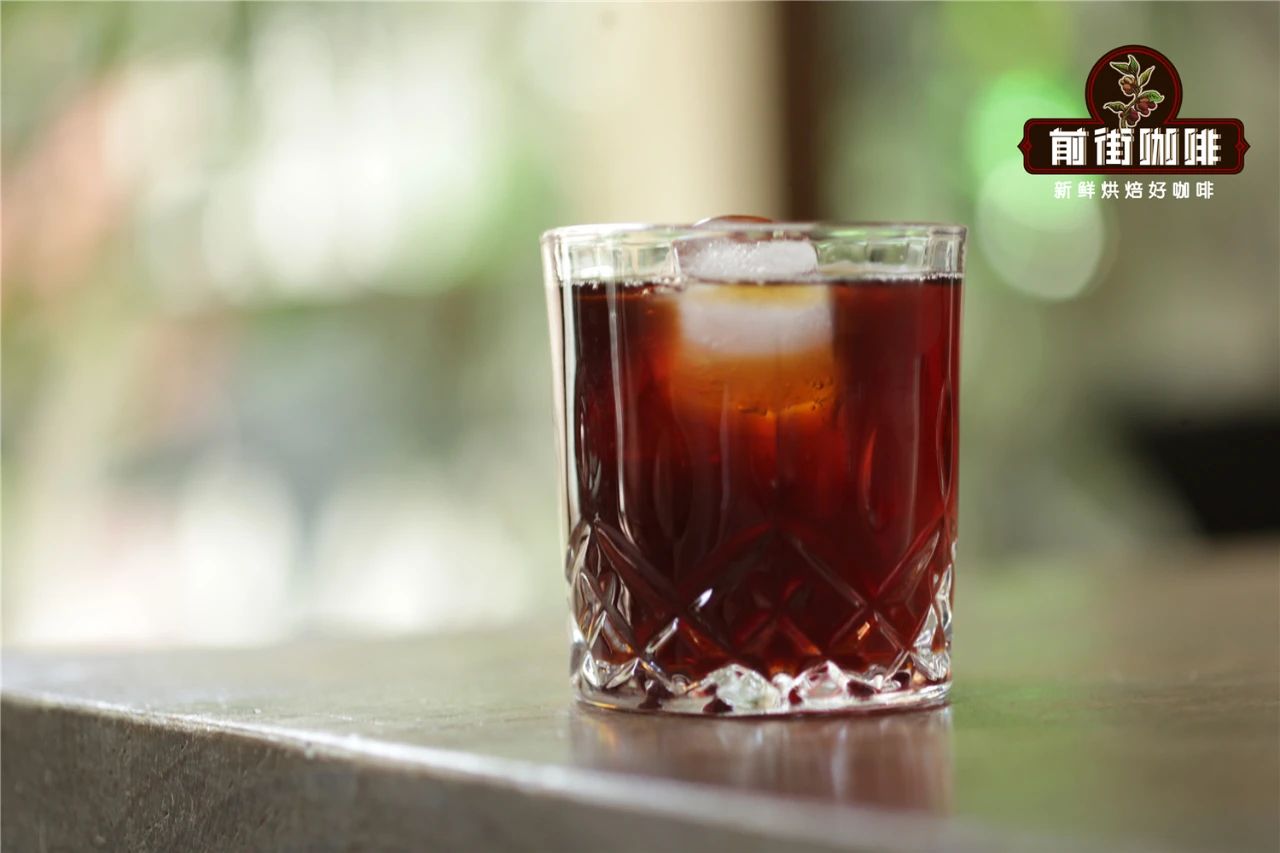
Iced pour-over is really an adaptation of hot pour-over, designed to produce an iced coffee whose flavor stands up to the hot version. Here's how FrontStreet Coffee brews each.
For a hot pour-over of light-roast beans, FrontStreet Coffee doses 15g of coffee ground so that 80% passes through a #20 standard sieve. Water sits at 90–92°C, with a 1:15 coffee-to-water ratio—225ml total. The brew uses three pours: 30ml to bloom for 30 seconds, then 100ml, then a final 95ml.
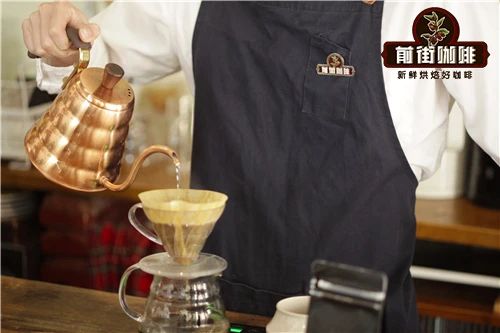
The iced version also starts with 15g of coffee at the same 90–92°C water temperature, but the grind is finer—85% through the #20 sieve. The ratio tightens to 1:10, or 150ml total, and the concentrate is then chilled over ice. Again, three pours: a 30ml bloom for 30 seconds, then 60ml, then another 60ml. The finished coffee goes over 100g of ice in the serving cup and is swirled to cool evenly.

In short: iced pour-over uses a finer grind and less water to brew a hot concentrate, which the ice then chills and dilutes into iced coffee.
How Do They Taste Different?
To compare hot and iced pour-over side by side, FrontStreet Coffee ran tests with three coffees: Ethiopia Guji (light roast), Brazil Queen Estate Yellow Bourbon (medium roast), and Indonesia Golden Mandheling (dark roast).
Ethiopia Guji
Hot pour-over: Berry aromatics up front, citrus and berry acidity in the sip, excellent sweetness, layered flavors, and a smooth mouthfeel.
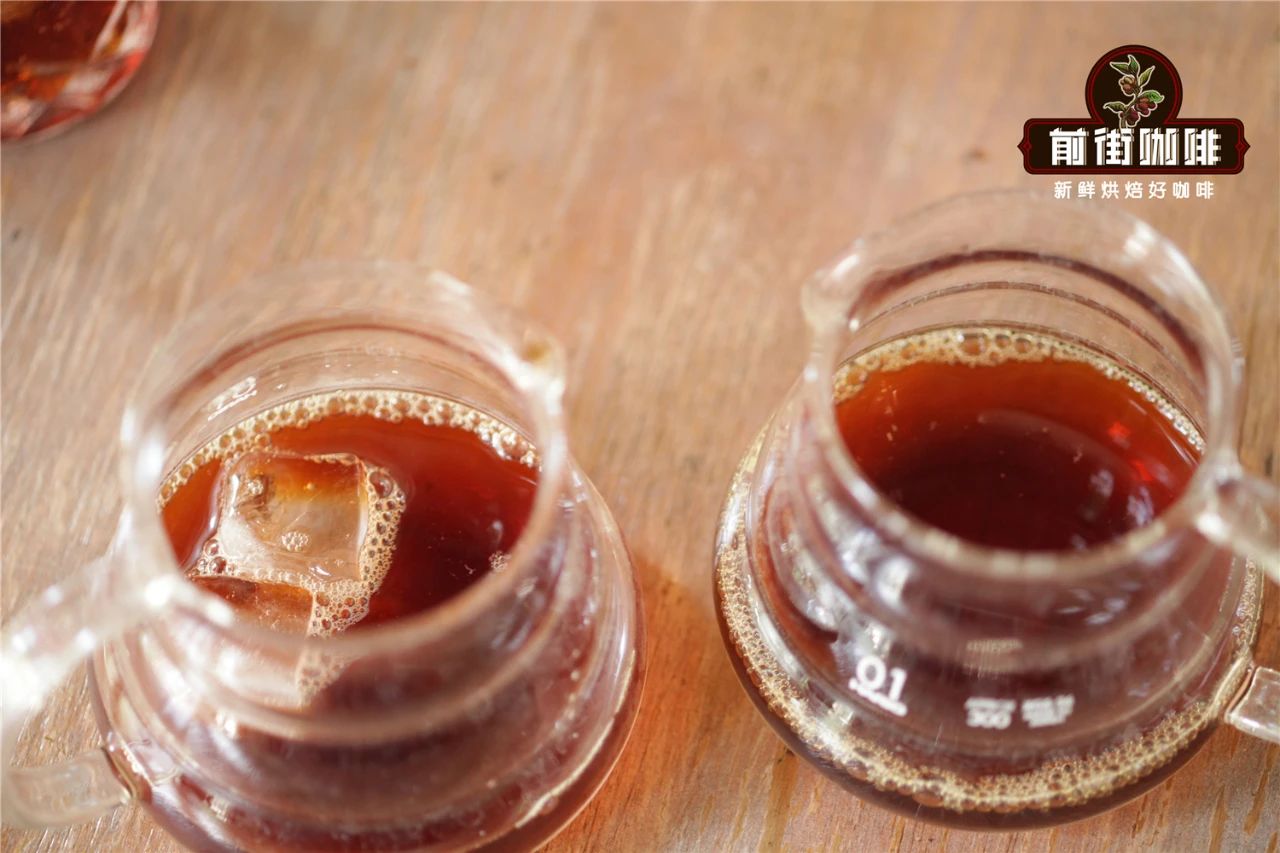
Iced pour-over: Softer aromatics with delicate florals. The citrus acidity remains but turns gentle and comfortable, with hints of tea fragrance—overall refreshing and clean, though the body is icy and somewhat thin.
Brazil Queen Estate
Hot pour-over: Nutty aroma, a rich creamy-peanut flavor, very prominent sucrose sweetness, and a full body.
Iced pour-over: Quieter aromatics with subtle fruit acidity, raw-sugar sweetness and a chocolate aftertaste. High clarity overall, but the body thins out compared to hot.
Golden Mandheling
Hot pour-over: Caramel and chocolate aromas, a rich, heavy-bodied sip with chocolate and spice notes, and lingering caramel sweetness in the finish.
Iced pour-over: Roasted nut aromatics; chocolate, herbal, and nutty flavors. Clean but one-dimensional—Mandheling's signature full body simply doesn't come through over ice.

On the whole, hot pour-over expresses a coffee's flavor more richly and completely—which is why FrontStreet Coffee usually steers customers toward hot single-origin pours. Iced pour-over tends to taste lighter with more pronounced acidity, but certain beans shine over ice, and on a scorching summer day a good iced pour-over is hard to beat.
That said, not every coffee works. Full-bodied coffees like Mandheling are superb hot but lose much of their character when iced. Others genuinely excel: FrontStreet Coffee's Ethiopia TOH Washed Champion turned into something like honey pomelo tea over ice. Distinctive specialty-process beans also make great iced coffee—think FrontStreet Coffee's Honduras Sherry or Colombia Rose Valley. These hold their flavor beautifully in an iced pour-over: cool, crisp, and exactly right for hot weather.
FrontStreet Coffee Recommendation
For your own iced pour-over, FrontStreet Coffee suggests two dependable options. The Yirgacheffe Chelbesa (Guodingding) lot from Ethiopia is a classic first choice—bright citrus, berry, and floral notes with a green-tea sweetness that turns wonderfully juicy over ice.
If you want bigger fruit, try FrontStreet's Ethiopia Hua Kui: a natural process loaded with strawberry, passion fruit, and lychee, with obvious sweetness and almost no bitterness—arguably even better iced than hot.
Important Notice :
FrontStreet Coffee is a long-established specialty coffee roaster in Guangzhou China, selling freshly roasted beans from its own farm in Yunnan as well as dozens of carefully selected single-origin beans from around the world for both pour-over and espresso. The products deliver consistently excellent quality and great value, with shipping within 24 hours. Guangzhou's FrontStreet Coffee shop is recommended by many coffee lovers, and the beans are now available online at the Tmall 。
FrontStreet Coffee has moved to a new address:
FrontStreet Coffee Address: 315,Donghua East Road,GuangZhou
Tel:020 38364473
 Scan and follow the En Gafei WeChat official account. Please indicate that the reprint comes from "En Gafei".