Ethiopia Sidamo Red Honey Process Bensa Coffee Beans Brewing Parameters Flavor and Taste Description
Ethiopia Sidamo Red Honey Process Bensa Coffee Beans
Region: Bensa Town, Sidamo, Ethiopia
Altitude: 2,100 m
Variety: Ethiopian Heirloom
Processing Method: Red Honey
Grade: G1
Harvest Season: 2021
The Growing Region
Sidamo sits in southern Ethiopia, stretching east toward the Arsi and Bale zones and west into Gamogofa. Coffee here is grown between 1,400 and 2,000 meters, mostly by farming communities clustered around the Great Rift Valley. In recent years Sidamo has developed quickly and become one of Ethiopia's most important coffee export hubs.
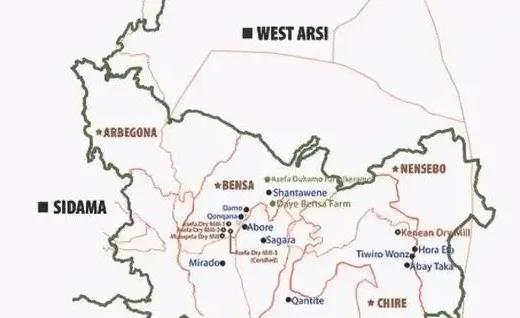
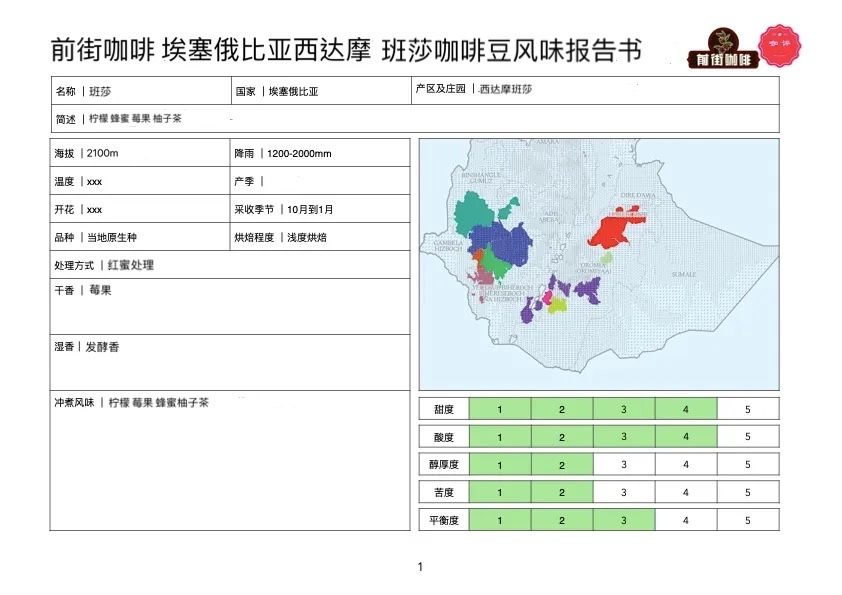
What makes Sidamo so exciting is sheer diversity: different soils, microclimates, and a vast pool of native varieties mean each town's coffee has its own signature. Bensa, in eastern Sidamo at 1,800–2,300 meters, is one of the most distinctive, its lots typically show berry acidity and citrus, tea-like florality.
Ethiopian Heirloom
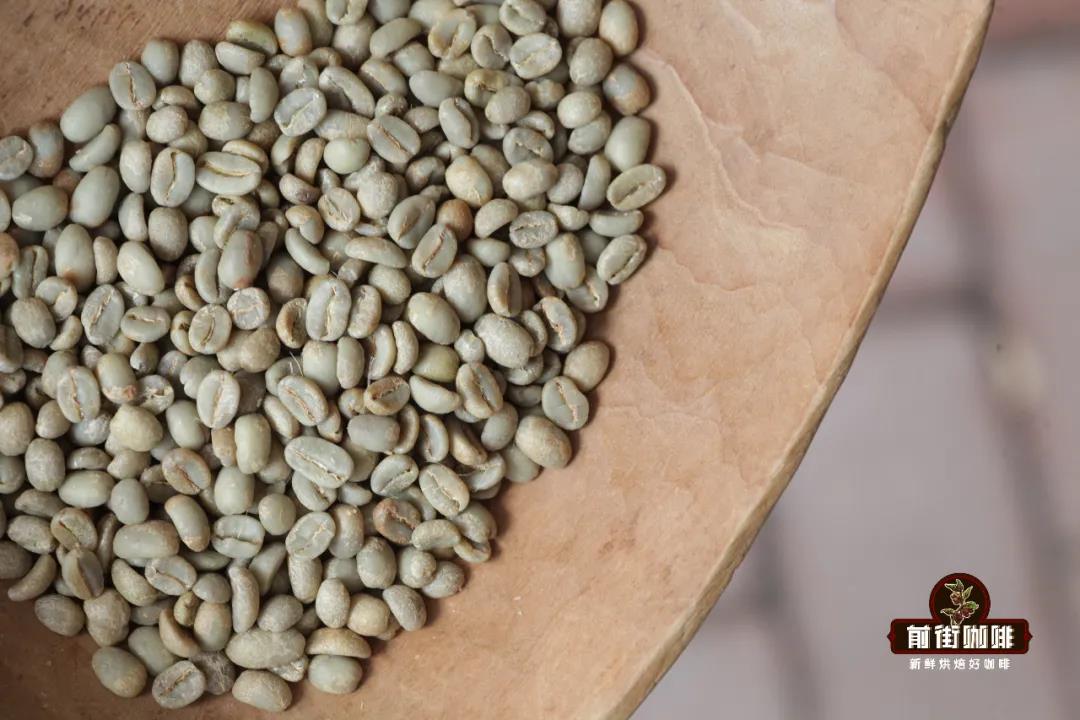
Ethiopia is coffee's birthplace, and its wild genetic library is unmatched, thousands of native varieties, most grown by smallholders who pool their harvests at shared processing stations. Identifying each variety individually is impractical, so the umbrella term "Heirloom" covers this enormous range rather than denoting any single variety.
The Red Honey Process
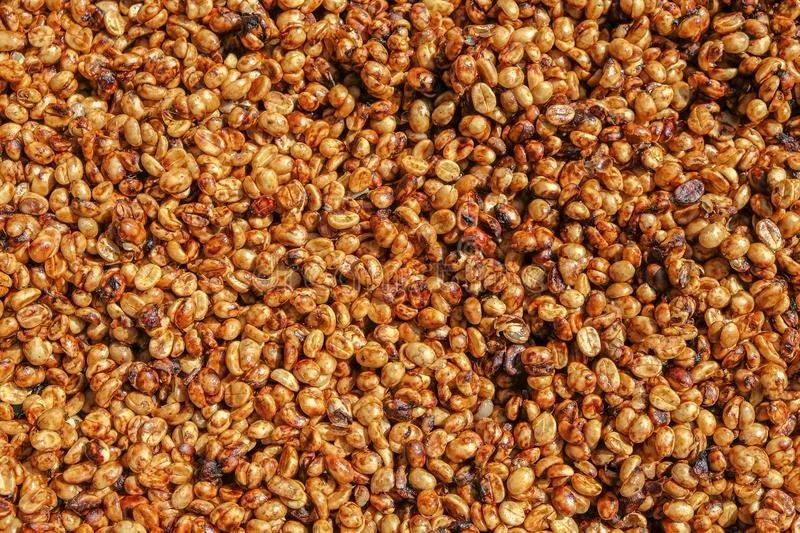
Red Honey is one rung on the honey-process ladder. After harvesting, the cherries are pulped with 70%–75% of the mucilage left clinging to the parchment. Because that much sugary mucilage would over-ferment under direct sun, red-honey lots are dried slowly in shaded, well-ventilated raised sheds, typically for 12–14 days. Only once moisture content and fermentation level check out are the beans moved to warehouse storage.
FrontStreet Coffee Roasting Notes
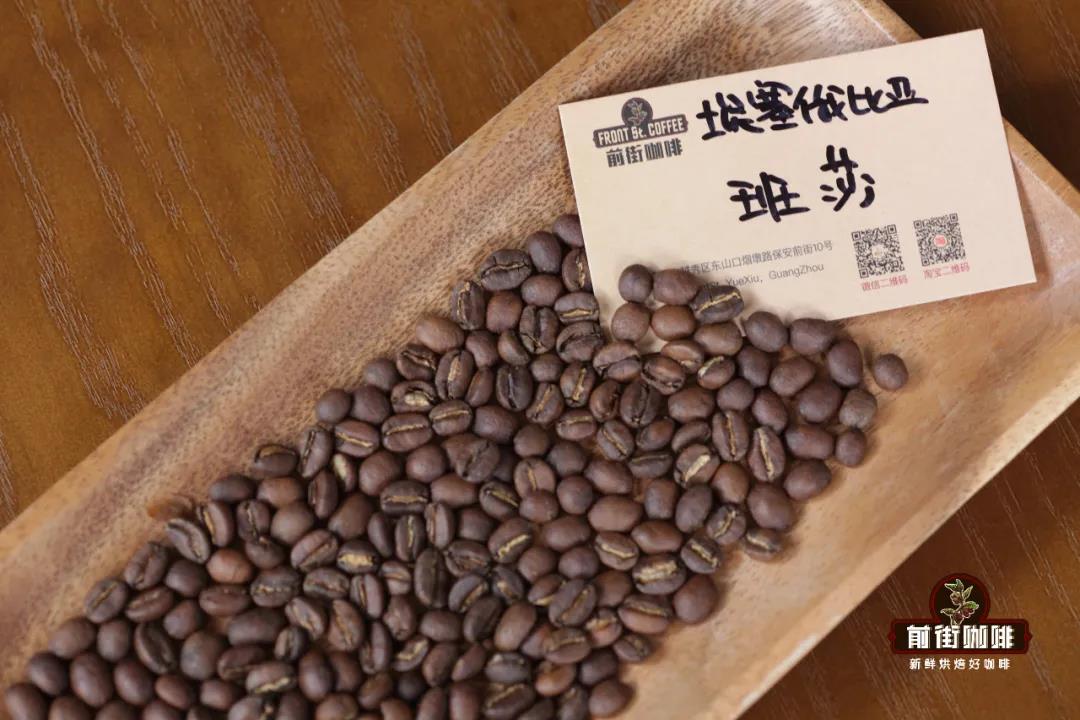
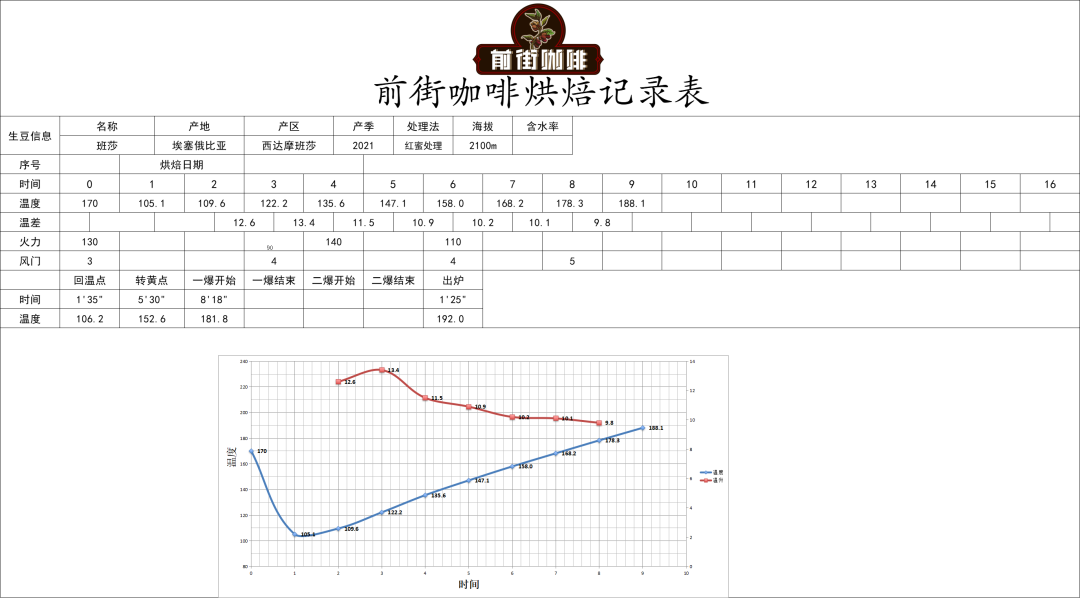
Fresh-crop coffee carries higher moisture, and that moisture slows heat transfer during the roast, a bean can look fully developed on the outside while still undercooked at the core. To avoid this, FrontStreet Coffee extends the drying phase when roasting Bensa (the stretch between the turning point and the yellowing point). And to showcase the sweetness the Red Honey process is built for, the development phase between yellowing and first crack is stretched as well.
Cupping Flavor Description
FrontStreet Coffee Brewing Recommendations
Dripper: V60 #01
Water Temperature: 90–91°C
Dose: 15 g
Coffee-to-Water Ratio: 1:15
Grind Size: Medium-fine (80% retention on a #20 standard sieve)
Brewing Method: Three pours. Bloom with 30 g of water for 30 seconds. Then, with a small, steady flow, pour in circles up to 125 g. Once the water level drops and the coffee bed is about to be exposed, pour again to 225 g and stop. When the bed is about to break the surface once more, lift the dripper off. (Timing starts at the beginning of the bloom; total brew time 2'00".)
FrontStreet Coffee Recommendation
If this Bensa lot piques your interest in Ethiopian coffee, here are more FrontStreet Coffee lots worth exploring:
- FrontStreet Washed Yirgacheffe, the entry point into Ethiopia. A spring-like, misty town in the country's south, Yirgacheffe produces coffee with clear jasmine florals and bright citrus acidity, light and elegant on the palate with a tea-like finish, like a clean, refreshing lemon tea.
- FrontStreet Guji Dingding Cooperative, most Ethiopian coffee is garden-grown, with smallholders delivering cherry to village-level stations and selling under cooperative names (Dingding, Worka, Konga). Dingding, in the Worka area at Yirgacheffe's southeastern tip, broke away from the Worka cooperative of the YCFCU union in 2012 with roughly 300 member farmers, chasing traceability. Washing away the fruit pulp before drying keeps its character crystal clear: citrus and lemon tones with elegant white florals, bright and delicate.
- FrontStreet Natural Red Cherry, natural processing done right: defective cherries removed up front, two weeks of sun-drying until moisture falls to 12%, then hulling, density and color grading, and final hand-sorting. Expect peach, cocoa, honey, and lemon.
- FrontStreet Natural Huakui (Guji Hambella), from a 200-hectare farm in Hambella, Sidamo. Cherries dry for 21 days on raised beds, turned constantly and hand-sorted every three to five days against mold and defects. Medium-light roasting reveals a light winy fermentation, florals, citrus, and mango, with honeyed sweetness, cocoa, and a hint of spice over a thick, long-lasting body.
- FrontStreet Sidamo Natural Hamasho 74158, the Hamasho washing station is a regular on Ethiopian green coffee competition winner lists, growing mainly JARC 74-series disease-resistant varieties; the 74158 has a smaller bean and pronounced floral-fruity character, perfume lemon, strawberry, and star fruit on the nose, with sweet strawberry, star fruit, and green grape up front and a gentle floral lift behind.
- FrontStreet Kaffa Forest, wild coffee rather than garden coffee: trees grow shaded at 1,400–2,100 meters in virgin forest on red soils with abundant rain. Roasted medium-light, it opens with white florals, shows bright lemon acidity with sweet orange and bergamot, and finishes like green tea with a faint melon-and-nut sweetness.
Important Notice :
FrontStreet Coffee is a long-established specialty coffee roaster in Guangzhou China, selling freshly roasted beans from its own farm in Yunnan as well as dozens of carefully selected single-origin beans from around the world for both pour-over and espresso. The products deliver consistently excellent quality and great value, with shipping within 24 hours. Guangzhou's FrontStreet Coffee shop is recommended by many coffee lovers, and the beans are now available online at the Tmall 。
FrontStreet Coffee has moved to a new address:
FrontStreet Coffee Address: 315,Donghua East Road,GuangZhou
Tel:020 38364473
 Scan and follow the En Gafei WeChat official account. Please indicate that the reprint comes from "En Gafei".