How to Properly Drink Dirty Coffee: Making Dirty Coffee and the Difference in Taste and Flavor from Iced Latte
Dirty coffee arrived on the scene a few years ago and turned plenty of latte drinkers into devotees. Where an iced latte is about watching espresso and milk settle into a gradient, Dirty delivers a double pleasure — visual and gustatory — carrying you from rich coffee into sweet milk in a single sip.
What Is Dirty Coffee?
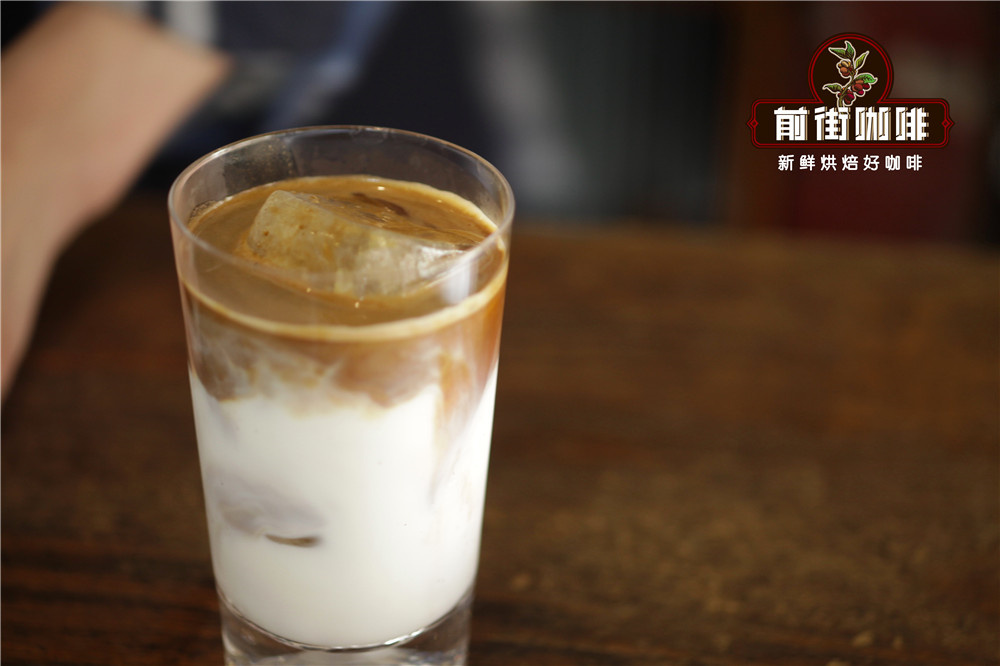
Dirty was created for people who love iced lattes but want more of a coffee jolt. An iced latte is built by adding ice to milk, pouring in espresso and stirring before drinking. The aim is to round off the espresso's intensity while keeping things smooth and refreshing, so the serve is typically around 300ml.
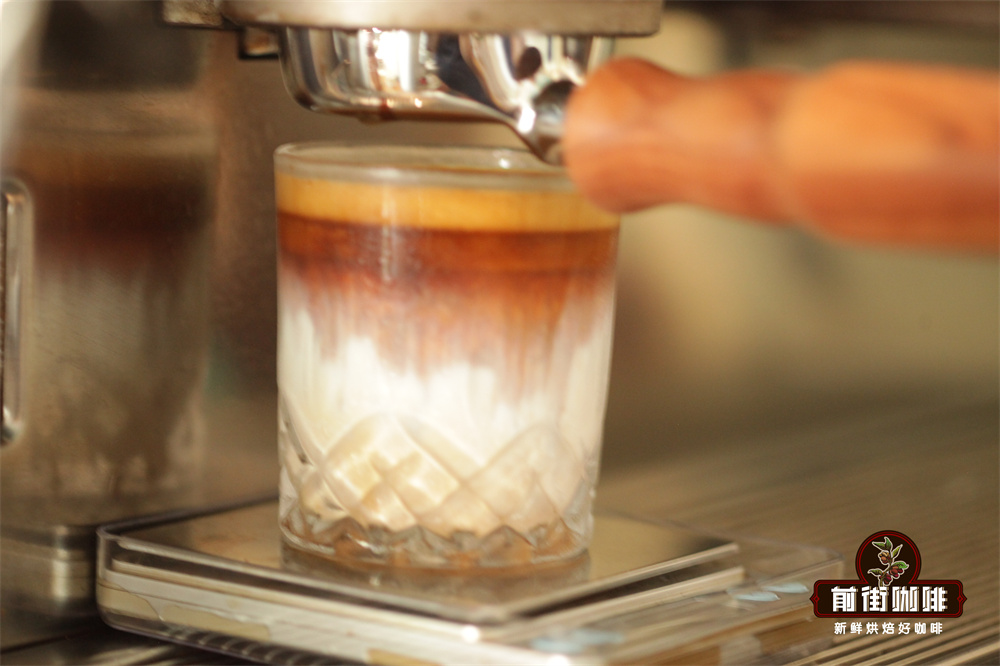
Dirty takes the opposite approach. It is about preserving the espresso crema and building a layered gradient. Because no ice goes in, the milk surface has to sit close to the espresso outlet so the shot flows slowly into the cup.
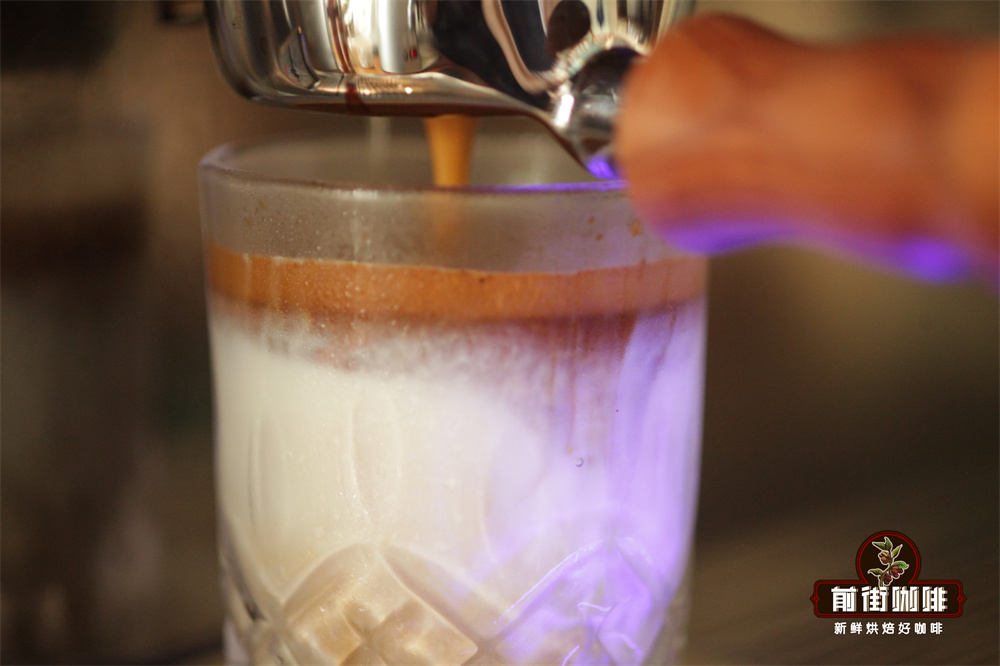
Milk is rich in milk fat and protein, and these hold the crema on the surface while the coffee slowly sinks, producing the layered gradient. The essence of drinking Dirty is the single, continuous sip and the full, rich body, so the serve generally stays under 200ml.
How to Make Dirty Coffee
Dirty is nothing more than espresso and milk, yet FrontStreet Coffee notes that achieving clean layering and that alternating hot-and-cold sensation takes technique.

Because Dirty is all about preserving crema and the visual gradient, no ice can be added — ice dilutes the overall concentration. The milk also needs high protein and milk fat content, and it has to be cold enough for the rich crema to float. FrontStreet Coffee therefore suggests refrigerated fresh milk or purified milk.
The milk has to be chilled beforehand, and the glass should be kept cold as well so it does not pull heat out of the milk. FrontStreet Coffee also reminds everyone to check that the glass is temperature-resistant before chilling, to avoid cracking when the espresso is poured.

To keep the flavor concentrated, Dirty serves are smaller than iced lattes: generally 180–220ml for Dirty against 280–320ml for an iced latte. When FrontStreet Coffee makes Dirty, the chilled glass is filled with 150ml of fresh milk. Then 20g of coffee grounds are used to extract 36g of coffee liquid, with the cold milk placed directly under the bottomless portafilter so the shot lands on the surface. The stream must not run too high, or it will punch straight into the milk below and no "dirty" effect will form.
What Makes a Delicious Dirty
Technique 1: Choosing the Espresso Beans
The quality of a Dirty lives or dies on the espresso. Since the first thing you taste is the espresso layer, the beans cannot be overly intense or sharply acidic.
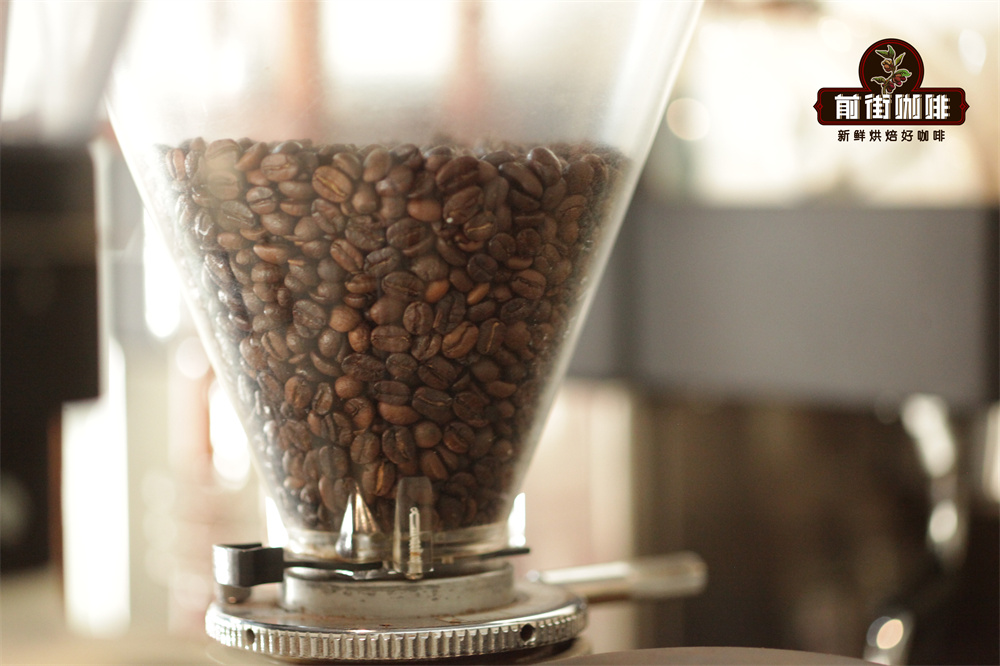
FrontStreet Coffee suggests using blend beans or single-origin beans with mild, balanced flavors and rich crema. Beans with obvious smoky or herbal notes, and light roasts, are best avoided here.
Technique 2: Milk with High Milk Fat, Protein and Lactose
The richness of the milk determines how well Dirty layers. The more protein and milk fat it contains, the better the layering.
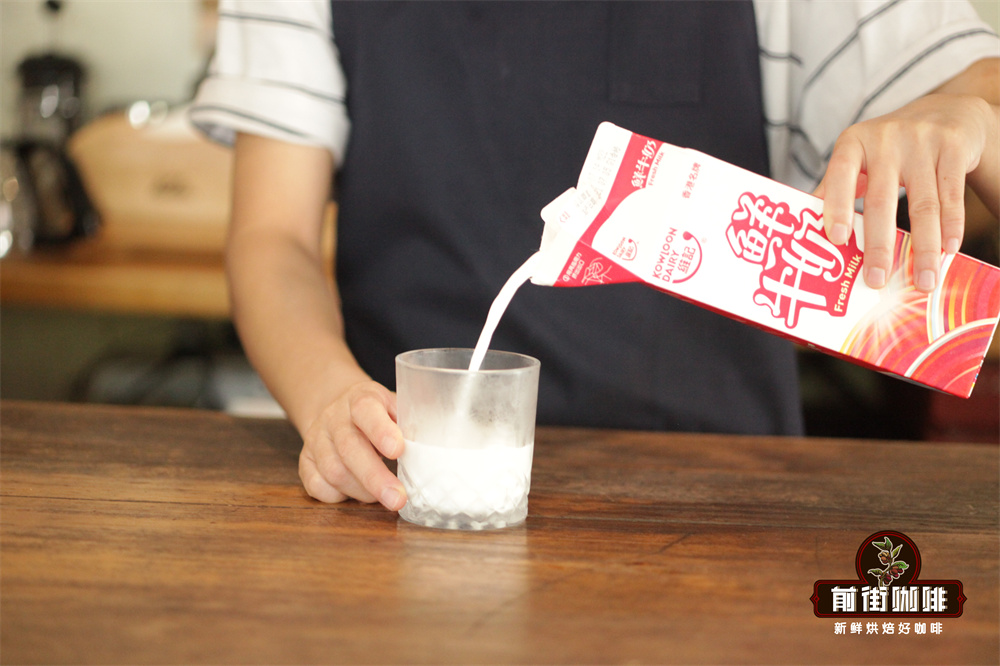
Beyond the look, the soul of Dirty is the gradient on the palate: from rich coffee, into the zone where milk and coffee merge, and finally into pure milk. That last sip of milk is the finishing touch on the whole drink, which is why FrontStreet Coffee recommends refrigerated fresh milk or purified milk.
Technique 3: Cold Milk, Frozen Glass
Since no ice is added, both the milk and the glass must be kept cold so the glass does not absorb heat from the milk when it is poured.
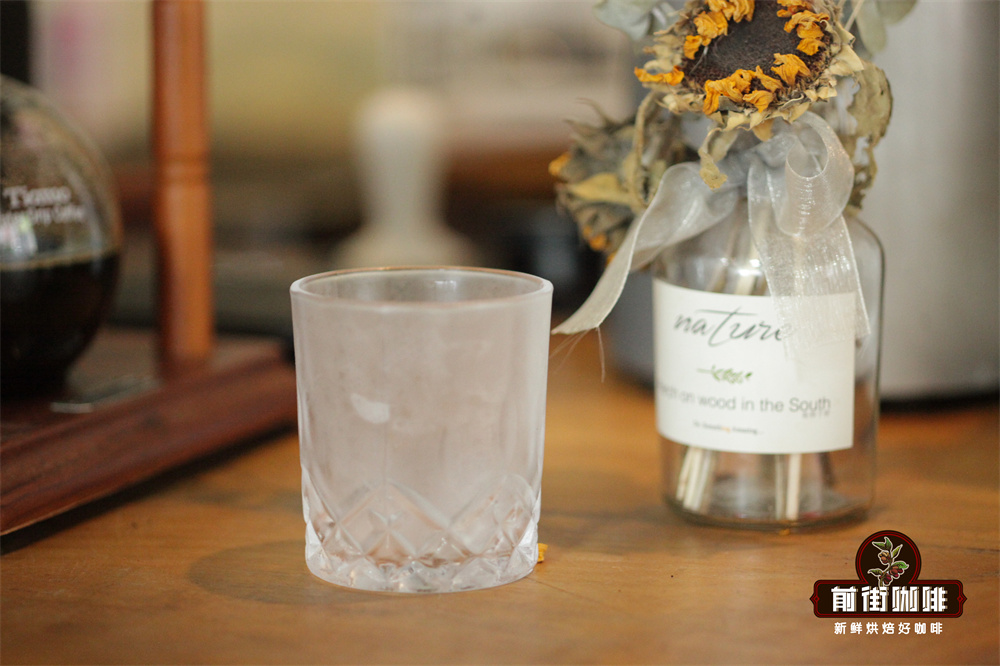
A final reminder: when choosing glasses, confirm the glass is temperature-resistant to prevent cracking during chilling or when the espresso goes in.
FrontStreet Coffee Recommendation
Since Dirty depends on a mild, balanced espresso with generous crema, FrontStreet Coffee's milk-friendly blends are the natural place to start.
FrontStreet Classic Blend — designed specifically for espresso and moka pot, and its greatest strength is crema. Even a beginner on a non-professional home machine can pull dense, fine crema. Lattes, cappuccinos and Dirty all rely on good crema, and this blend hits the mark. It follows the traditional Mamba recipe, giving a rich, mellow, rounded cup that suits veterans and newcomers alike, at home or in a café.
FrontStreet Signature Blend — built on Brazilian Cerrado and Colombian Huila, and it makes an ideal partner for milk because Brazil dominates the recipe, bringing complex nut notes such as almond, walnut and hazelnut. The texture is silky and dense, with flavor that lingers.
FrontStreet Black Cocoa Blend — made from 100% Arabica with abundant crema and a full body at a friendly price. It offers good flavor and real value, which is why it is a favorite for shops and for anyone who wants a dependable everyday milk coffee.
Important Notice :
FrontStreet Coffee is a long-established specialty coffee roaster in Guangzhou China, selling freshly roasted beans from its own farm in Yunnan as well as dozens of carefully selected single-origin beans from around the world for both pour-over and espresso. The products deliver consistently excellent quality and great value, with shipping within 24 hours. Guangzhou's FrontStreet Coffee shop is recommended by many coffee lovers, and the beans are now available online at the Tmall 。
FrontStreet Coffee has moved to a new address:
FrontStreet Coffee Address: 315,Donghua East Road,GuangZhou
Tel:020 38364473
 Scan and follow the En Gafei WeChat official account. Please indicate that the reprint comes from "En Gafei".