How Long Does It Take to Rest Roasted Coffee Beans? What's the Optimal Resting Time for Different Roast Levels?

If you brew your own coffee, you may have some idea of what "coffee resting" means. If the term is new to you, don't worry. Let's look at why coffee needs resting, and how long it should rest.
When you brew, the moment water touches the grounds the coffee begins to bloom. Watching the bed slowly expand and swell is a sight everyone enjoys, but without proper resting the bloom is likely to release gas chaotically, with countless large bubbles surfacing.

Most people, and especially Cantonese diners, have a real obsession with fresh ingredients: everything should be eaten fresh and hot. Coffee beans, however, are one thing that absolutely cannot be rushed. Freshly roasted beans carry little aroma at this point, only roasting smells. At this stage the beans hold abundant carbon dioxide and are highly active, like a small child running around everywhere and unable to sit still.
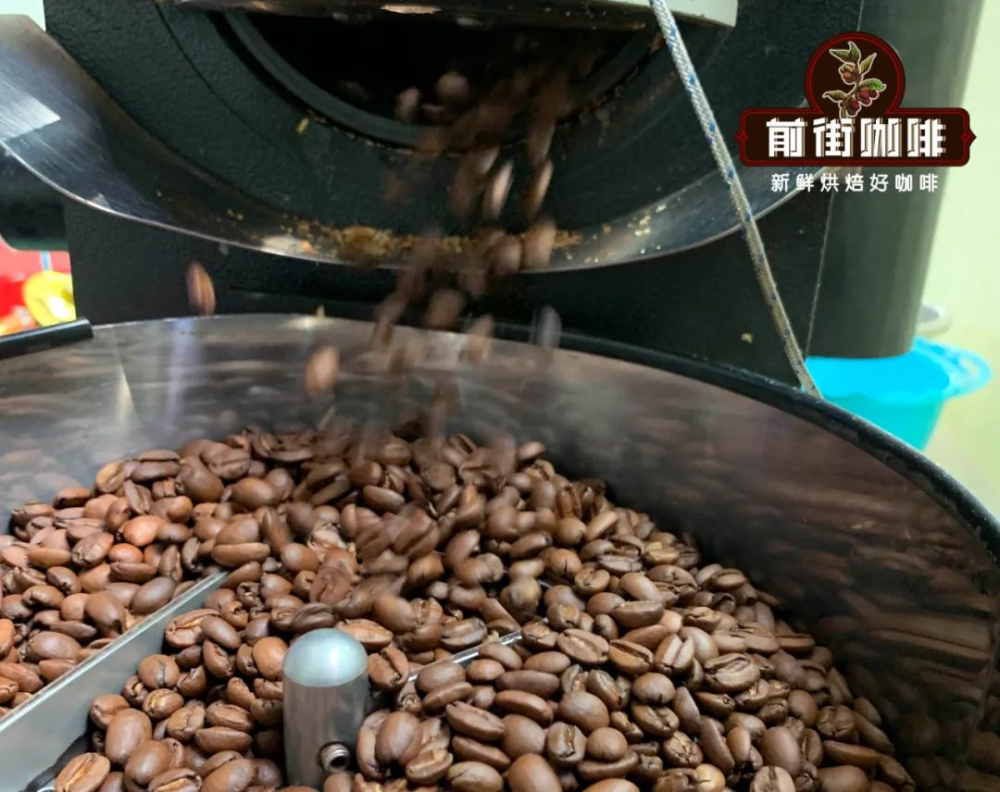
Brew now and you will run into real obstacles. If the grounds have not released all their gas during the bloom, the subsequent extraction of flavor compounds suffers. During the later stages the coffee bed keeps bubbling and releasing gas, creating turbulence and causing uneven extraction, which makes brewing a delicious cup far harder.
After about 4 days of resting, roasted beans will have released 60-70% of their gas. After that, the release becomes less urgent, with small amounts escaping slowly over time. The beans then stabilize, like a mature adult, calm and composed, and their flavor approaches its peak, after which it gradually declines as the remaining gas dissipates.

The swelling of a coffee bag shows that the beans are releasing gas. Degassing is a continuous process. Once all the gas is gone, the beans are no longer fresh, and naturally the flavor is almost spent. Coffee's flavor development is therefore closely tied to degassing: after intense degassing, flavor peaks, then declines as the gas slowly dissipates. Resting beans is precisely about letting them reach their peak flavor performance.
How to Determine Peak Flavor
So how do we know when beans have reached peak flavor? There is no precise data for this. Even roasters' recommendations are only suggestions, and cannot guarantee that 7 days of resting will give the best flavor. It could be day 8, or day 9.

The length of the resting period is influenced by three factors: the degree of roast, the roasting style, and the heat transfer method used during roasting.
Let's start with heat transfer. Roasters today generally use direct flame, semi-direct flame or hot air. Among these three, direct flame usually requires the longest resting time, followed by semi-direct flame, and finally hot air.
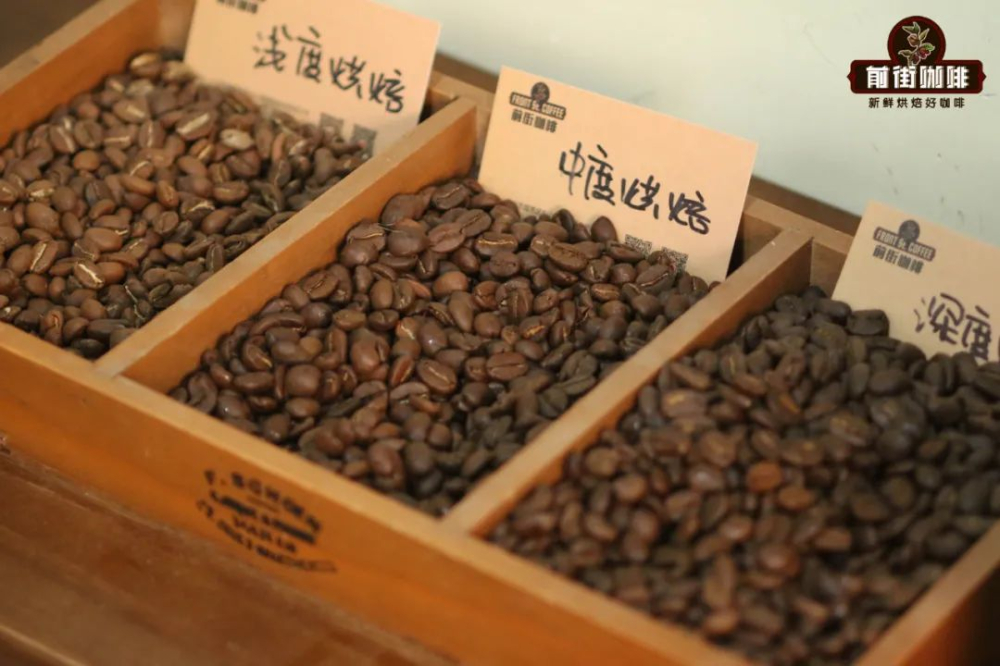
As for roast degree, light roast coffee generally has a shorter resting period than dark roast. Taking FrontStreet Coffee's semi-direct flame roasting as an example, medium-light roasted beans typically rest for about 4-7 days, while medium-dark roasted beans need about 7-10 days to reach optimal flavor.
Roasting style is much like a roasting competition: given the same beans, each competitor's roast turns out differently, and that is the roasting style. On the question of resting, some roasters prefer a fast-paced roast while others like to slow the process down. The resulting beans may share the same primary flavors, but the finer flavors, and the resting period, will differ.
That is why the 4-7 day resting period FrontStreet Coffee mentions does not necessarily apply to every coffee bean. FrontStreet Coffee's conclusion is based on its own roasted beans and should in theory apply only to FrontStreet Coffee beans, and adjustments should still be made to suit actual circumstances.

How Consumers Can Determine Resting Period
As a consumer, then, how should you decide how long to rest your beans? First, understand clearly that every roaster has a different style, so do not force Store A's resting advice onto Store B's beans. Next, know the roast date on the bag.
If you are working with beans from the same roaster, the roasting style will be consistent, which lets you reason from patterns. Understand first that the fundamental purpose of resting beans is to enjoy a cup at its peak, which calls for starting from reality and using your senses. When you meet an unfamiliar bean, brew a cup each day and compare today's taste with yesterday's.

When you notice the coffee improving day by day, and then suddenly one day the aroma and flavor weaken slightly, that turning point is the resting period. Use it as a reference for future beans of the same type. You will not need to taste every bag every day from then on, since opening the bag each time also affects the state of the beans.
FrontStreet Coffee Recommendation
Resting is easiest to judge when you know how a bean was roasted, and FrontStreet Coffee's lineup gives you a clean comparison. For a light, floral and fruit-forward cup, FrontStreet Coffee Gedingding is a washed Yirgacheffe with bright citrus-lime acidity and jasmine over a green-tea and honey finish, best enjoyed after a short rest. FrontStreet Coffee Huakui pushes the fruit further, with strawberry, passion fruit, jackfruit and lychee and a syrupy sweetness, so leaving it a few more days lets the tropical aromatics settle.
Medium-dark beans take longer to settle. FrontStreet Coffee PWN Golden Mandheling is a deep roast with low acidity and a full, long body, showing herbal and dark chocolate notes with a faint earthy edge, and it benefits from a full week or more of rest. FrontStreet Coffee Brazil Queen Estate, with low acidity, balanced body and a nutty, cocoa and caramel sweetness, is a steady everyday choice that also improves with a little patience.
A practical routine helps either way: leave the bag at room temperature, resist opening it more than necessary, and taste a small cup every day or two so you can catch the moment when the aromatics peak.
Important Notice :
FrontStreet Coffee is a long-established specialty coffee roaster in Guangzhou China, selling freshly roasted beans from its own farm in Yunnan as well as dozens of carefully selected single-origin beans from around the world for both pour-over and espresso. The products deliver consistently excellent quality and great value, with shipping within 24 hours. Guangzhou's FrontStreet Coffee shop is recommended by many coffee lovers, and the beans are now available online at the Tmall 。
FrontStreet Coffee has moved to a new address:
FrontStreet Coffee Address: 315,Donghua East Road,GuangZhou
Tel:020 38364473
 Scan and follow the En Gafei WeChat official account. Please indicate that the reprint comes from "En Gafei".