Home Cappuccino Recipe Tutorial - How to Make Cappuccino? Milk Frother & French Press Methods
Cappuccino, which originated in the 1930s, is a blend of espresso, milk, and milk foam. Its exotic name catches the eye, and its rich aroma and delicate, smooth texture have won many hearts. While it's easy to find in coffee shops today, FrontStreet Coffee will show you how to make a cappuccino at home with minimal gear!
What Are the Characteristics of Cappuccino?
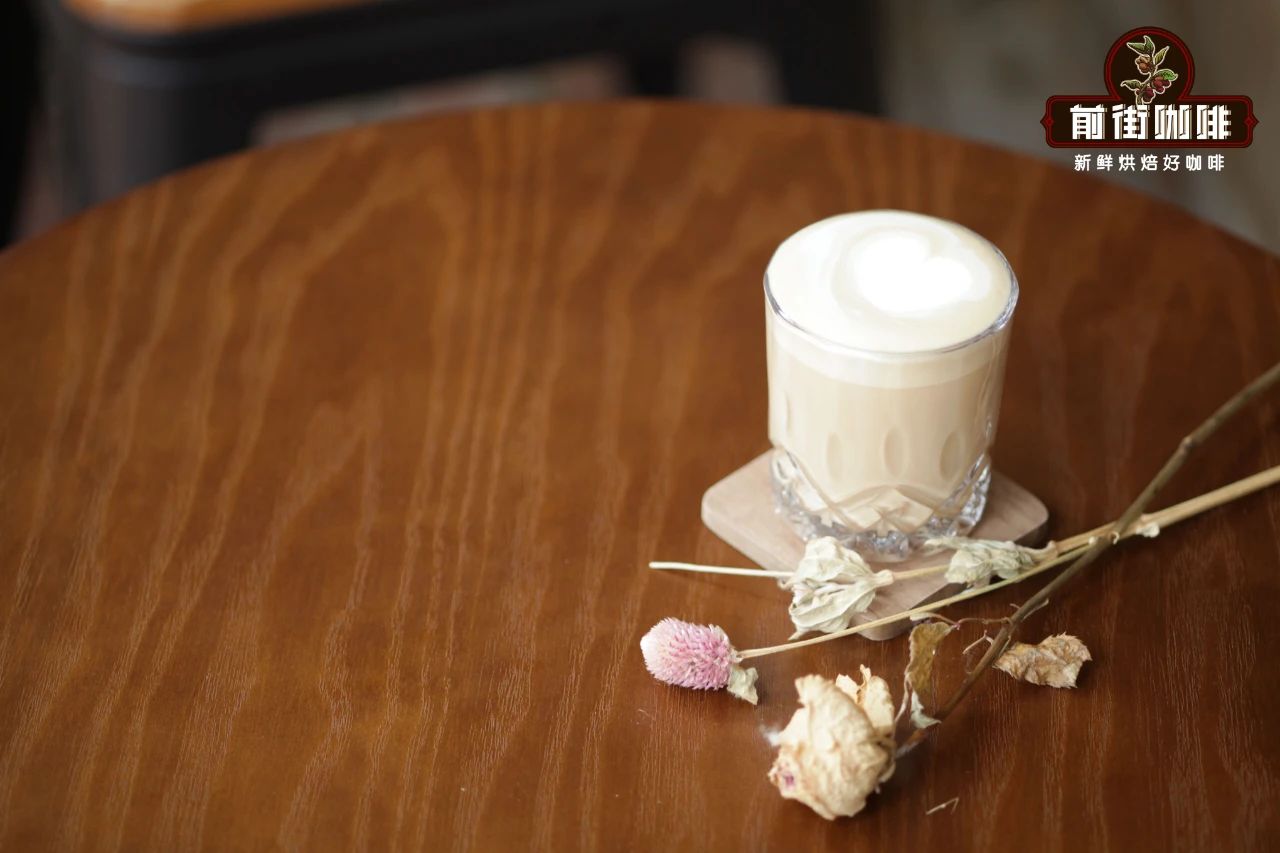
A traditional cappuccino mixes 1 part espresso with 2 parts steamed milk, where the steamed milk includes both liquid milk and foam. On paper the milk-to-foam ratio is 1:1, though in practice the milk usually runs slightly heavier than the foam. In "Latte Art," cappuccino is described as: [The foam of cappuccino has a cream-like effect, at a comfortable temperature between 60-65°C, with its full and comfortable texture caressing the taste buds.]
From this we can pin down several hallmarks of a good cappuccino: ① The coffee flavor must be rich enough not to be masked by the milk; ② The foam should be delicate and thick, giving a full texture; ③ The serving temperature should sit between 60-65°C for comfortable drinking.
Tips for Making Cappuccino at Home
Most households don't own the specialized machines a café uses, so we need workarounds with accessible tools. FrontStreet Coffee's approach is to break the drink into its espresso and steamed milk components and tackle them one at a time.
Espresso
You can brew rich black coffee with crema without an espresso machine, and the moka pot is undoubtedly the best choice. The moka pot is also Italian: if the espresso machine is the standard equipment of Italian coffee bars, the moka pot is the standard of Italian kitchens. Brewing with one is very simple; for details, see the earlier article "Barista Training Guide | How to Use a Moka Pot to Brew Coffee."

Moka pots are less common among Chinese home brewers, so for that group a pour-over workaround also works. Bean choice matters: go for medium-dark roasts, which won't get lost in the milk and produce a fuller-bodied cup. Here, FrontStreet Coffee used the Warm Sun Blend (Sherry and Yirgacheffe) beans.
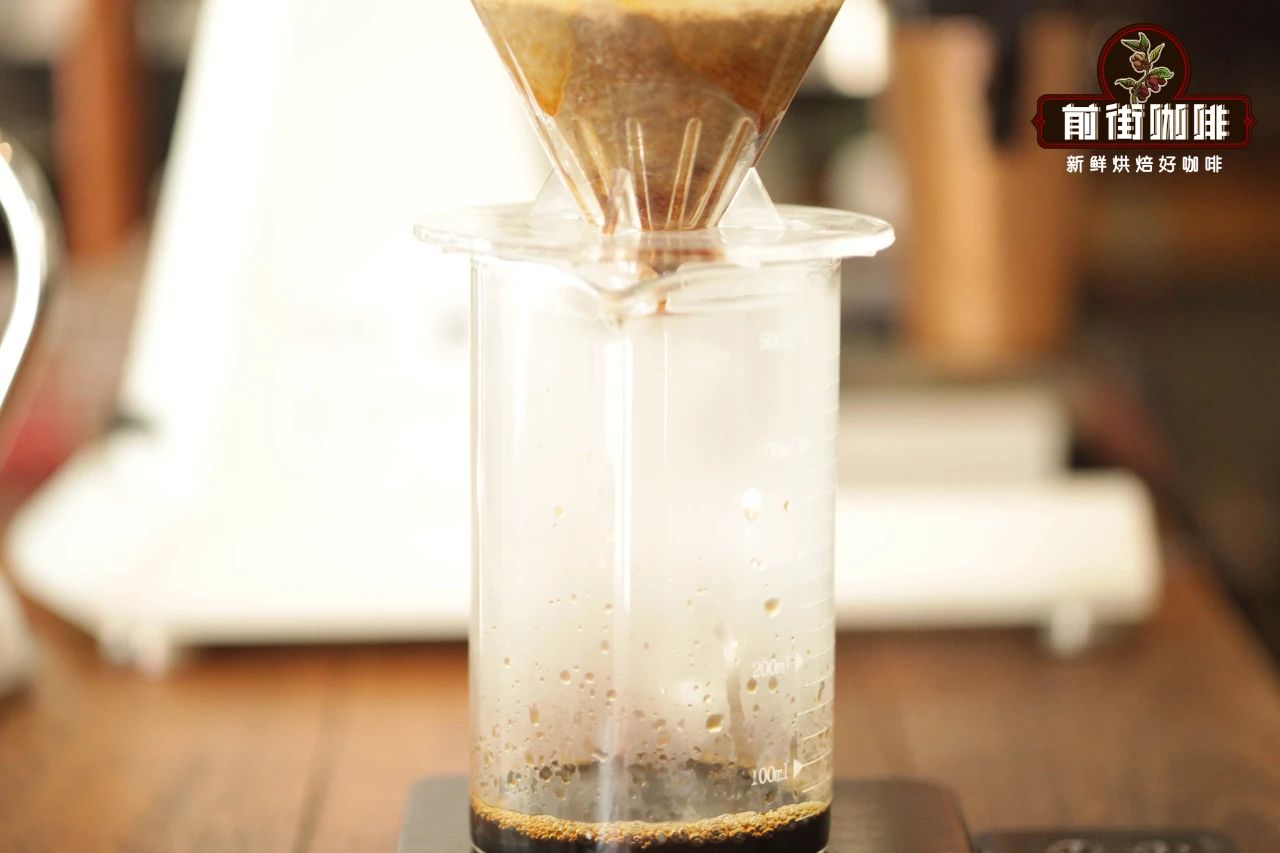
For the brew itself we borrowed principles from the Matsuya style, aiming to extract a relatively complete, high-concentration coffee liquor. If you have flannel, use it as the filter for a higher concentration; if not, a dripper with filter paper works, but choose one with a slower flow rate. FrontStreet Coffee used a KONO dripper this time.
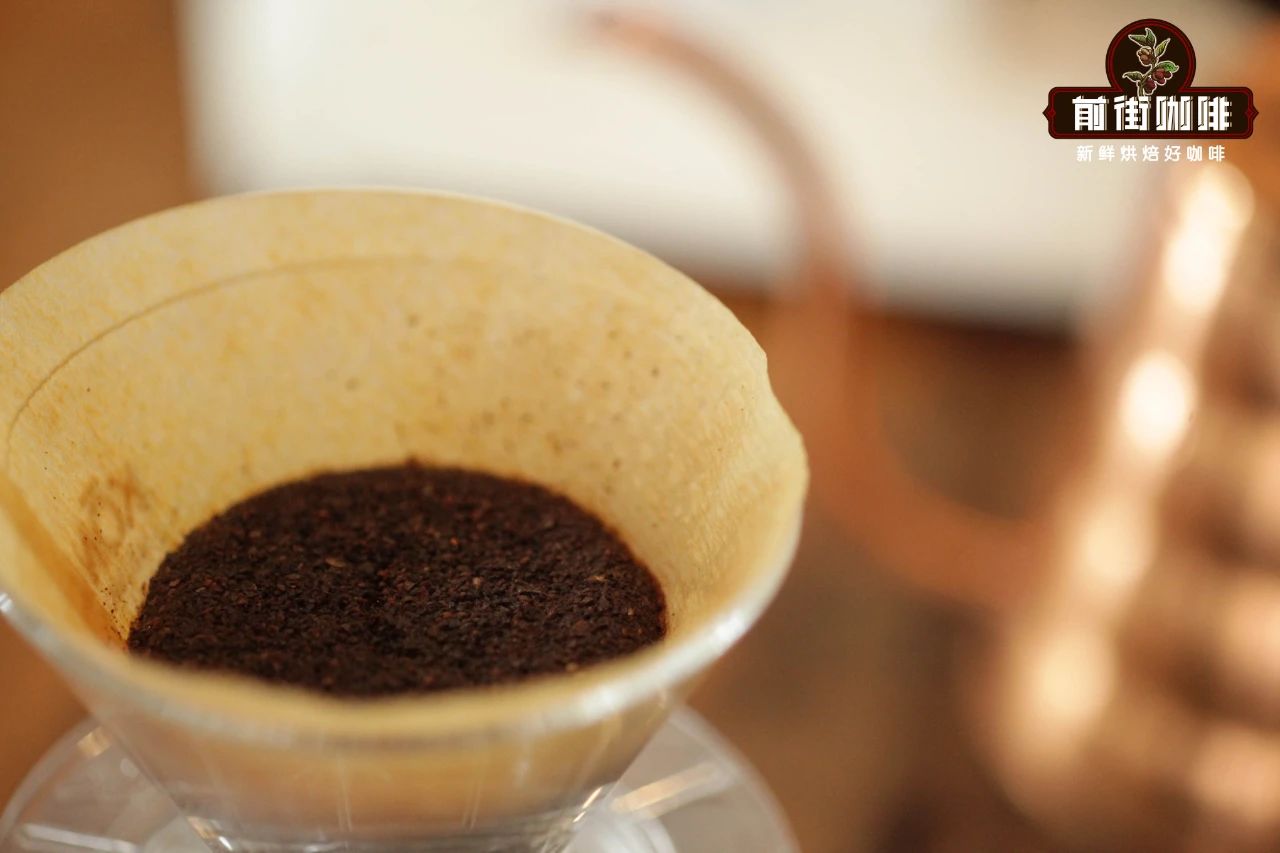
Use 20g of coffee, ground to 80% pass through a #20 standard sieve (finer than your usual medium-dark pour-over). The ratio is 1:4, meaning we extract 80ml of coffee liquor in the end, with water at 90°C.
Start with a 30ml pour for a 3-minute bloom. Medium-dark grounds absorb water readily, and pouring 1.5 times the dose minimizes liquid loss during the bloom. Since we're only taking the first part of the extraction, there's no need to worry about bitterness from a long bloom. Keep your kettle on its keep-warm setting so the water stays at 90°C. When the time is up, pour in circles from the center outward. Stop and remove the dripper once you've collected 80ml of coffee liquor, and your espresso stand-in is ready.
Steamed Milk Foam
Without a steam wand for heating and frothing, milk foam is admittedly less convenient, but there are plenty of solutions, such as electric milk frothers or manual frothing pots. The former whips a vortex to inject air into the milk, while the latter uses a repeatedly pulled metal mesh to work air into the milk and create fine foam.
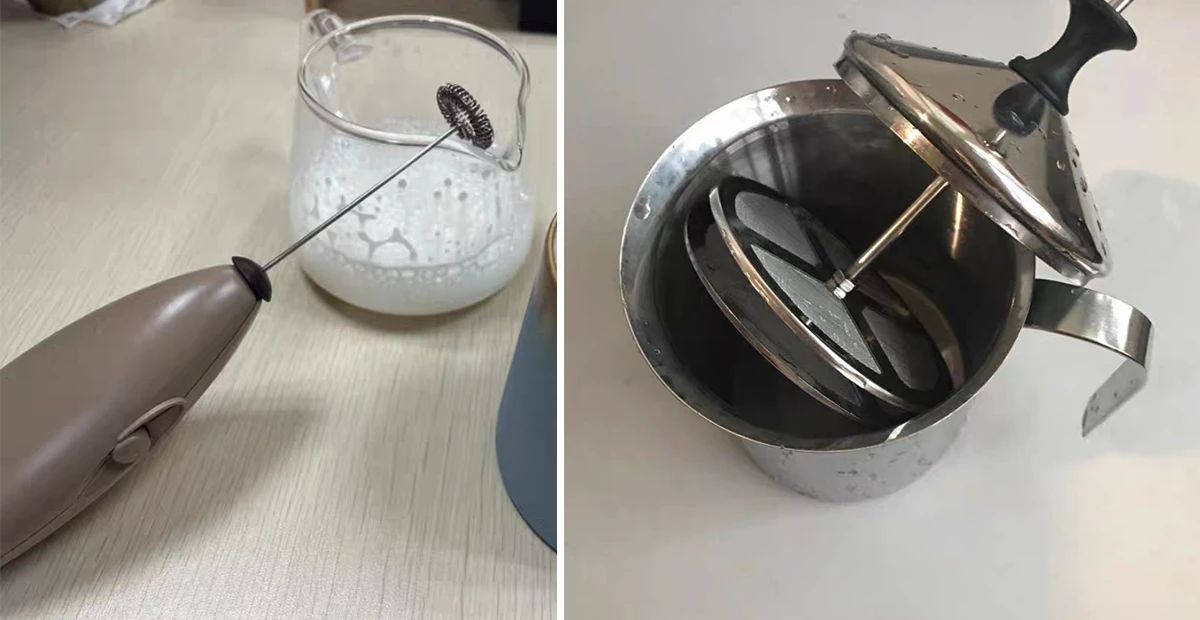
Electric milk frother (left), manual milk frothing pot (right)
Image from enthusiastic netizens
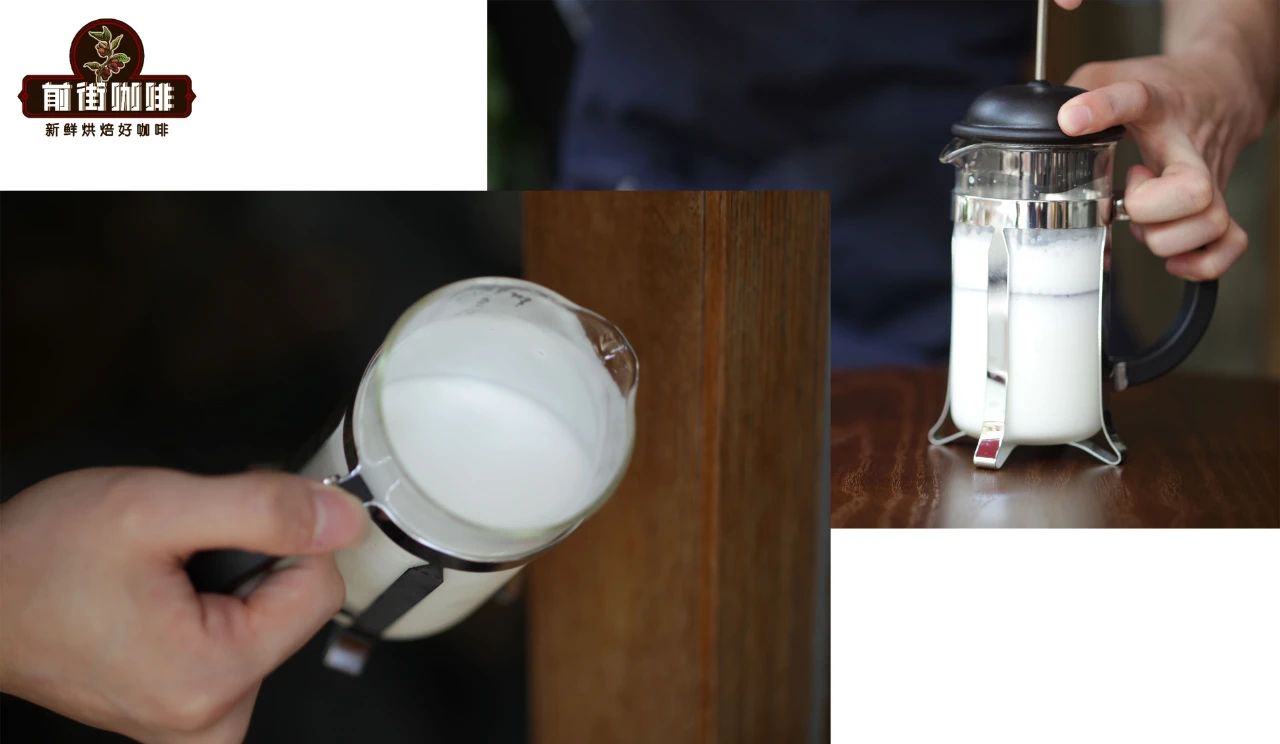
Of course, the ever-useful French press can froth milk too, on the same principle as the frothing pot. First heat the milk to 65°C, using a microwave, a flat-bottomed pan, or even a double boiler. Then pour the milk into the French press and pump the plunger up and down for about 30 seconds. When the milk volume has expanded by 1/2, it's done. If large bubbles sit on the surface, scrape them off with a spoon.
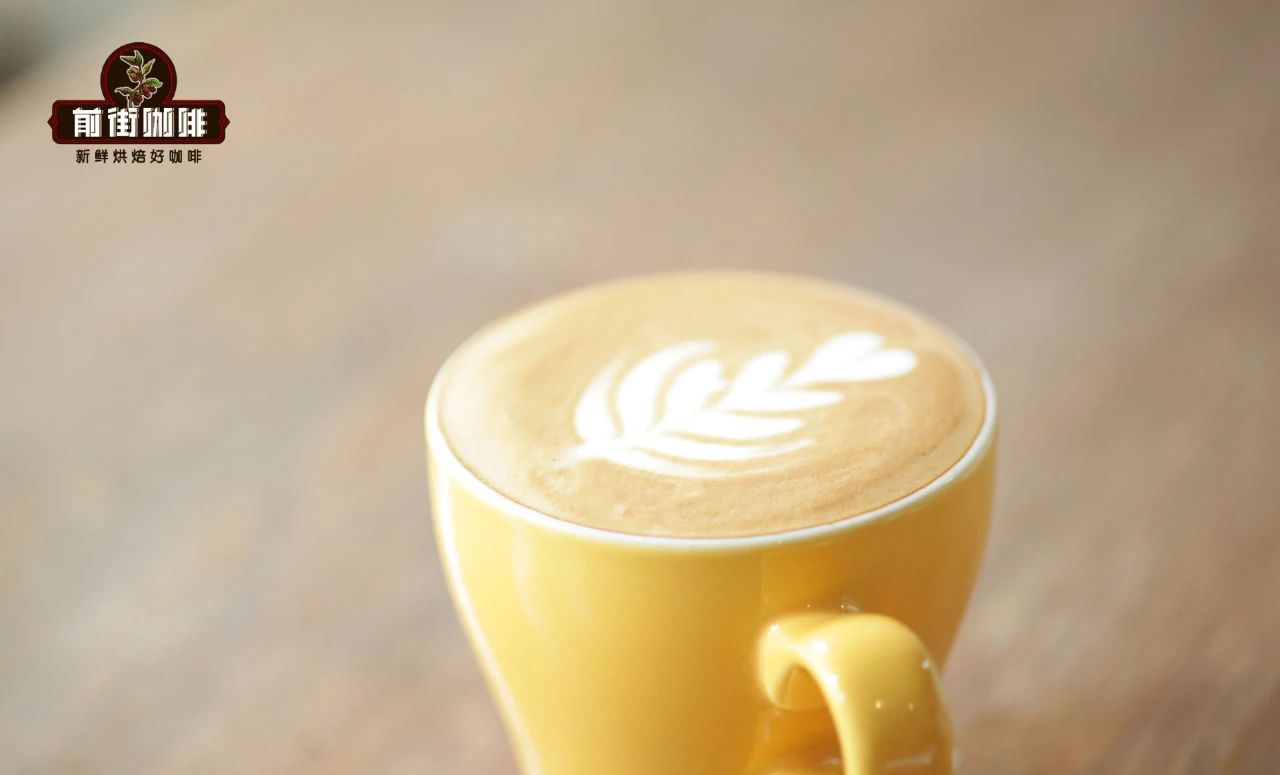
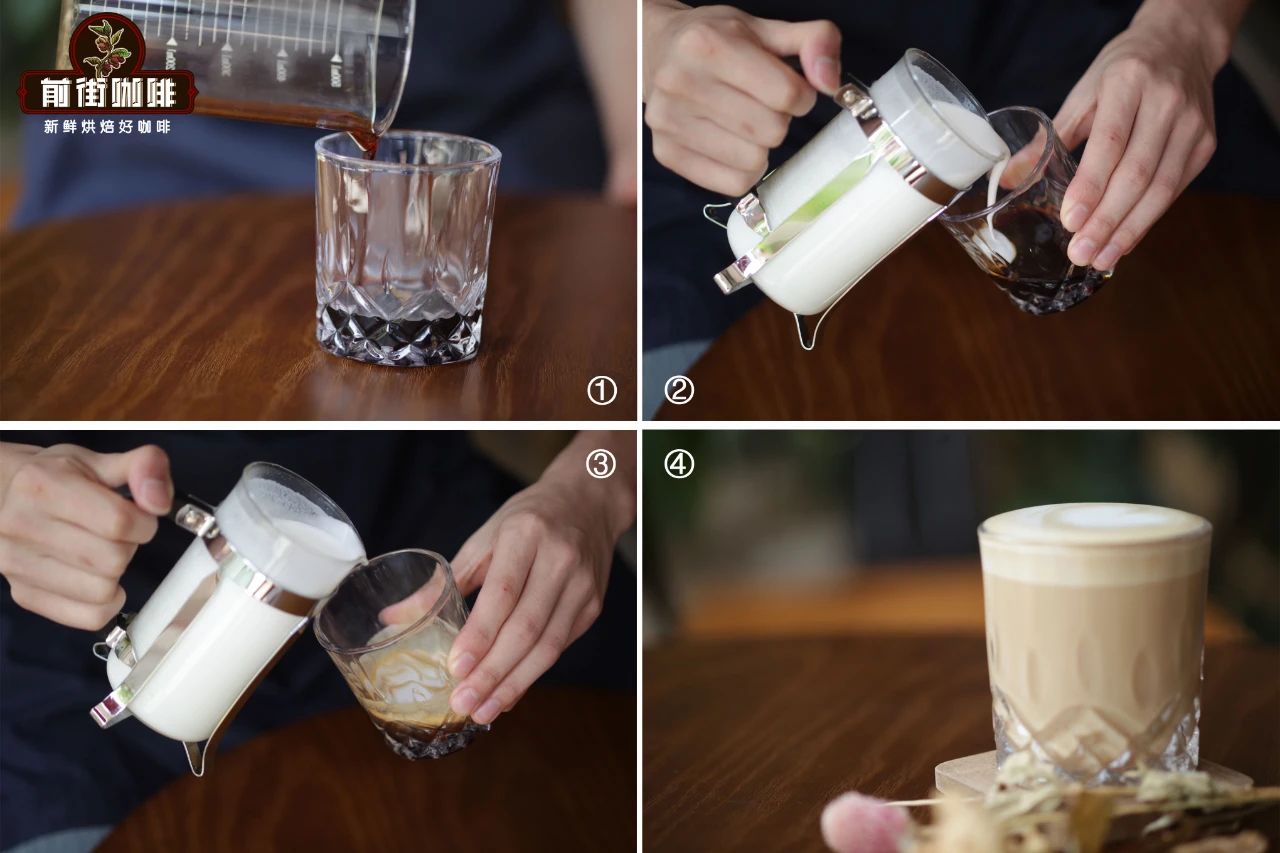
Now combine the coffee with the foamed milk and even pour a simple latte art pattern. First add a small amount of milk to blend with the coffee, then proceed as usual to create your pattern. A homemade cappuccino, complete!
FrontStreet Coffee Recommendation
For a home cappuccino, bean choice makes or breaks the cup. Moka pots work well with blends, and FrontStreet Coffee has several designed exactly for espresso-style brewing.
FrontStreet Classic Blend: Designed specifically for espresso and moka pot brewing, its biggest strength is outstanding crema. Even a beginner with a non-professional home machine can pull dense, fine crema, which is exactly what lattes, cappuccinos, and Dirties depend on. It uses the traditional Mamba recipe (Mandheling and Brazil) for a mellow, rounded body that both seasoned drinkers and newcomers accept easily. A safe first choice for home or commercial use.
FrontStreet Black Cocoa Blend: Not everyone chases maximum crema; for beginners or café owners watching costs, great taste at a fair price is what matters. This blend uses 100% Arabica beans, with ample crema and a full body at a friendly price, balancing quality and value. A worry-free, wallet-friendly pick for shop owners.
FrontStreet Commercial Blend: Before FrontStreet Coffee's Black Cocoa Blend launched, this was the mainstay bean for cafés. Priced below the Specialty Blend, its recipe doesn't chase extreme crema but is optimized to keep flavor solid while controlling costs, which has kept it a long-running favorite for commercial settings of all kinds.
FrontStreet Specialty Blend: The longest-serving espresso blend at FrontStreet's own shops, close to ten years of handling core drinks like americanos and lattes. It pairs Brazil Cerrado with Colombia Huila for a classic flavor, the familiar espresso taste most of us remember, suited to home and café alike.
FrontStreet PWN Indonesia Golden Mandheling: A dark-roast single origin with very low acidity and a thick, lingering body: herbal and dark chocolate aromas with a faint earthiness and rich layers, ideal for heavy-cup drinkers who avoid acidity. FrontStreet was among the first brands to publish PWN's exclusive jute bags and certificates in its product listings, so authenticity is easy to verify from the photos and accompanying documents.
FrontStreet Brazil Fazenda Rainha: Low acidity, a very balanced cup, rich nut and cocoa aromas with clear caramel sweetness, smooth and never astringent, warm and lingering. Whether pour-over, espresso, or moka pot, it fits the bill.
FrontStreet Papua New Guinea Paradise Bird: A specialty single origin from Paradise Bird Estate in PNG's Sigri region, nicknamed "Little Blue Mountain" for its Blue Mountain-like texture. It uses Typica of the same lineage as Blue Mountain, grown at 1600-1800 meters in volcanic soils that give the beans full inner substance, and it meets AA grade with plump beans and an extremely low defect rate. Triple washed fermentation keeps the cup clean and pure with outstanding sweetness, another excellent low-acid option.
FrontStreet Colombia Sidra: From Colombia's La Línea Estate, a competition-champion variety grown at 1650-1800 meters. Double anaerobic natural processing plus a medium-light roast preserves the original fruit character: jasmine and citrus on the dry aroma, then a dense juice of passion fruit, blueberry, grape, and apricot, with bright but gentle acidity, a whisper of spice mid-palate, and a lasting cocoa finish. It adapts to pour-over, espresso SOE, and cold drip, and iced pour-over highlights a fresh, silky grape-juice texture.
FrontStreet Strawberry Candy: A popular fruit-forward espresso blend that recreates the sweet aroma of strawberry gummies by fusing the native characters of Arabica beans from different origins. Perfect for daily home drinking or for cafés wanting a distinctive fruit-toned milk coffee, and it handles multiple brewing styles in one bag, a truly versatile house bean.
Important Notice :
FrontStreet Coffee is a long-established specialty coffee roaster in Guangzhou China, selling freshly roasted beans from its own farm in Yunnan as well as dozens of carefully selected single-origin beans from around the world for both pour-over and espresso. The products deliver consistently excellent quality and great value, with shipping within 24 hours. Guangzhou's FrontStreet Coffee shop is recommended by many coffee lovers, and the beans are now available online at the Tmall 。
FrontStreet Coffee has moved to a new address:
FrontStreet Coffee Address: 315,Donghua East Road,GuangZhou
Tel:020 38364473
 Scan and follow the En Gafei WeChat official account. Please indicate that the reprint comes from "En Gafei".