Kenya Coffee Bean Flavor Profile and Characteristics | Introduction to SL28 Coffee Variety History, Flavor, and Brewing Methods
Kenyan coffee, like Ethiopian coffee, represents the finest of African coffees. Its acidity is stronger than Ethiopian coffee's, with a more pronounced juiciness. Some say the taste of FrontStreet Coffee's Kenyan coffee is like eating cherry tomatoes, with a mouth full of juicy sensation; others claim that if Kenyan coffee doesn't have the flavor of small tomatoes, then it isn't FrontStreet Coffee's Kenyan coffee. In reality, FrontStreet Coffee believes that coffee, as an agricultural product, will have slight variations in flavor each year or each harvest season, but its main characteristics remain unchanged.
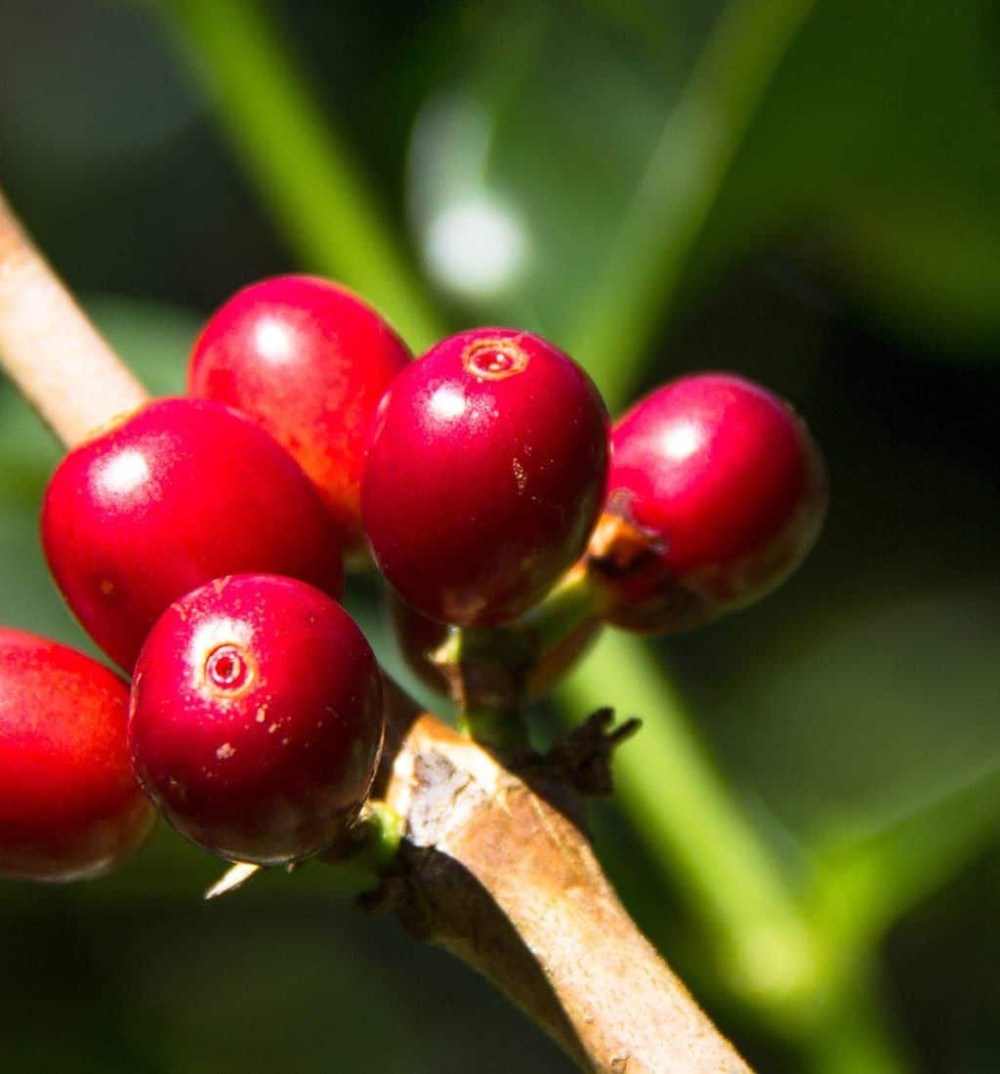
Kenya is the world's 16th largest coffee-producing country and is now recognized as a renowned specialty coffee origin. The country's coffee-growing regions, especially the central highlands, provide fertile acidic soil ideal for coffee cultivation. Kenya, officially the Republic of Kenya, is located in eastern Africa, with the equator crossing through its center and the East African Rift Valley running north to south. It borders Somalia to the east, Tanzania to the south, Uganda to the west, and Ethiopia and Sudan to the north, with the Indian Ocean to the southeast. The country consists mainly of highlands with an average elevation of 1,500 meters. Mount Kirinyaga (Mount Kenya) in central Kenya reaches 5,199 meters, with snow on its summit, making it the second-highest peak in Africa. This altitude suits coffee beans developing their flavors: the lower temperatures in mountainous areas slow growth, allowing the aromatic components in the beans to develop fully, resulting in more pronounced fruit acidity and harder density. This crescent-shaped fertile region is the main production area for Kenya's specialty coffee beans.
Kenya lies south of Ethiopia and Yemen, just a few hundred kilometers from these two world-famous coffee-producing countries. Its coffee cultivation history is much shorter than theirs, though: not until the late 19th century were coffee seeds brought to this land by missionaries. Kenya belongs to the tropical growing region, with two rainy seasons each year, allowing for two harvests: 60% concentrated from October to December and the remaining 40% from June to August.
Major Coffee Growing Regions in Kenya
Kenya's coffee regions are divided primarily into six main growing areas: Thika, Kirinyaga, Mt. Kenya West, Nyeri, Kiambu, and Muranga. The harvest periods for all six occur from October to December (main season) and June to August (secondary season). Among them, Nyeri and Kirinyaga are the most famous. Nyeri is located in the high mountain areas near Mount Kenya and is an important specialty-grade coffee region in Kenya, with an average elevation exceeding 1,500 meters. Many of Kenya's finest coffees are produced there. Nyeri's high altitude, east of the Aberdare Mountains and on the peninsula between Mount Kenya and its surroundings, combined with its elevated terrain and fertile soil, makes it a central hub for Kenyan coffee, with well-developed coffee-related industry facilities.
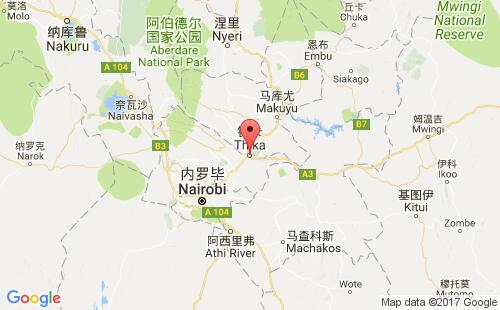
The Kirinyaga region sits on the slopes of Mount Kenya, at elevations of 1,300-1,900 meters. Adjacent to the Nyeri region, it is world-renowned for coffees with intense flavors, rich complexity, and substantial mouthfeel. Together with Nyeri, it is recognized as one of Kenya's two finest coffee-producing areas.
FrontStreet Coffee's Kenyan Coffee Bean Varieties
Coffee is Kenya's second export commodity after tea. Kenya primarily produces Arabica coffee beans, considered among the world's finest coffee varieties.
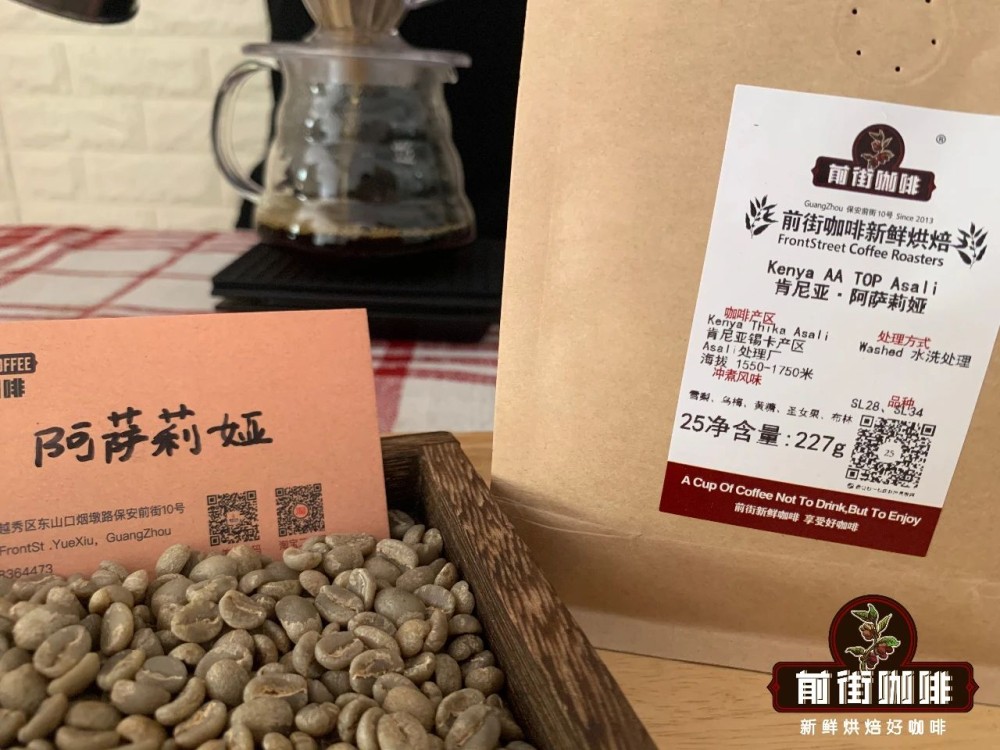
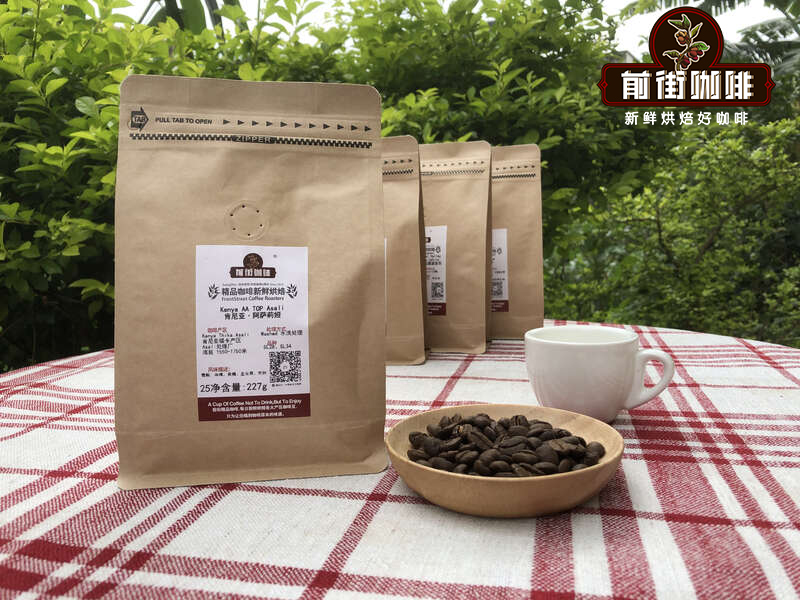
Kenya grows high-quality Arabica coffee beans that absorb almost the essence of the entire coffee tree. They possess a subtle acidity and rich, thick fragrance, along with bright, complex, fruit-like flavors and grapefruit aroma. They suit both pour-over and cold drip brewing. FrontStreet Coffee frequently uses FrontStreet Coffee's Kenya Asalia coffee beans to make cold drip coffee. The acidity of FrontStreet Coffee's Kenya Asalia is very lively, resembling a glass of juice. Used for cold drip coffee, it carries the fresh fragrance of cherry tomatoes and grapefruit, with a refreshing, light acidity that is perfect for summer. For this reason, Europeans particularly love Kenyan coffee, especially in the United Kingdom, where it has surpassed Costa Rican coffee to become the most popular coffee.
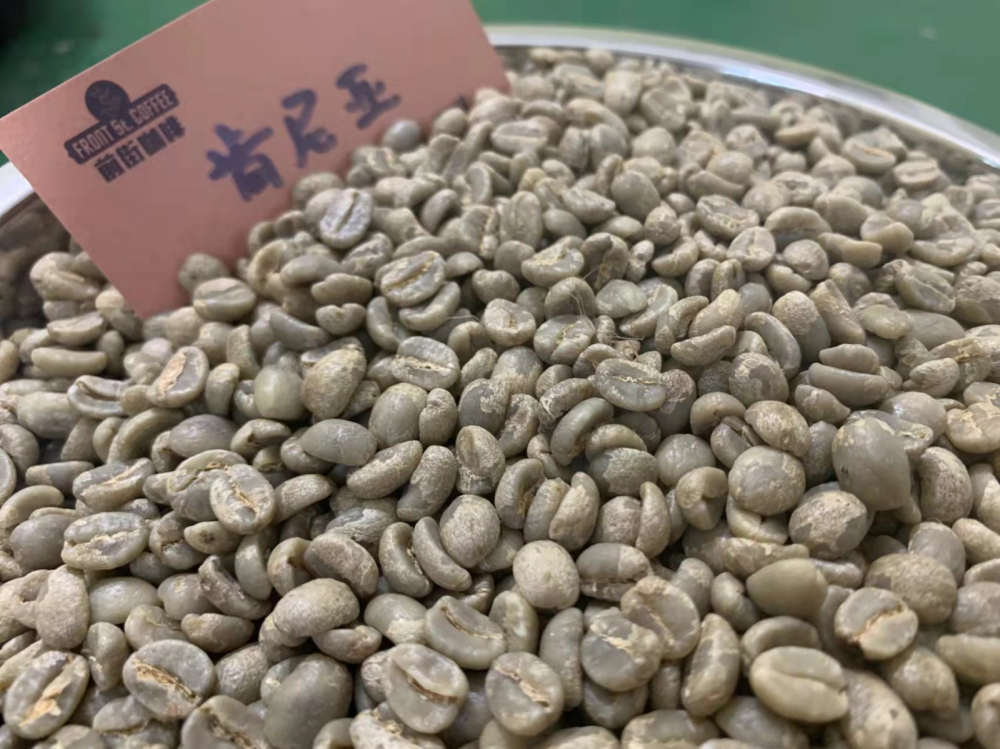
FrontStreet Coffee's Kenyan coffee is typically associated with bright acidity, a rich, full body, and unique cup flavors. Some of the most popular varieties in China include K7, Blue Mountain, Batian, Ruiru 11, and the SL series. The SL series in particular has been cultivated in Kenya for nearly 90 years. Although it encompasses many varieties, the two most popular are SL-28 and SL-34.
SL28
The SL28 coffee bean variety emerged because the Kenyan government placed great importance on coffee cultivation. In the 1930s, the government established a laboratory specifically responsible for selecting coffee varieties for future cultivation in Kenya. At the time, the ancient Typica variety had poor resistance to diseases and pests and was difficult to cultivate. Kenya's coffee cultivation history was not long, which made variety selection crucial. Once good varieties were selected, they could be promoted to farmers from top to bottom, freeing them from pest disasters.
This laboratory is now Kenya's renowned "Scott Laboratories." Between 1935-1939, it selected forty-two different individual coffee trees from various sources, studying their yield, quality, and resistance to drought and disease. They were named with the capitalized initials "SL" from the laboratory's English name.

SL28 was first selected in 1935 from a single tree of a drought-resistant variety from Tanganyika. According to historical records, in 1931, AD Trench, a coffee breeder at Scott Laboratories, discovered a variety that seemed to tolerate drought and disease during an inspection of Tanganyika (now Tanzania) in the Moduli area. He collected seeds and brought them back to Scott Laboratories. After confirming its drought resistance, it was widely cultivated until replaced by its descendant, SL28.
Even today, SL28 remains one of Africa's most famous and respected varieties. It has spread from where it was selected in Kenya in the 1930s to other parts of Africa (especially Uganda's Arabica growing areas) and now to Latin America. The SL28 variety suits medium to high altitude areas and has drought resistance, but is sensitive to major coffee diseases. SL28 can be found in many parts of Kenya, where even trees aged 60-80 years remain highly productive. Recent genetic testing has confirmed that SL28 belongs to the Bourbon genetic group. SL28 variety coffee beans therefore resemble Bourbon varieties, with rounded, thick shapes.
The SL-28 plant is tall with green, pointed leaves, high yield, and excellent flavor performance. It requires almost no additional nutrition and is drought-resistant, but is susceptible to coffee leaf rust, coffee berry disease (CBD), and soil nematodes.
Flavor Profile of SL28 Variety
The flavor of the SL28 variety indeed contains the bright characteristics of original Bourbon, and even the colorful acidity of the original Mocha variety, along with other more complex flavors and a rich mouthfeel. Although SL28's yield later didn't meet expectations, its copper-colored leaves and fava-bean-shaped coffee beans have excellent sweetness, balance, and complex flavors, as well as distinct citrus and dried plum characteristics. The colorful fruit acidity, rich taste, and beautiful balance are particularly noteworthy. Most importantly, only when grown in Kenya can SL28 exhibit these unique characteristics; SL28 grown in other countries shows only similar flavors.
SL34
SL34 was first selected from the "French Mission" (Bourbon variety) at the Loresho Estate. According to FrontStreet Coffee's research, however, current genetic testing of this coffee bean variety has confirmed it has Typica genetic group characteristics, and its plant characteristics are also similar to Typica. It is therefore believed that SL34 originated from Typica. Because SL34 is close to the Typica variety, its coffee beans are elongated and oval-shaped, appearing relatively flat from the side.
The SL-34 plant also has relatively high nutritional requirements and slightly lower yield. Very similar to SL-28, it is also highly susceptible to CBD, leaf rust, and pests.
What Are the Flavor Differences Between SL28 and SL34 Coffee Beans?
After understanding the characteristics of these two coffee beans, FrontStreet Coffee would like to share the differences between them. According to FrontStreet Coffee's understanding, SL-28 has gained higher recognition, while SL-34 has higher yields and is grown at slightly lower altitudes. According to SL laboratory botanists, SL28 and SL34 are genetic variants. Among them, SL28 has mixed lineage of Mocha and Yemeni Typica. The original goal of breeding SL28 was to produce coffee beans in large quantities that combined high quality with resistance to diseases and pests. Although SL28's yield later didn't meet expectations, it has been passed down to this day because of its copper-colored leaves and fava-bean-shaped beans with excellent sweetness, balance, and complex flavors, as well as significant citrus and dried plum characteristics.

FrontStreet Coffee believes that SL34 has similar flavor characteristics to SL28 coffee beans, but with a heavier, richer, and cleaner mouthfeel alongside complex acidity and an excellent sweet finish. SL34 has more Bourbon and more Typica lineage. Many of FrontStreet Coffee's Kenyan single-origin coffee beans are therefore currently blends of SL28 and SL34 varieties.
Ruiru 11
Ruiru appeared after SL28 and SL34. According to FrontStreet Coffee's understanding, in the 1970s the Ruiru station began experimenting with cultivating different CBD- and rust-resistant varieties. The result was Ruiru 11, released in the 1980s. With high yield and CBD and rust resistance, this seemed to be the solution to all of Kenya's coffee production problems.
Batian
The Batian variety was launched by the Coffee Research Institute (CRI) on September 8, 2010, and is the latest variety offered by Kenya. It represents further experimentation based on lessons learned from Ruiru 11. Genetically, it is essentially selected from backcrosses of SL28 and SL34, making it closer to SL28 than Ruiru 11. This eliminates the problematic Robusta variety coffee bean elements, thereby improving cupping quality.
FrontStreet Coffee's Kenyan Coffee Bean Grading System
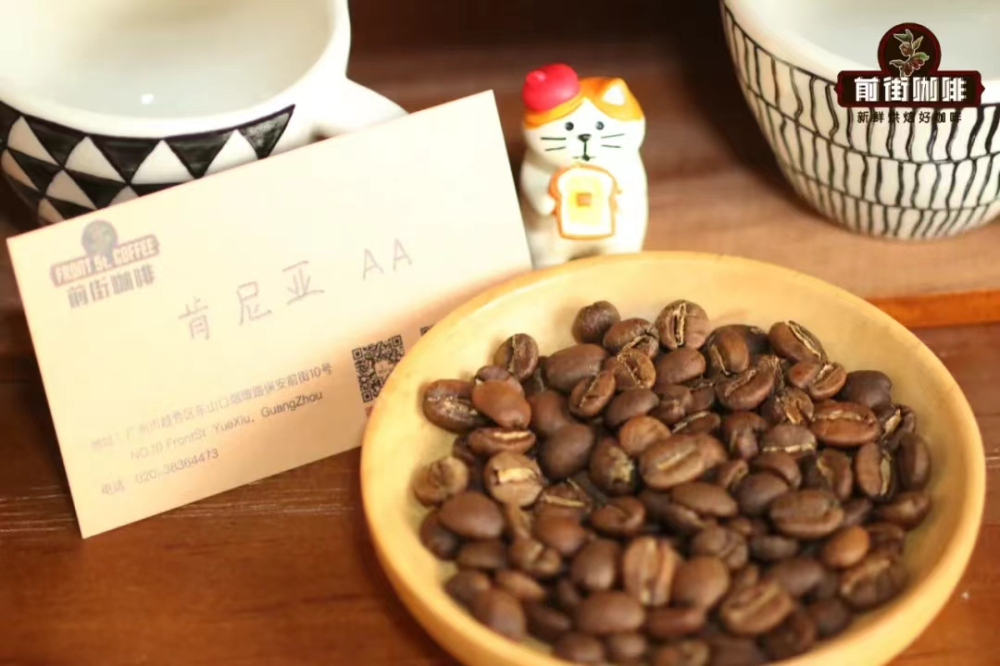
Kenyan coffee grading is based primarily on the size, shape, and hardness of coffee beans, ranked from high to low as AA or AA+, AB, PB, C, E, TT, and T. For AA and AB grade green coffee beans, special grading based on cupping results has been added (not officially recognized by the Kenyan government, but established by exporters), ranked from high to low as TOP, PLUS (+), and FAQ. The flavor grade of FrontStreet Coffee's Kenya Asalia coffee has reached the TOP grade.
FrontStreet Coffee's Kenyan Coffee Bean Processing Method
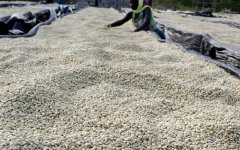
Generally, the washed processing method for coffee beans involves first removing the skin and pulp of the cherries, leaving only a thin layer of mucosa for washing and fermentation for 24-48 hours, followed by machine or sun drying. Kenyan-style washed processing is quite different, with the entire fermentation process reaching 72 hours.
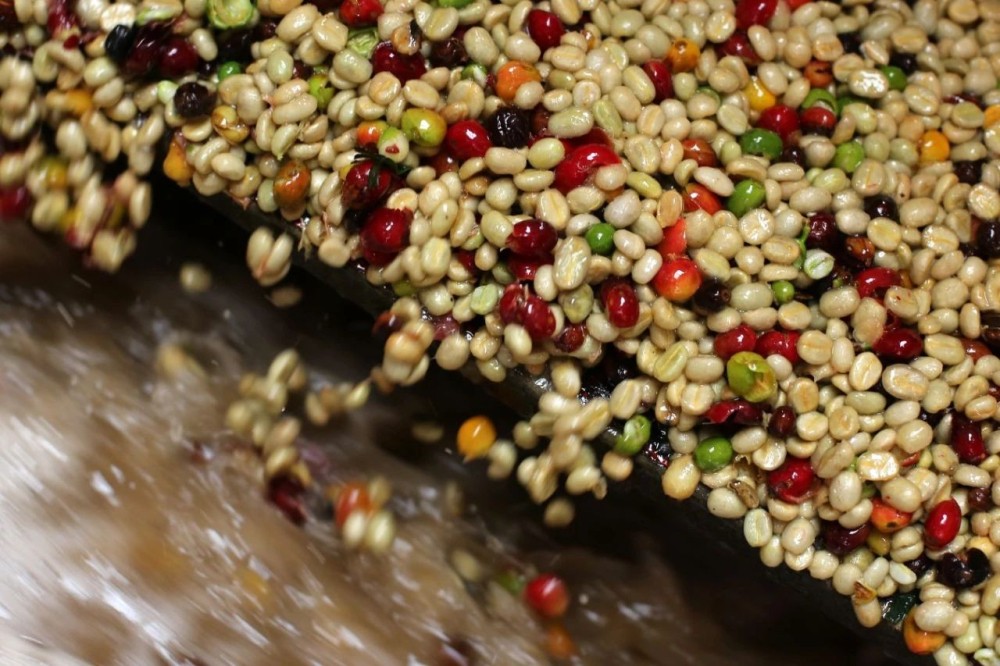
Kenyan-style washed processing uses a cyclic method of washing after fermentation. The highest quality cherries are selected on the harvest day for depulping and fermentation, which lasts 24 hours. After 24 hours they are washed with clean river water, then fermented again in clean river water for 24 hours, followed by another wash. This cycle is repeated 3 times, reaching 72 hours, hence called Kenyan-style 72-hour fermentation washed processing, abbreviated as K72. FrontStreet Coffee believes this method lets the beans ferment for a long time at low temperatures, giving them brighter, cleaner, yet fuller flavors.
FrontStreet Coffee's Brewing Parameters for FrontStreet Coffee Kenya Coffee
To bring out the acidity of FrontStreet Coffee's Kenya coffee, FrontStreet Coffee uses high-temperature water for brewing.
FrontStreet Coffee uses a medium-fine grind (coarse-sugar consistency, 80% pass-through rate with China's No. 20 standard sieve). Using 15g of coffee powder, combined with a V60 dripper, 91°C water temperature, a 1:15 coffee-to-water ratio, and a three-stage pouring technique.
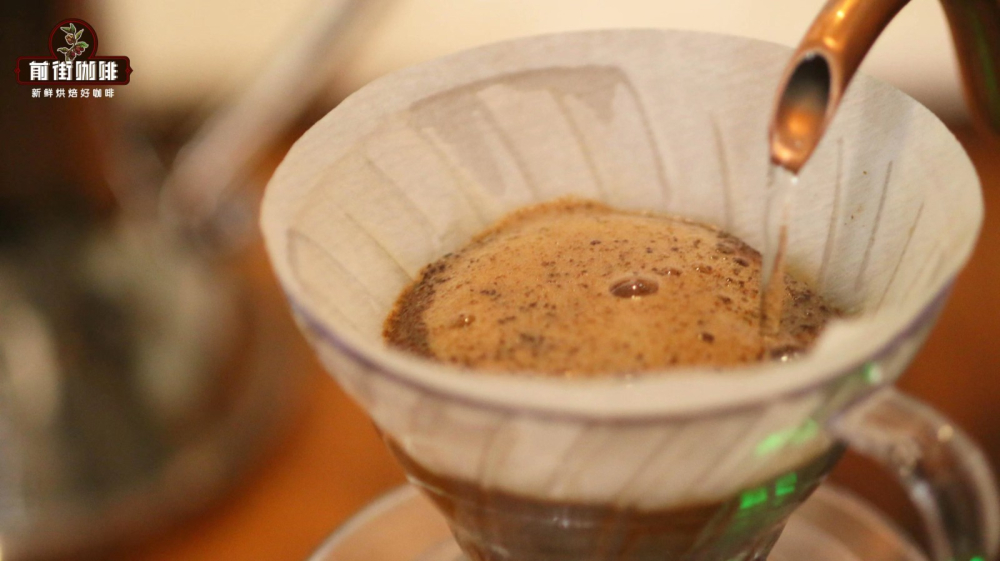
Using segmented extraction, bloom with twice the amount of water as the coffee powder, i.e. 30g of water for 30 seconds. Blooming is necessary to let the coffee powder release internal carbon dioxide gas, making the subsequent extraction more stable. With a small water stream, pour in a circular motion until reaching 125g, then continue pouring to 225g and stop. Wait until the water in the dripper has finished dripping, then remove the dripper. From the start of pouring, extraction time is 2'00". Next, take the entire cup of coffee and shake it evenly, then pour into a cup for tasting.
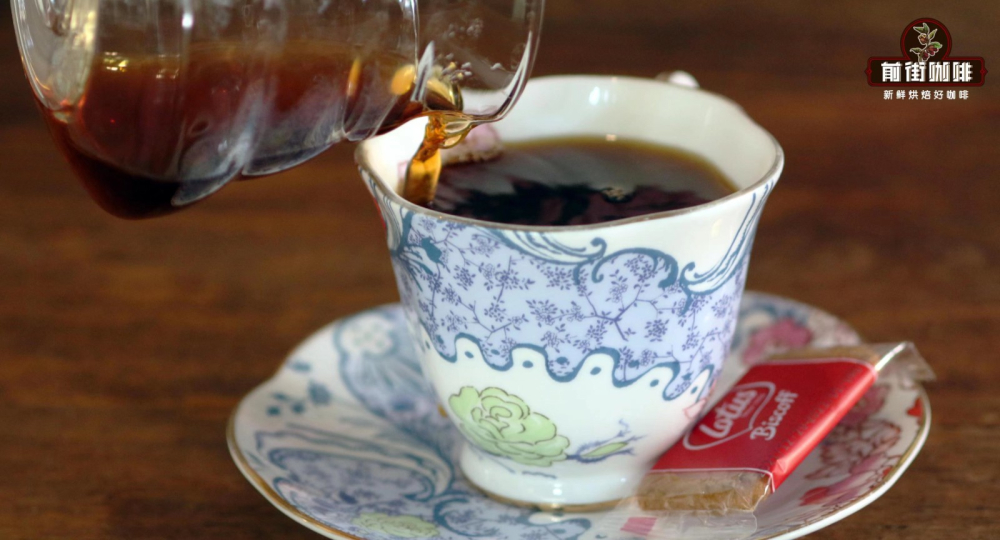
FrontStreet Coffee's Kenya Asalia coffee bean flavor: the wet aroma has ripe tomato and floral notes. On entry, flavors of cherry tomatoes and dried plums emerge, with bright acidity, a clean and rich mouthfeel, prominent sweetness in the middle section, a juicy sensation, and a finish of berry fragrance and brown sugar sweetness, with green tea aroma.
FrontStreet Coffee's Brewing Suggestions
Regarding coffee brewing, FrontStreet Coffee has always believed that the freshness of coffee beans greatly affects the flavor of coffee. FrontStreet Coffee therefore ships coffee beans roasted within 5 days. Its roasting philosophy is "Freshly Roasted Good Coffee," ensuring that every customer who places an order receives the freshest coffee on arrival. The coffee's resting period is about 4-7 days, so when customers receive it, it is at its peak flavor.
For friends who need ground coffee, FrontStreet Coffee kindly reminds you: if coffee beans are ground in advance, there is no need for a resting period, because during transportation the pressure from carbon dioxide inside the package also helps round out the coffee's flavor, so you can brew a cup immediately on receiving the ground coffee. Ground coffee does need to be brewed promptly, however, because coffee powder oxidizes quickly when exposed to air, meaning the flavor dissipates relatively quickly and the coffee won't taste as good. FrontStreet Coffee therefore suggests purchasing whole beans and grinding fresh before brewing to better experience the coffee's flavor.
FrontStreet Coffee Recommendation
To see how Kenya's vivid acidity sits alongside other African origins, FrontStreet Coffee's Ethiopia lineup is a useful comparison. FrontStreet Coffee's washed Yirgacheffe is the ideal starting point: clear jasmine florals and bright citrus acidity from a southern town where spring-like weather, mist, and cool humidity let thousands of coffee trees thrive. The cup is light, elegant, and tea-like - like a clean, refreshing lemon tea.
FrontStreet Coffee's washed Gudingding cooperative coffee comes from Gudingding village in the Worka area at the southeastern edge of Yirgacheffe. It was originally part of the Worka cooperative under the YCFCU and became independent in 2012 with about 300 member farmers. Because the fruit is pulped before drying, the coffee's intrinsic aroma comes through clearly: citrus and lemon with an elegant white floral.
For a natural-process contrast, FrontStreet Coffee's natural Flower Queen from Hambella in Guji, Sidamo, dries ripe cherries on raised beds for 21 days, turning them constantly and hand-sorting defects every three to five days. Roasted medium-light, it shows a light fermented wine note, florals, citrus, and mango, with honey sweetness, cocoa, a touch of spice, a thick body, and a long finish. FrontStreet Coffee's natural Red Cherry Yirgacheffe is another classic natural lot - sun-dried for two weeks to 12% moisture, then density- and color-sorted and hand-picked - with peach, cocoa, honey, and lemon in an exceptionally clean cup.
Important Notice :
FrontStreet Coffee is a long-established specialty coffee roaster in Guangzhou China, selling freshly roasted beans from its own farm in Yunnan as well as dozens of carefully selected single-origin beans from around the world for both pour-over and espresso. The products deliver consistently excellent quality and great value, with shipping within 24 hours. Guangzhou's FrontStreet Coffee shop is recommended by many coffee lovers, and the beans are now available online at the Tmall 。
FrontStreet Coffee has moved to a new address:
FrontStreet Coffee Address: 315,Donghua East Road,GuangZhou
Tel:020 38364473
 Scan and follow the En Gafei WeChat official account. Please indicate that the reprint comes from "En Gafei".