French Press Grind Size, Water Temperature, and Steeping Time Parameter Tutorial | Can You Froth Milk with a French Press?
The Origins and Commercialization of French Press
The French press originated in 19th century France. While the exact time of its appearance is unclear, in 1852 the Frenchmen Mayer and Delforge established the "Smith" company and applied for a patent on a piston-filter coffee brewing device, naming the product "French Press," which marked the commercialization of the French press.
French Press: Simple yet Convenient Design
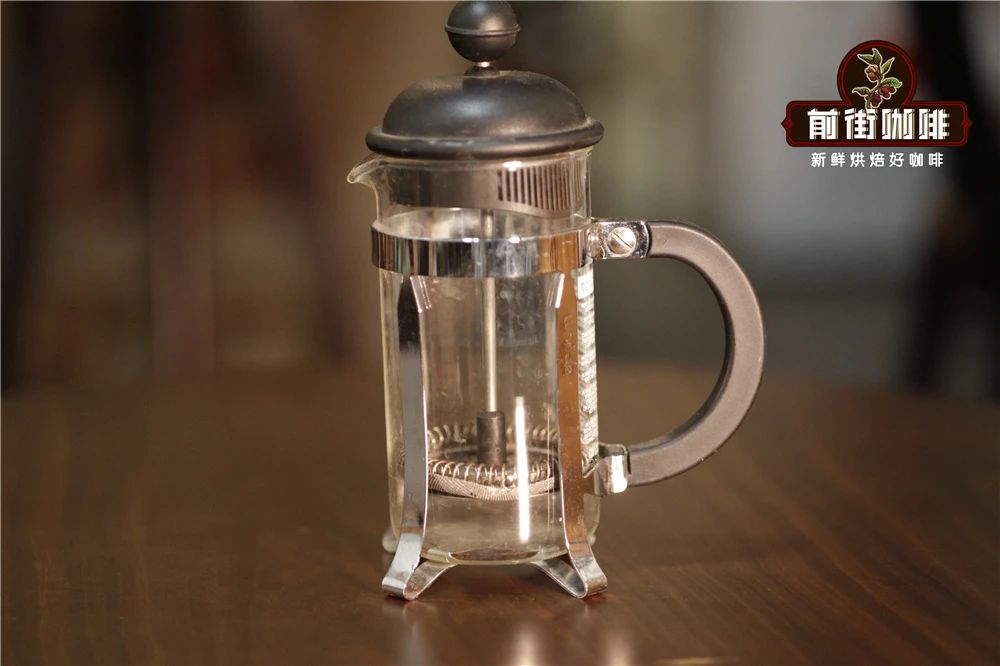
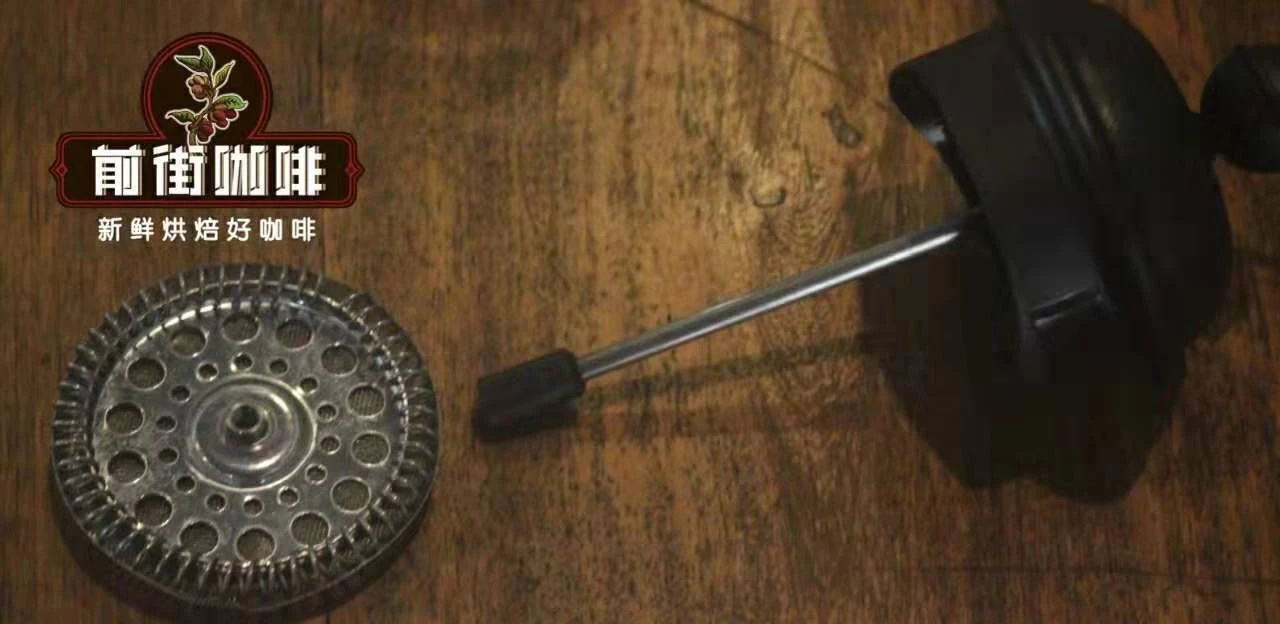
Simple means the French press has a simple structure, a simple principle, and simple operation. The whole device consists of a heat-resistant glass container and a metal filter with a plunger. To make coffee you simply steep coffee grounds and hot water in the glass container, then use the metal filter with the plunger to filter out the grounds, resulting in a relatively clean cup. The entire manual brewing process involves three steps: adding grounds, adding water, and pressing the plunger.
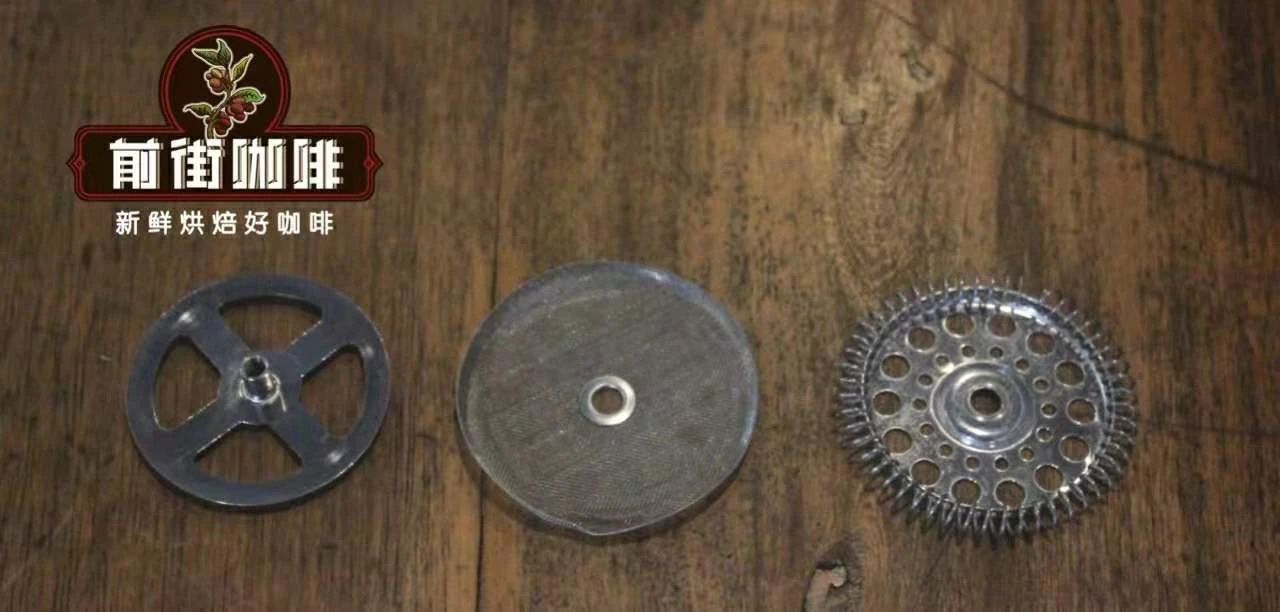
How to Use a French Press to Brew Coffee
Because the French press extracts mainly through steeping, within a fixed capacity a certain amount of water uniformly dissolves substances from the coffee grounds. During extraction, the main influencing factor is time: the longer the steeping time, the more substances are extracted until saturation or a point where extraction becomes difficult. In other words, the longer you steep, the stronger the flavor.
So first, confirm the coffee-to-water ratio. FrontStreet Coffee generally recommends a ratio of 1:15 to 1:16. These ranges are forgiving, and most coffees perform excellently in taste and flavor within them.
Next comes the grind size. For the French press, FrontStreet Coffee recommends a coarser grind, because the press uses a metal filter with visible gaps, and a coarser grind filters better. Different roast levels also require different grind sizes. Using the pass-through rate of a #20 sieve as the standard, medium-light roast beans can be ground finer (72-75% pass-through rate), while medium-dark roast beans can be ground coarser (68-71% pass-through rate).
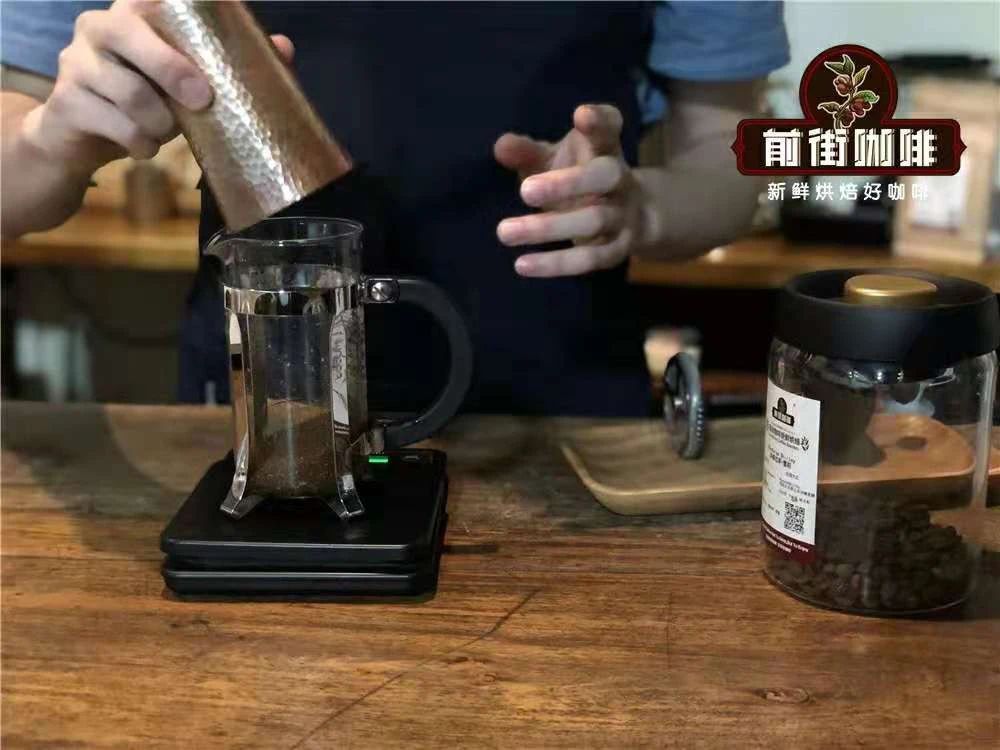
Then comes water temperature. Because the French press uses steeping extraction, in which the grounds and water remain relatively stationary, a higher water temperature is chosen. For the same beans, French press water should be 2-3°C higher than for pour-over. When brewing medium-light roast coffee, use 91-94°C; for medium-dark roast coffee, 88-91°C.
Finally, the steeping time. As noted above, time is very important for the French press. Through multiple brewing comparisons, FrontStreet Coffee believes most beans taste best when steeped for about 4 minutes using FrontStreet Coffee's recommended parameters. You can also use these as a blueprint to develop your own preferred brewing parameters.
The operation itself is very convenient. Taking 15g of coffee grounds as an example: pour the ground coffee into the pot, then add 225-240ml of hot water, pull up the plunger, cover with the lid, and wait 4 minutes. Then slowly press the plunger down until the metal filter reaches about 1/4 of the pot height, avoiding fine grounds at the bottom rising to the top.
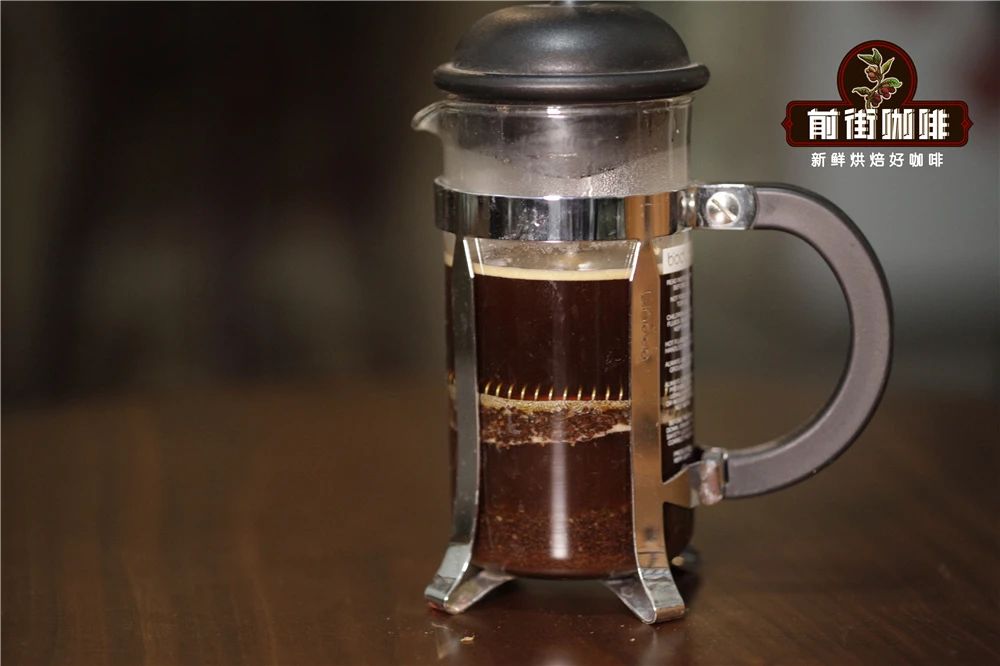
The Simple French Press Offers More Than Just Basic Coffee Brewing
It can also serve as cupping equipment
Making coffee with a French press is very similar to cupping, since both use static steeping. Many people use French presses to test the quality of coffee beans. The French press brewing method recommended by James Hoffmann, author of "The World Atlas of Coffee," is virtually identical to cupping.
It can also be used for brewing tea
The French press is a simple device that integrates steeping and filtration. It can brew coffee and, of course, also black tea, and it is very convenient to use. If you look carefully, you will find that the tea brewers sold on the market have a very similar structure to French presses.
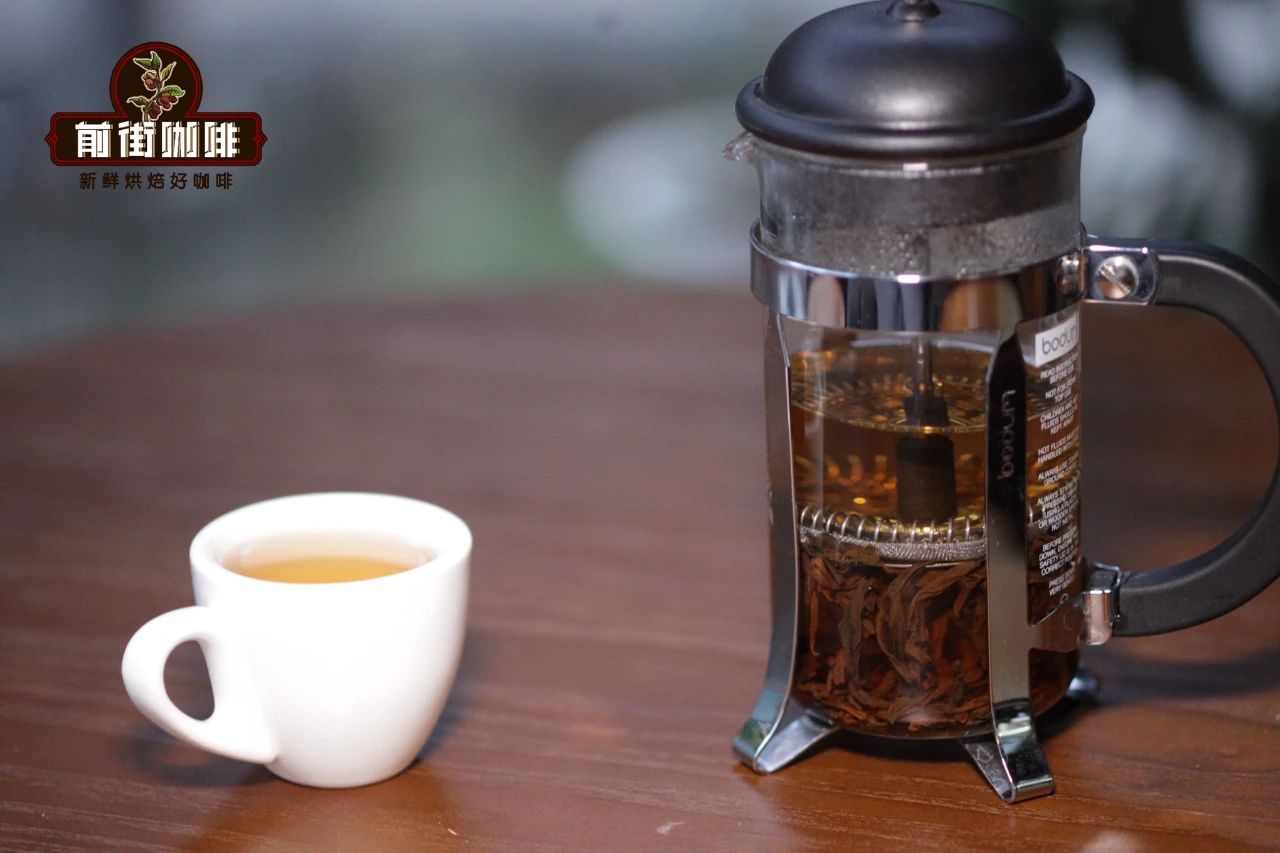
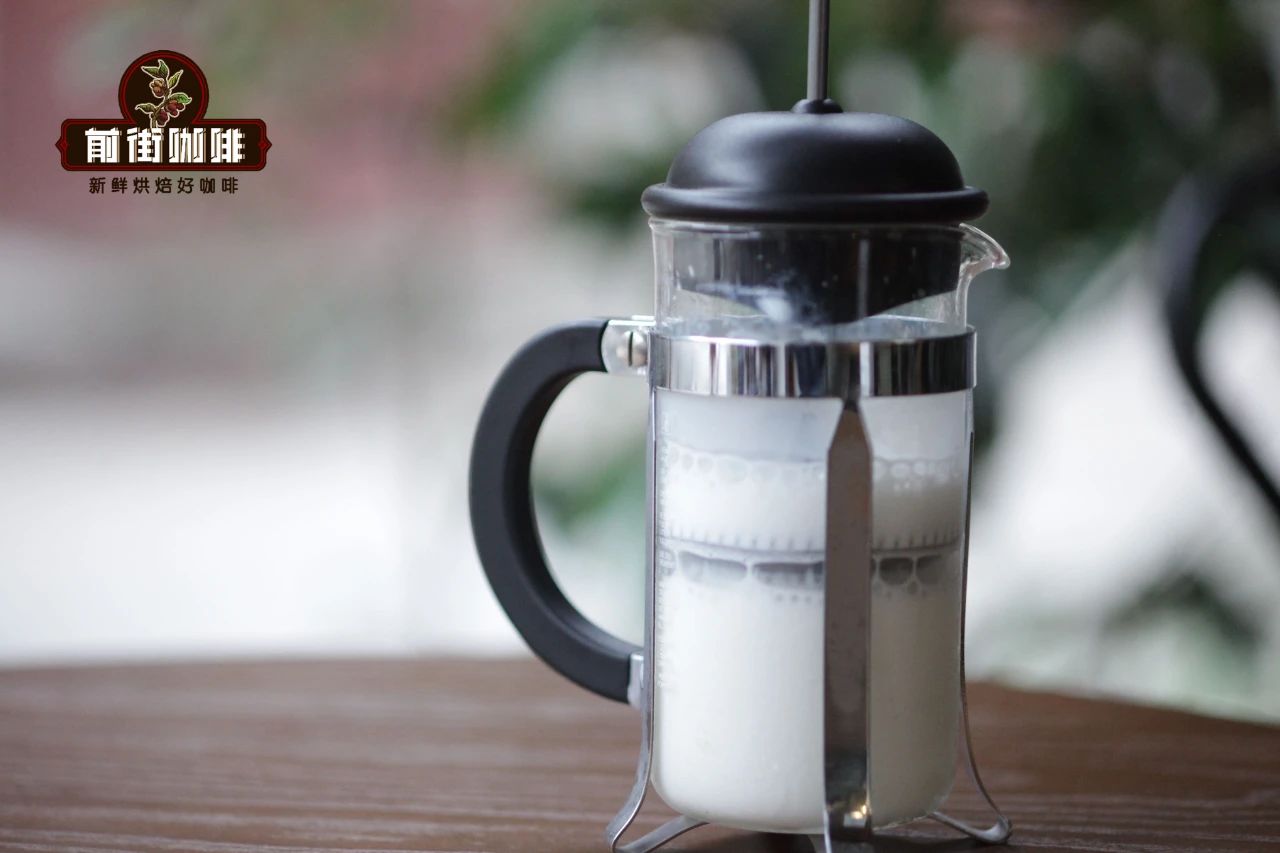
It can even froth milk
The French press can also be used to froth milk. For cold milk foam you would need a manual milk frother, but in fact the structure of a manual milk frother is very similar to a French press. Pumping the French press plunger can froth milk just like a milk frother.
FrontStreet Coffee Recommendation
Because the French press is a full-immersion brewer, it suits medium or darker roasts best, since a light roast would extract higher acidity and mask the original floral and fruit notes. If you like a fragrant, delicate cup, the FrontStreet Strawberry Candy is a strong match: this Geisha blend combines a honey-processed coffee from Costa Rica with a washed Geisha from Panama, and steeped in a French press it releases rose, citrus, grape, and dried blueberry aromas, taking on a strawberry gummy sweetness when milk is added.
If you want a low-acid black coffee with a full, oily body, the FrontStreet PWN Golden Mandheling is the first choice. One of Asia's best-known specialty coffees, it is sorted three times by hand plus once by machine, so the beans are even and translucent. After medium-dark roasting they are large and carry rich spice, caramel, cedar, and dark chocolate aromas, and a French press extraction yields a thick cup with a good layer of oil.
For the brewer, FrontStreet recommends a coarse-sugar grind, roughly 10.5 on an EK43s electric grinder or 26 on a hand grinder, more like small gravel than fine sand. A grind that is too fine can let fine particles pass through the metal filter and leave sediment in the cup. Use a 1:15 ratio (15g of coffee to 225g of water), which lands at around 1.1-1.2% concentration, and water at about 90°C; without a thermometer, let boiled water rest 2-3 minutes. Because the press has no stirring to raise extraction, use a temperature about 1-2°C higher than for pour-over, and steep for 4 minutes before pressing slowly to the bottom and pouring the coffee off carefully.
Important Notice :
FrontStreet Coffee is a long-established specialty coffee roaster in Guangzhou China, selling freshly roasted beans from its own farm in Yunnan as well as dozens of carefully selected single-origin beans from around the world for both pour-over and espresso. The products deliver consistently excellent quality and great value, with shipping within 24 hours. Guangzhou's FrontStreet Coffee shop is recommended by many coffee lovers, and the beans are now available online at the Tmall 。
FrontStreet Coffee has moved to a new address:
FrontStreet Coffee Address: 315,Donghua East Road,GuangZhou
Tel:020 38364473
 Scan and follow the En Gafei WeChat official account. Please indicate that the reprint comes from "En Gafei".