Differences Between Single-Origin and Blended Coffee: Reasons for Blending and How to Enjoy It
Coffee newcomers may not be clear on the difference between single-origin coffee and blended coffee, and they often wonder why espresso so often uses blended beans. As the name suggests, blended beans are a mixture of two or more types of coffee beans; once combined, the processed beans are called a blend.
Purposes of Coffee Blending
First, blending maintains stable output and a continuous long-term supply. Coffee shops that pull espresso from single-origin beans constantly face the problem of a particular origin running out—and switching to a different single origin means the major hassle of re-tuning the whole recipe. To keep espresso supply stable over the long term, building the formula on origins with larger volumes avoids, as much as possible, the risk of any one specific coffee disappearing.
Moreover, if the quality of one component slips, it can be quickly corrected by swapping in a similar bean. Because it occupies a smaller share of the blend, the swap keeps flavor consistency far better than with a single origin—where one bean carries 100% of the character, so replacing it changes everything.
Second, blending uses different varieties of beans to correct and shape the flavor of the coffee.
One important caveat: products labeled with a famous flavor name may contain only a tiny amount of beans from the claimed origin. Some shops claim to sell Blue Mountain coffee when there is not a single Blue Mountain bean in the bag—they simply use other coffees to approximate the taste. When blending is done for genuine flavor correction, though, the strengths and weaknesses of different beans complement each other and achieve balance.
Third, when we want to adjust the acidity and sweetness of the beans, blending can make the coffee balanced overall—amplifying strengths and avoiding weaknesses.
Of course, blending means weighing the proportion of each bean. To highlight a particular flavor, simply raise its share of the formula.
And if a balanced espresso does not satisfy a coffee lover who craves novelty, we can blend an espresso with personality instead. For flavor, 1+1 can indeed produce an effect greater than 2.
FrontStreet Coffee's Current Blended Coffee Beans
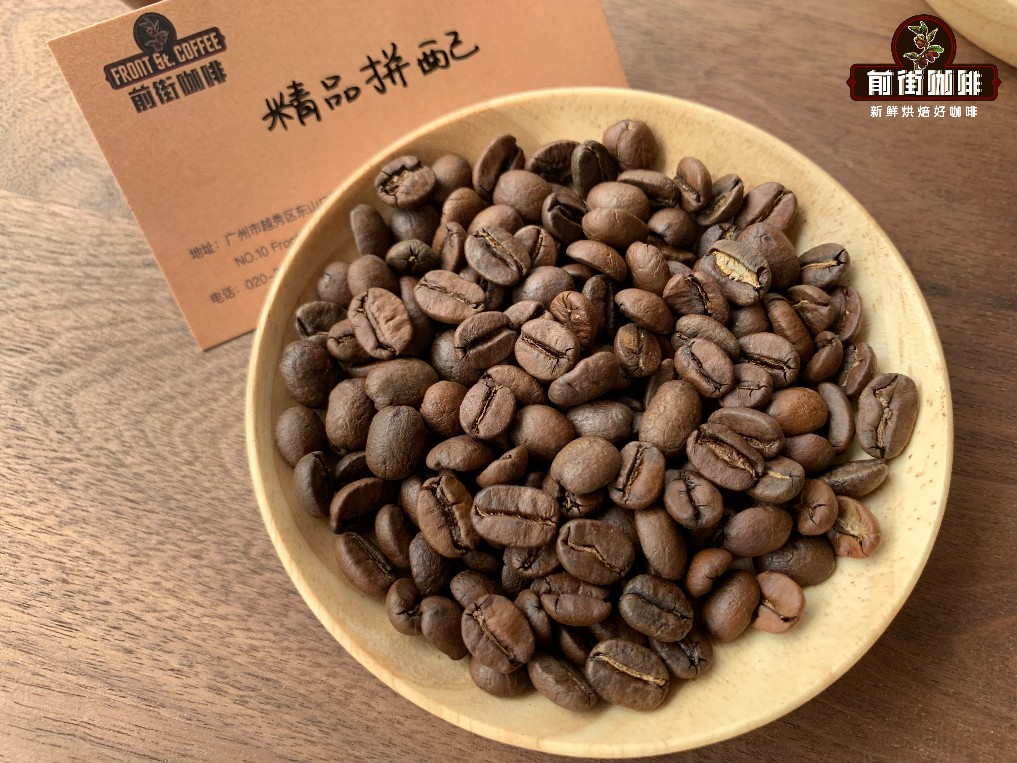
Sunflower Warm Sun Blend combines Caturra, Catuai, Pacas, and heirloom varieties, presenting fermented wine aroma, vanilla, cream, citrus, and chocolate flavors.
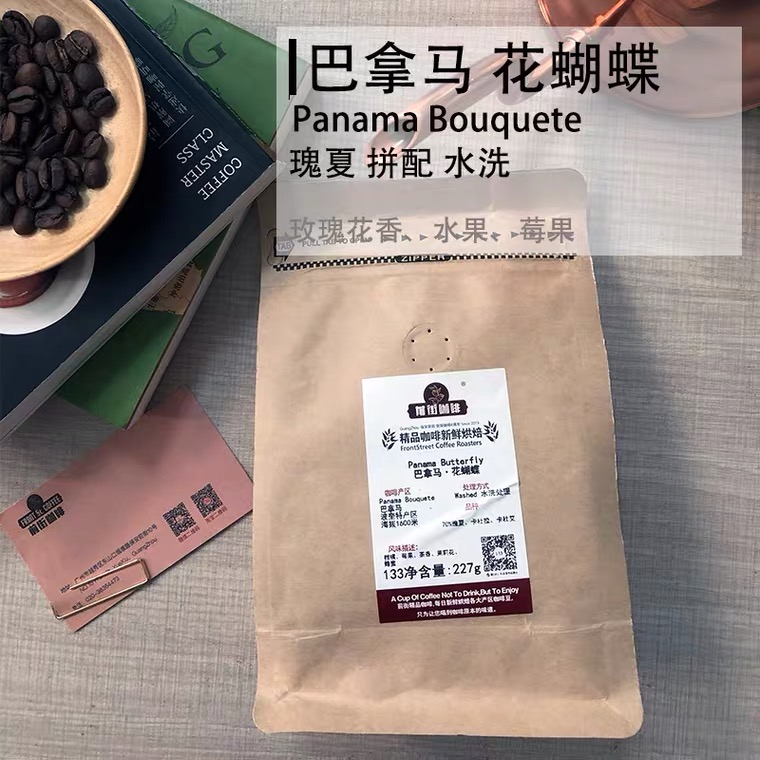
There is also the Flower Butterfly Geisha blend. Flower Butterfly uses 40%-50% Geisha as its base, composed of three varieties: Geisha, Caturra, and Catuai. It performs excellently in body, acidity, and floral notes.
Single Origin Coffee
Single-origin coffee is made from "single-origin beans"—from just one origin, the same batch, and the same processing method. Within one producing region, the same natural terroir and cultivation methods yield beans that are basically consistent, and that taste represents the origin, the region, and the variety, with common characteristics throughout.
Because single-origin coffee is produced in small quantities, it naturally costs more than ordinary coffee. It usually takes a light to medium roast, aiming to highlight its specific flavor characteristics.
FrontStreet Coffee Recommendation
Blends and single origins answer different needs, and FrontStreet offers a trusted example of each. On the blend side, FrontStreet Flower Butterfly Geisha builds 40%-50% Geisha into a Caturra-Catuai base for full body, lively acidity, and abundant florals—expressive yet balanced. On the single-origin side, FrontStreet Jamaica Blue Mountain No.1 shows what one terroir alone can do: Typica from the historic Clifton Estate, grown at an average of 4,300 feet (1310.64m), medium-dark roasted for hazelnut, cream, chocolate, and caramel with a soft, lingering sweetness. Since authentic certification matters, FrontStreet supplies complete provenance documents and the traditional wooden barrels used for genuine Blue Mountain shipping. For brewing, try a Kono dripper with 15g of coffee, a 1:15 ratio, 87-88°C water, and three-stage pouring.
Important Notice :
FrontStreet Coffee is a long-established specialty coffee roaster in Guangzhou China, selling freshly roasted beans from its own farm in Yunnan as well as dozens of carefully selected single-origin beans from around the world for both pour-over and espresso. The products deliver consistently excellent quality and great value, with shipping within 24 hours. Guangzhou's FrontStreet Coffee shop is recommended by many coffee lovers, and the beans are now available online at the Tmall 。
FrontStreet Coffee has moved to a new address:
FrontStreet Coffee Address: 315,Donghua East Road,GuangZhou
Tel:020 38364473
 Scan and follow the En Gafei WeChat official account. Please indicate that the reprint comes from "En Gafei".