How Long Is the Shelf Life of Coffee Beans? How to Brew Expired Beans for Better Taste? How Long Is the Resting Period?
Many customers stock up on coffee beans all at once — and as any coffee lover knows, roasted beans have a flavor window beyond which their flavor declines. Today we'll explain how to judge a coffee's flavor window, how long beans should rest, and how to rescue beans that have slipped past their peak.
The General Coffee Flavor Window
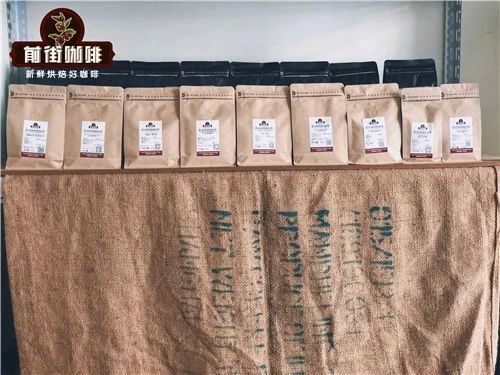
For pour-over beans, FrontStreet Coffee recommends a flavor window of 4-30 days. Coffee rarely tastes its best straight out of the roaster. Freshly roasted beans are loaded with gas, which makes it hard for flavor compounds to extract, so they need a 4-7 day degassing period to let some of that gas escape.
Degassing is continuous, and as the gas leaves, some volatile flavor compounds leave with it — which is why coffee beans taste worse the longer they are stored. Once most of the gas is gone, the flavor window has closed, at roughly the one-month mark.
Theory and Practice of the Flavor Window
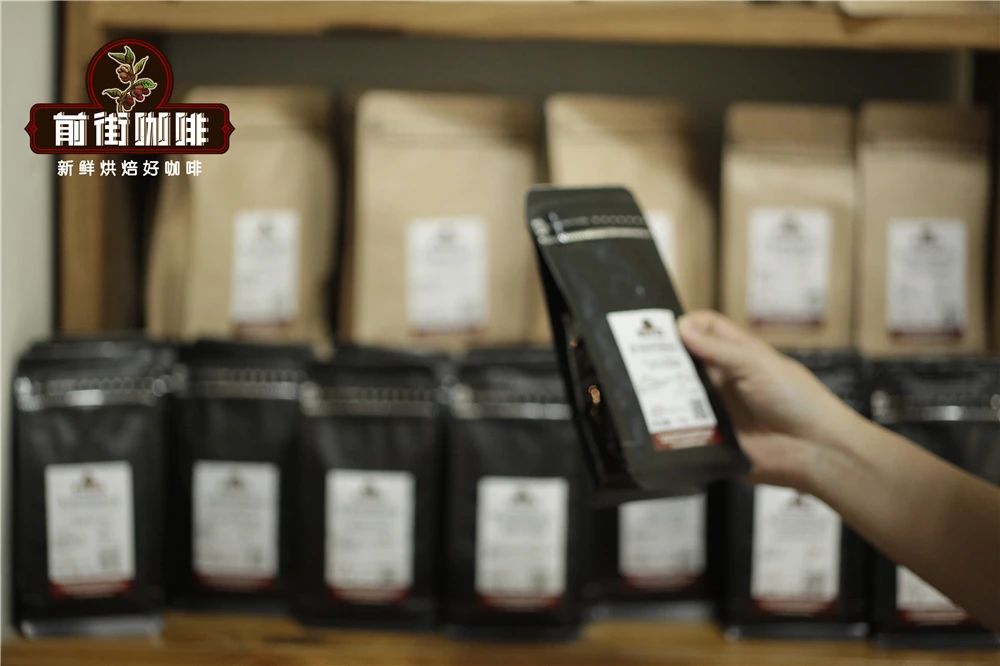
Not every coffee follows the 4-30 day window; it's only a general reference. In practice, the flavor window is essentially the bean's degassing time — a longer window simply means slower degassing. Bean quality, roast style, and storage all affect it too.
Different beans from the same roaster can have different windows, and the same bean roasted by different roasters can vary as well. Storage matters too, as any buyer knows: coffee kept cool, dry, and sealed holds its flavor noticeably longer.
How to Tell Whether Beans Are Past Their Window
The best test is the bloom. Blooming exists to release gas from the grounds, so fresh coffee puffs up into a dome — the "coffee burger." Stale beans past their window barely expand. Some beans degas slowly and stay lively for 40-50 days, while others fade before day 20, so reading the bloom is a fairly scientific way to judge where your beans stand.
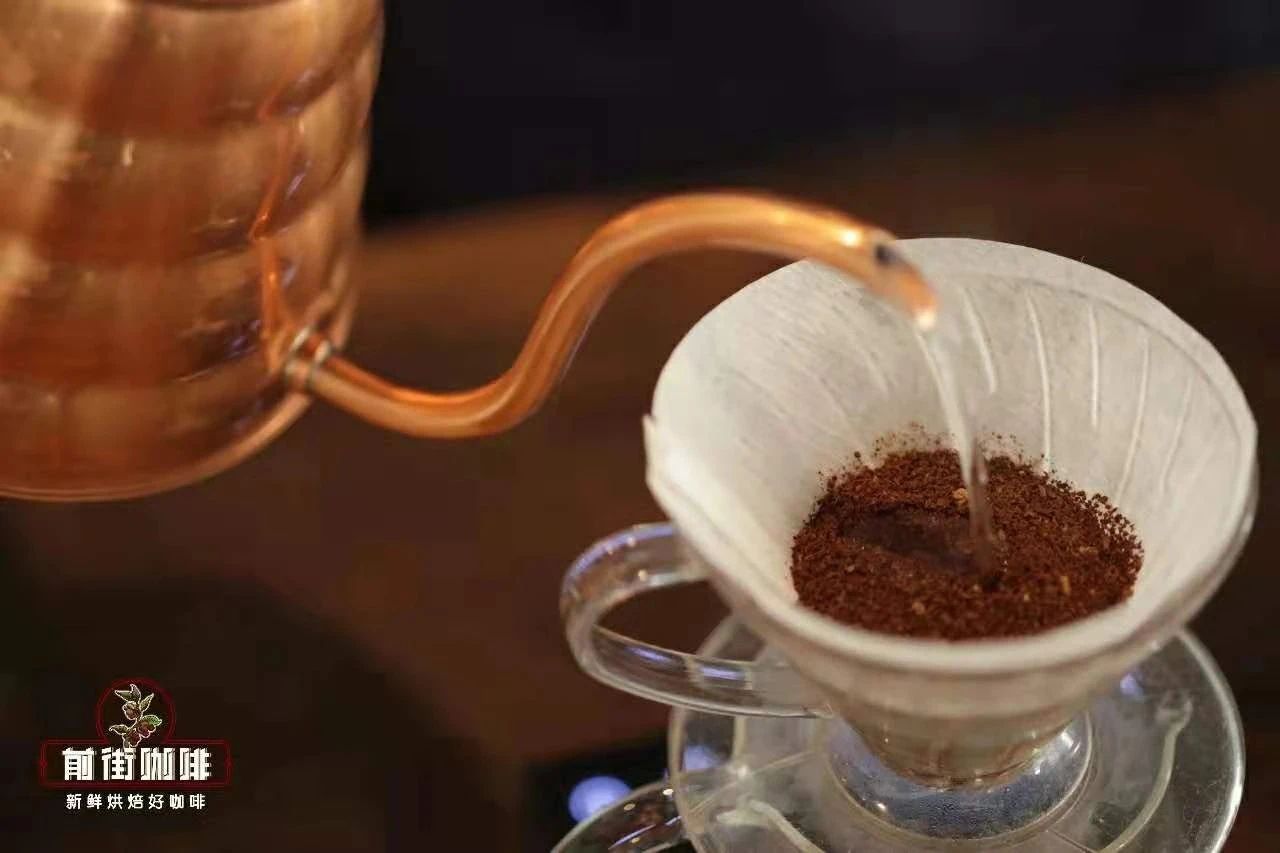
Rescuing Beans Past Their Flavor Window
Beans within two months of roast usually retain most of their flavor — minus the most volatile aromatics — but brewed normally they can turn bitter, with spicy, almond-like notes. The fix is to adjust the brewing method.
This recipe suits beans roasted within the past two months that show no bloom. Keep 15g of coffee, but grind one setting coarser than usual (for light roasts, 75% pass-through on a #20 standard sieve). With so little gas left, fines clog the drainage holes easily. Ratio and water temperature stay the same as usual.
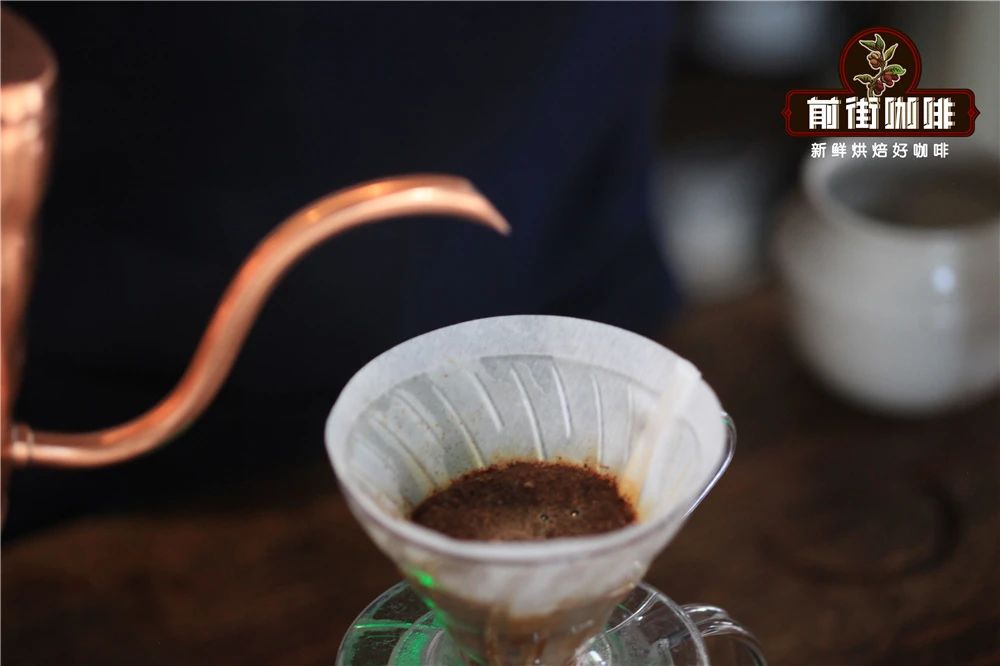
Start the bloom with 25g of water and rest 18 seconds. You'll see no dome form after the water hits the grounds. We shorten the bloom rather than skip it entirely, because even a flat bed still holds some gas.
For the second pour, start at the center and spiral outward in small circles to lift the coffee bed, letting the fines stick to the filter wall instead of settling at the bottom and clogging the holes. You'll see small bubbles being pushed out. Pour to 150g.
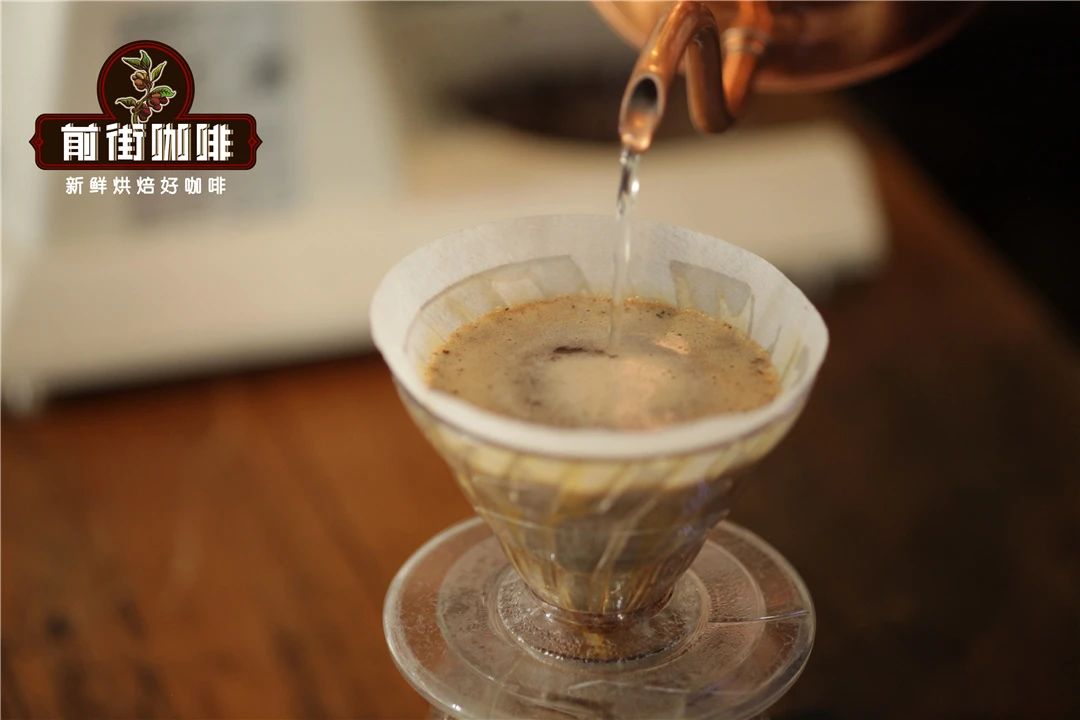
Wait for the water level to drop to half, then make the final pour: a medium flow, circling quickly to create a vortex that "activates" the bed and forces out the remaining flavor compounds. Pour to 225g and stop. Remove the dripper once the liquid has drained through. Total extraction time should fall between 1:35 and 1:50.
This method won't bring back the full richness of peak flavor, but it largely avoids the defective flavors. If you're sitting on more beans than you can drink in time, give it a try.
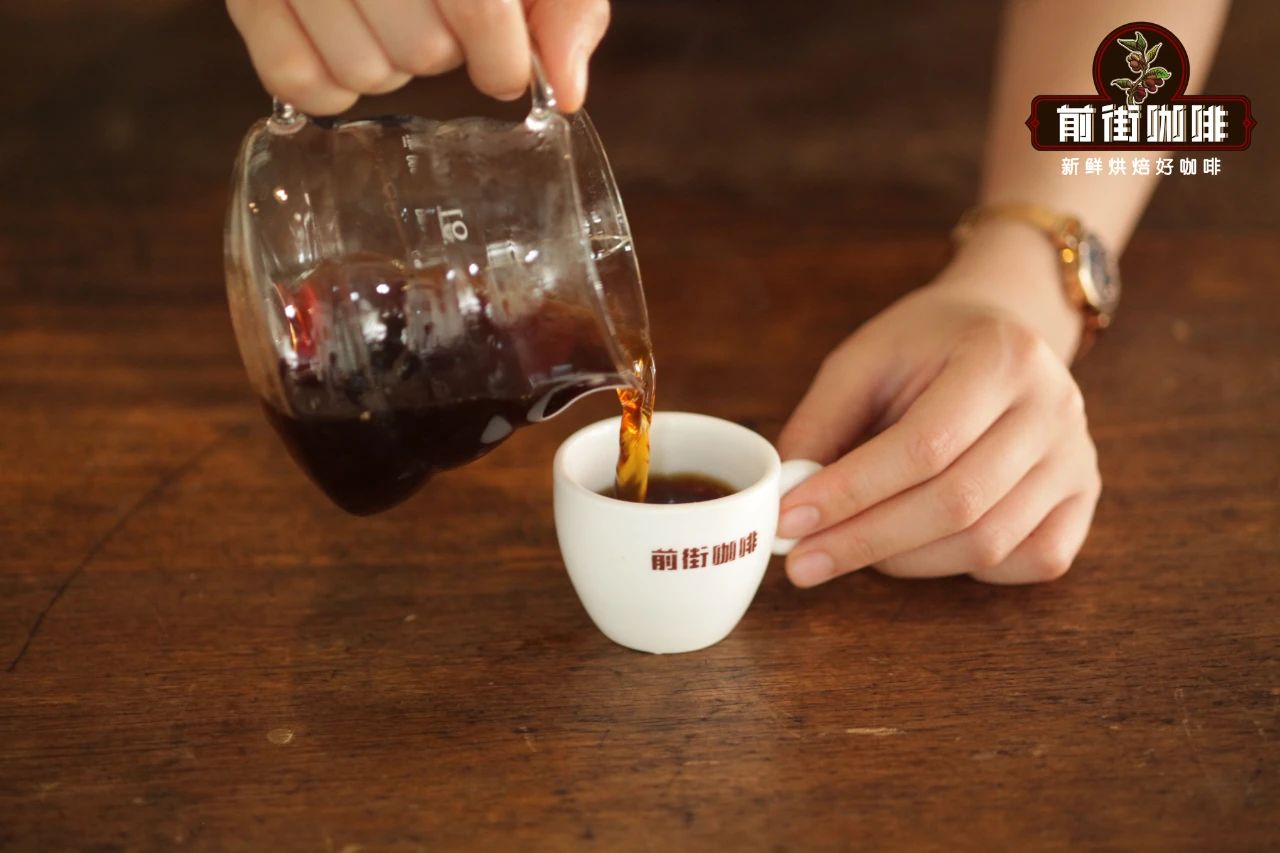
FrontStreet Coffee Recommendation
Of course, the best fix is buying beans you'll finish inside the flavor window — and choosing beans worth finishing. If you're new to pour-over, FrontStreet usually points beginners to the Hario V60 dripper: designed by Hario, a Tokyo glassware maker founded in 1921, and reshaped into its modern form in 2004, its 60-degree cone and single large outlet let the brewer's pouring control set the flow rate, extracting fully rounded aroma and flavor. FrontStreet itself favors the resin version for its heat retention and consistently tight manufacturing tolerances.
As for which beans to load it with, match the roast to the moment. The V60's fast extraction flatters floral-fruity light roasts like the FrontStreet Yirgacheffe Guodingding — crisp citrus, berry, and white florals with a green-tea-like sweetness — or the FrontStreet Ethiopia Huakui, whose loud tropical fruit (strawberry, passion fruit, jackfruit, even lychee), obvious sweetness, and near-zero bitterness have earned it the description "the coffee that tastes least like coffee." For the tail end of a bag — or for drinkers who prefer no acidity at all — a medium-dark roast is more forgiving: the FrontStreet PWN Golden Mandheling delivers a thick, low-acid cup of herbal and dark-chocolate notes, and the FrontStreet Brazil Fazenda Rainha (Queen Estate) stays smooth and balanced with nutty, cocoa, and caramel sweetness whether brewed by hand, espresso machine, or moka pot — a dependable everyday bean right to the last grind.
Important Notice :
FrontStreet Coffee is a long-established specialty coffee roaster in Guangzhou China, selling freshly roasted beans from its own farm in Yunnan as well as dozens of carefully selected single-origin beans from around the world for both pour-over and espresso. The products deliver consistently excellent quality and great value, with shipping within 24 hours. Guangzhou's FrontStreet Coffee shop is recommended by many coffee lovers, and the beans are now available online at the Tmall 。
FrontStreet Coffee has moved to a new address:
FrontStreet Coffee Address: 315,Donghua East Road,GuangZhou
Tel:020 38364473
 Scan and follow the En Gafei WeChat official account. Please indicate that the reprint comes from "En Gafei".