Honduras Sherry Coffee Beans Whiskey Barrel Fermentation Flavor Profile and Origin Classification Standards
Honduran Coffee: A Journey Through Flavors and Terroir
Coffee is an agricultural crop whose flavors are bound directly to the local climate and environment — cup coffee, in a sense, tastes the terroir. Washed coffees usually express a region's character most faithfully, but as specialty coffee has advanced, processing methods have multiplied: honey, anaerobic, double anaerobic, raisin honey, and more.
Processing directly shapes flavor. Costa Rica, for instance, is the most famous home of honey-processed coffee, and the Musician Series — FrontStreet Coffee's Mozart, FrontStreet Coffee's Bach, and FrontStreet Coffee's Geisha Blend — are all raisin honey processed, loved for their raisin, berry, floral, and fermented aromas.
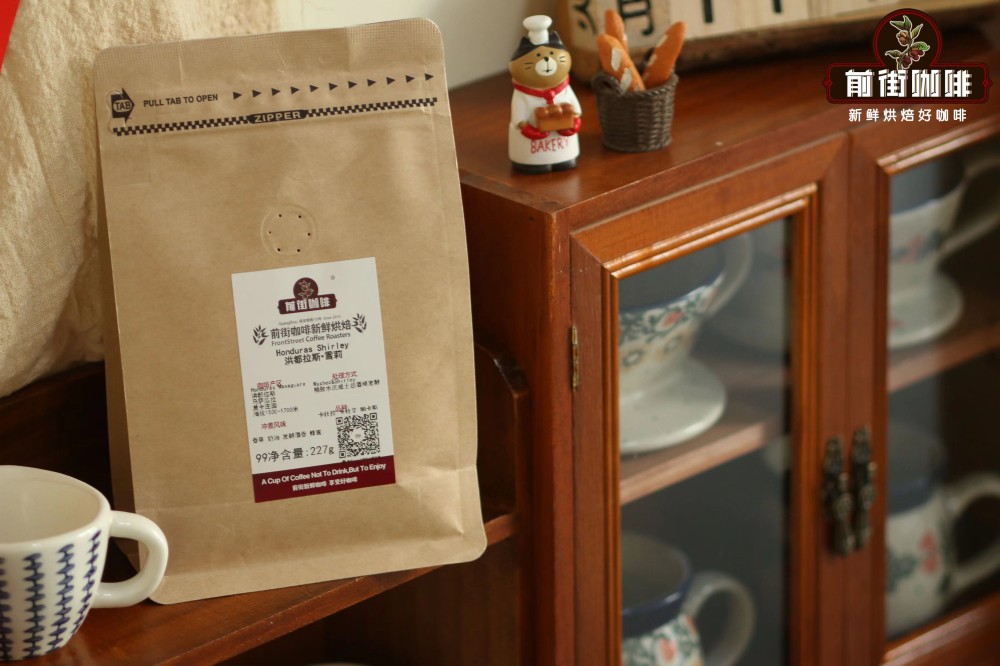
Honduras's barrel-aged processing, meanwhile, is eye-catching in a different way — especially for wine lovers, for whom a coffee with wine-like flavors is nearly irresistible. Honduras's whiskey and brandy aromas are exceptionally sweet and endless on the finish. Some people say that after drinking other coffees, one sip of FrontStreet Coffee's Honduras makes all the rest fade — it smells fragrant and sweet, the wine flavor lingers, and honeyed sweetness follows in the later stages. Between the two, FrontStreet Coffee's Sherry is sweeter and more fragrant than the Lychee Lan, which is why the Sherry has always been the most popular.
Geographical Conditions of Honduras
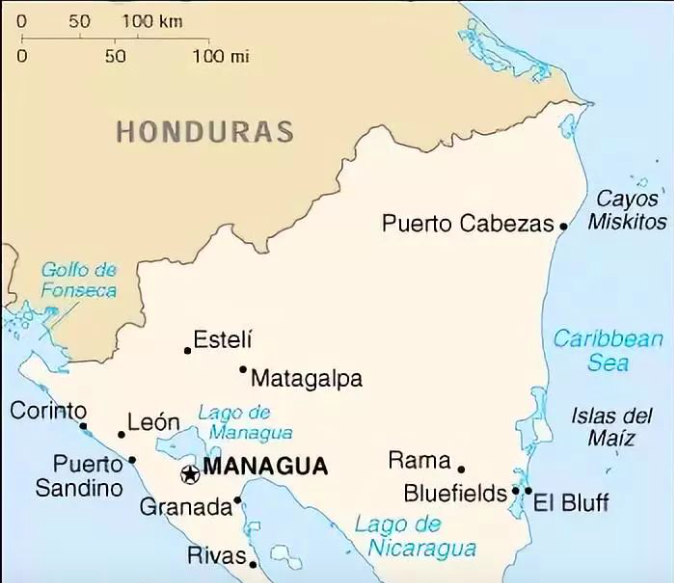
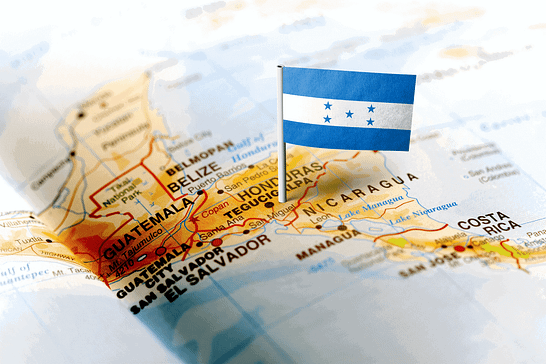
Honduras sits in northern Central America, bordered by the Caribbean Sea to the north, the Gulf of Fonseca on the Pacific to the south, Nicaragua and El Salvador to the east and south, and Guatemala to the west. The terrain is predominantly mountain and plateau: an area of 112,492 square kilometers with a coastline of about 1,033 kilometers. Apart from the coastal plains the entire country is mountainous — the highest peaks in the northwest reach 3,000 meters, and the south also exceeds 2,400 meters above sea level. The main rivers are the Coco, Patuca, and Ulua, rising in the interior mountains and crisscrossing the country into both oceans. Between the ranges lie many basins and valleys — the larger ones like the Sula basin and Repagua Valley, and main valleys such as Comayagua and Juticalpa — while coastal islands are scattered everywhere, chiefly the Bay Islands and the Tigre Islands in the Gulf of Fonseca. The climate is complex and diverse: the coastal plains are tropical rainforest with an average annual temperature of 31°C, while the mountains are subtropical forest at an average of 23°C. The June-to-November rainy season brings mild temperatures and abundant rainfall — ideal for coffee.
Honduras produces two highly esteemed coffees: "Highland Coffee" grown at 1,000-1,500 meters and "Select Highland Coffee" grown at 1,500-2,000 meters — the country's highest grade. Most Honduran coffee is exported to the United States and Germany. The country has 280,000 hectares of coffee plantations, mostly small farms averaging less than 3.5 hectares, which together account for sixty percent of total production. Because the growing areas lie in the mountains, the beans are hand-picked and carefully processed. Honduras harvests three million bags of coffee annually — abundant, high-quality supply that has made it one of the world's top ten coffee-exporting countries.
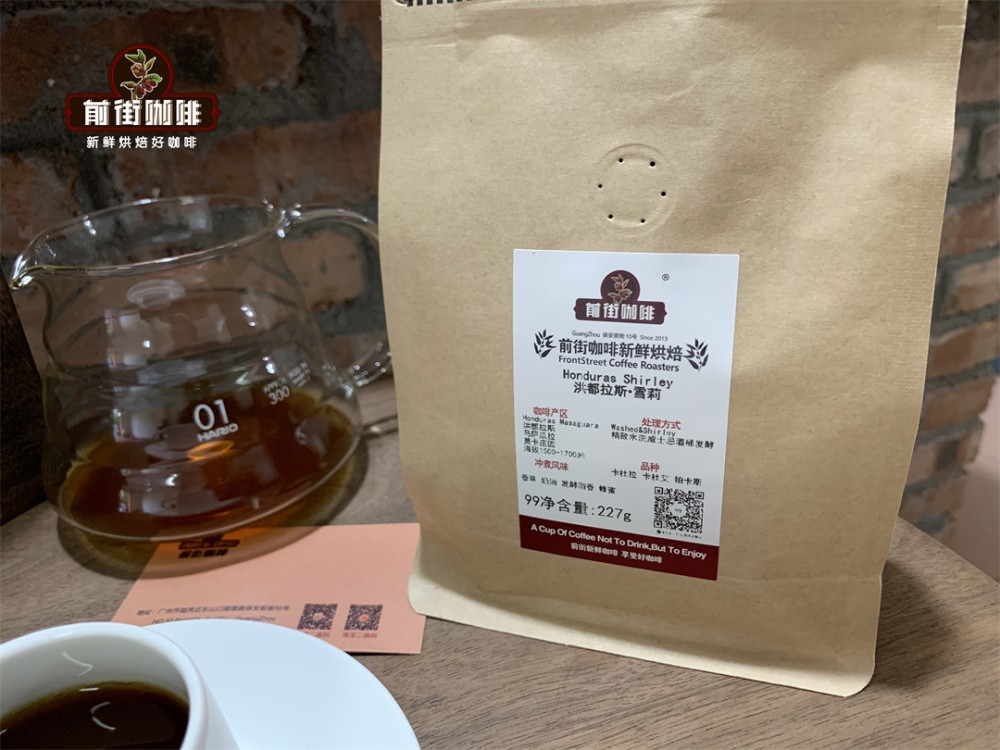
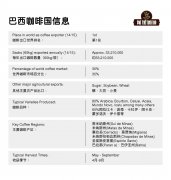
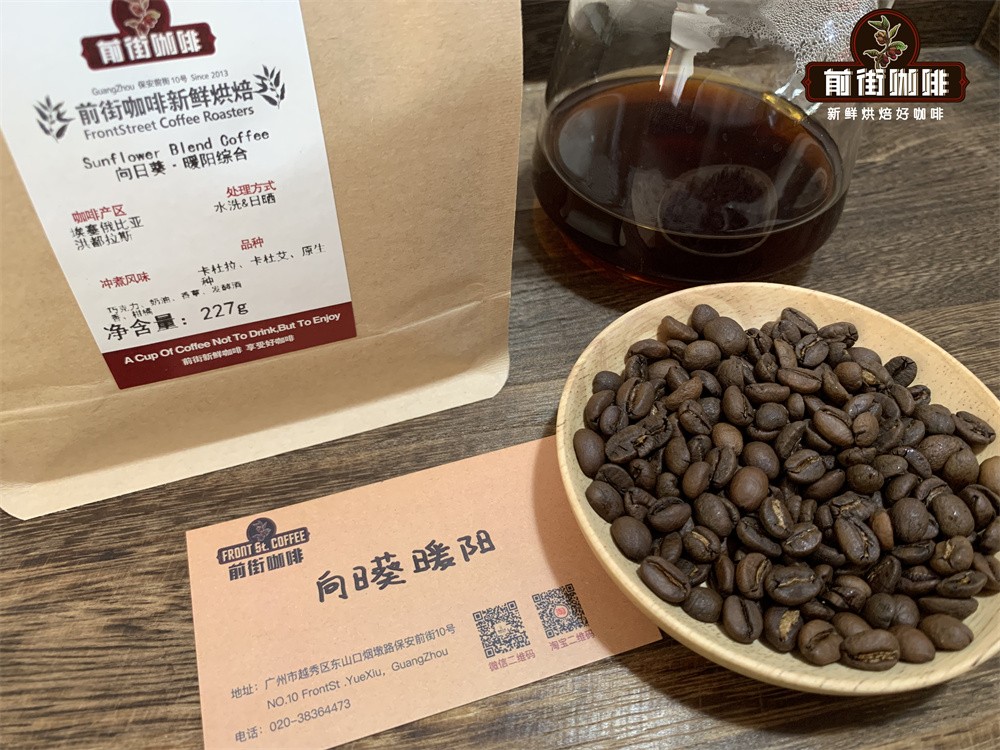
Honduras is the second-largest coffee exporter in Central America and ranks among the global top ten. Honduran beans have a rich, mellow flavor with gentle acidity and slight sweetness — neither too acidic nor astringent — a rich aroma, a very smooth body, and a long, sweet aftertaste. That balance makes them extremely versatile, fine as single origin or in blends. The currently popular SOE (Single Origin Espresso) made from FrontStreet Coffee's Sherry beans is excellent, and FrontStreet Coffee also blends its Honduras Sherry with its Ethiopian Red Cherry beans to create the espresso blend — FrontStreet Coffee's Sunflower Warmth.
Coffee arrived in Honduras in the 18th century with Spanish merchants, but historically poor transportation infrastructure limited the trade's growth. When the specialty coffee movement rose in Central America in the 1990s and neighboring countries focused on quality, Honduras lagged behind — mainly because abundant, unpredictable mountain rainfall disrupted the final drying stage of green processing.
In 2004, Honduras held its first Cup of Excellence, with 21 coffees from across the country earning recognition and participating in online auctions. By 2011, Honduras had become Central America's largest coffee producer and the world's second-largest producer of Arabica.
Main Coffee Growing Regions in Honduras
High altitude, microclimates, abundant rainfall, and fertile volcanic ash soil give Honduran coffee rich layers, strong and bright tones, and top-tier quality. The growing regions are divided into six main areas: Copán, Opalaca, Montecillos, Comayagua, Agalta, and El Paraíso.
Copán
Copán lies between Honduras and Guatemala, with growing altitudes above 1,000 meters, making it one of the country's most famous coffee areas. Temperature and humidity swing noticeably through the year, and the coffee shows citrus, chocolate, and caramel flavors — with far less fruit character than some other regions.
Montecillos
Montecillos sits between Honduras and El Salvador, its highest growing altitude reaching 1,600 meters. Lower nighttime temperatures slow cherry maturation, so the coffee shows more prominent fruit acidity and sweetness, typically with drupe-fruit notes.
Comayagua
In 2016, Comayagua had the highest production of any Honduran region. Its coffee areas lie in the remote central mountains, and the coffee combines citrus and honey flavors with balanced acidity and sweetness and a smooth mouthfeel.
Agalta
Mostly forest reserve with excellent ecology, Agalta sits slightly lower — 1,000-1,400 meters — in a tropical climate. Its coffee shows fruity and chocolate flavors.
El Paraíso
Located between Honduras and Nicaragua, El Paraíso is the country's oldest and largest coffee-producing region, at 1,000-1,400 meters. In the 2017 Honduras Cup of Excellence (COE), a coffee from El Paraíso took the championship.
Opalaca
Opalaca borders Copán to the west; its slightly higher altitudes give the beans strong aromas and tropical fruit flavors. A well-known sub-region within it is Marcala.
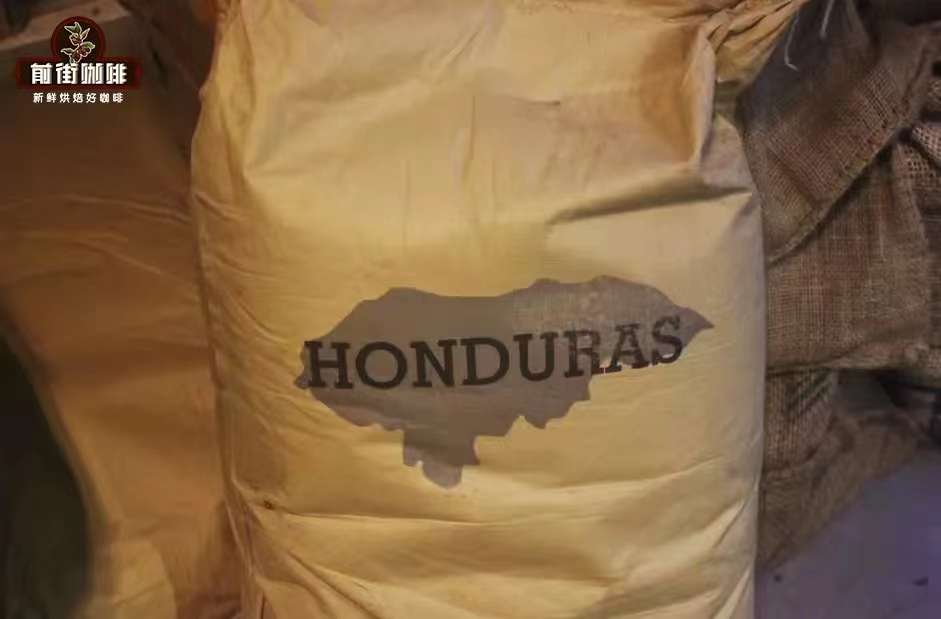
Sherry coffee and Lychee Lan coffee both come from a small Marcala estate — Moka Estate. Marcala is a municipality in Honduras's Intibucá department, south of the Jesús de Otoro valley and ringed by mountains and hills. Coffee is its main crop and the engine of the local economy, while the corresponding valley areas grow basic grains and raise livestock. According to Mr. Alberto Membreño's "Indigenous Place Names," Marcala means "place of deer." The area's average altitude is 853 meters, with high-altitude zones exceeding 1,500 meters — and Moka Estate sits in Marcala's highest ground, so its fruit quality is consistently excellent.
FrontStreet Coffee's Honduras Coffee Bean Shape
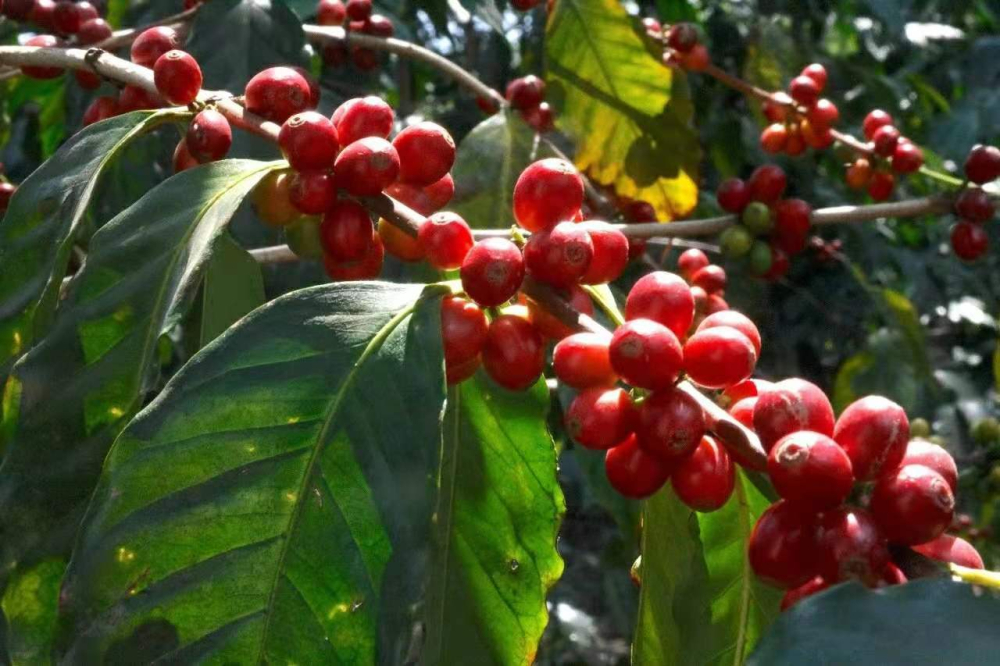
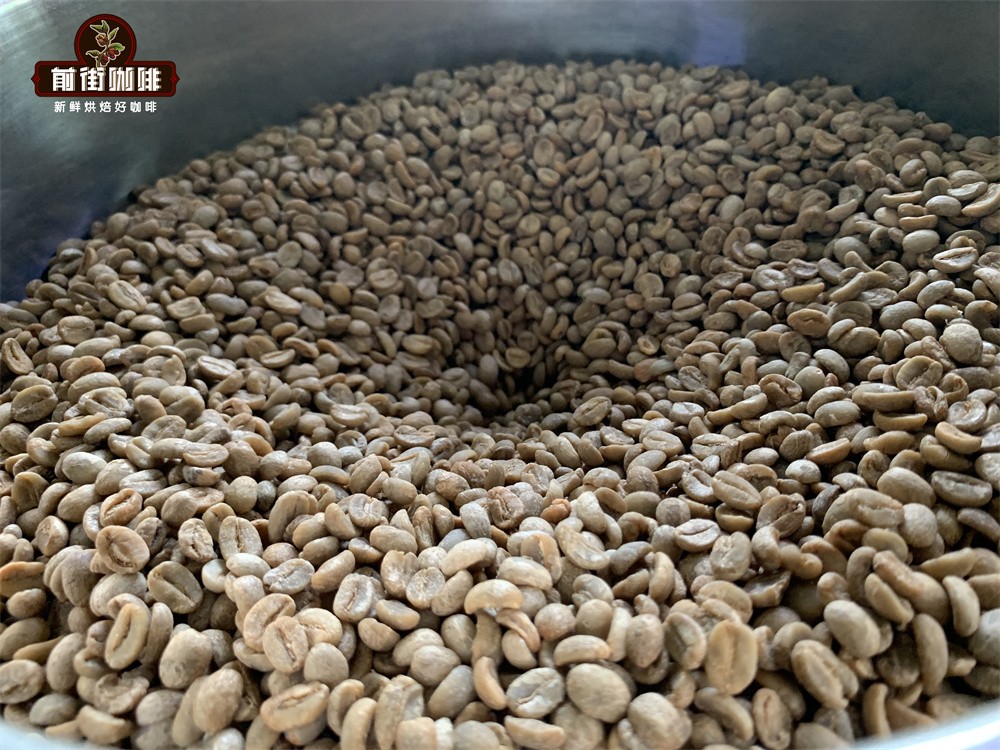
Honduran beans are relatively large, uniform, and glossy in color. For harvesting convenience, farmers prune the trees to no more than 150 centimeters — taller trees would need ladders, which wastes time and risks damaging branches. Because each fruit ripens at its own pace, quality demands manual harvesting and selection of only the ripe fruits; cherries on a single branch may take several weeks to complete the harvest.
FrontStreet Coffee's Honduras Coffee Varieties
The main varieties cultivated in Honduras are all Arabica, chiefly Bourbon, Caturra, Catuai, Typica, and Pacas-derived types.
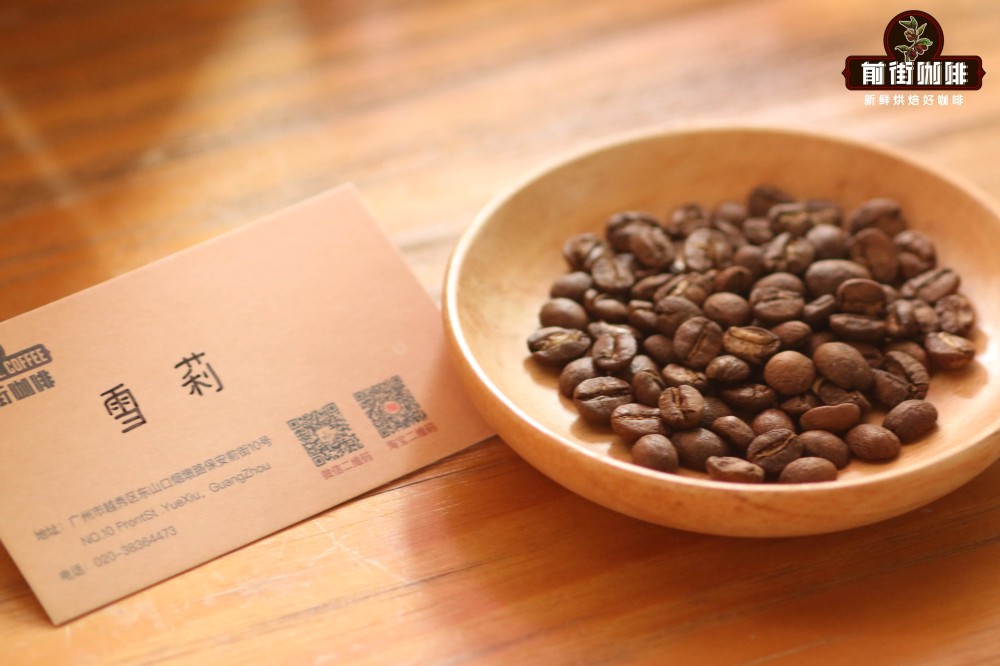
Typica
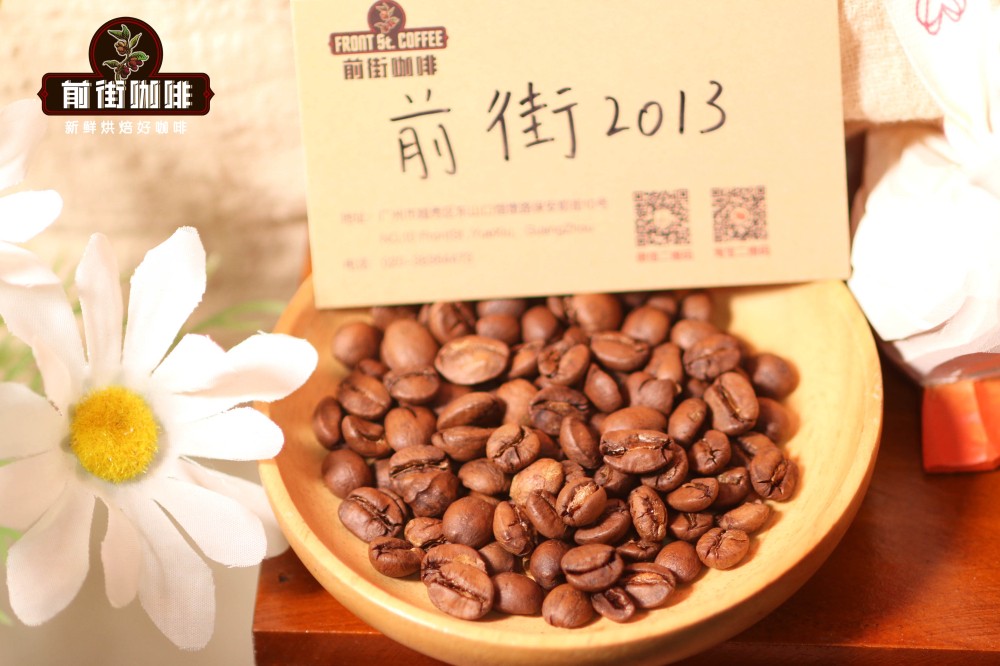
Typica is the oldest native variety from Ethiopia, and almost every Arabica variety grown today descends from it. Its flavors are elegant, but the plant is physically weak with low disease resistance, easily felled by leaf rust, and yields are too low to be economical. In recent years Typica across Central and South America has gradually been replaced by Caturra and Catuai, making it ever rarer. Elegant as it is, Typica never matched Bourbon's popularity. FrontStreet Coffee's Blue Mountain, Panama Elida, and 2013 Natural Typica are all examples.
Bourbon
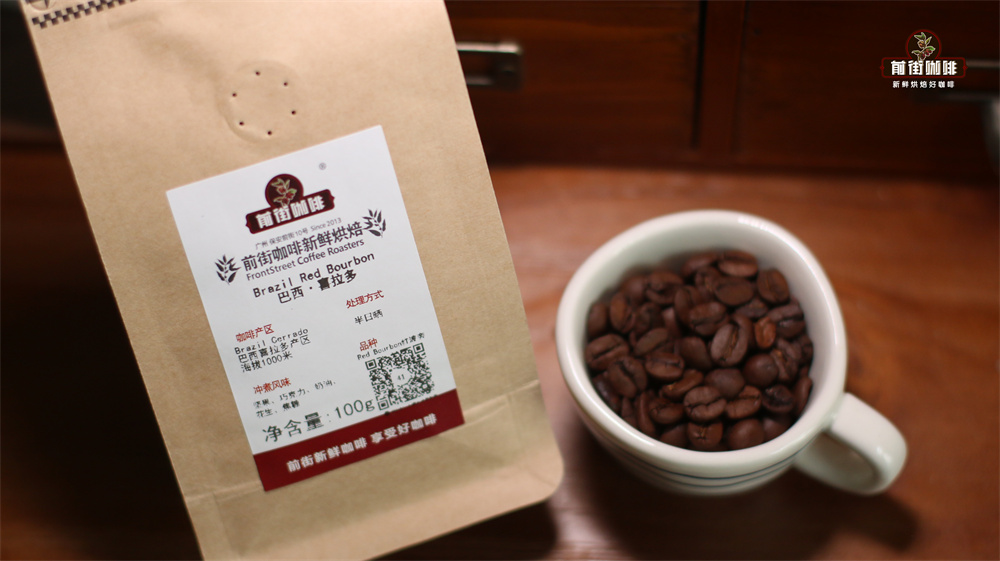
Bourbon is a sub-variety born from a Typica mutation and, together with Typica, ranks among the oldest coffee varieties in existence. The green fruit ripens bright red, the leaves are wider than Typica's, and the plants grow more densely. Yields are higher than Typica's, but the harvest still comes only every two years — a low-yield variety with an excellent flavor profile of winey acidity and sweet aftertaste. FrontStreet Coffee's Brazil Cerrado beans are Bourbon.
Pacas
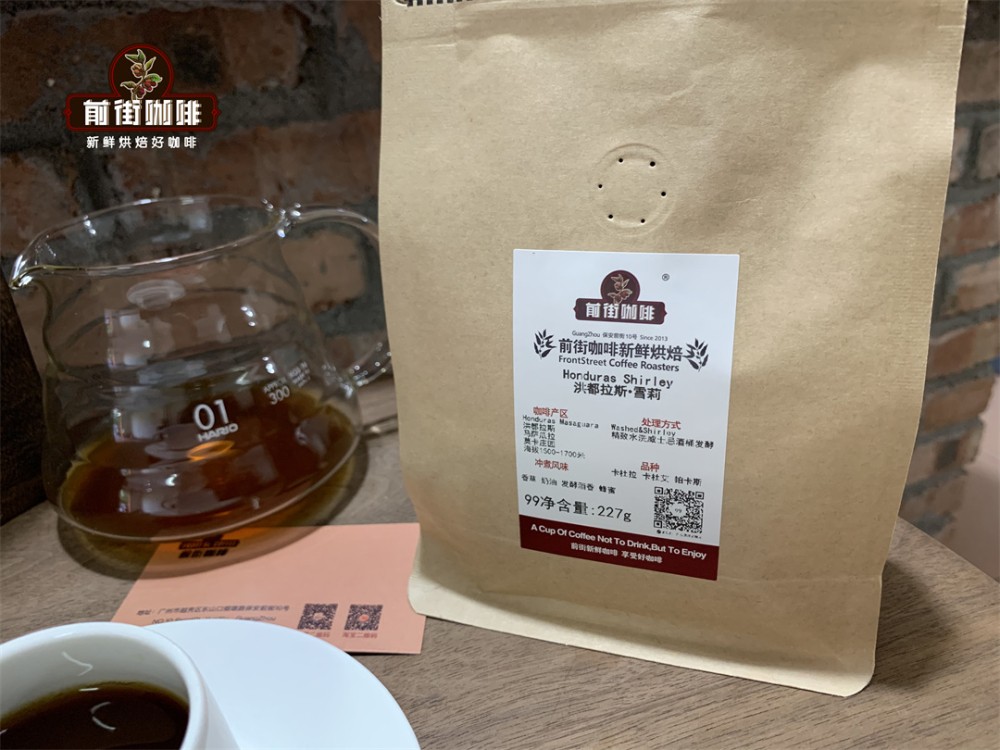
Pacas is a natural Bourbon mutation, first noticed in 1949 on the Pacas family's estate. In 1956, someone found plants of a different morphology in a Bourbon planting, collected them, and began selective breeding research — inviting Professor William Cogwill of the University of Florida to identify them. The verdict: the Pacas farm's Bourbon carried a single-gene mutation producing smaller plants — a new variety, named "Pacas" after the farm's owner. The compact plants can be planted more densely and out-yield the original Bourbon, and high-density planting brought the farm both higher production and excellent flavor.
Caturra
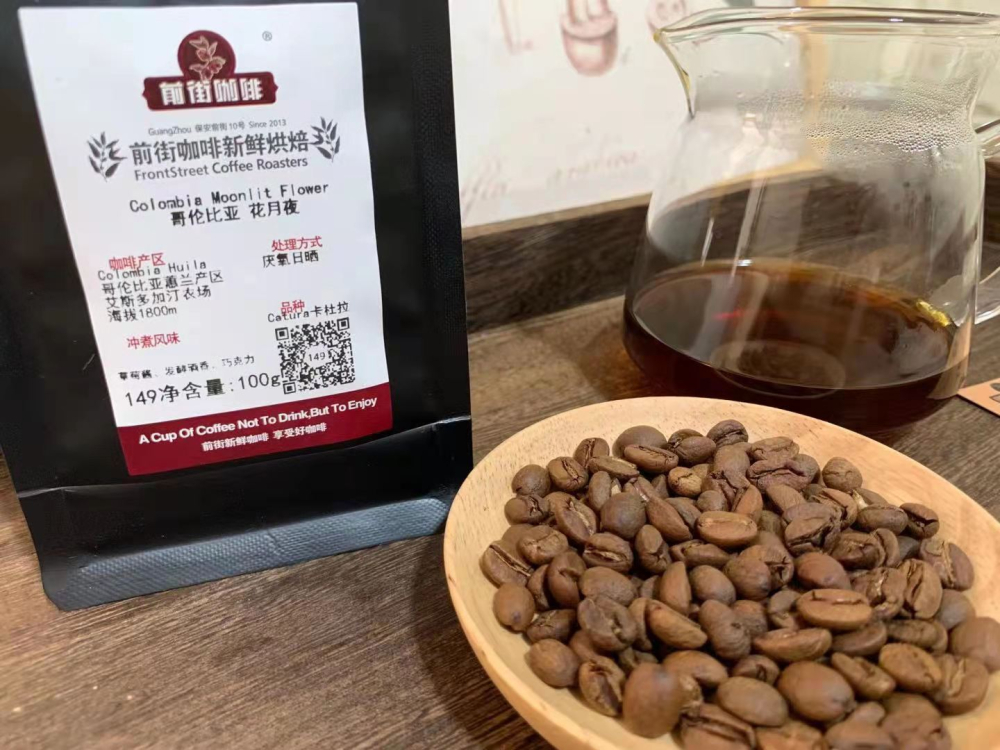
Caturra is a single-gene Bourbon mutation discovered in Brazil in 1937. Its yield and disease resistance both beat Bourbon, and the shorter plant makes harvesting easy. Unfortunately it shares Bourbon's biennial production cycle, and its flavor is comparable to — or slightly below — Bourbon. Its great strength is adaptability: it needs no shade trees and thrives in direct sun, hence the nickname "sun coffee." It tolerates high-density planting but demands more fertilizer, which raised costs and dampened farmers' early enthusiasm. FrontStreet Coffee's Colombia Moonlit Night and Rose Valley are both Caturra.
Catuai
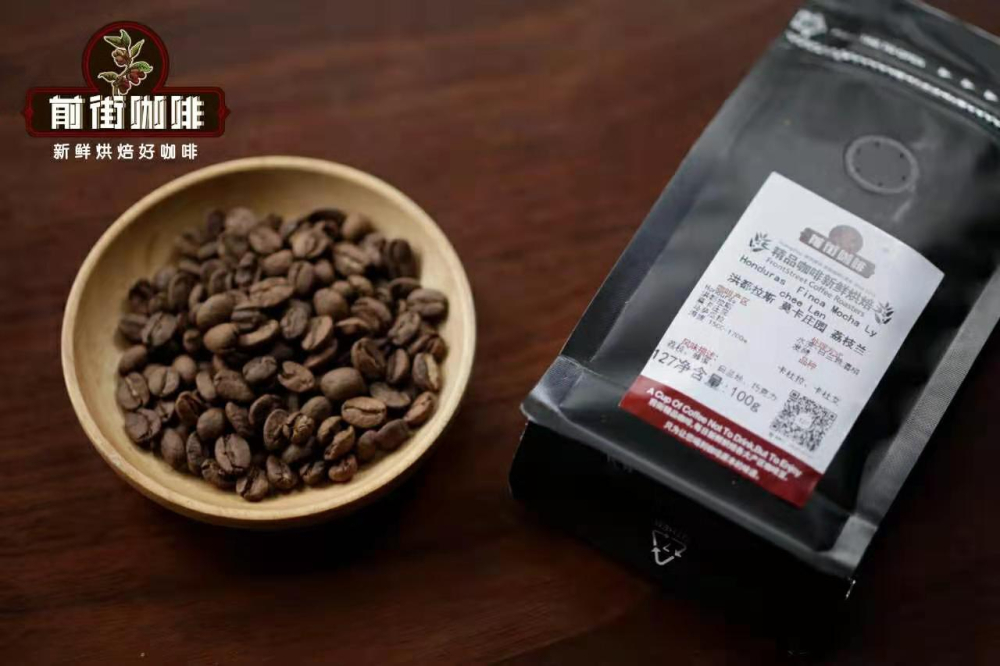
Catuai is an Arabica hybrid, a cross of Mundo Novo and Caturra, with good resistance to natural disasters — particularly wind and rain. It inherits Caturra's short stature, fixing Mundo Novo's weakness, and its firm fruit resists dropping in strong winds, shoring up Arabica's fragility. The trade-off: its flavor is flatter than Caturra's and lacks Mundo Novo's richness — its biggest regret — and its productive lifespan is only about ten years, another weakness.
Honduran Coffee Bean Grading System
Honduran coffee is graded by altitude and defect rate, with the defect standards split into American and European preparations.
Grading by Growing Altitude
Strictly High Grown (SHG): above 1,200 meters
High Grown (HG): 1,000-1,200 meters
Central Standard (CS): 600-1,000 meters
Grading by Defect Rate
American Standard: USP (US preparation); European Standard: EP (Euro preparation).
How to read a Honduran green bean name: Honduras SHG EP (Country + Altitude Grade + Defect Standard).
FrontStreet Coffee's Honduras Coffee Beans: Fine Washed + Barrel Fermentation
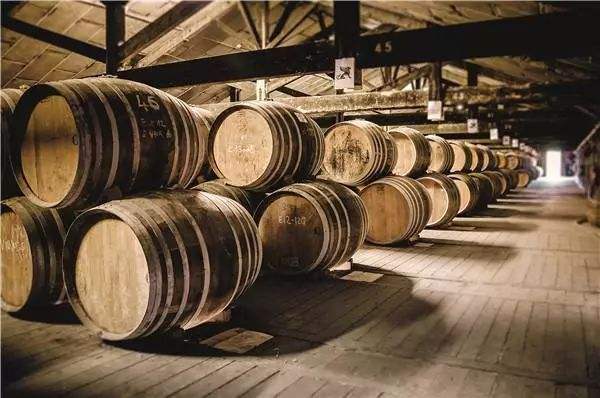
Barrel fermentation borrows from winemaking. In wine, the barrel's moderate oxidation stabilizes structure and infuses cask aromas; in coffee fermentation it plays much the same role.
The barrel lets small amounts of air pass through its walls, gently oxidizing the coffee inside. That measured oxygen accelerates fermentation, softening tannins while gradually transforming fresh fruit aromas into rich, complex, mature wine aromatics. The wood's moderate hardness ensures good waterproofing and safe storage, and the barrel itself contains tannins that, during processing and storage, seep into the green beans — lending the coffee layered complexity and rich wine aromas.
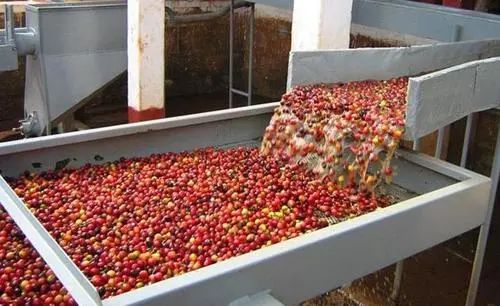
The fine washed whiskey-sherry barrel process works like this: freshly picked cherries are fine-washed first, then placed in oak barrels that previously aged sherry wine for low-temperature fermentation of 30-40 days (at approximately 15-20°C), followed by shade drying.
The fine washed + brandy barrel process follows the same method as Sherry coffee, simply swapping whiskey barrels for brandy.
Whiskey drinkers know barrels come in many varieties, previously used for port, red wine, brandy, sherry, and noble rot wine. Port casks carry a slight savory note, while whiskey aged in sherry barrels is the sweetest and most delicious of the lot.
FrontStreet Coffee's Brewing Parameters for Honduras Coffee
To highlight the wine and fruit aromas of FrontStreet Coffee's Honduras, the beans get a medium-light roast. Brew on a V60 with a 1:15 coffee-to-water ratio, a medium grind (roughly coarse sugar — 80% pass-through on the China #20 standard sieve), and water at 91°C.
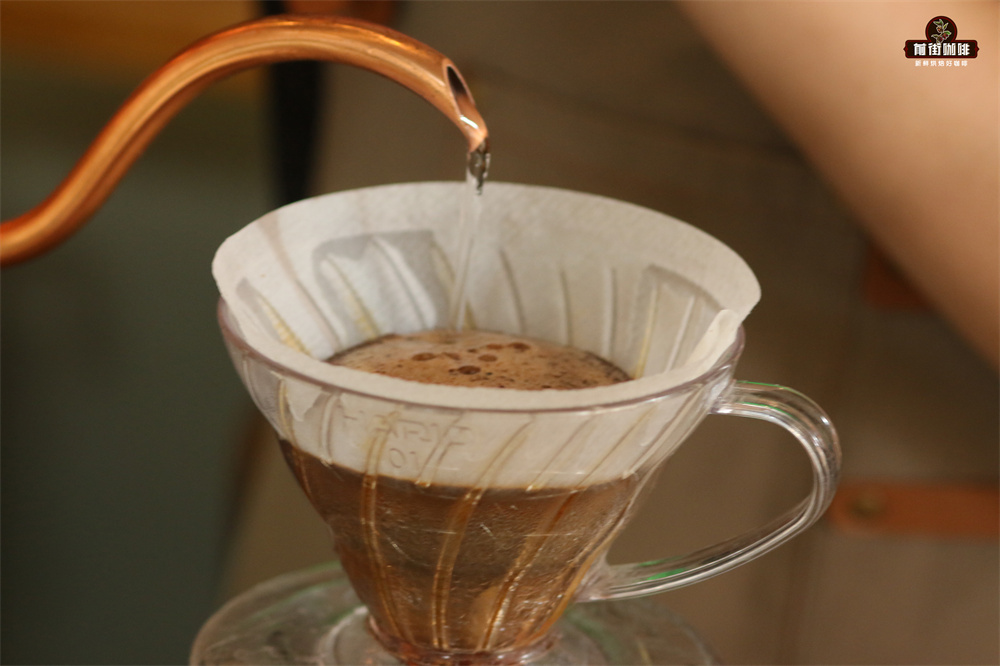
Use segmented extraction: bloom with twice the coffee weight in water — 30g — for 30 seconds. The bloom lets the grounds release their internal carbon dioxide so the subsequent extraction runs more stable. Then pour in small circles to 125g, continue to 225g, and stop. Wait for the dripper to drain completely before removing it; the time from first pour to finish is 2'00". Swirl the whole cup and pour for tasting.
FrontStreet Coffee's Sherry Coffee Flavor Characteristics
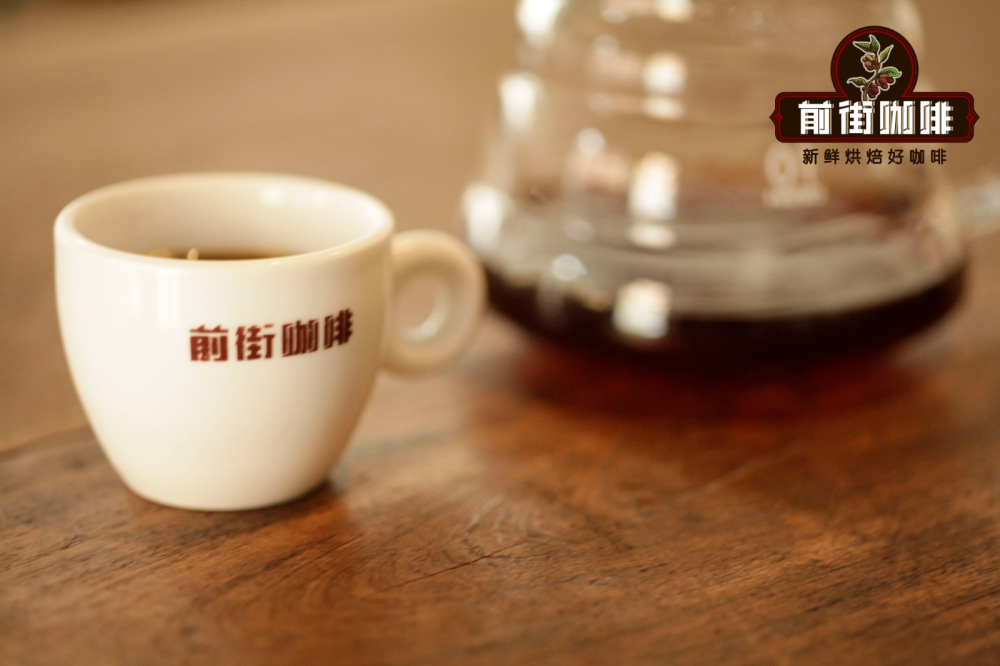
Aroma of vanilla and cream, with whiskey, berry, almond, and dark chocolate flavors on entry, finishing with a maple-like sweetness.
FrontStreet Coffee's Lychee Lan Coffee Flavor Characteristics
Cream, dark chocolate, honey, lychee, and brandy, with a relatively full body and noticeable sweetness. The wine flavor grows more apparent as the cup cools.
FrontStreet Coffee's Brewing Suggestions
FrontStreet Coffee has always believed freshness largely determines flavor, so every bean shipped is roasted within 5 days. The roasting philosophy is "Freshly Roasted Good Coffee": each customer receives coffee right at its peak, since the degassing period runs about 4-7 days.
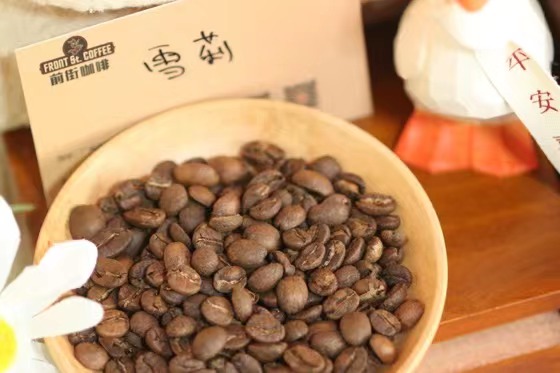
A gentle reminder for those who need their coffee ground: pre-ground beans no longer need degassing — during transport, the pressure of carbon dioxide in the packaging actually mellows the flavor, so you can brew the moment your order arrives. But ground coffee must be brewed promptly, since it oxidizes quickly in air and its flavor dissipates fast. FrontStreet Coffee therefore recommends whole beans, ground fresh before brewing, to taste the coffee at its fullest.
For professional coffee knowledge exchange and more coffee bean information, please follow Coffee Workshop (WeChat public account: cafe_style).
For more specialty coffee beans, please add FrontStreet Coffee (FrontStreet Coffee) on private WeChat, ID: qjcoffeex
FrontStreet Coffee Recommendation: From Barrel-Aged to the Legendary Geisha
If Honduras's whiskey-cask sweetness has expanded your taste for adventurous processing, take the next step with the Geisha variety itself. FrontStreet Coffee's Boquete Geisha from Panama is the accessible entry: 1600 meters on Baru Volcano's volcanic soil, with jasmine florals, green tea, honey, citrus, and orange in the cup. For the origin story, try FrontStreet Coffee's Geisha Village Gold Label — the Geisha 1931 variety, a precise sun-dried lot representing just 10% of the estate's output — or the Red Label Gori Gesha, a single-terroir series scoring 88+ on the SCA 100-point scale with full traceability. Geisha drinks best at a granulated-sugar grind (78% through a #20 sieve), 91°C water, 15g on a V60, and a 1:16 ratio in three gentle pours.
Important Notice :
FrontStreet Coffee is a long-established specialty coffee roaster in Guangzhou China, selling freshly roasted beans from its own farm in Yunnan as well as dozens of carefully selected single-origin beans from around the world for both pour-over and espresso. The products deliver consistently excellent quality and great value, with shipping within 24 hours. Guangzhou's FrontStreet Coffee shop is recommended by many coffee lovers, and the beans are now available online at the Tmall 。
FrontStreet Coffee has moved to a new address:
FrontStreet Coffee Address: 315,Donghua East Road,GuangZhou
Tel:020 38364473
 Scan and follow the En Gafei WeChat official account. Please indicate that the reprint comes from "En Gafei".