History of Brazilian Coffee Varieties and Processing Methods - Flavor Profile Characteristics of Red Bourbon Coffee Beans
Brazilian Coffee
Ethiopia may be coffee's birthplace, but Brazil is currently the world's largest producer and exporter of coffee — a position it has held for over a century. In the 1820s, Brazilian output even accounted for about one-third of world coffee production. Numbers like that naturally invite curiosity about the country's coffee.
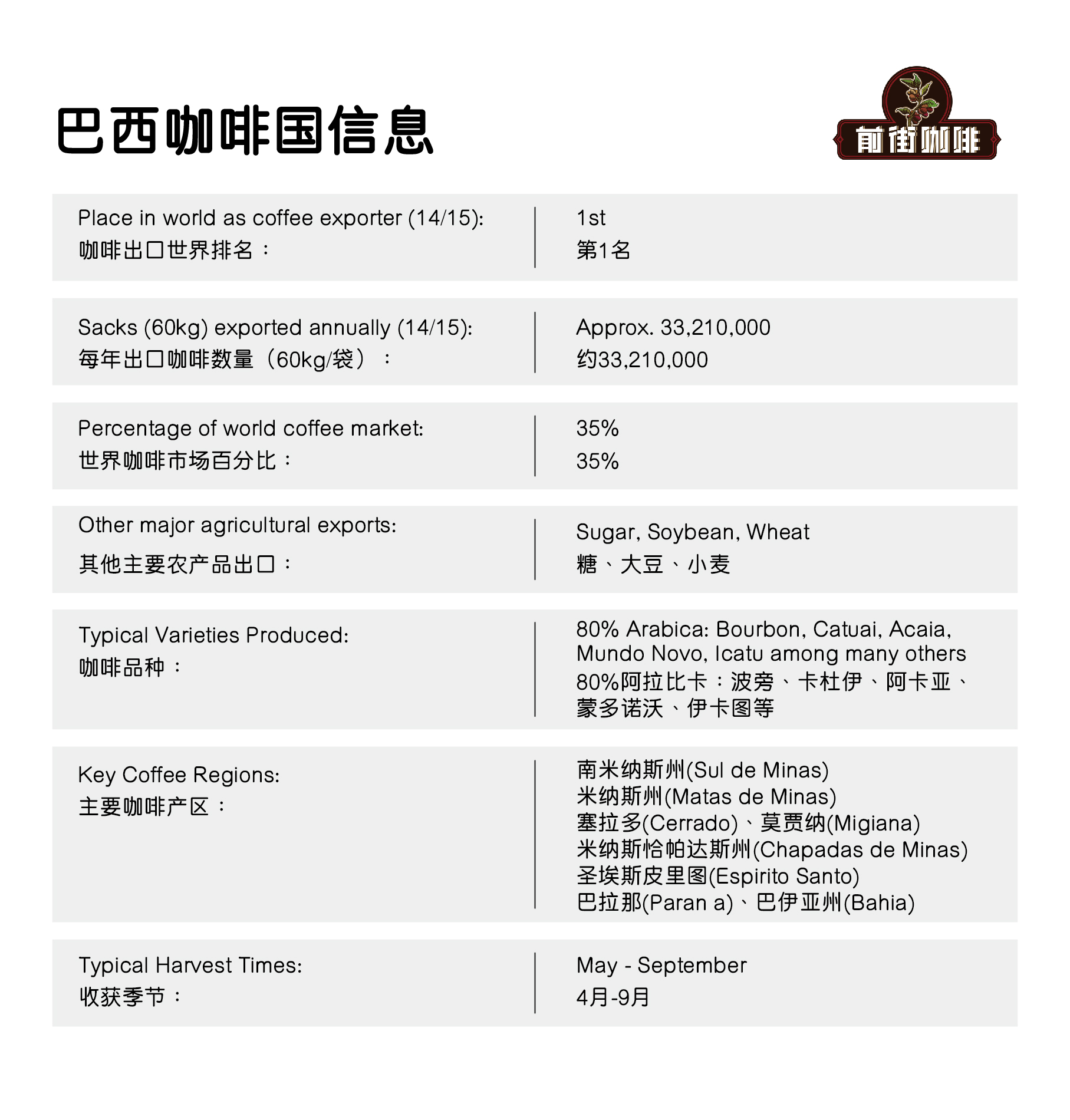
Brazil cultivates a remarkably diverse range of varieties, with Arabica making up approximately 70%. If Ethiopia is the homeland of Arabica, Brazil is the arsenal of New World variety improvement. The Instituto Agronômico de Campinas (IAC) in São Paulo is renowned as the birthplace of new cultivars: Catuaí, Icatu, Acaiá, Obatã, and various forms of Caturra and Mundo Novo all trace back to it.
FrontStreet Coffee's Brazilian Red Bourbon Coffee
Next, meet FrontStreet Coffee's Red Bourbon coffee.
- Region: South Minas
- Variety: Red Bourbon
- Processing: Semi-dry (Pulped Natural)
- Altitude: 700-1250m
- Flavor: Distinct sweetness on entry with a subtle lemon aroma, rich nutty flavors, and pronounced dark chocolate in the finish — remarkably smooth and well-rounded throughout.
FrontStreet Coffee's beans come from Minas Gerais, whose representative coffee regions — Cerrado and South Minas — are both high-altitude areas. Cerrado lies in the western part of the state, a flat plateau at elevations between 750m-1200m, while South Minas is hilly terrain at elevations of 700m-1200m. Since 1999, South Minas estates have won more Brazil Cup of Excellence competitions than any other region.
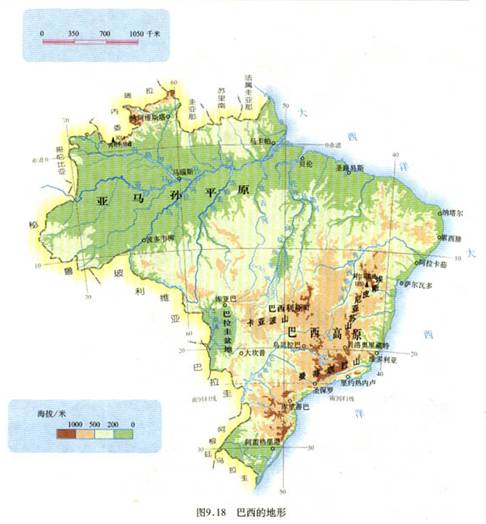
Grown at comparatively low altitude, Brazilian coffee shows lower acidity. The mouthfeel is full-bodied and smooth, with chocolate and nutty flavors.
Brazilian Coffee Processing Methods
The four most common Brazilian processing methods are natural (dry), pulped natural, semi-washed, and washed. Natural is the most popular, thanks to Brazil's relatively stable dry seasons.
Brazil's natural method differs from traditional Ethiopian natural processing. What Brazilians call "natural" refers to the harvesting approach rather than the classic processing method: the cherries are allowed to ripen fully on the branch, absorbing sunlight to the last, before picking.
Washed and natural methods are common the world over, so here we focus on Brazil's two signatures: pulped natural and semi-washed.
Pulped Natural Processing
The pulped natural method was brought to Brazil 25 years ago by the renowned machinery manufacturer Pinhalense, and it ranks as the country's second most popular processing method. Brazilians commonly call it "Cereja Descascado" — "Descascado" meaning peeled and "Cereja" meaning cherry. In Central America the same method is known as honey processing. A pulper is essential equipment for it, and coffees processed this way show exceptional sweetness and distinctive flavors.
Semi-Washed Processing
The semi-washed method is often confused with pulped natural, but it has a distinct character. Semi-washed coffees carry an extremely full-bodied texture and high sweetness — and the method demands exceptional skill and experience from the grower, because a single mistake can render the coffee undrinkable. Like pulped natural, the fruit is first depulped by machine; the difference is that semi-washed requires removing as much pulp, mucilage, and sticky residue from the green bean surface as possible. In Central America, producers run the depulped fruit straight through washing machines, which is why the method is also called "mechanical washing."
FrontStreet Coffee Recommendation
Red Bourbon's low-acid, nutty smoothness is exactly the lane FrontStreet Coffee's Brazilian lineup lives in. The Cerrado Red Bourbon — a semi-dried classic — is roasted medium and pours out thick aromas of cream, peanut, toasted bread, caramel, and hazelnut: round on the palate, not sour, with only a whisper of bitterness, and at home in a pour-over, moka pot, espresso machine, siphon, or French press. For a sweeter variation, the Queen's Estate Yellow Bourbon from Mogiana's fertile red volcanic soil offers the clean sugarcane sweetness, fruit, and chocolate that only Yellow Bourbon delivers. Either way, you are tasting the same balanced Brazil this article set out to explain.
Important Notice :
FrontStreet Coffee is a long-established specialty coffee roaster in Guangzhou China, selling freshly roasted beans from its own farm in Yunnan as well as dozens of carefully selected single-origin beans from around the world for both pour-over and espresso. The products deliver consistently excellent quality and great value, with shipping within 24 hours. Guangzhou's FrontStreet Coffee shop is recommended by many coffee lovers, and the beans are now available online at the Tmall 。
FrontStreet Coffee has moved to a new address:
FrontStreet Coffee Address: 315,Donghua East Road,GuangZhou
Tel:020 38364473
 Scan and follow the En Gafei WeChat official account. Please indicate that the reprint comes from "En Gafei".