The Science Behind Anaerobic Fermentation in Rose Valley Coffee Beans: Why Anaerobically Processed Coffee Extracts Quickly
Introduction
Many friends have asked FrontStreet Coffee why, when they brew anaerobically processed coffee at home — even using a grind size suited to medium-roasted beans — the water flows through too quickly and the coffee always ends up tasting watery. Where does the problem lie? This article explains how we adjust our parameters when brewing anaerobically processed beans.
What is Anaerobic Processing?
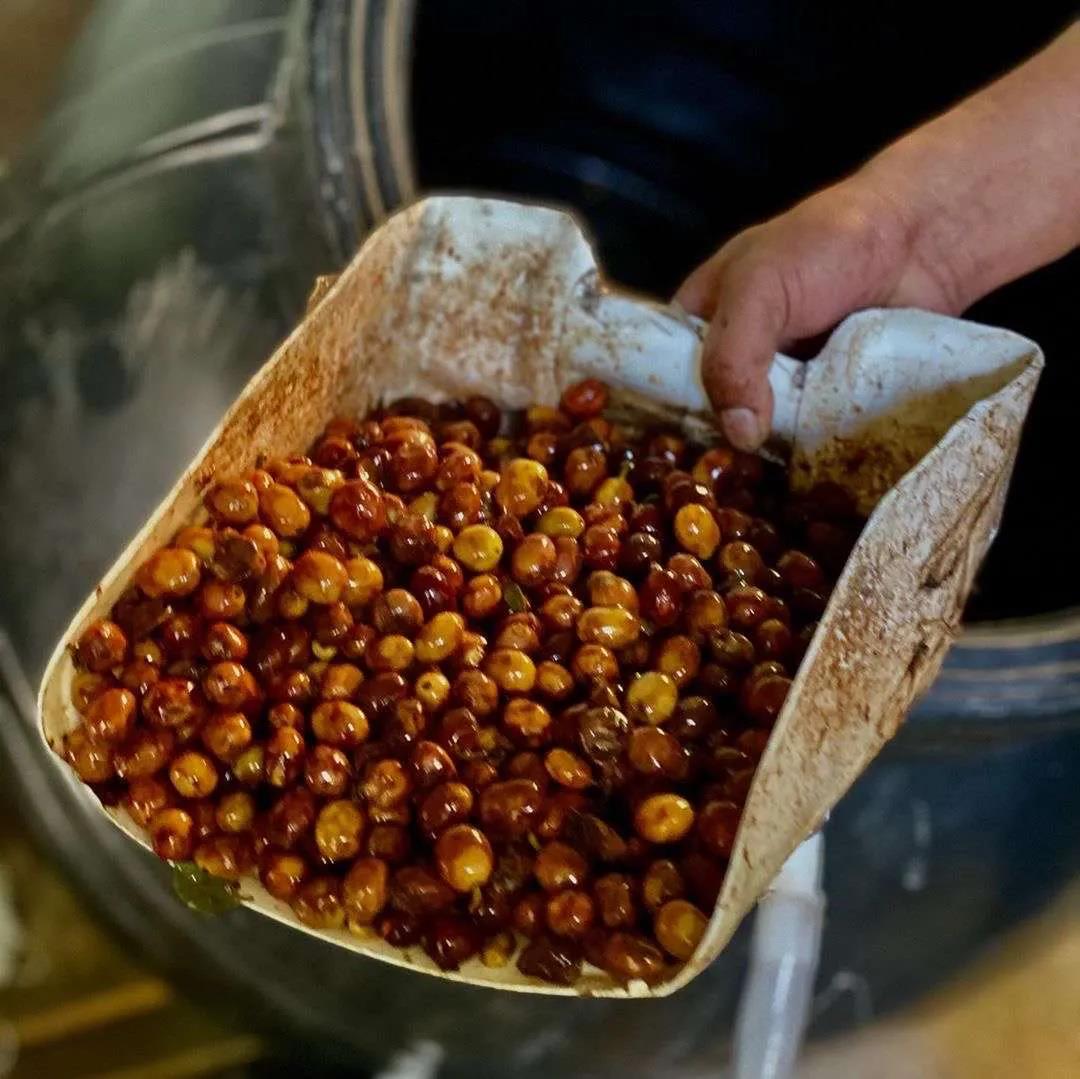
Anaerobic processing places fresh coffee cherries in sealed barrels for low-temperature fermentation, with temperatures controlled between 10-15°C. In this cool, oxygen-free environment, the breakdown of pulp and pectin slows down, extending the fermentation time and letting the beans develop more sweetness.
Beyond the added sweetness, anaerobic processing also changes the tightness of the beans' cell walls. Compare, for example, Strictly Hard Beans (SHB) from the high-altitude regions of Central America: anaerobically processed beans have a less dense cellular structure than conventionally processed ones. After roasting, the internal structure of anaerobic beans is noticeably more porous.
What Parameters Should We Adjust When Water Flows Too Quickly?
When the water runs through too fast, the first thing to check is the grind size. FrontStreet Coffee typically uses EK43S setting #10 for medium-roasted beans (most medium roasts at this setting achieve an 80% pass rate through a Chinese standard #20 sieve). But do anaerobically processed beans ground at the same setting also reach an 80% pass rate?
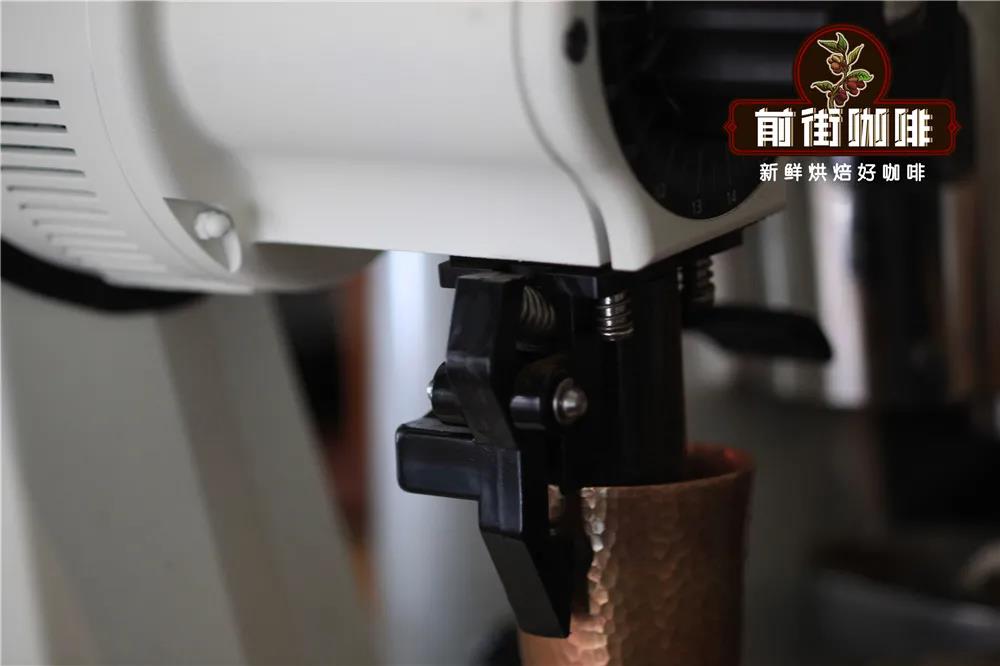
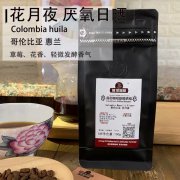
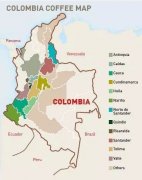
FrontStreet Coffee tested two anaerobic coffees from different Central American origins at EK43S #10. The Costa Rica Musician Series Anaerobic Honey Mozart achieved a 76% sieve pass rate, while the Colombia Big Tree Estate Double Anaerobic Washed Rose Valley reached 77%.
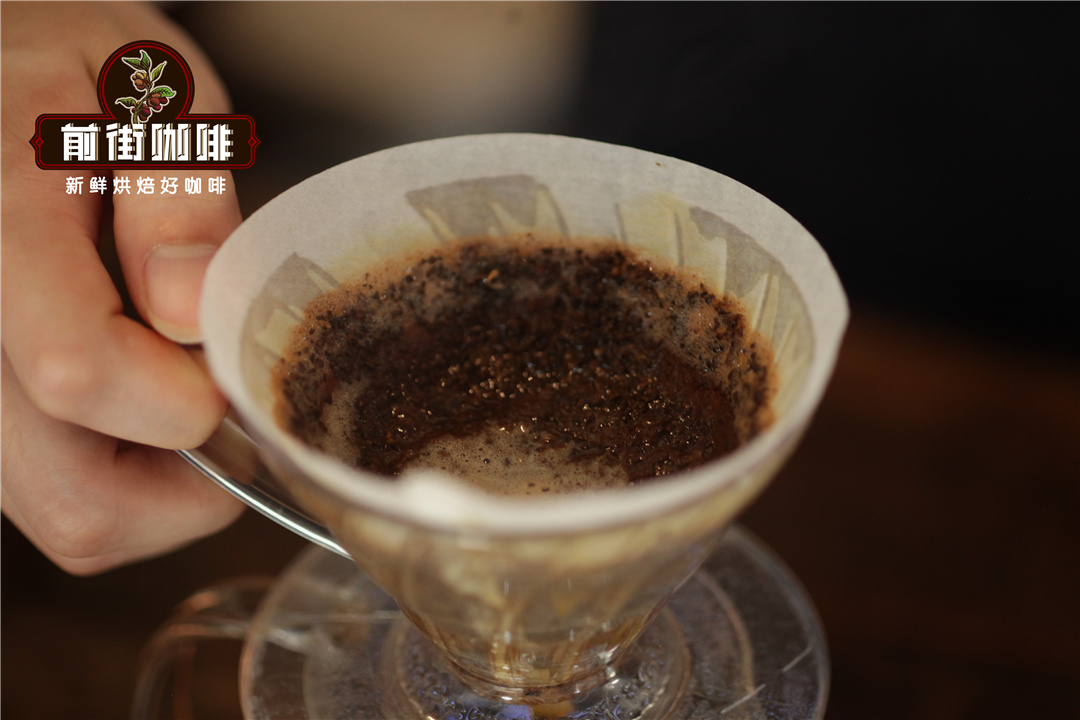
Brewed at EK43S #10, the Mozart ran 1'47" and showed raisin, light fermentation, and pineapple's sweet-tart balance, with a weak aftertaste and an overall thin body. The Rose Valley ran 1'45" and showed rose and berry sweet-tart notes — little beyond those sensations, with an overall thin body.
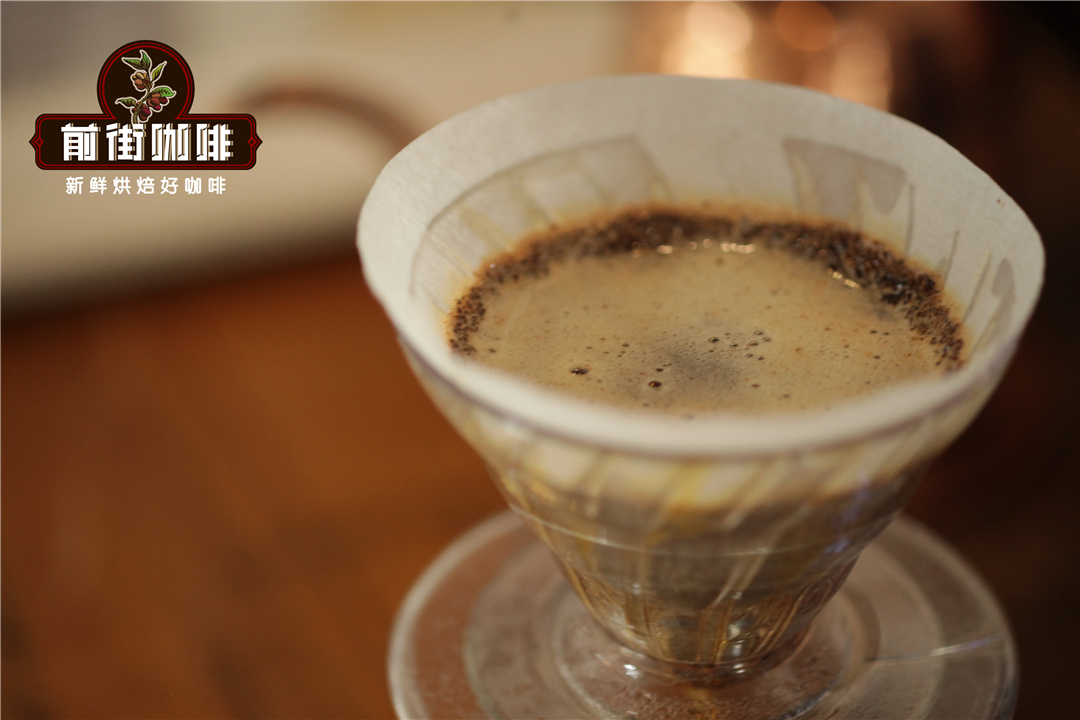
Although the sieve pass rates were close to 80%, the beans' inherently porous structure let the water flow through too quickly, preventing sufficient extraction of flavor compounds. So FrontStreet Coffee moved the grind finer, to EK43S #9.5. After the adjustment, the Mozart reached an 81% pass rate, and the Rose Valley 82%.
Brewed at EK43S #9.5, the Mozart ran 1'57" and displayed dried-fruit fermentation notes, orange blossom aroma, berry sweet-tart balance, and a pineapple aftertaste, with pronounced aroma and a smooth mouthfeel. The Rose Valley ran 1'55" and displayed rose and peach aromas, berry sweet-tart balance, and a chocolate liqueur aftertaste, with pronounced aroma and a full body.
What If Water Flow Remains Too Fast After Adjusting Grind Size?
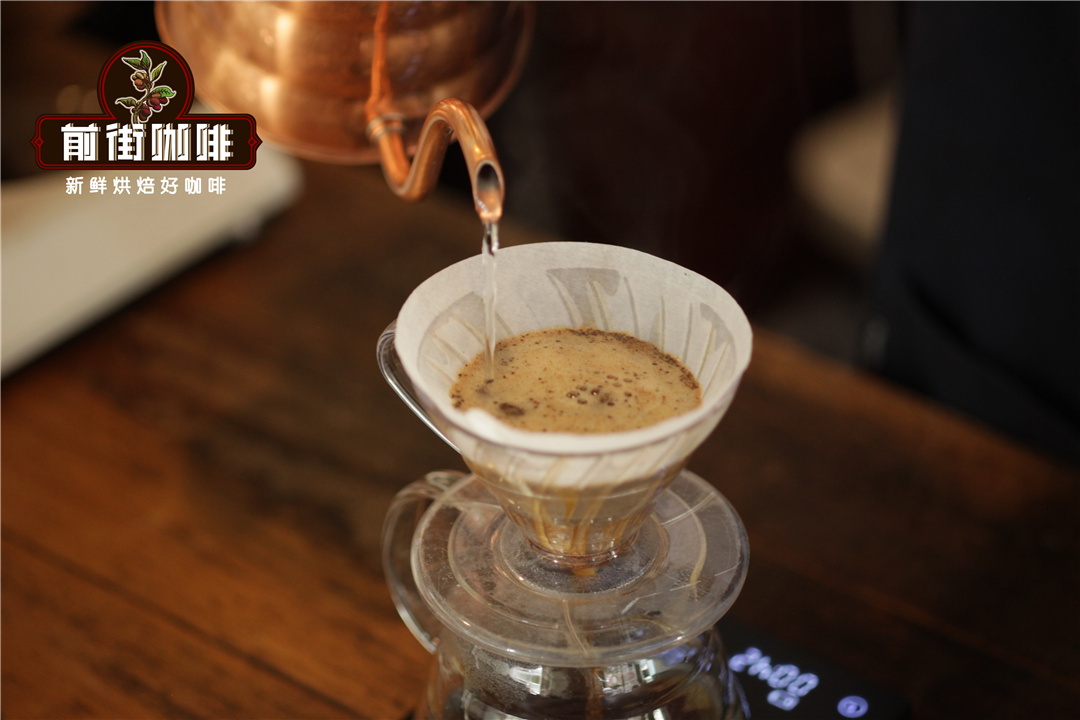
Then the pouring itself may be too fast! Whichever dripper you use, FrontStreet Coffee recommends controlling the water flow at 4g/second, keeping the stream stable and vertical into the coffee bed.
FrontStreet Coffee Recommendation
The Rose Valley discussed here is a great example of what careful roasting can do with an experimental process. If you are drawn to medium roasts in general, remember that three elements — acidity, sweetness, and bitterness — must be controlled correctly during roasting to determine a coffee's final flavor: the darker the roast, the more bitter and full-bodied; the lighter, the more acidic and delicate. For a balanced cup, medium roast is the sweet spot, and FrontStreet carries several standouts.
If you dislike both sour and bitter, try FrontStreet's Brazil Queen Estate (Fazenda Rainha): grown in the world's largest coffee-producing country from the local Yellow Bourbon variety, it is quietly sweet after a medium roast, with aromas and sweetness of creamed peanuts, chocolate, toast, and sugarcane — good for pour-over, moka pot, or espresso machine. For a fruitier medium roast, the first choice is FrontStreet's Strawberry Candy, a blend that unites two famous origins of the Americas: honey-processed Costa Rica and washed Panama Geisha. Roasted medium to highlight the best of both, it shows orange-blossom honeyed sweetness and a rounded sweetness in the cup, and works beautifully as cold brew, pour-over, or espresso.
FrontStreet's 2013 Natural Typica is a representative of Chinese specialty coffee, carrying the orthodox character of Yunnan arabica; a medium roast restores its balanced, gentle profile of nuts, brown sugar, black tea, and dried apricot, and it suits pour-over, cold brew, or drip machines at a very friendly price. And for the classic among classics, Jamaica Blue Mountain No. 1 — grown from Typica under uniquely favorable geography — is roasted medium so that its acidity, bitterness, sweetness, and body merge into one elegant, alluring character, with chocolate, roasted nuts, cream, and caramel unfolding from the very first sip, a feat no other coffee quite matches.
Important Notice :
FrontStreet Coffee is a long-established specialty coffee roaster in Guangzhou China, selling freshly roasted beans from its own farm in Yunnan as well as dozens of carefully selected single-origin beans from around the world for both pour-over and espresso. The products deliver consistently excellent quality and great value, with shipping within 24 hours. Guangzhou's FrontStreet Coffee shop is recommended by many coffee lovers, and the beans are now available online at the Tmall 。
FrontStreet Coffee has moved to a new address:
FrontStreet Coffee Address: 315,Donghua East Road,GuangZhou
Tel:020 38364473
 Scan and follow the En Gafei WeChat official account. Please indicate that the reprint comes from "En Gafei".