Kenyan Coffee Bean Regional Grading Standards and Asalia Coffee Variety Flavor Profile
Why Kenyan Coffee Has Such Unique Acidity
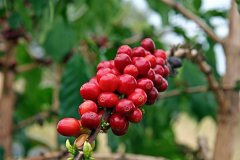
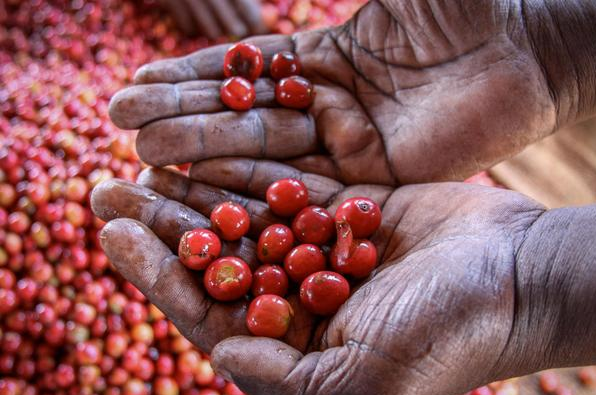
Kenya, located near Ethiopia, the "birthplace of coffee," produces coffee with remarkably bright acidity. It typically presents dark berry notes, with tomato-like sweet and juicy sensations also appearing in the cup. Its flavor complexity is relatively high, making it a popular origin in today's specialty coffee market. So do you know why Kenyan coffee's acidity is so distinctive?
Deeply Connected to Growing Environment
Kenya lies in low-latitude regions and is traversed north to south by the Great Rift Valley, with elevation gradually increasing from east to west. Most areas have a tropical savanna climate, with coastal regions hot and humid, while the highland climate is mild and very suitable for coffee cultivation. Coffee is grown primarily in volcanic soils at elevations of 1600-2100 meters around Kenya's mountainous regions. Because temperatures in the mountains are lower, growth is slower, allowing the aromatic components of the beans to develop fully. The main characteristic is a distinct fruit flavor, such as berries and black plums.

Kenya's coffee-producing regions fall into six main areas: Thika, Kirinyaga, Mt. Kenya West, Nyeri, Kiambu, and Muranga. The Kenyan beans on FrontStreet Coffee's menu come from the Thika region.
The cultivation altitude in the Thika region ranges between 1550 and 1750 meters. Thika is a small town near Kenya's capital, Nairobi. There are many coffee fields around Nairobi, and although Thika is an industrial town, it is surrounded by agriculture and waterfalls. The Thika region has approximately 2000 farmers. Through cupping, FrontStreet Coffee determined that this region's flavor profile features bright fruit acidity, rich berry juice, and honey-like sweetness.

Exquisite Washed Processing Enhances Kenyan Coffee
According to FrontStreet Coffee's understanding, unlike Ethiopia's washed processing, Kenya's washed method employs a cyclic, repeated technique of fermenting followed by washing, also known as the Kenyan-style 72-hour fermentation washed process, or K72 for short.
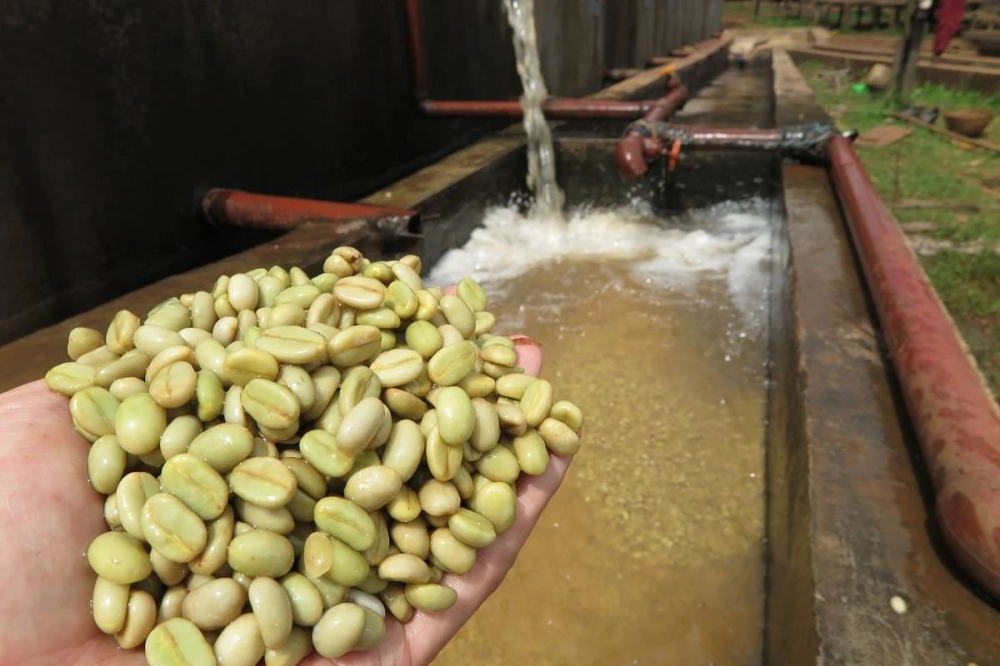
After harvesting high-quality ripe coffee cherries, the cherries are immediately pulped and fermented in tanks for 24 hours. When the first 24-hour period ends, they are washed thoroughly with large amounts of clean river water, then undergo another 24-hour fermentation in clean river water. After the second 24-hour period, the previous step is repeated, reaching 72 hours in total. The whole washed process takes 72 hours. This method lets the beans ferment for an extended period at low temperatures, achieving a brighter, cleaner yet fuller flavor. FrontStreet Coffee's Kenya Assalia beans are processed using the K72 washed method.
Kenyan Green Bean Grade Classification
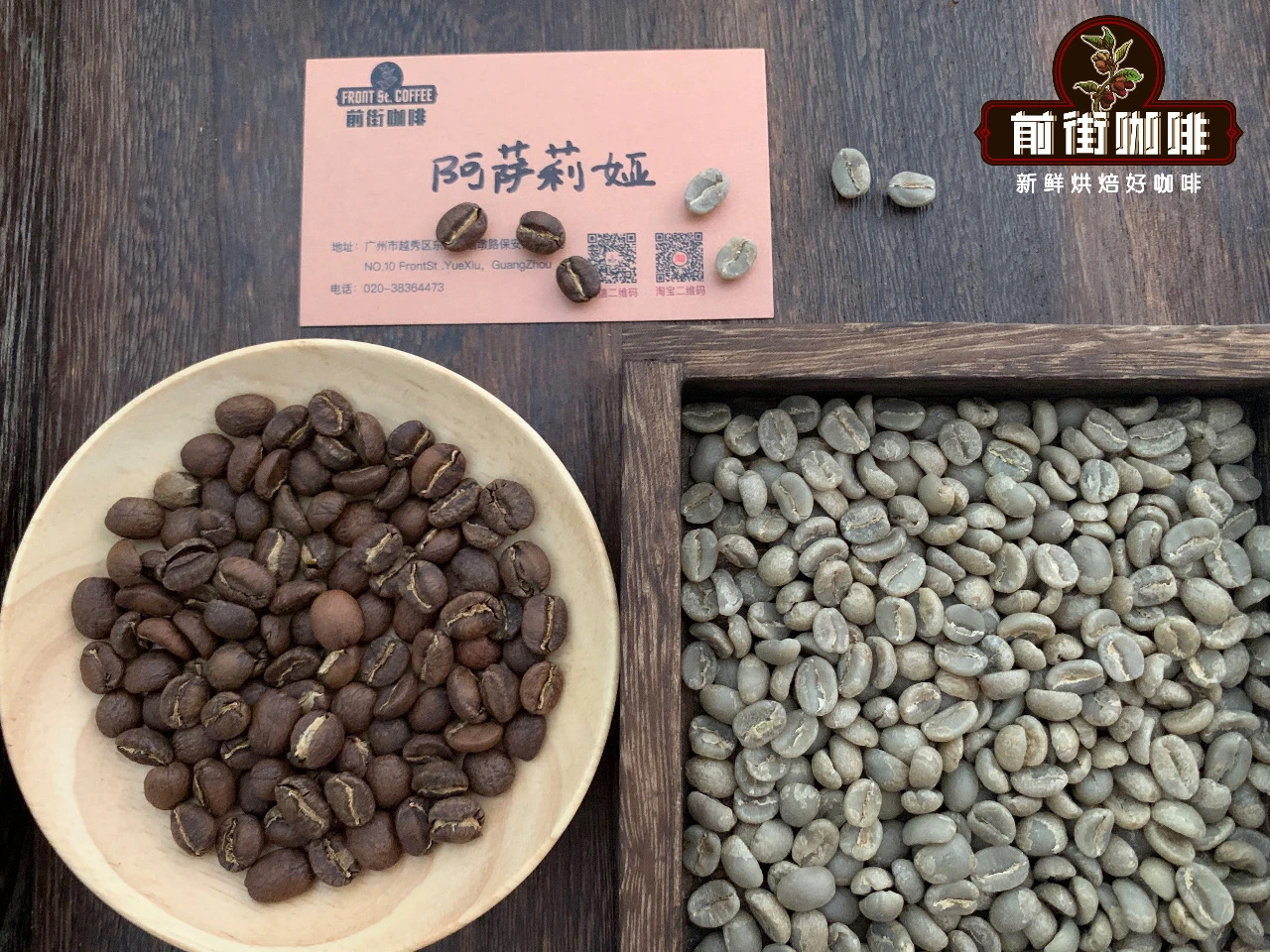
Kenyan coffee beans are classified by size, which is also considered directly related to quality, with AA the best and AB next. The advantage of classifying by size is that, after selecting varieties, larger bean particles represent fullness and quality, which is also very favorable for roasting. This lets us ensure consistent quality in Kenyan coffee. Although we can still distinguish specific flavor differences between regions such as Nyeri, Kirinyaga, and Kiambu, they generally all share the distinctive Kenyan characteristics of bright acidity and tomato and berry-like flavors.
Kenyan Coffee Varieties
Kenya's most famous coffee varieties are SL28 and SL34. The Kenya Assalia coffee launched by FrontStreet Coffee contains only these two varieties, SL28 and SL34.
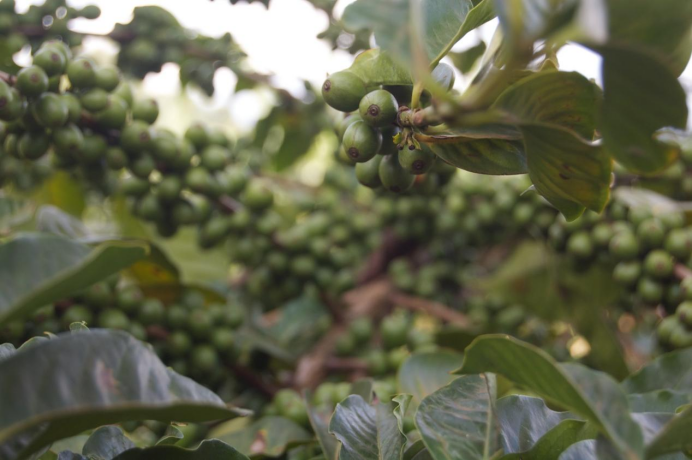
SL stands for "Scott Laboratories." Scott Laboratories developed multiple SL varieties. Researchers selected 42 varieties from different origins and compared their yield, quality, drought resistance, and disease resistance. After individual numbering and screening, they finally obtained SL-28 and SL-34. SL coffee trees have very wide leaves with copper-colored tips, and their beans are short and round with thick bodies, featuring uplifted acidity and distinct sweetness.
Since then, Kenya has made tireless efforts to develop varieties resistant to leaf rust disease. Ruiru11 was the first successful variety recognized by the Kenya Coffee Board and can be understood as the Kenyan version of Catimor. When FrontStreet Coffee cupped Kenyan beans mixed with Ruiru11, it found that the flavor expression had slightly less sweet and sour sensation, with a slight roughness. This also proves that varieties have a significant impact on flavor.
How to Brew Tomato Flavors from Kenyan Coffee Beans
To preserve the rich acidity of Kenyan coffee, FrontStreet Coffee's roasters adopted a light roast after multiple rounds of cupping comparisons. For brewing, because light-roast beans have a harder texture, higher-temperature water is needed to extract the floral and fruit flavors. Here FrontStreet Coffee recommends 92-93°C. FrontStreet Coffee recommends a medium-fine grind, equivalent to the thickness of fine sugar (78% passing rate through China standard #20 sieve). Too coarse and you cannot extract the rich body substances, resulting in thin coffee; too fine and it is easy to over-extract at high water temperatures, causing excessive bitterness.
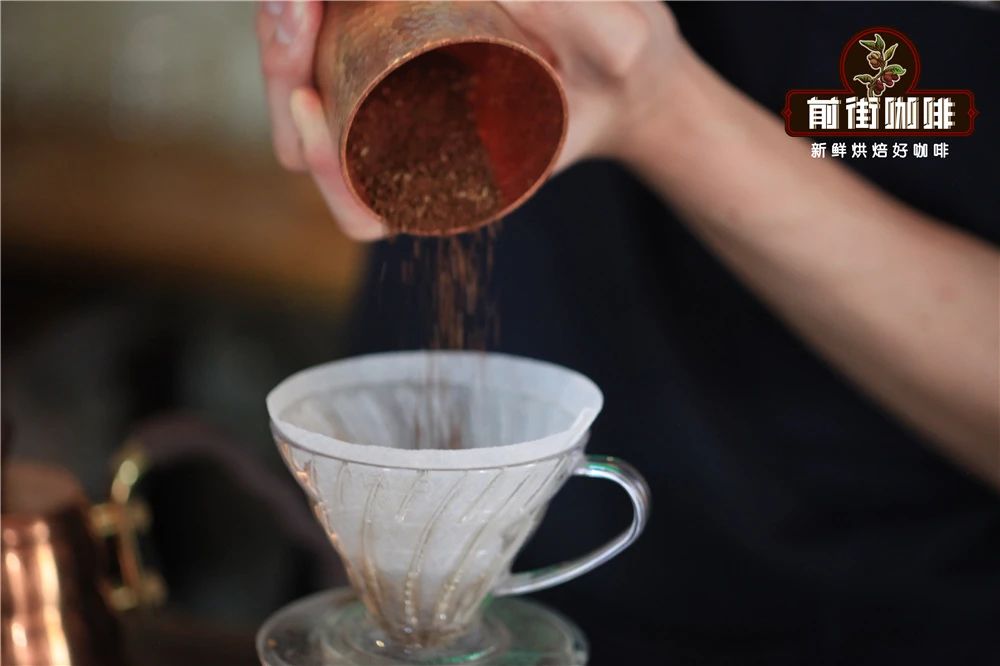
Dripper: V60
Water Temperature: 92-93°C
Dose: 15g
Coffee-to-Water Ratio: 1:15
Grind Size: Fine sugar size (78% passing through #20 sieve)
Three-Stage Pouring: Use twice the weight of the coffee in water to wet the coffee bed, forming a dome and blooming for 30s, then use a small stream to pour in circles from inside to outside until you reach 125g, then pause. When the coffee bed drops to half the height of the dripper, continue with the same fine stream to pour the third stage to 225g. Once all the coffee liquid has filtered through, remove the dripper. The total time is about 2 minutes. After the coffee from the dripper flows into the server below, remove the dripper, then gently shake to evenly distribute the coffee liquid before tasting from high temperature.
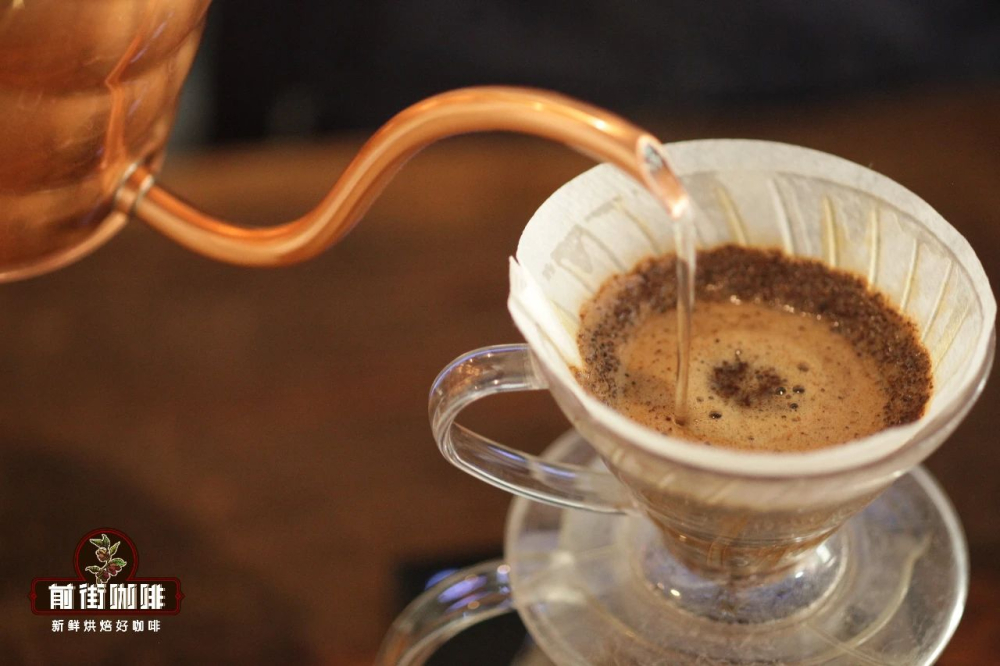
The pour-over Kenyan coffee presents tomato, dark berry, and black plum fruit flavors. The sweetness evokes honey, accompanied by a rich, rounded prune-like juice sensation. The layers are extremely rich, with a full mouthfeel and a bright, clean aftertaste.
For professional coffee knowledge exchange and more coffee bean information, follow Coffee Workshop.
FrontStreet Coffee Recommendation
If you enjoy the bright, floral side of East African coffee, FrontStreet's Ethiopia range is a natural next step. The FrontStreet Washed Yirgacheffe is the classic entry point, known for white jasmine, bright citrus and lemon acidity, and a tea-like body.
The FrontStreet Gedingding Cooperative coffee comes from Gedingding village in the Worka area, southeast of Yirgacheffe. Because the fruit is depulped before drying, the coffee's own aromas come through more clearly, giving citrus and lemon notes and an elegant white floral character with a bright, delicate overall profile.
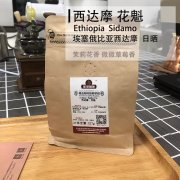
For a naturally processed contrast, the FrontStreet Huakui comes from the Hambella area of Guji, Sidama, where a 200-hectare farm uses traditional natural processing: ripe cherries are dried on raised beds for 21 days, turned regularly, and hand-sorted every three to five days to remove defective or moldy beans. After medium-light roasting it shows a light fermented wine aroma, florals, citrus, and mango, with honey sweetness, cocoa notes, and a hint of spice over a thick, long-lasting body.
Important Notice :
FrontStreet Coffee is a long-established specialty coffee roaster in Guangzhou China, selling freshly roasted beans from its own farm in Yunnan as well as dozens of carefully selected single-origin beans from around the world for both pour-over and espresso. The products deliver consistently excellent quality and great value, with shipping within 24 hours. Guangzhou's FrontStreet Coffee shop is recommended by many coffee lovers, and the beans are now available online at the Tmall 。
FrontStreet Coffee has moved to a new address:
FrontStreet Coffee Address: 315,Donghua East Road,GuangZhou
Tel:020 38364473
 Scan and follow the En Gafei WeChat official account. Please indicate that the reprint comes from "En Gafei".