Coffee Bean Freshness Are Oily Coffee Beans No Longer Fresh? The Culprits That Age Coffee Beans
When you buy coffee beans, you may want to try several varieties at once. Beans are usually sold in half-pound bags, though, and if you only drink occasionally you may not get through them quickly. That raises a natural question: how should you store coffee beans? Which leads to another: what happens once they go stale and stop tasting good? Like any food, coffee is at its most authentic when fresh, so keeping beans fresh is a topic every coffee lover has to take seriously.
How Do You Tell if Coffee Beans Are Fresh?
To keep beans fresh, it helps to understand what "fresh" actually means.
At FrontStreet Coffee we hear the same question again and again: "These beans look so oily - they must have been sitting on the shelf forever. They can't be fresh." But oiliness alone says nothing reliable about freshness. Beans are roasted to different levels, and roast level is exactly what drives surface oil. Medium-dark and darker roasts typically show oil right after roasting, while lighter roasts may stay matte for six months or more.
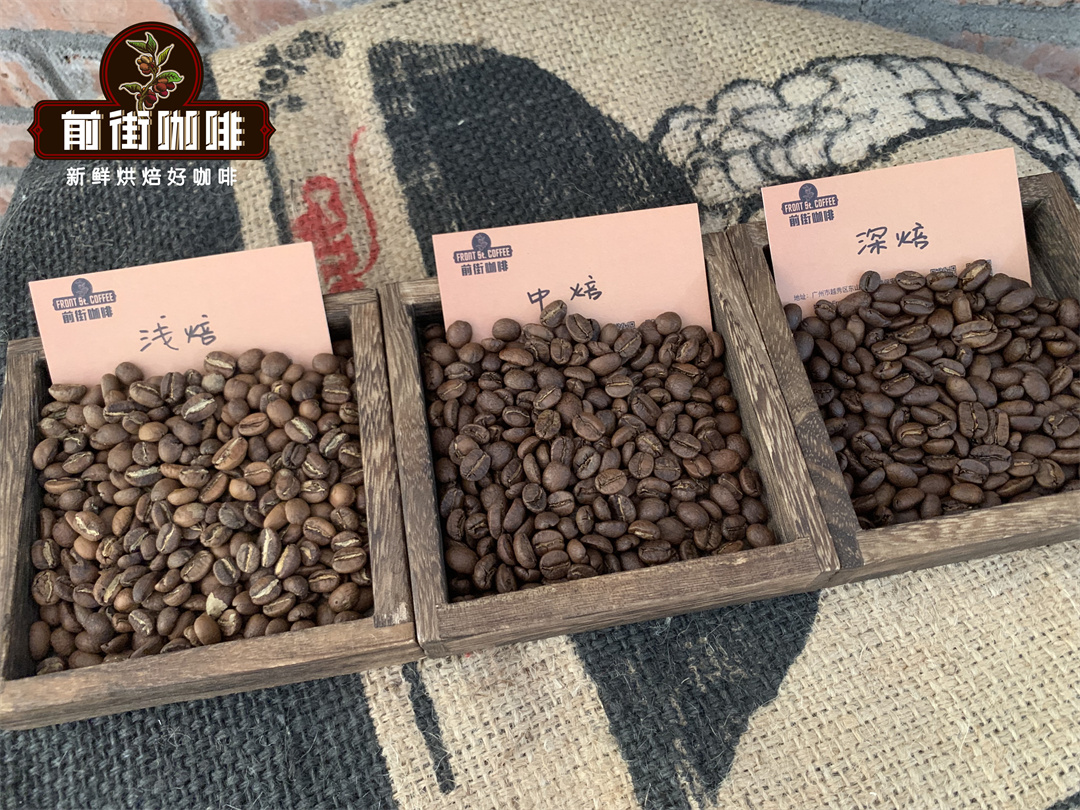
Judging by eye alone can therefore mislead you. Use your nose and your fingers as well. Stale beans give off a rancid smell, and over time they absorb moisture from the air until they turn soft and snap apart easily.
If you have the time, you can also judge freshness by brewing: beans that swell as they brew are fresh, while woody, faintly dusty notes in the cup mean the beans are past their best.
What Makes Coffee Beans Go Stale?
Oxygen, light, moisture and heat.
Oxygen is listed among the culprits, yet in the first days after roasting it is actually necessary. Beans need to exchange oxygen and other gases to round out their flavor - a stage usually called "resting," much like the way wine is left to breathe or decant. The rest varies from coffee to coffee: some need only 2-3 days, others 2-3 weeks. Once that window has passed, though, excess oxygen starts to degrade the flavor.
Light and heat speed up the exchange of gases between the beans and their surroundings, sharply shortening shelf life and flattening flavor. As for moisture, coffee is like any other food: contact with water can encourage mold, which bleeds flavor away and can even produce toxins harmful to health.
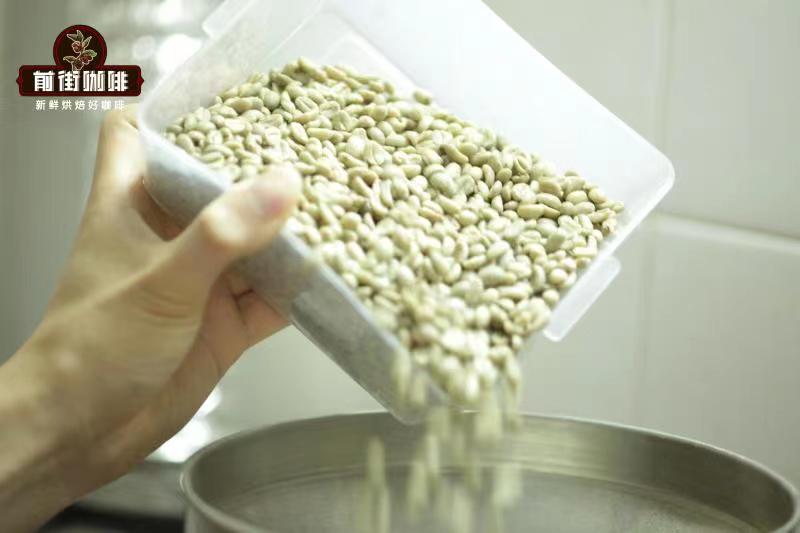
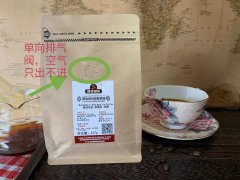
That is why a proper storage container matters: it keeps air and moisture away from the beans. Of course, the best approach of all is simply to drink them as soon as you can.
FrontStreet Coffee Recommendation
Roast level shapes both oiliness and how long a bean stays at its best, so a well-balanced medium roast is a good place to start. FrontStreet Coffee's Brazil Queen Farm is grown in Mogiana, where fertile red volcanic soil produces full, aromatic fruit. The rare Yellow Bourbon variety - a natural mutation of Red Bourbon - gives a cleaner fruit character, with sugarcane sweetness, fruit and chocolate notes that set this region apart. It works in a pour-over, a moka pot or a home espresso machine.
If you prefer something sweeter and more fruit-driven, FrontStreet Coffee's Strawberry Candy is a medium roast blending a Costa Rican honey-processed coffee with a washed Panamanian Geisha. Brewed, it shows orange-blossom honey and a rounded sweetness, and it suits cold brew, pour-over and espresso alike.
For a classic, balanced profile that ages gracefully, FrontStreet Coffee's 2013 Sun-Dried Yunnan Typica is a fine choice. A medium roast keeps it mellow and even, with soft notes of nuts, brown sugar, black tea and dried apricot, and it performs just as well in a pour-over, cold brew or drip machine.
Important Notice :
FrontStreet Coffee is a long-established specialty coffee roaster in Guangzhou China, selling freshly roasted beans from its own farm in Yunnan as well as dozens of carefully selected single-origin beans from around the world for both pour-over and espresso. The products deliver consistently excellent quality and great value, with shipping within 24 hours. Guangzhou's FrontStreet Coffee shop is recommended by many coffee lovers, and the beans are now available online at the Tmall 。
FrontStreet Coffee has moved to a new address:
FrontStreet Coffee Address: 315,Donghua East Road,GuangZhou
Tel:020 38364473
 Scan and follow the En Gafei WeChat official account. Please indicate that the reprint comes from "En Gafei".