How to Store Specialty Coffee Beans? What Are the Correct Methods and Techniques for Storing Coffee Beans?
Professional coffee knowledge exchange, more coffee bean information, follow Coffee Workshop (WeChat public account: cafe_style).
The Importance of Coffee Bean Freshness
To enjoy a good cup of coffee, every step matters. FrontStreet Coffee often talks about bean freshness, and freshness is really a question of storage. People care about freshness in anything they put in their mouths, and coffee is no exception. Grinding just before brewing reduces flavor loss, and freshly roasted coffee is the other half of what "fresh" means.
That said, extremes meet: beans kept too long taste flat, and beans that are too fresh do not taste right either. This is where resting the beans comes in — letting them quietly release carbon dioxide inside their packaging for several days.
Once you have chosen good beans, what comes next is storing them properly.
Purchase Coffee Beans in Appropriate Quantities
To taste coffee at its best, buy fresh beans and keep roughly one to two weeks' worth, matched to how much you drink. You may have noticed that badly stored beans taste different from one brew to the next, whereas beans stored well hold on to their good flavor for longer.
As beans age they may not change much on the outside, but their aroma fades along with their flavor. Older consumer wisdom held that dark-roasted beans lasted longer, because most of their flavor comes from the roast itself — which is also one reason commercial dark roasts rarely print a roast date.
How to Properly Store Coffee Beans
1. Store in Sealed Containers
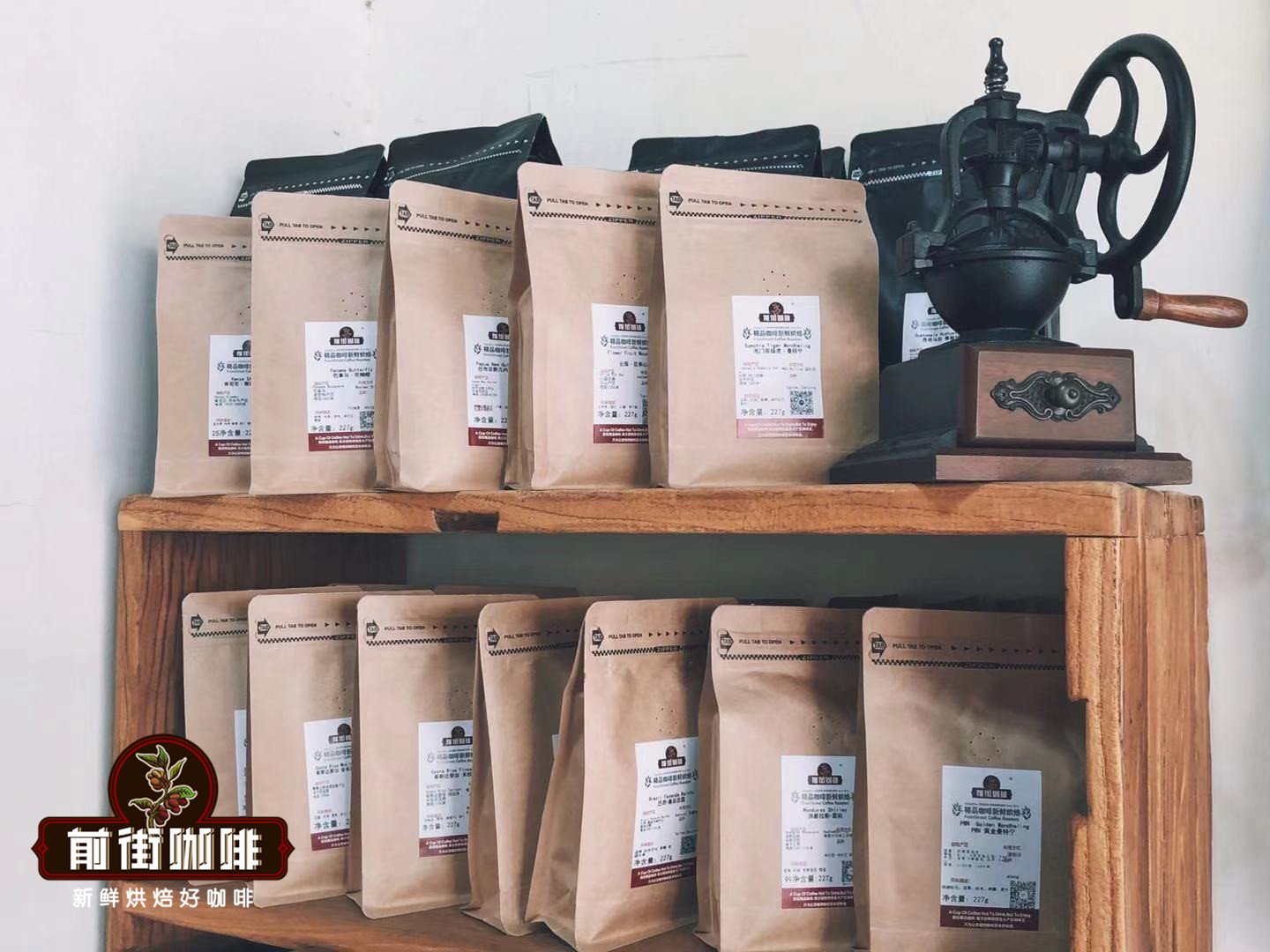
The best way to keep beans fresh and flavorful is to hold them in airtight containers, protected from moisture, light, oxygen and high temperatures.
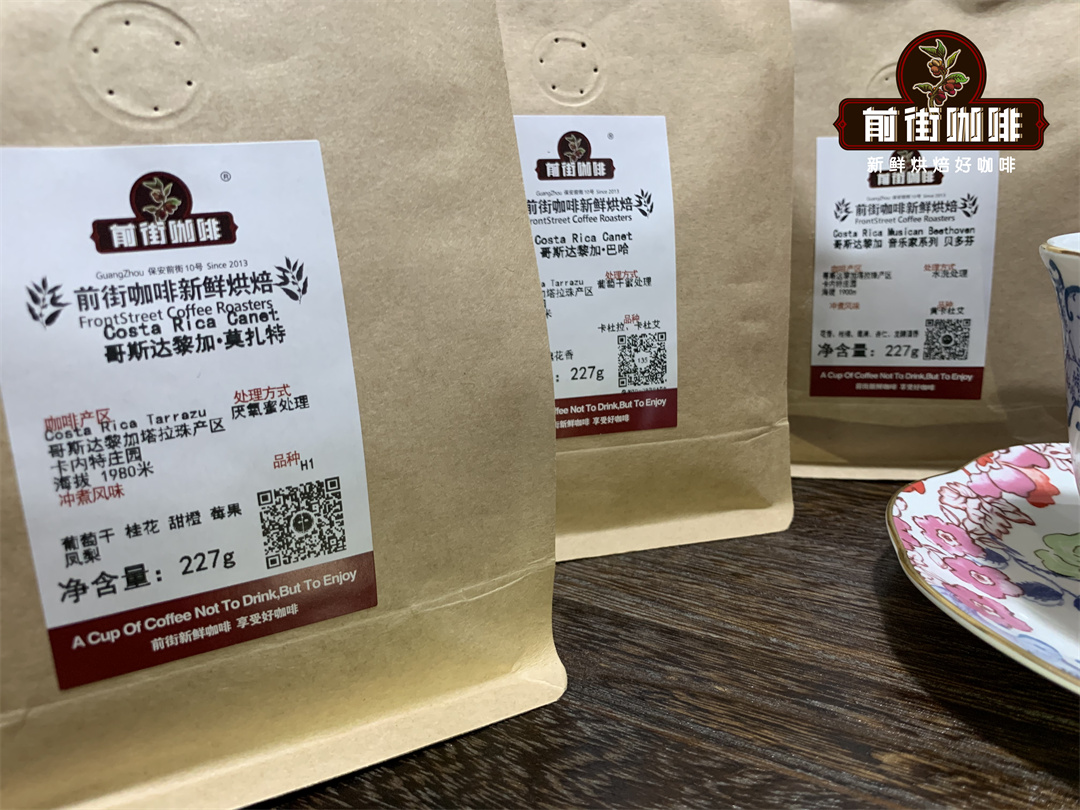
2. Choose Packaging with One-Way Degassing Valves
Oxygen is the main culprit behind bean deterioration, and it has to be considered when choosing and judging storage products. Some people poke a small hole in the bag, which is indeed better than sealing it completely, but the amount and speed of gas escape is limited — and a hole is a two-way channel, letting outside oxygen back in.
Reducing the air inside the packaging is certainly one option, but only a one-way degassing valve can lower the oxygen content inside a coffee bag.
It is also worth noting that packaging only works if it is properly sealed; otherwise oxygen still finds its way in. Before sealing, squeeze out as much air as you can to shrink the gas space in the bag, which means less oxygen comes into contact with the beans.
What Not to Do When Storing Coffee Beans
1. Don't Store Coffee Beans in the Refrigerator
You may have heard other advice, such as keeping beans in the fridge or freezer to extend freshness, but we don't recommend it (unless you vacuum-seal them for longer-term storage). If you really need long-term storage, portion the coffee into single-brew amounts and freeze them in an odor-free environment below -10°C. Take out one portion at a time to thaw, and use it only once it has fully returned to room temperature. Never refreeze beans that have already been thawed, because that damages the flavor compounds.
Pay special attention to one point: when coffee cools and then returns to room temperature, condensation forms, and some coffee substances dissolve into that moisture. Beyond the damage from humidity, beans kept in a fridge or freezer also absorb aromas from the other food stored there.
2. Grind Coffee Beans Fresh Before Brewing
Some people grind all their beans at once for convenience, but once beans are ground their aroma begins escaping into the air immediately, which greatly reduces the aroma of the brewed cup. The golden window for ground coffee is only a few minutes. Brew immediately after grinding, or keep the coffee in bean form — grinding fresh before brewing is the best way to enjoy a good cup.
The exception is products such as nitrogen-flushed drip coffee bags, which create a nitrogen environment that excludes most oxygen and effectively inhibits oxidation and flavor loss.
FrontStreet Coffee's Storage Philosophy
FrontStreet Coffee holds various views on storing coffee, and especially beans. Broadly speaking, the ideal way to keep beans fresh is to buy often and buy small, so that fresh coffee is always on hand and gets drunk within a short period.
For more specialty coffee beans, add FrontStreet Coffee's private WeChat: kaixinguoguo0925.
FrontStreet Coffee Recommendation
Storage matters most with beans you drink every day, and a medium roast is often the easiest place to start. During roasting, three elements decide the final flavor and must be kept in balance: acidity, sweetness and bitterness. The darker the roast, the more bitter and full-bodied the cup; the lighter the roast, the more acidic and delicate it becomes. Drinkers who want balance are therefore best served starting with a medium roast.
FrontStreet Coffee's Brazilian Queen Estate is a good example. Grown in Brazil, the world's largest coffee producer, it is the country's distinctive Yellow Bourbon, and it drinks clean and quietly sweet; a medium roast draws out creamy peanut, chocolate, toast and sugarcane aromas and sweetness. It works as pour-over and equally well in a moka pot or an espresso machine. If you would rather have something sweeter, FrontStreet Coffee's Strawberry Candy Geisha Blend is worth trying: rather than a single origin, it combines two well-known Central and South American profiles — a honey-processed coffee from Costa Rica and a washed Geisha from Panama — and FrontStreet roasts it medium so that the cup shows both orange-honey sweetness and a rounded, soft sweetness. It suits cold brew, pour-over and espresso. FrontStreet Coffee's 2013 Natural Typica represents China's specialty output: it keeps the classic Yunnan smallholder character, and a medium roast preserves its balanced, gentle profile of nuts, brown sugar, black tea and dried apricot; it works as pour-over, cold brew or drip machine coffee at a very reasonable price.
Finally, for drinkers who want the most balanced cup of all, FrontStreet Coffee's Jamaica Blue Mountain No. 1 is roasted medium for a reason. Jamaica's Blue Mountain region is planted with Typica, one of the world's finest Arabica varieties, and its geography is essential to the coffee's balance. A medium roast fuses the bean's acidity, bitterness, sweetness and body into a single harmonious, elegant impression: chocolate, roasted nuts, cream and caramel arrive immediately in the mouth, a combination few other coffees can match. Whichever of these you choose, buy only what you will drink in one to two weeks and keep it sealed and away from light — medium roasts reward that discipline with a much longer window of good flavor.
Important Notice :
FrontStreet Coffee is a long-established specialty coffee roaster in Guangzhou China, selling freshly roasted beans from its own farm in Yunnan as well as dozens of carefully selected single-origin beans from around the world for both pour-over and espresso. The products deliver consistently excellent quality and great value, with shipping within 24 hours. Guangzhou's FrontStreet Coffee shop is recommended by many coffee lovers, and the beans are now available online at the Tmall 。
FrontStreet Coffee has moved to a new address:
FrontStreet Coffee Address: 315,Donghua East Road,GuangZhou
Tel:020 38364473
 Scan and follow the En Gafei WeChat official account. Please indicate that the reprint comes from "En Gafei".