Specialty Latte Coffee: The Difference Between Specialty Latte and Single-Origin Latte
Understanding Specialty Coffee
According to the Specialty Coffee Association (SCA), specialty coffee refers to a high-quality cup where attention to detail is essential from the very beginning of cultivation. From harvesting to roasting, and finally to brewing the completed cup, only then is the rigorous and exquisite process of specialty coffee achieved. The concept of specialty coffee emphasizes terroir-based flavors, producing high-quality coffee beans through appropriate processing methods tailored to local conditions. This does not conflict with instant coffee or espresso coffee. In fact, increasingly more cafés now use specialty coffee beans for their espresso-based drinks. However, it must be acknowledged that espresso remains the primary offering for many coffee establishments.
Specialty Lattes
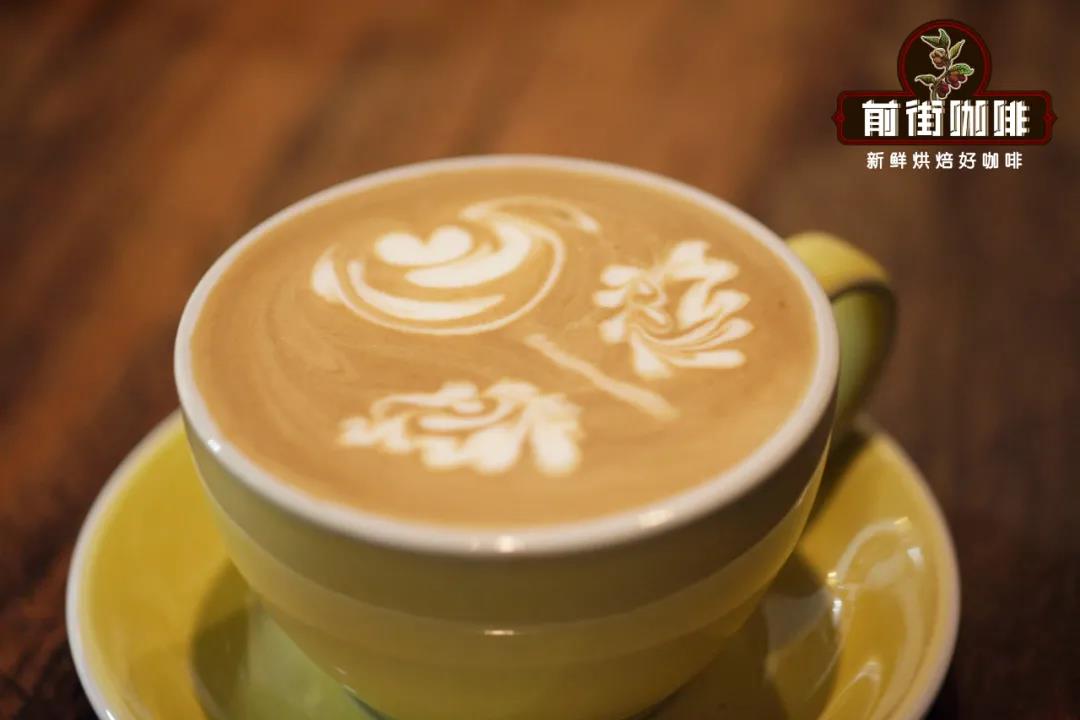
As the name suggests, a specialty latte is crafted with specialty coffee as its base, combined with milk and dense milk foam, ultimately presented as a perfectly proportioned specialty latte espresso.
Common specialty coffees, single-origin coffees, and blend coffees on the market are typically brewed as black coffee or American coffee through methods such as pour-over, coffee machine, or drip bags. In recent years, many establishments have introduced latte coffee options using specialty or single-origin coffee as the base, catering to consumers' love for latte beverages.

The Foundation of Latte Coffee
Latte Coffee (Caffe Latte) originates from the Italian words for coffee and milk, with a brewing ratio of (espresso:milk:milk foam = 1:3:1). It can be described as a coffee beverage where milk is the primary component and coffee is secondary. The most affordable latte coffees in chain stores or cafés typically use blend beans as the base. However, influenced by the third wave of coffee, increasingly more specialty lattes and single-origin lattes have emerged in recent years.
Single-Origin Lattes
Single-origin coffee is made from coffee beans of a single region or variety. To preserve the unique characteristics of their origin and avoid flavor loss from excessive roasting, single-origin coffees are typically light or medium roasted. This approach better expresses the mouthfeel and aroma of their specific region. Consumers who choose single-origin coffee can opt for espresso or pour-over brewing methods, with fine-tuned parameters to perfectly extract the distinctive qualities of the coffee, before adding milk and milk foam to create a single-origin latte.
Specialty Lattes
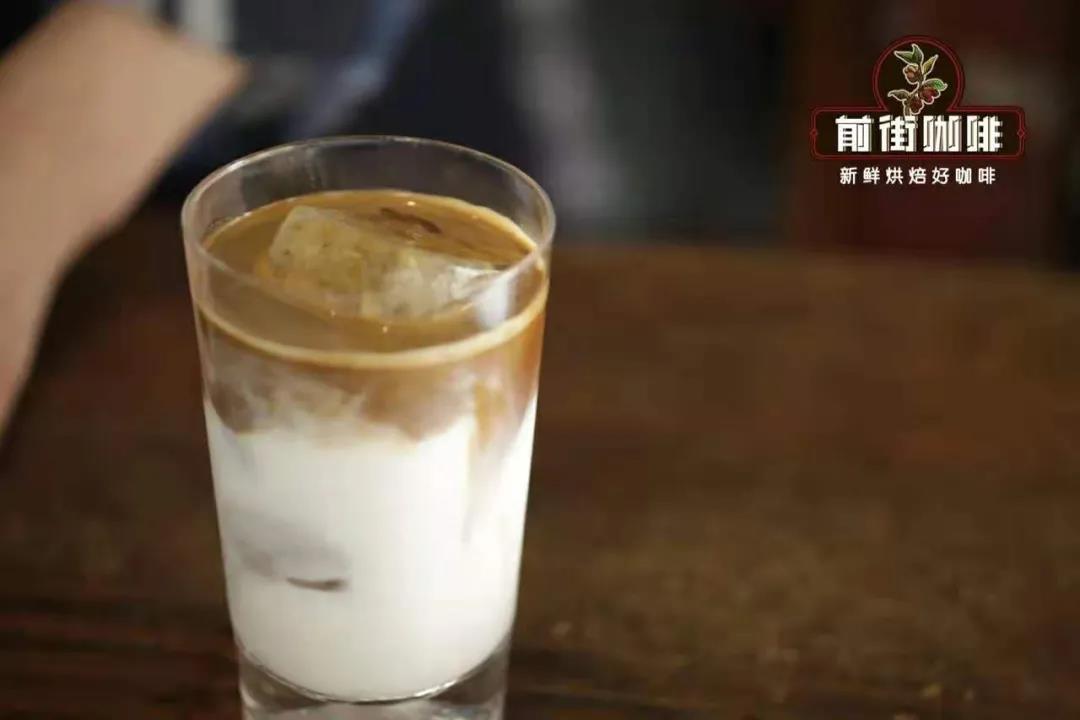
According to the Specialty Coffee Association (SCA), a high-quality cup of coffee must emphasize details from cultivation, through harvesting and roasting, until the final brewing is complete; only then is the rigorous and exquisite process of specialty coffee achieved. Finally, the coffee must score above 80 points in cupping to truly earn the specialty coffee designation. A specialty latte is the final creation that uses specialty coffee as its base, incorporating milk and milk foam. The flavor of a specialty latte typically allows the coffee and milk flavors to complement each other, rather than using one aroma to mask the shortcomings of the other; instead, they blend together to create an enhanced flavor profile.
FrontStreet Coffee Recommendation
For a latte, the coffee has to hold its own against milk, which is why a fuller, lower-acid roast usually works best as the base. The FrontStreet PWN Golden Mandheling is roasted dark, so its acidity stays low while the cup remains thick and lingering, with abundant herbal and dark chocolate aromas and a faint earthy note that easily cuts through steamed milk. The FrontStreet Brazil Queen Farm is another strong milk partner: low in acidity and beautifully balanced, it carries intense nut and cocoa aromas with a clear caramel sweetness and a smooth, non-astringent body that works in a pour-over, an espresso, or a moka pot. And for a classic, rounded latte, the FrontStreet Blue Mountain No.1 avoids the sharp fruit acidity of some African coffees and the heavy bitterness of a dark roast, striking a balance among acidity, sweetness, bitterness, and aroma with cream, caramel, chocolate, nut, honey, and faint fruit notes that stay clean and long in the finish.
Important Notice :
FrontStreet Coffee is a long-established specialty coffee roaster in Guangzhou China, selling freshly roasted beans from its own farm in Yunnan as well as dozens of carefully selected single-origin beans from around the world for both pour-over and espresso. The products deliver consistently excellent quality and great value, with shipping within 24 hours. Guangzhou's FrontStreet Coffee shop is recommended by many coffee lovers, and the beans are now available online at the Tmall 。
FrontStreet Coffee has moved to a new address:
FrontStreet Coffee Address: 315,Donghua East Road,GuangZhou
Tel:020 38364473
 Scan and follow the En Gafei WeChat official account. Please indicate that the reprint comes from "En Gafei".