What is Specialty Coffee? An Article on the Standards for Identifying Specialty Coffee
Introduction to Specialty Coffee
Over the several hundred years since coffee beans were transplanted from northeastern Africa to Arabia, coffee has played many important roles in history. Today, as one of the world's three major beverages, coffee is produced in more than 50 countries. According to estimates by the German World Population Foundation, of the global population of 7.2 billion people, nearly one-third drink coffee daily. Tens of millions of coffee enthusiasts consume at least 500 billion cups annually. A market of that scale naturally produces a dazzling array of coffee varieties and consumption styles — and it was during the third wave of the coffee revolution that the term "specialty coffee" emerged. In this article, we will walk through what actually defines specialty coffee.
The Definition of Specialty Coffee
What is specialty coffee? In truth, there is no single precise definition, but the widely recognized origin of the term lies with Ms. Erna Knutsen of Knutsen Coffee Ltd. in America, who coined it at an international coffee conference held in France in 1978. Her definition was remarkably simple and clear: "Special geographic microclimates produce beans with unique flavor profiles" — coffee grown under particular climatic and geographical conditions develops flavors found nowhere else. Concise, yet it captures the whole idea.
Later, according to the definition on the Specialty Coffee Association (SCA) website, a cup of specialty coffee refers not merely to the brewed coffee served to the consumer, but to the entire process behind that cup. This process involves the farmers who cultivate the trees, the green coffee buyers who select the beans, the roasters who roast them, the baristas who brew them, and finally the consumers who taste the result — every one of them is a crucial link in producing a cup of specialty coffee.
In the past, some people judged coffee by extraction methods and equipment, while others emphasized roast types. Currently, the SCAA (Specialty Coffee Association of America) aims to make clear to consumers that high-quality coffee requires quality standards at every stage — cultivation, harvesting, processing, roasting, and extraction — before it can be called specialty coffee. Therefore, a coffee that can trace its production history, and that consumers find delicious while meeting their value expectations, deserves the name. Below, we will look at each segment of the specialty coffee supply chain.
The Specialty Coffee Supply Chain
Coffee Farmers
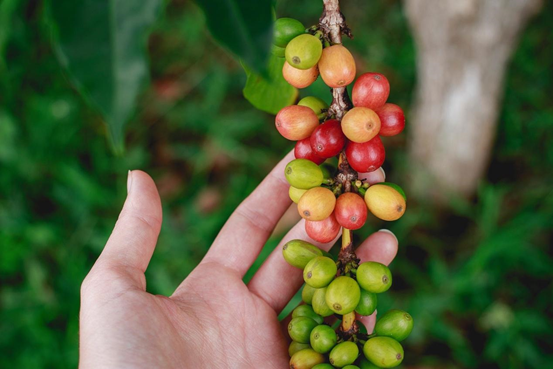
Coffee farmers are the very source of everything. Among growers, high-quality coffee comes from generations of refining cultivation methods and techniques. For farmers, growing coffee with an emphasis on quality over quantity — and trading with quality-focused buyers — secures higher profits and sustainable production.
Green Coffee Buyers
Buyers can be assisted by certified green coffee quality assessors (Q-graders, commonly known as cuppers), who systematically taste and identify coffee quality through cupping. These professionals undergo unified standardized training and possess professional evaluation abilities, much like sommeliers in wine. Through cupping, Q-graders can score a coffee and determine whether it qualifies as specialty coffee. They can also provide flavor descriptions based on the cupping results, which buyers then pass along to roasters and coffee shops.
Coffee Roasters
Roasting is the crucial stage where coffee flavor is finally expressed. Roasters need extensive knowledge and experience to develop professional roasting profiles. They must monitor and document the roasting process carefully to ensure the finished roast meets the expected quality and flavor standards — and that this level can be reproduced consistently in subsequent batches.
Baristas
Professional baristas not only master extraction techniques and equipment, but typically also understand coffee origins deeply and know how to showcase a bean's character through extraction. If specialty beans are extracted incorrectly, the flavors they should display can be lost; a skilled barista ensures each coffee reaches its optimal expression.
Consumers
Consumers are the final link in the chain. It is precisely because consumers actively seek high-quality specialty coffee that more of it gets produced. When you take the time to find good specialty coffee shops or roasters, spend time talking with the baristas too — learning how they hand-craft the best-tasting coffee is how you learn to appreciate it. That is the ultimate value of promoting specialty coffee.
Methods to Identify Specialty Coffee
Although there is no strict certification for specialty coffee, there is broad consensus across the industry. Based on the specialty coffees commonly found in the market, here are several simple but important ways to identify it:
Clear Traceability
Clear traceability means the production history must be documented: which country, which region, and which specific farm produced the beans. Ideally, you can find the names of the exporting company, washing station, estate, farm owner, or manager. The clearer the production history, the more assured the quality, the more reasonable the price, and the more transparent the journey from producer to retailer.
Cupping
Cupping is the aroma and flavor evaluation of coffee, similar in spirit to wine and tea tasting. The coffee industry uses cupping to measure and control bean quality, with results typically expressed as cupping scores. From exporters to importers, roasters to brewers, the whole industry practices it. Licensed professional cuppers apply the same evaluation standards to seek out, taste, and select high-quality beans worldwide. There are even green coffee quality competitions in producing countries, where judging committees with years of experience conduct national or international assessments. More and more frontline farmers and processing station managers are joining the ranks of cuppers as well, all pursuing consistently excellent quality.
Clear Packaging Labels
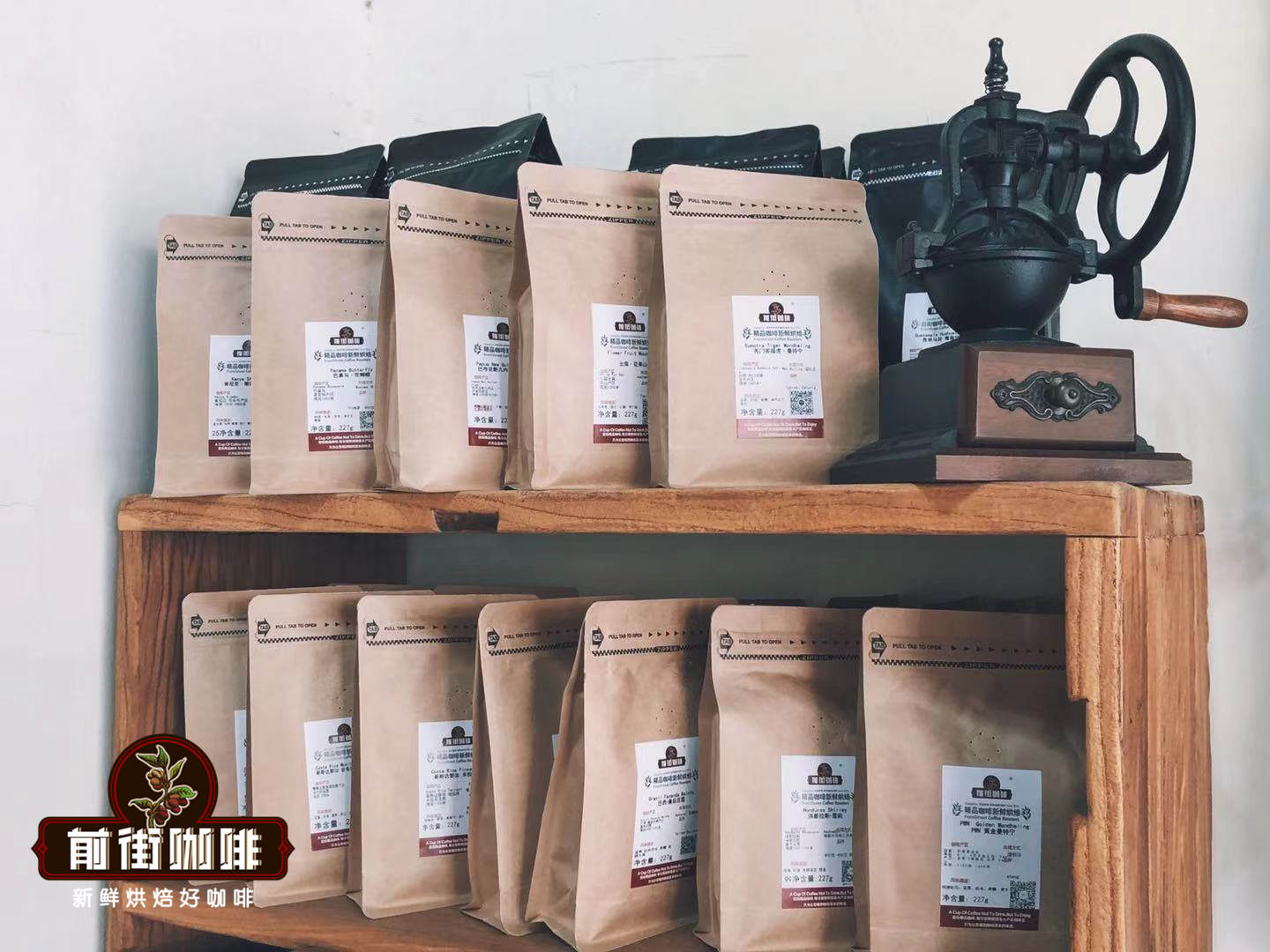
For everyday consumers without extensive buying experience, packaging labels are the first checkpoint. Plenty of coffees come in beautiful bags with pitifully little product information. The more relevant information you can find on the package, the better your odds of buying good coffee: roasting and packaging dates, variety and origin, processing method, blend or single origin, roast level or flavor notes, taste profile, production history, and so on. Beyond the right to know what you are buying, these clues also let you predict how the coffee will taste.
Specialty coffee may lack a rigid, statutory definition, but judged by the indicators above — much like tasting a fine wine — whether from vineyards or coffee farms, climate within a limited range shapes growth and produces subtly different results. Latitude, proximity to seas, lakes, or rivers, the farm's orientation and slope, whether it sits directly in a monsoon wind path, day-night temperature differences, rainfall and sunlight — all of these subtle natural differences shape the unique flavors a place bestows. As Erna Knutsen observed, not all coffee tastes the same, and that which is distinctive and tastes excellent is specialty coffee. May every coffee enthusiast find their own ideal cup.
FrontStreet Coffee Recommendation
If you want a dependable everyday specialty bean that leans balanced rather than extreme, start with a medium roast. FrontStreet Coffee's Brazil Queen Estate is a natural choice: a yellow Bourbon-grown Brazilian lot roasted to bring out cream peanut, chocolate, toast, and sugarcane sweetness, smooth enough for pour-over yet sturdy enough for moka pot or espresso. For something sweeter and fruitier, the Strawberry Candy Geisha Blend pairs Costa Rica honey process with Panama washed Geisha, showing orange-blossom honey notes and a rounded sweetness across cold brew, pour-over, or espresso. And for the classic end of the spectrum, the Jamaica Blue Mountain No.1, roasted medium, fuses chocolate, roasted nuts, cream, and caramel into one elegant, harmonious cup.
Important Notice :
FrontStreet Coffee is a long-established specialty coffee roaster in Guangzhou China, selling freshly roasted beans from its own farm in Yunnan as well as dozens of carefully selected single-origin beans from around the world for both pour-over and espresso. The products deliver consistently excellent quality and great value, with shipping within 24 hours. Guangzhou's FrontStreet Coffee shop is recommended by many coffee lovers, and the beans are now available online at the Tmall 。
FrontStreet Coffee has moved to a new address:
FrontStreet Coffee Address: 315,Donghua East Road,GuangZhou
Tel:020 38364473
 Scan and follow the En Gafei WeChat official account. Please indicate that the reprint comes from "En Gafei".