Does Wetting or Not Wetting Coffee Filter Paper Affect Extraction? Which is Better: Natural or Bleached Filter Paper?
Introduction
As specialty coffee keeps evolving, it isn't only filter cups that have multiplied—filter papers keep being redesigned too. From the size and shape of the paper to the way the paper itself is treated, the range available can feel overwhelming, and it can be hard to know what to choose. In this article, FrontStreet Coffee looks at which shapes of filter paper suit which filter cups, and whether you really need to wet the paper when making pour-over coffee.
Shapes of Coffee Filter Papers
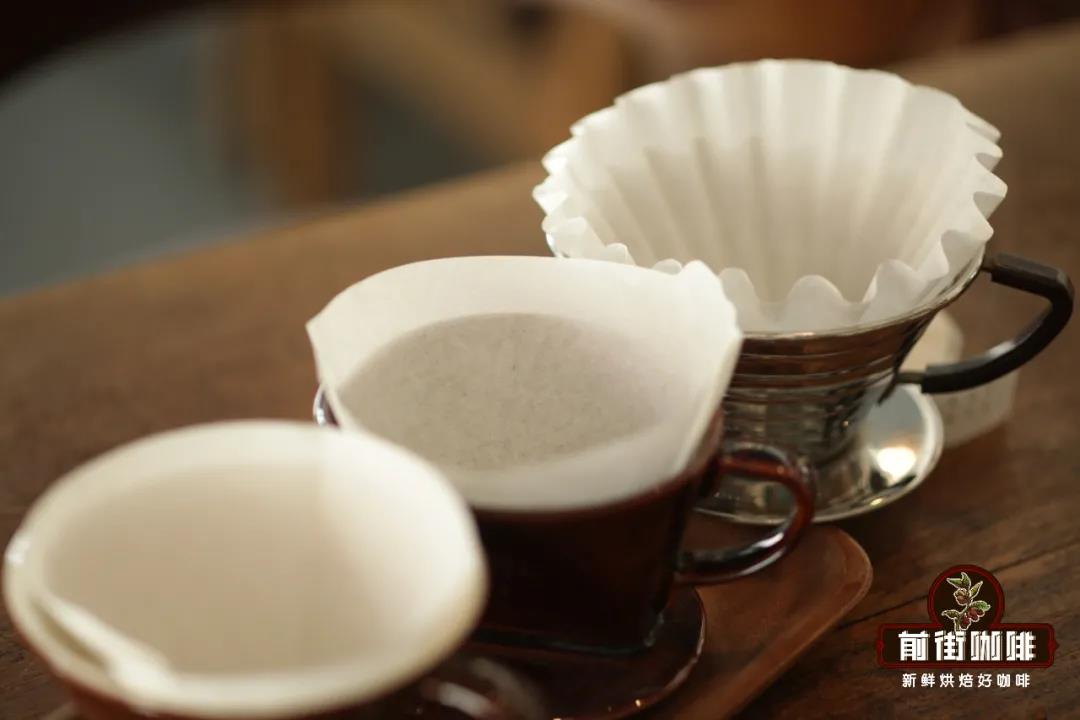
Common filter paper shapes include cone-shaped, fan-shaped (trapezoidal), and wave-shaped (cake-cup-shaped). Different paper shapes match differently designed filter cups. Common filter cups generally fall into cone-shaped, fan-shaped, cake, and origami drippers.
Cone-Shaped Filter Papers
These have a 60° angle and suit single-hole cone drippers such as V60, KONO, Infinity Cross Star, Ice Pupil, and Strawberry filter cups. Cone papers come in models 01 and 02. Model 01 suits 1-2 servings, while model 02 suits 2-4 servings.
Trapezoidal (Fan-Shaped) Filter Papers
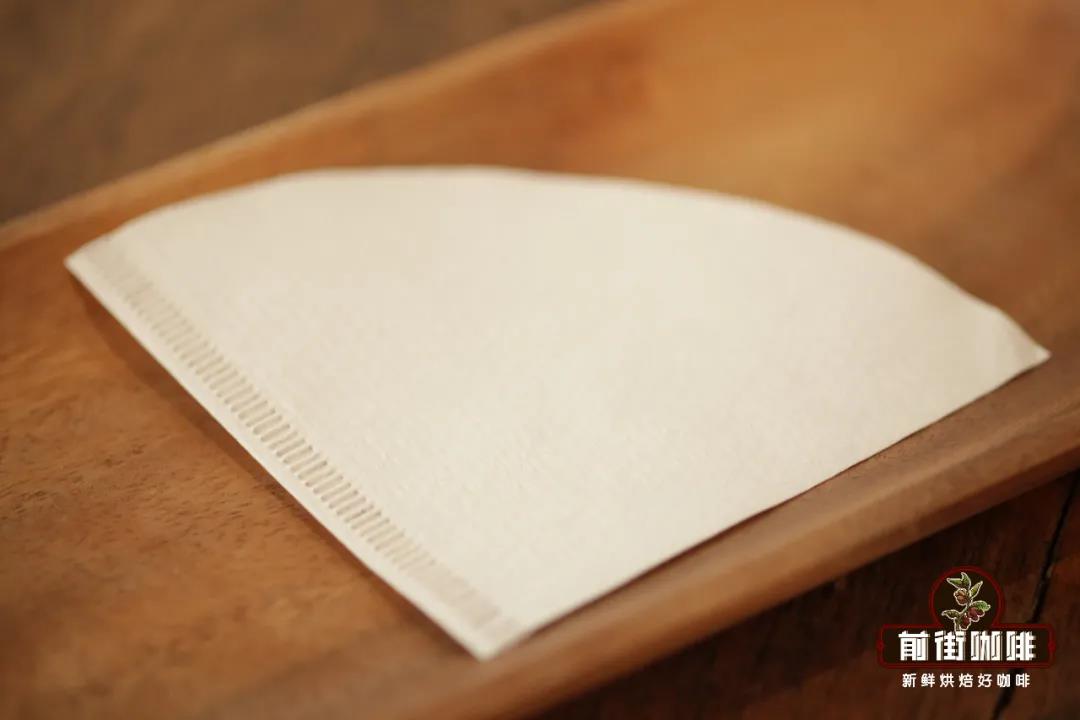
These are fan-shaped and suit Kalita, Melitta, and the Clever Dripper. Trapezoidal papers come in models 101 and 102. Model 101 suits 1-2 servings, while model 102 suits 2-4 servings.
Wave (Cake Cup-Shaped) Filter Papers
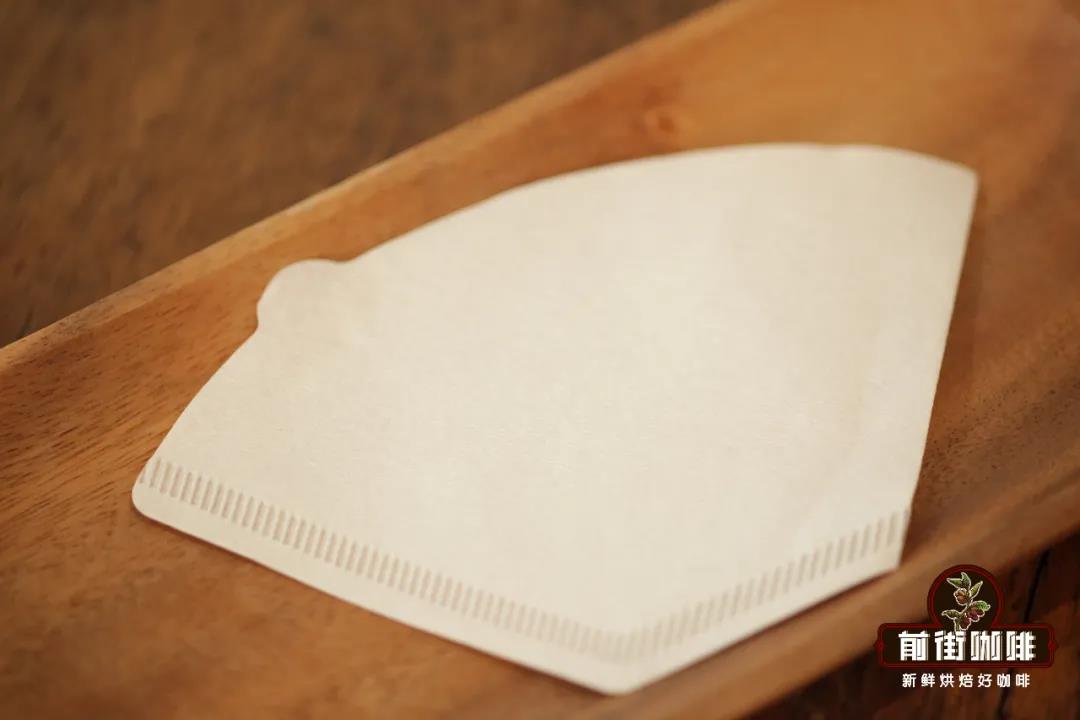
These look like traditional paper cupcake liners, with a three-dimensional structure and a flat bottom ringed by uniform wave-like pleats. They are used with the Kalita Wave, Bonavita four-hole cake dripper, and origami drippers. Wave papers come in models 155 and 185. Model 155 suits 1-2 servings, while model 185 suits 2-4 servings.
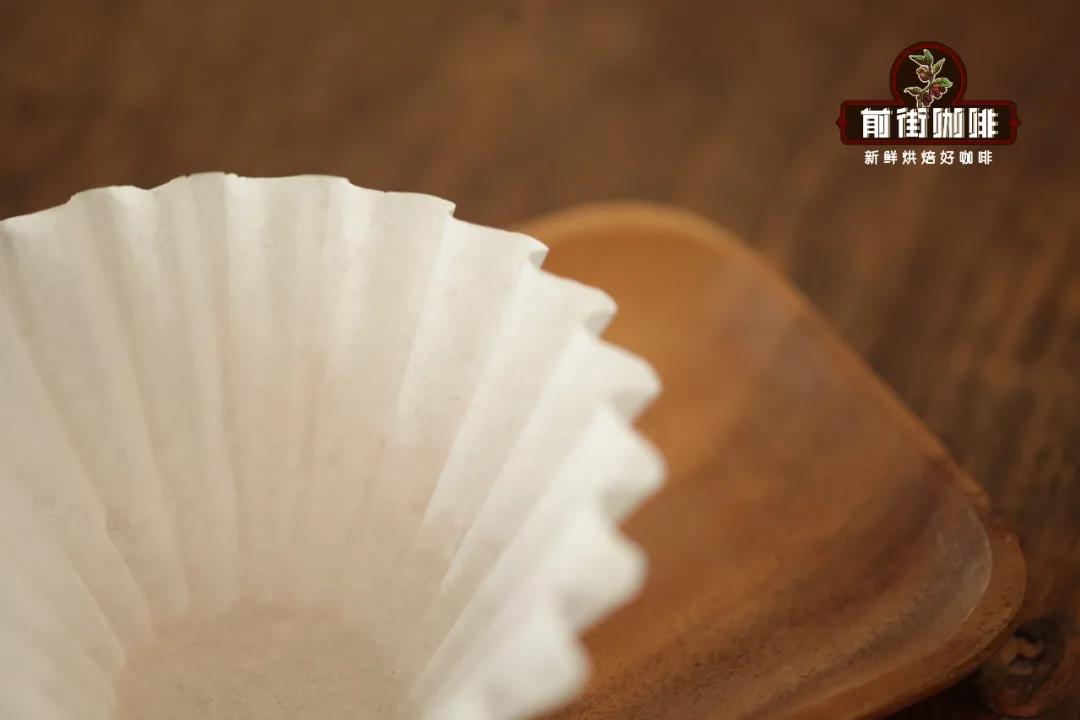
Choosing the Right Shape and Size of Filter Paper is Important!
The shape and size of the paper determine how well it fits the dripper. When the paper doesn't match the dripper's shape and can't sit flush, gaps form easily between paper and dripper. That changes how the dripper drains and causes problems such as uneven extraction.
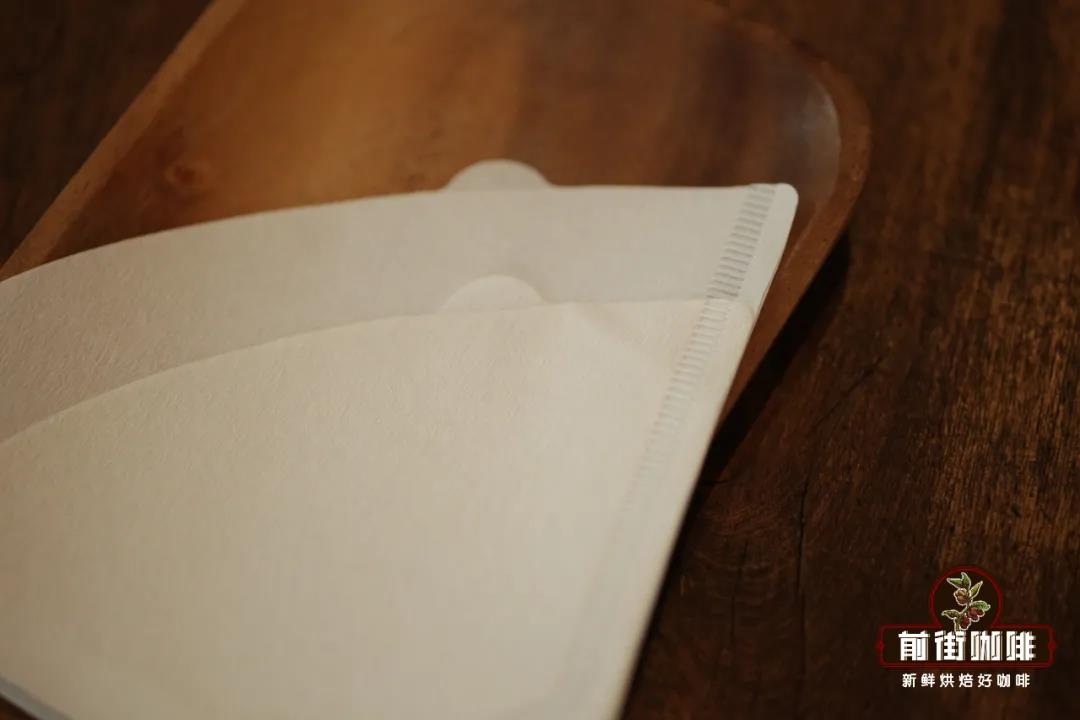
Thickness of Paper
Different brands also vary in paper thickness, which is set by the paper's fiber structure. Thickness affects flow rate. Thin papers fit the dripper better and restore the dripper's intended behavior, though they shouldn't be as thin as a cicada's wing. Thick papers slow the flow but filter more thoroughly.
How Should We Choose Between Natural Wood Filter Papers and Bleached Filter Papers?
Natural wood filter papers are unbleached, light brown, and carry a paper taste. Bleached papers have been through a bleaching treatment, look white, and have no obvious paper taste. When it comes to choosing between the two, FrontStreet Coffee tends to prefer bleached papers, because their paper taste is faint and won't interfere with the coffee's flavor.
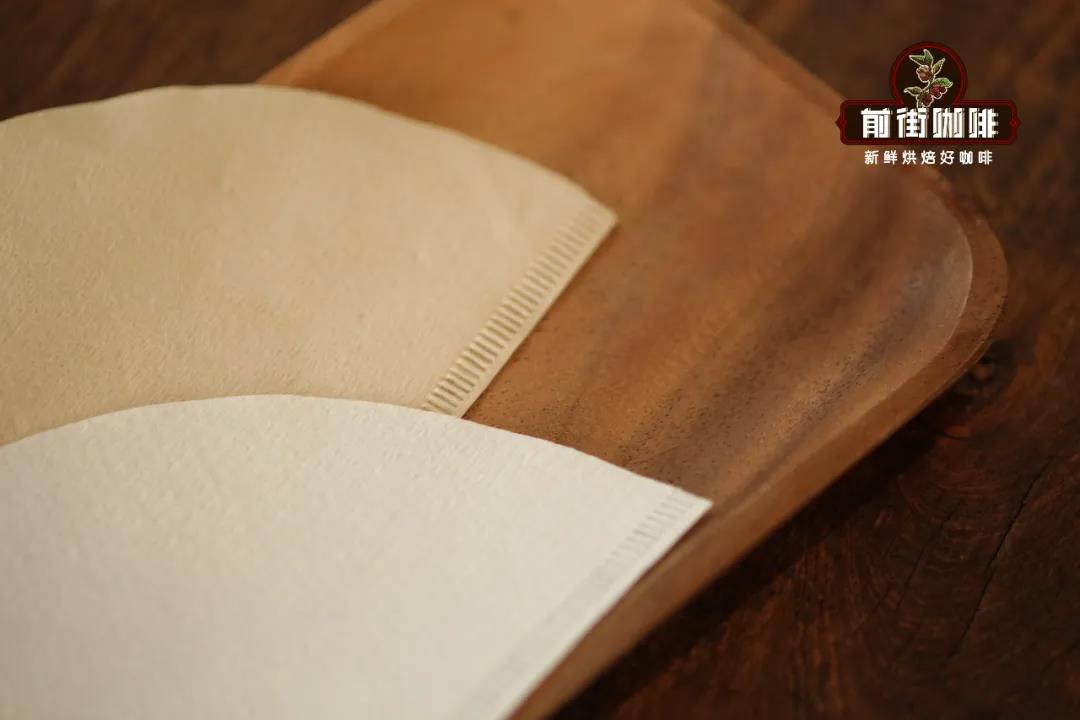
You may worry about the safety of bleached paper. In reality, well-known filter paper brands now use advanced enzymatic bleaching, which is different from traditional chemical bleaching. Enzymatic bleaching relies on biologically active enzymes and is widely used in medicine. So when you buy filter papers, be sure to choose major brands at reasonable prices. Some very cheap papers can't guarantee quality in material, size, or bleaching technology.
Should Filter Paper Always Be Pre-wetted Before Making Pour-Over Coffee?
Coffee enthusiasts usually discuss this from three angles: first, removing the paper taste; second, helping the paper fit the dripper better; and third, preheating the equipment at the same time.
On removing paper taste: as FrontStreet Coffee noted above, natural wood papers have some paper taste because they aren't bleached, so people using them need to wet the paper to reduce the impact on flavor. Enzyme-bleached papers don't need wetting since they have little taste to begin with. If you're using chemically bleached papers, wetting is actually pointless, because the chemical taste is stronger than natural wood paper's. And if you smell something unpleasant when wetting, stop using that paper.
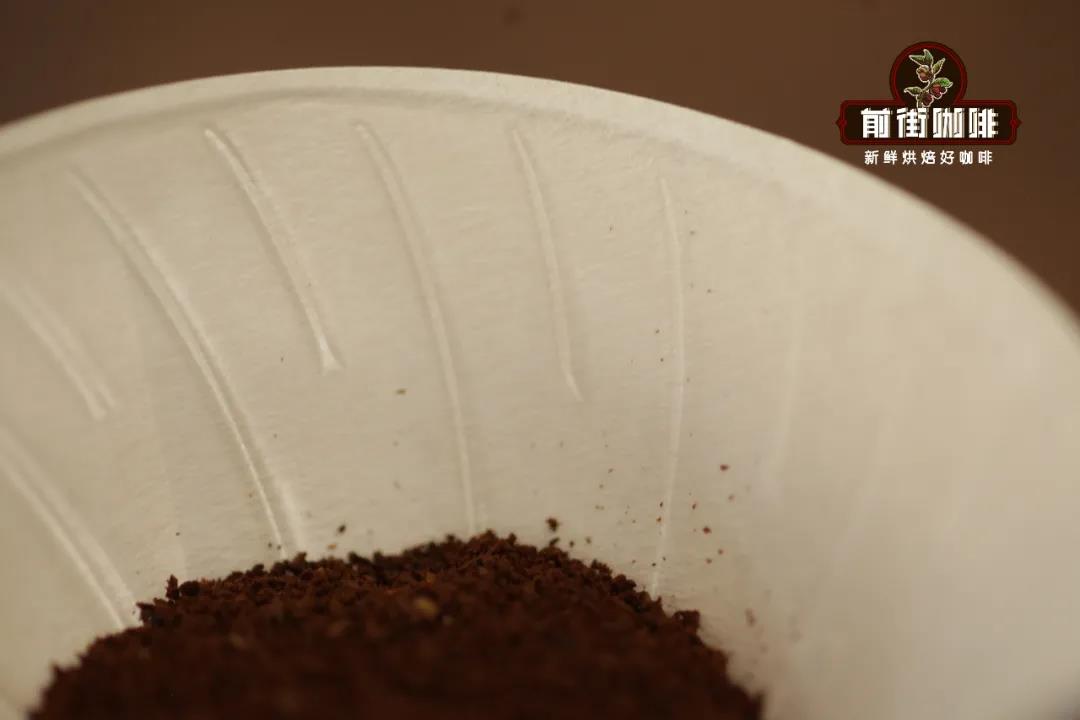
On helping the paper fit the dripper: in fact, not wetting the paper and adding coffee grounds directly can help the paper hug the dripper better. What's more, when blooming, a dry paper releases gas better than a wet one. Some enthusiasts say unwetted paper absorbs some coffee liquid during brewing, but wetted paper does the same. Brew with the same parameters and technique, and there isn't much difference in taste between wetted and unwetted paper.
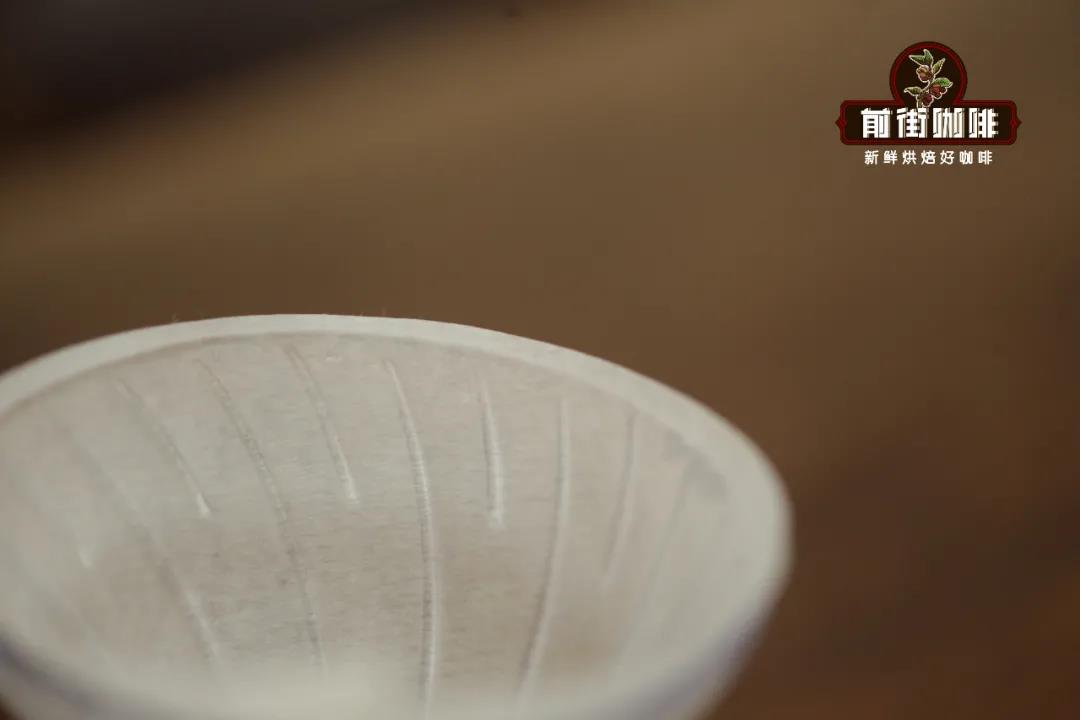
On preheating the equipment: FrontStreet Coffee believes preheating is essential. Rather than saying you preheat the equipment while wetting the paper, it's more accurate to say you wet the paper while preheating the equipment.
Conclusion
In truth, there's no need to obsess over whether to wet the paper—just brew the way you're used to. Aside from natural wood papers, which have a paper-taste issue, the other two types either barely matter or truly need wetting. If you taste a big difference between wetted and unwetted paper, FrontStreet Coffee believes that points to a problem with your brewing technique or parameters, not the paper.
FrontStreet Coffee Recommendation
Because a V60's fast flow and cone shape are so good at lifting delicate aromatics, it pairs best with lighter, fruit- and flower-forward beans. The FrontStreet Yirgacheffe Gedingding carries the classic washed-Yirgacheffe profile—white florals and a bright citrus acidity, with a green-tea finish—and at a medium-light roast it opens into jasmine, lemon, and honey tones.
If you like bigger fruit, the FrontStreet Ethiopian Huakui is remarkably tropical, with strawberry, passion fruit, and lychee over low bitterness and a smooth, juicy body. It is a favorite for V60 and cold brew alike.
For a sweeter, more honeyed cup, the FrontStreet Mozart from Costa Rica uses a raisin-honey process and brings dried fruit, ripe pineapple, and sweet orange, with a distinctive osmanthus-like aroma as hot water hits the grounds. It shines in cold brew and iced pour-over—perfect for the filter-paper setup you just chose.
Important Notice :
FrontStreet Coffee is a long-established specialty coffee roaster in Guangzhou China, selling freshly roasted beans from its own farm in Yunnan as well as dozens of carefully selected single-origin beans from around the world for both pour-over and espresso. The products deliver consistently excellent quality and great value, with shipping within 24 hours. Guangzhou's FrontStreet Coffee shop is recommended by many coffee lovers, and the beans are now available online at the Tmall 。
FrontStreet Coffee has moved to a new address:
FrontStreet Coffee Address: 315,Donghua East Road,GuangZhou
Tel:020 38364473
 Scan and follow the En Gafei WeChat official account. Please indicate that the reprint comes from "En Gafei".