The Differences Between Italian Espresso and American Coffee - Optimal and Poor Extraction in Espresso
From espresso — a seemingly small cup that fully preserves the coffee's flavor — to Americano, the everyday drink of modern life, to specialty pour-over coffee that tantalizes the taste buds and engages all the senses.
Looking at the coffee waves of recent years, Italian coffee rose to prominence after the arrival of instant coffee. It not only carried Italy's coffee spirit across Europe but also spread worldwide with the boom in chain coffee shops, becoming an important foundation for the coffee that followed.
What Is Italian Coffee?
A pure, stronger-tasting espresso was the star of the second wave of coffee. Legend has it that coffee was brought to Italy from the East along with fruit and was loved by the Italian people. After substantial improvements to brewing equipment in the early 20th century, a form close to today's espresso took shape, and drinking Italian coffee became part of Italians' daily routine. Later, with the steady advance of espresso machines, Italian coffee spread from Italy outward, wrapping all of Europe in the aroma of coffee and eventually reaching the wider world.
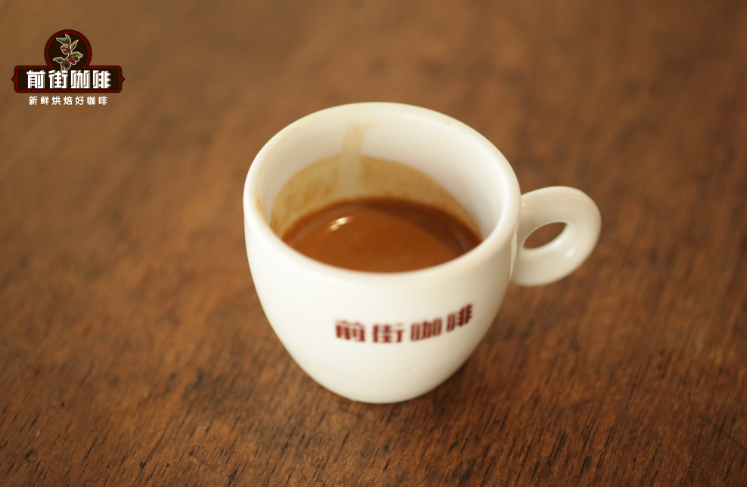
The "es" in espresso actually comes from the English "ex," meaning quick and convenient. Traditional Italian coffee drinks were meant to be consumed quickly, within just a few minutes, to keep the flavor from fading. That gave rise to the custom of drinking coffee standing up, and the price was more affordable than takeaway coffee too.
Authentic espresso is a beverage of about 30 ml, made by forcing near-boiling high-pressure hot water (approximately 92-94°C, at 9 bar of pressure) through finely ground, evenly tamped coffee in 20-30 seconds. On the surface sits a thick, dense layer of coffee oil foam called crema. Its color tends toward golden yellow and brown, though today it varies with the roast degree of the coffee. Because the taste is so strong, many people add sugar or milk to balance the bitterness. In 1971 the well-known chain Starbucks was founded, sparking a new wave of Italian coffee variations built on espresso and combined with syrups, cream, spices and all sorts of seasonings — Con Panna, Macchiato, Caramel Macchiato, Cappuccino, Latte, Mocha, Americano and more — all members of the Italian coffee family.
What Is Americano?
America actually doesn't have Americano. Americano was transformed from Italian coffee: espresso diluted with hot water becomes Italian Americano. During World War II, American soldiers in Europe were not used to the pure, bitter taste of espresso, so they added hot water to dilute it — and the name Americano was born. In the world of Italian coffee, Americano is one of the variations of Italian coffee.
Strictly speaking, Americano can be further divided into Americano, Long Black and Lungo/Long Shot:
- Americano │ espresso added to hot water; the original coffee oil (crema) on the espresso is diluted.
- Long Black │ hot water added to espresso; because the crema is poured last, it lasts longer and better preserves the coffee's lingering aftertaste on the palate.
- Lungo │ no additional water is added, but the extraction time is extended and the flow rate increased, taking about 30-60 seconds to reach about 60 ml — a coffee more aromatic than Americano but less concentrated.
Authentic Americano must be a drink formed by the fusion of espresso and hot water.
Espresso Extraction Steps
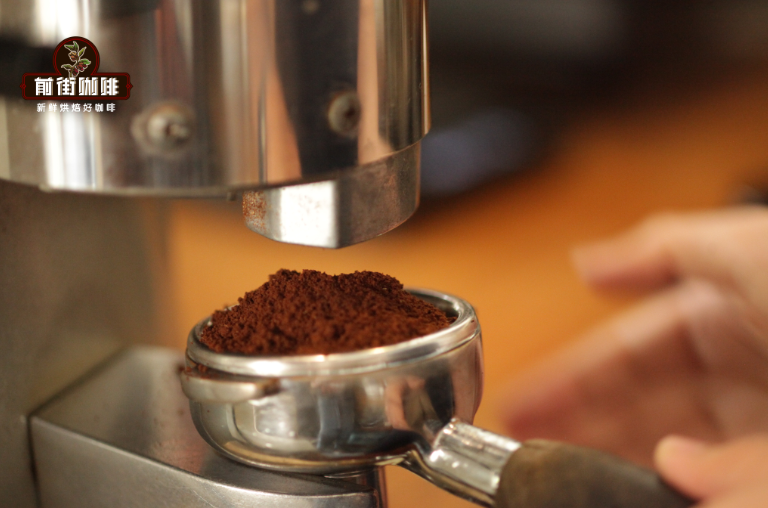
Dosing
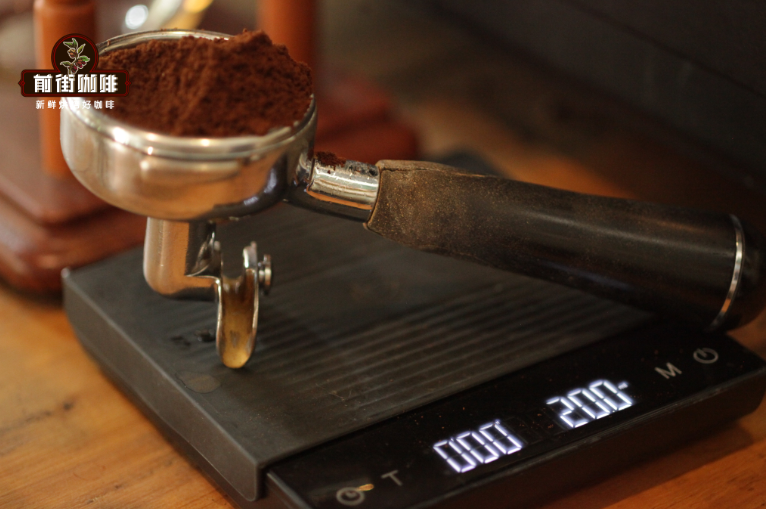
Putting coffee grounds into the portafilter is called dosing. Take care to fill the portafilter evenly, without spilling grounds outside it, and to use a measured amount of coffee.
Leveling
Leveling means using your fingers or palm to smooth the coffee grounds. Even with high-end machines, grounds falling from the grinder rarely land perfectly flat, so the amount of coffee needs to be adjusted at this stage.
To keep the dose stable, practice on a scale. A double dose typically uses about 18-22 grams of grounds, with fine adjustments made according to the type and condition of the beans.
Tamping
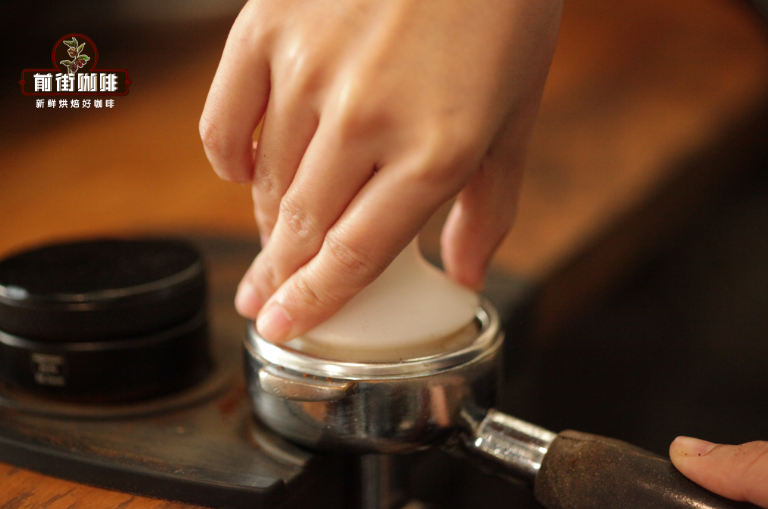
After placing the grounds into the portafilter, a special tool (a tamper) must be used to press firmly down from above to compact the coffee. This is called tamping. The key is to press as vertically as possible and compress the grounds evenly.
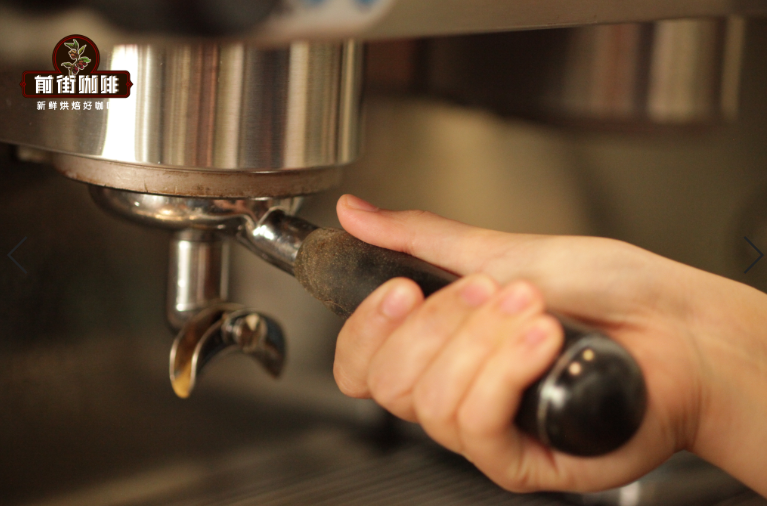
Before inserting the portafilter into the espresso machine, be sure to let the machine run for 2-3 seconds first. This lets any grounds stuck to the extraction port from the previous shot fall away, and also lets the water temperature settle to the ideal point for extraction.
Extraction
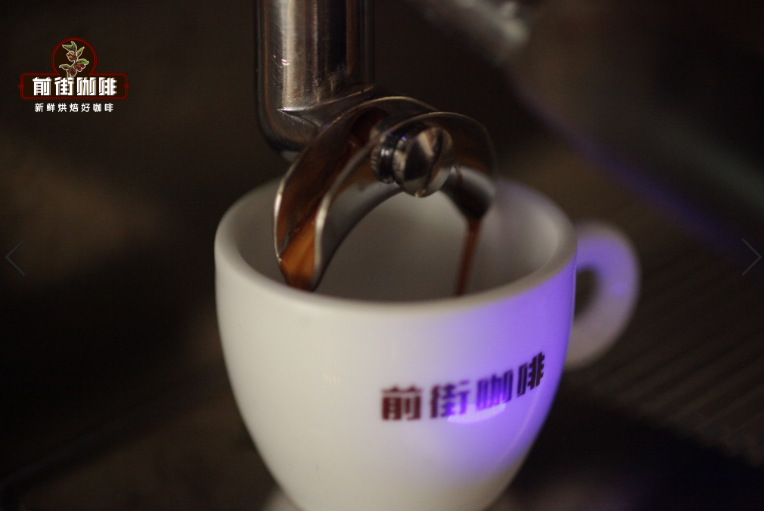
Once the grounds are dosed and tamped, immediately insert the portafilter into the machine to begin extracting the coffee.
Good Extraction vs. Poor Extraction
Extraction can go well or badly. A good extraction takes about 20-30 seconds, including the crema. When it reaches 30 ml, stop the hot water. In a good espresso, the liquid flows down slowly like honey. The 9 bar of pressure emulsifies the oil and water in the coffee, creating the liquid's viscosity.
Poor extraction happens when the time is too short. Because the hot water passes through the grounds too quickly, emulsification is insufficient and the coffee looks watery. This may be due to grounds that are too coarse, or too little coffee in the portafilter. Extending the extraction time, however, easily draws out excessive bitterness, so special care is needed.
FrontStreet Coffee Recommendation
Espresso and Americano both come down to the bean, and a deeper roast with lower acidity usually gives the most balanced, classic cup. FrontStreet PWN Golden Mandheling is deeply roasted with very low acidity and a full, lingering body, its cup full of herbal and dark chocolate aroma with a faint earthy note — rich and layered, ideal for anyone who likes a bold, low-acid coffee. FrontStreet Brazil Queen Estate is low in acidity and beautifully balanced, with intense nut and cocoa aroma and clear caramel sweetness, smooth and mellow without astringency — excellent for hand pour, espresso or moka pot, and a benchmark everyday bean. For the espresso-variation drinks this article describes, FrontStreet Jamaica Blue Mountain No. 1 strikes a rare balance among acidity, sweetness, bitterness and aroma, with cream, caramel, chocolate, nut and honey notes and a soft, rounded body and clean finish. And FrontStreet PNG Bird of Paradise — a Typica grown at 1,600-1,800 meters on volcanic soil, AA grade, triple washed — is clean and sweet with low acidity, a fine choice if you want an Americano that stays smooth.
Important Notice :
FrontStreet Coffee is a long-established specialty coffee roaster in Guangzhou China, selling freshly roasted beans from its own farm in Yunnan as well as dozens of carefully selected single-origin beans from around the world for both pour-over and espresso. The products deliver consistently excellent quality and great value, with shipping within 24 hours. Guangzhou's FrontStreet Coffee shop is recommended by many coffee lovers, and the beans are now available online at the Tmall 。
FrontStreet Coffee has moved to a new address:
FrontStreet Coffee Address: 315,Donghua East Road,GuangZhou
Tel:020 38364473
 Scan and follow the En Gafei WeChat official account. Please indicate that the reprint comes from "En Gafei".