Brazilian Coffee Coffee Price Surge Are Brazilian Coffee Prices Expensive
A typical coffee supply chain is lopsided when it comes to emissions: coffee growers produce the smallest carbon footprint, while transportation, roasting, and sales generate the largest. Yet because coffee cultivation depends on specific climate conditions, coffee growers have become the group most directly and severely affected in this chain.
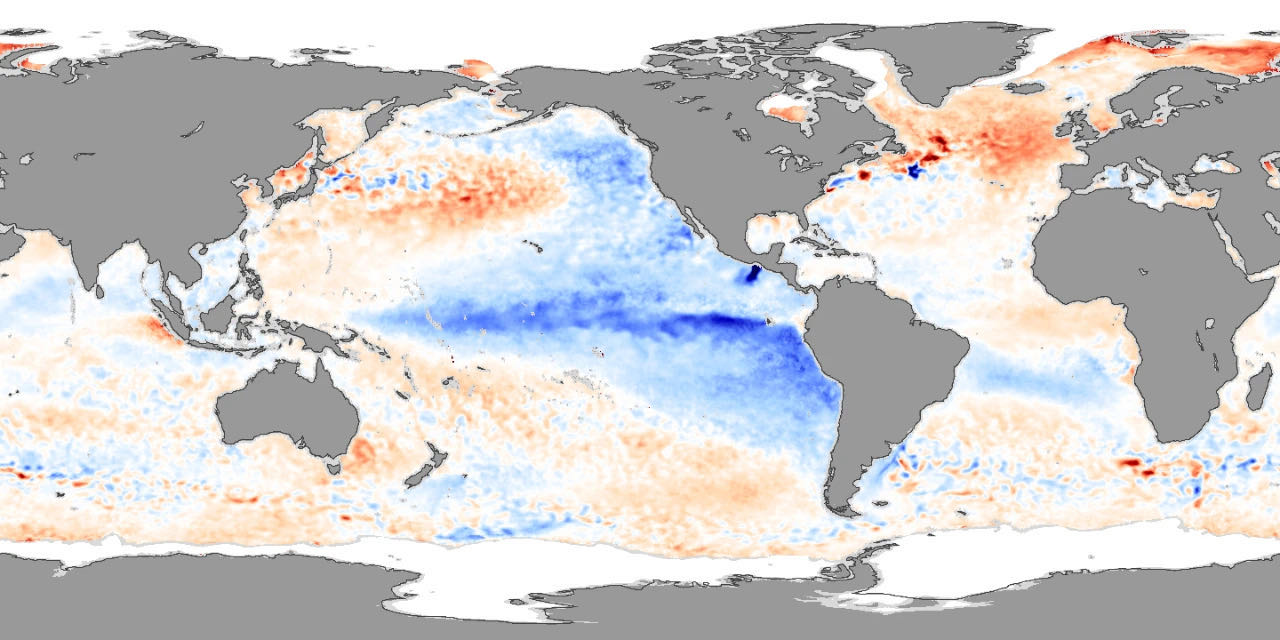
Brazil Faces Severe Drought
Because of the global La Niña phenomenon in 2020, Brazil experienced drier weather. Most regions of Brazil have now gone consecutive months without rainfall. The rain at the end of last month could only be described as a drop in the bucket, nowhere near enough to rescue Brazil from a drought of multiple months without precipitation. Brazil is in the grip of its most severe drought in 91 years.
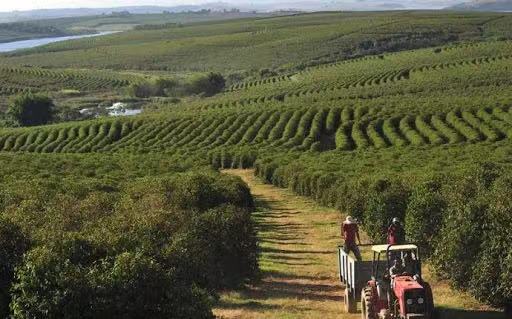
This dry weather has seriously affected the world's largest supplier of raw sugar and coffee. Coffee and raw sugar have become commodities whose prices have reached multi-year highs, with coffee futures pushed to new peaks. Coffee futures touched a four-and-a-half-year ceiling this Friday. Brazil's climate situation is also very concerning, as soil moisture in Minas Province is not at ideal levels, all of which weighs on 2022 coffee production. Brazil's Ministry of Mines and Energy stated that the drought will continue in the coming months, especially in the southeastern and central-west regions.
Impact on Coffee Production
According to a commodity report released by Commerzbank, the Paraná basin, where Minas Gerais—Brazil's largest coffee-producing region—is located, has experienced drought that is expected to continue until August.
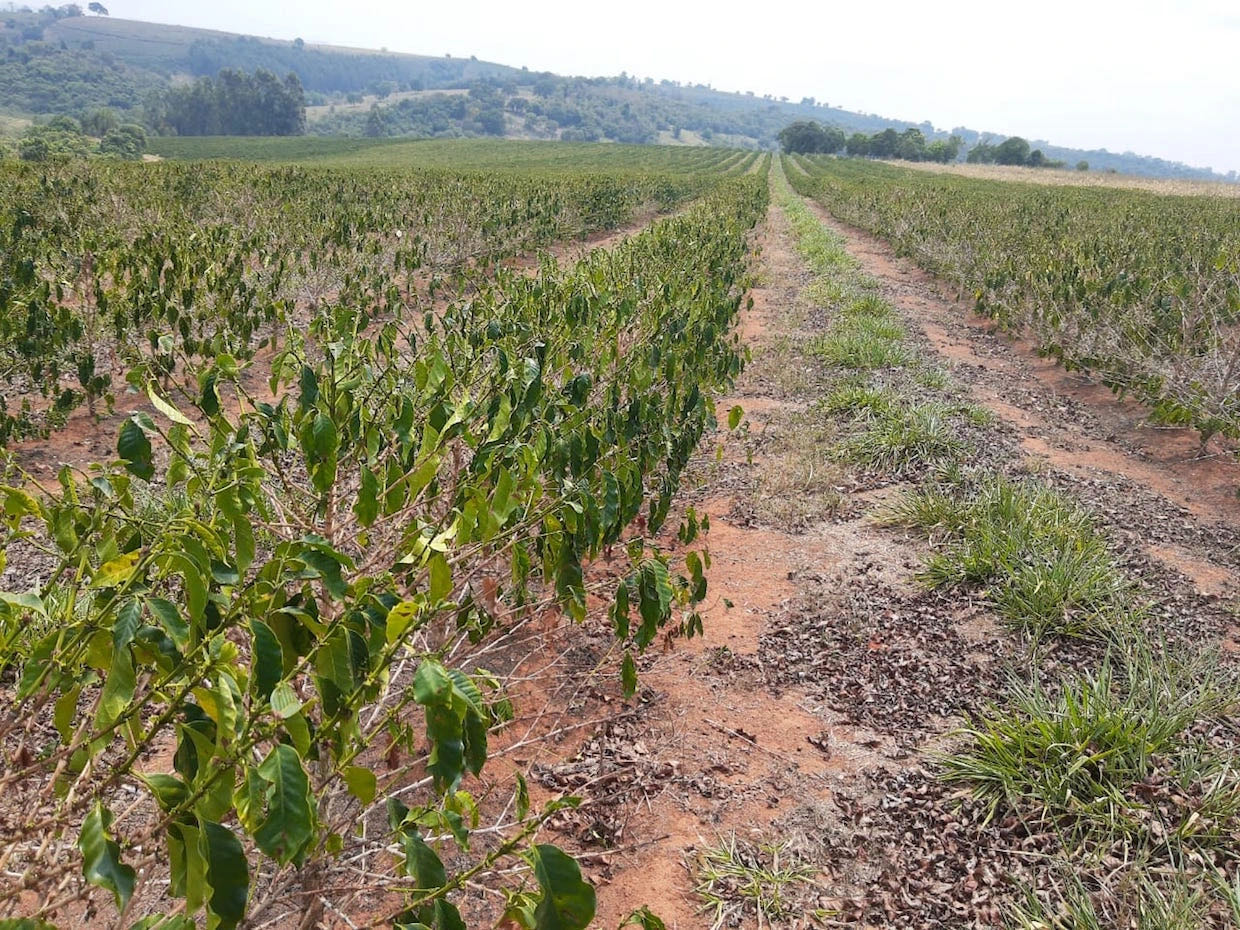
According to data from the consulting firm Safras & Mercado, Brazil's coffee harvest is estimated to be 20% complete. Coffee crops will begin flowering in September, and Brazil's current drought is not a good sign for the 2022/23 harvest. Meanwhile, protests in Colombia have also raised Brazil's transportation costs.
Rising Coffee Prices
Among soft commodities, July Arabica coffee futures rose 4.05 cents, a 2.6% increase, to $1.6165 per pound; July Robusta coffee futures rose 1.4%, to $1,612 per ton. The International Coffee Organization (ICO) stated that its composite index rose 10.4% in May to 134.78 US cents per pound, the highest level since February 2017.
As the world's largest coffee-producing country, Brazil's ongoing drought has severely impacted coffee production, and prices have skyrocketed as a result. When will this situation end?
FrontStreet Coffee Recommendation
Whatever the futures market does, Brazil remains one of the most dependable origins for everyday drinking, and FrontStreet Coffee's Brazilian beans reflect that. If you just want a first taste of the region, FrontStreet Semi-Washed Cerrado is a classic Brazilian single origin: Cerrado is a well-known local growing region prized for high-quality beans, and this red Bourbon—a common variety in South America—shows creamy peanut, toasted bread, caramel, and hazelnut aromas under a medium roast, with a round body, no acidity, and just a light bitter edge; it suits pour-over as well as moka pot, espresso SOE, siphon, and French press. FrontStreet Brazil Queen Estate comes from Mogiana, near South Minas, where fertile red volcanic soil lets the fruit develop a full aroma; Queen Estate's rare yellow Bourbon—a natural mutation of red Bourbon—has a cleaner fruit character, with a sugarcane freshness found in few other regions alongside fruit and chocolate notes. And because Brazil's low-acid, balanced profile and friendly price make it the backbone of countless espresso recipes, it appears in several FrontStreet blends: the crema-rich Classic Blend, the nutty Premium Blend, the balanced Black Cocoa Blend, and the shop-focused Commercial Blend all contain Brazilian beans that contribute chocolate and cream aromas, a soft sweet-sour-bitter balance, and stable extraction.
Important Notice :
FrontStreet Coffee is a long-established specialty coffee roaster in Guangzhou China, selling freshly roasted beans from its own farm in Yunnan as well as dozens of carefully selected single-origin beans from around the world for both pour-over and espresso. The products deliver consistently excellent quality and great value, with shipping within 24 hours. Guangzhou's FrontStreet Coffee shop is recommended by many coffee lovers, and the beans are now available online at the Tmall 。
FrontStreet Coffee has moved to a new address:
FrontStreet Coffee Address: 315,Donghua East Road,GuangZhou
Tel:020 38364473
 Scan and follow the En Gafei WeChat official account. Please indicate that the reprint comes from "En Gafei".