Specialty Coffee Do specialty coffee beans have decaf varieties? Can decaf coffee still help with weight loss?
Do Coffee Trees Have Low-Caffeine Varieties? Can Decaf Still Help With Weight Loss?
Mention caffeine and the first thing most people think of is the jolt of energy that clears the mind. Legend has it that a flock of sheep, after eating coffee cherries, danced through the night instead of sleeping - a curious and magical sight.
For many people, the workday begins with coffee as a way to sharpen up. People have long turned to coffee cherries and beans for that refreshing lift. But for those who love coffee while also watching their health, the question of which coffee contains less caffeine is a perennial favorite. When it comes to decaf, there is more than just caffeine stripped out by processing - there is also a completely natural low-caffeine coffee, which brings us to the story of low-caffeine coffee trees.
The Discovery of Natural Low-Caffeine Varieties
In 1715, the French transplanted Yemen's round-bodied Mocha to Bourbon Island in the Indian Ocean, off the eastern coast of Africa. Cut off from the African mainland and living under different soil, water, and climate conditions than it knew in Yemen, the plant had evolved into the Bourbon variety by 1810. Its bean shape shifted from the original round form to a pointed one, and the tree grew shorter. The French of the day called it "Bourbon Pointu" - pointed Bourbon - a legendary coffee said to be both delicious to drink and gentle enough to allow a good night's sleep. Only in the 20th century did scientists discover that Bourbon Pointu's caffeine content is half that of ordinary Arabica.
The mutated pointed Bourbon carries caffeine at just 0.4-0.75% of bean weight - but even that pales beside a newly discovered ultra-low-caffeine variety from Ethiopia, whose caffeine accounts for only 0.07% of bean weight.
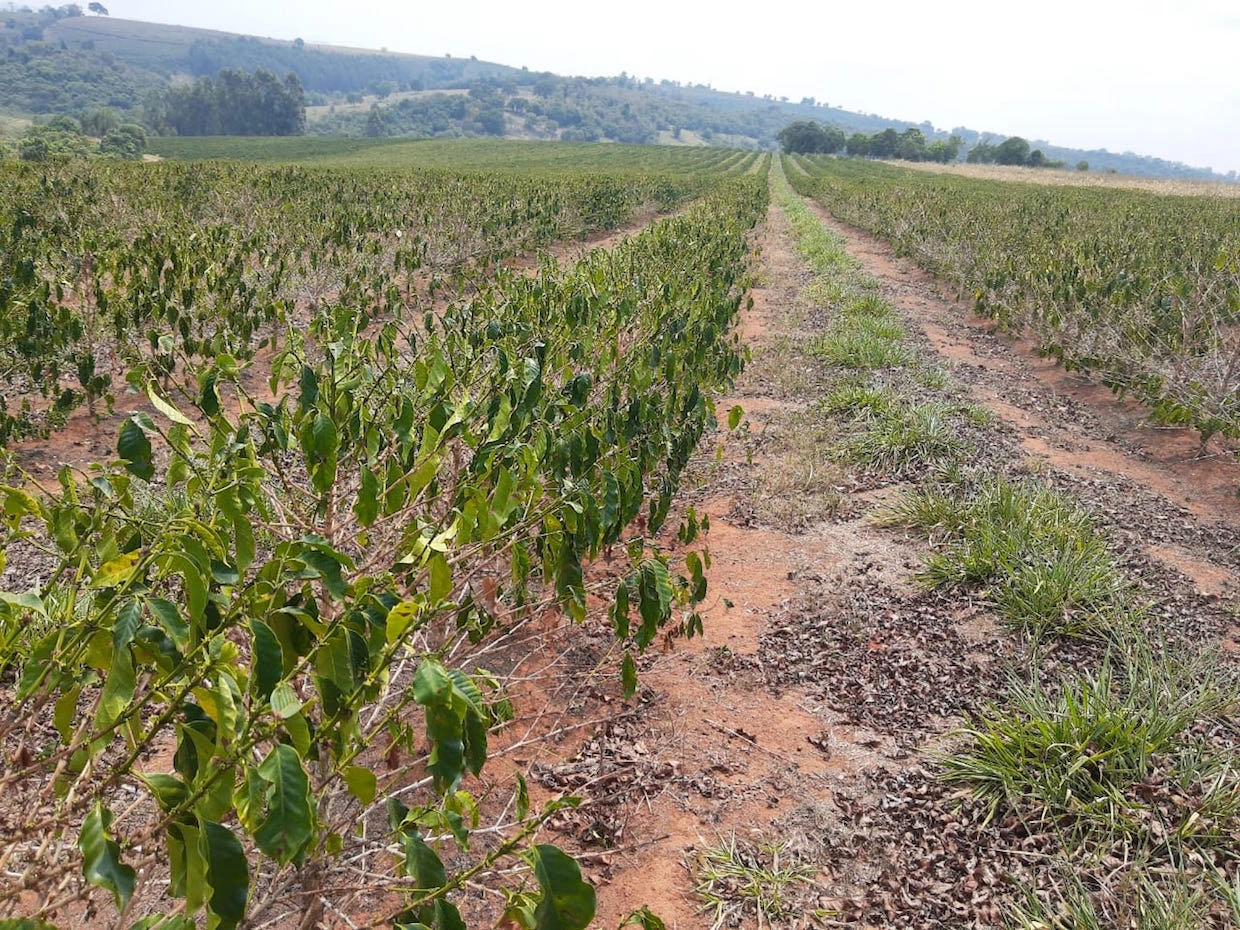
In June 2004, Paulo Mazzafera, a botanist at the State University of Campinas in Brazil, announced that he had found a wild low-caffeine coffee tree in Ethiopia. That same month, Mazzafera made a formal declaration in the authoritative journal Nature: "This is the first low-caffeine coffee tree discovered by humanity." Its caffeine represents only 0.07% of bean weight, 20 times lower than the average caffeine content of Arabica. According to reports, the research team he led screened three thousand samples drawn from three hundred Arabica varieties in Ethiopia and identified three natural low-caffeine subspecies - a result that stunned the coffee world.
At a press conference, Mazzafera stressed that the Ethiopian find was the better-flavored Arabica rather than Robusta. Although it carries genetic drawbacks and a lower yield that does not meet commercial cultivation targets, productivity could still be raised through crossbreeding for large-scale production. The news also stirred Ethiopia's authorities from their slumber: they prepared to sue Mazzafera for entering the country and taking wild coffee trees without government approval. That set off diplomatic tension between Ethiopia and Brazil and launched a spy-versus-spy contest over sovereignty of the low-caffeine Arabica trees. In the end it resolved happily for all, as the two countries agreed to cooperate and share this natural gift.
FrontStreet Coffee Recommendation
If you are choosing low-caffeine beans for pour-over, the simplest rule is to skip Robusta entirely and buy only Arabica. As the world's dominant coffee species, Arabica needs frost-free high ground at roughly 800-2,200 meters; the larger temperature swings at altitude slow the ripening of the fruit, which helps the plant build flavor compounds and develop a firmer, more developed aroma. Each growing region's own microclimate adds further variety, giving rise to a distinctive sense of place in the cup. FrontStreet's range is entirely Arabica, which makes it an easy place to start.
For an Indonesian single origin, FrontStreet's PWN Golden Mandheling is a classic. Its wet-hulled processing - a method born of local conditions - sets it apart from other dark-roasted coffees, with signature notes of herbs, spice, and wood. The Golden Mandheling goes through three rounds of hand-sorting plus machine sorting to remove defects as far as possible, which lets both body and sweetness show more fully and pushes the aroma forward. It suits a moka pot, SOE, pour-over, drip bag, or americano and latte.
From Ethiopia, FrontStreet's Natural Huakui is intensely aromatic, with a delicate floral top note and standout fruit - cream strawberry, mango, jackfruit, citrus, and blueberry - carrying the ripe tropical-fruit character of FrontStreet's natural Sidamo lots. That same rich berry fragrance earned it first place in the TOH green-bean competition that year, and it pairs genuine drinkability with a fair price (good for pour-over, cold brew, moka pot, and SOE). For a cleaner, brighter cup, FrontStreet's washed Gudingding Cooperative coffee is graded Ethiopia's top G1 and given the classic washed treatment - every step, from sorting and pulping to fermentation, washing, and drying, is handled to lift green-bean quality - and at a medium-light roast it shows elegant white floral, citrus, orange, and green tea (ideal for pour-over, drip bags, and cold brew).
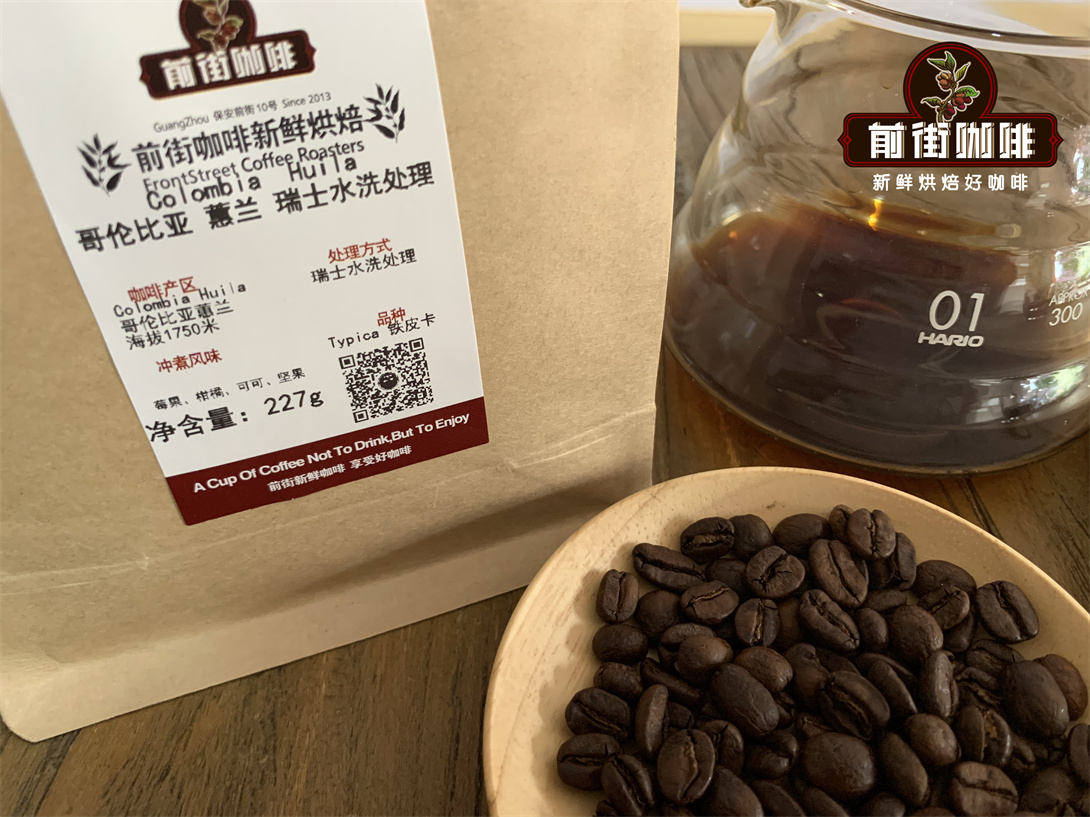
Two more easy-drinking options round out the list. FrontStreet's Yunnan Small-Bean, roasted medium, brings out the coffee's own caramelized character while keeping some fruit acidity, for a soft, smooth cup with a comforting sweetness - nut, herb, chocolate, and caramel, with a faint fruity acidity in the finish. And from Colombia, FrontStreet's washed Huila coffee comes from the country's best-known region, where elevations above 1,800 meters provide ideal terroir; expect dark chocolate, cream, hazelnut, and toffee, with the plump beans and distinctive rich aroma that make Colombia indispensable to specialty coffee.
Important Notice :
FrontStreet Coffee is a long-established specialty coffee roaster in Guangzhou China, selling freshly roasted beans from its own farm in Yunnan as well as dozens of carefully selected single-origin beans from around the world for both pour-over and espresso. The products deliver consistently excellent quality and great value, with shipping within 24 hours. Guangzhou's FrontStreet Coffee shop is recommended by many coffee lovers, and the beans are now available online at the Tmall 。
FrontStreet Coffee has moved to a new address:
FrontStreet Coffee Address: 315,Donghua East Road,GuangZhou
Tel:020 38364473
 Scan and follow the En Gafei WeChat official account. Please indicate that the reprint comes from "En Gafei".