Coffee Roasting: The Difference Between Dark and Light Roast & Characteristics of Japanese-Style Dark Roast Coffee
Understanding Coffee Roasting: The Key to Flavor Balance
The flavor of coffee is primarily composed of bitterness and acidity. But where do these flavors originate? And why does the balance between bitterness and acidity change with different roast levels? FrontStreet Coffee believes that roast level plays a crucial role in this process. Let's explore the fundamentals of coffee roasting.
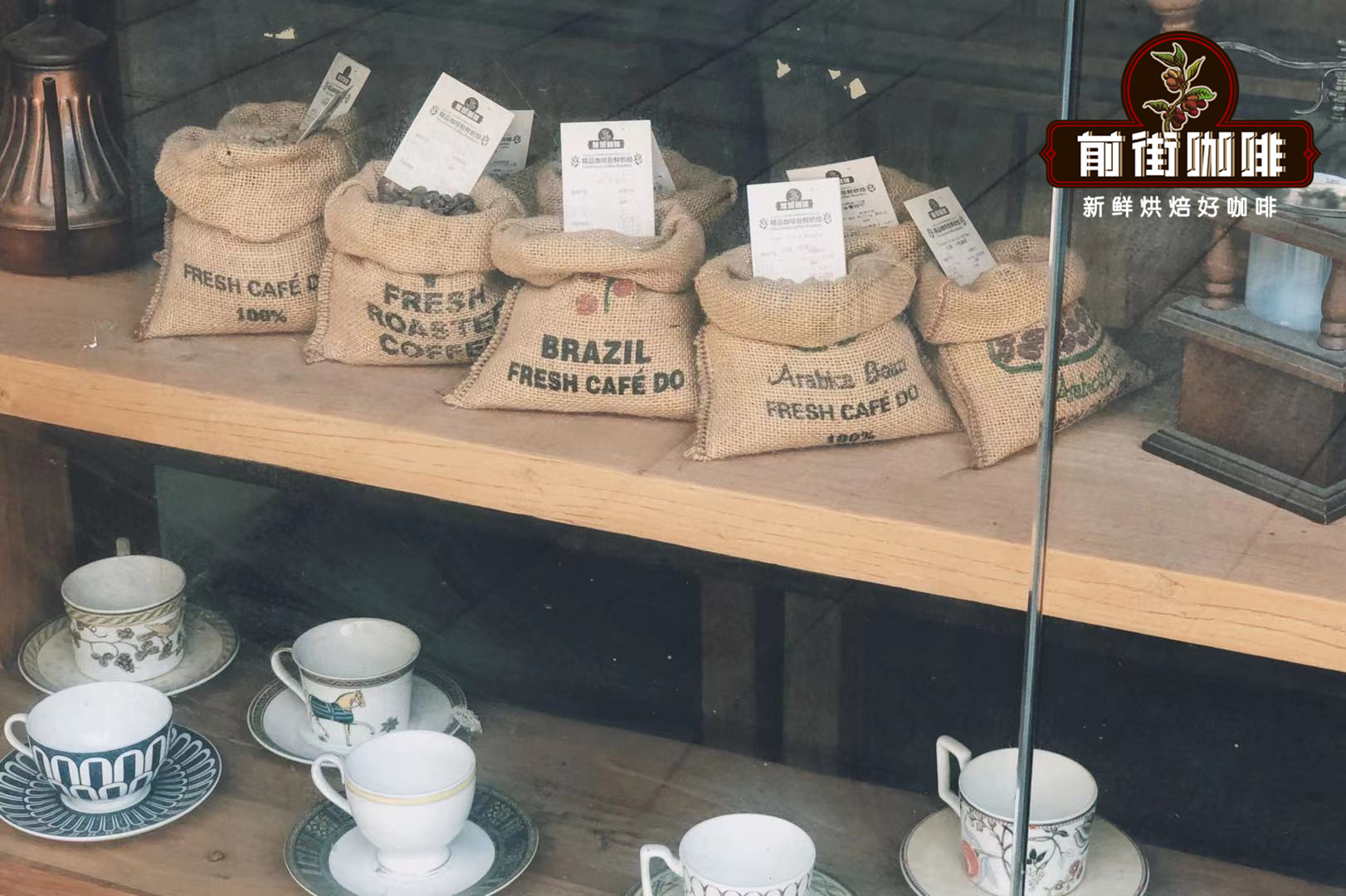
What is Coffee Roasting?
Coffee roasting refers to the process of roasting coffee beans. When coffee beans are heated and roasted, their components undergo chemical changes, developing the familiar colors, aromas, and flavors we recognize in coffee.
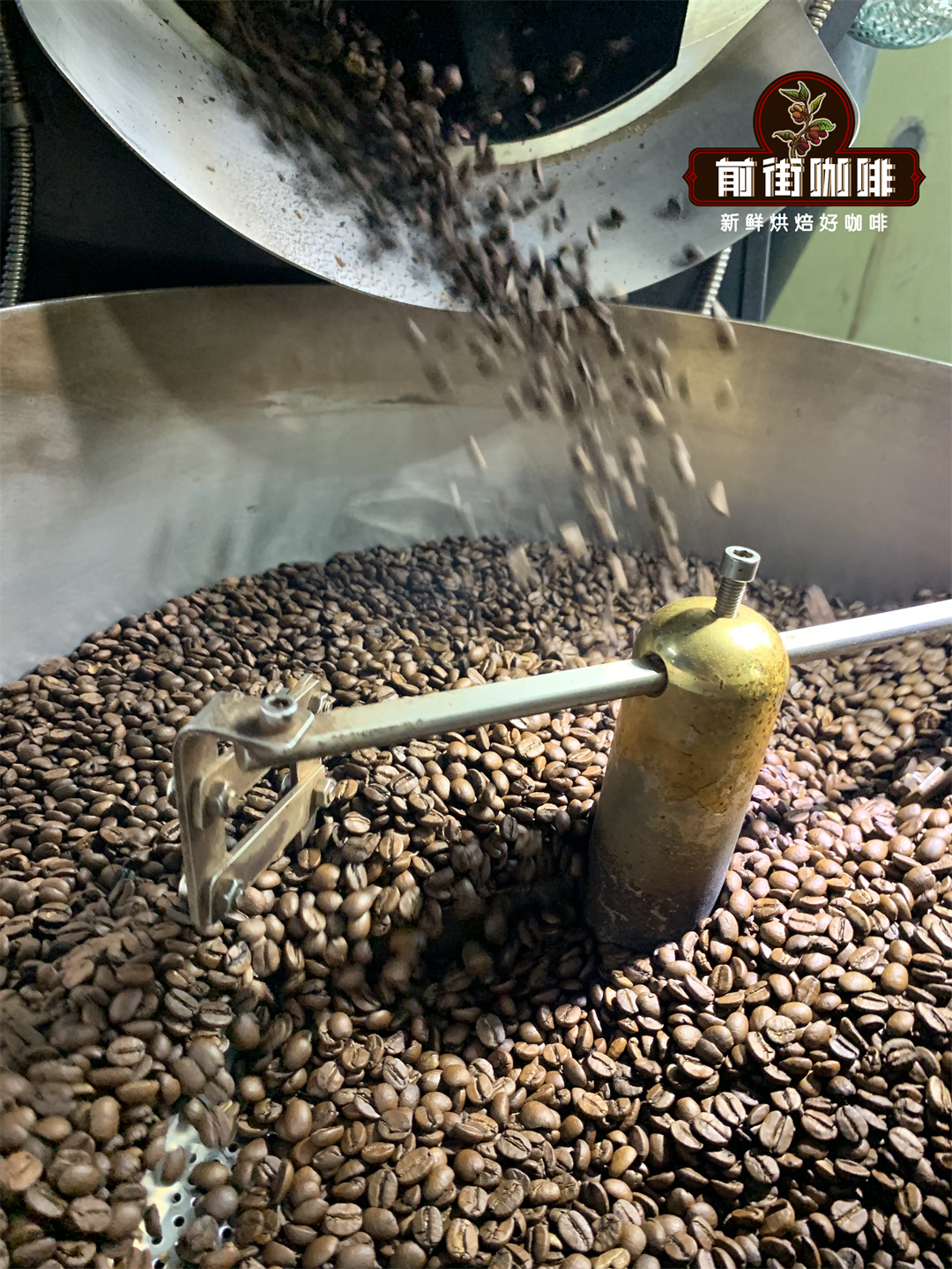
Roast Level Names and Classifications
The degree of heating becomes the roast level. Roast levels can be broadly divided into three stages: light roast, medium roast, and dark roast. To differentiate flavors further, in Japan roasting degrees are classified into eight levels, from extremely light roast to Italian roast.
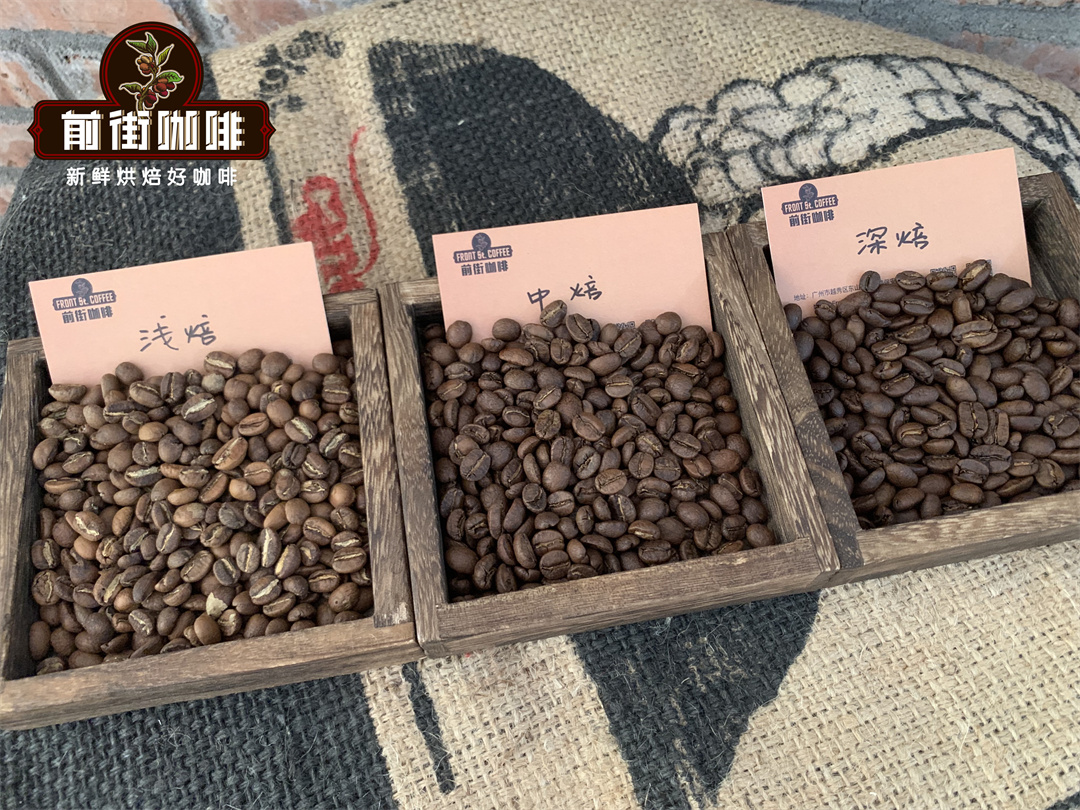
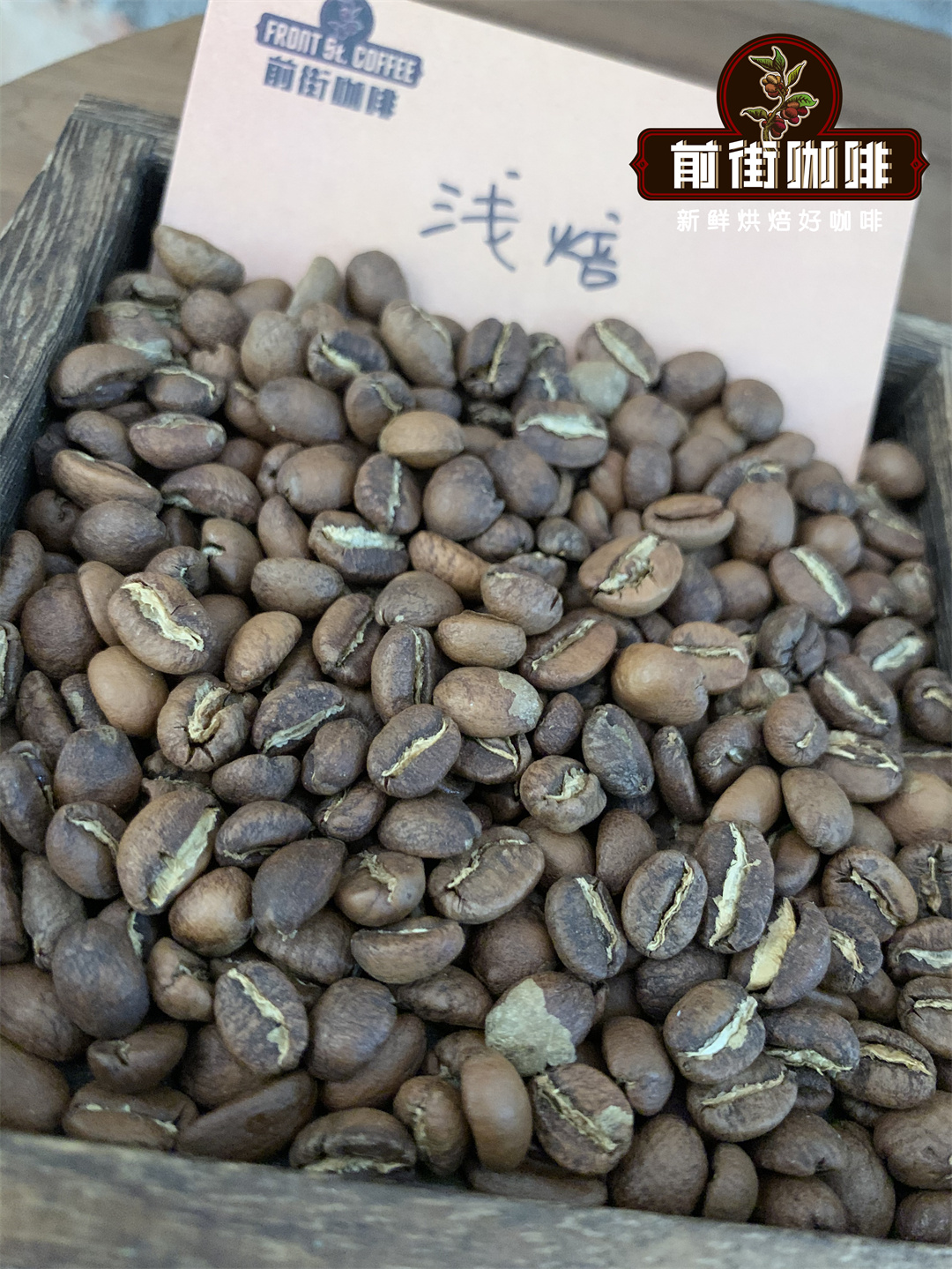
Light Roast
When generally discussing light roasts, the term covers extremely light roast and light roast.
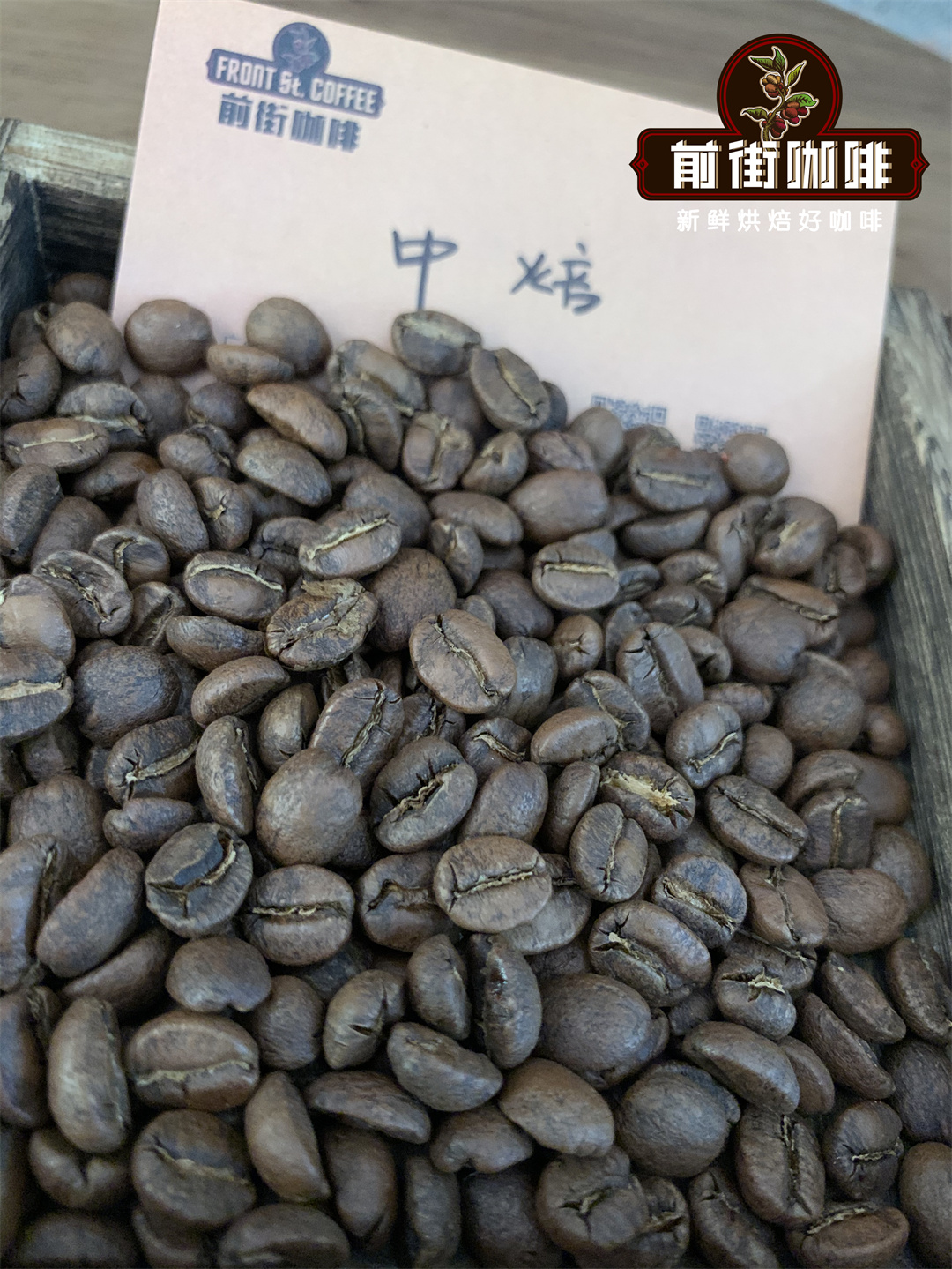
Medium Roast
Medium roast refers to medium roast, medium-dark roast, and city roast.
Dark Roast
Dark roast refers to dark roast, French roast, and Italian roast.
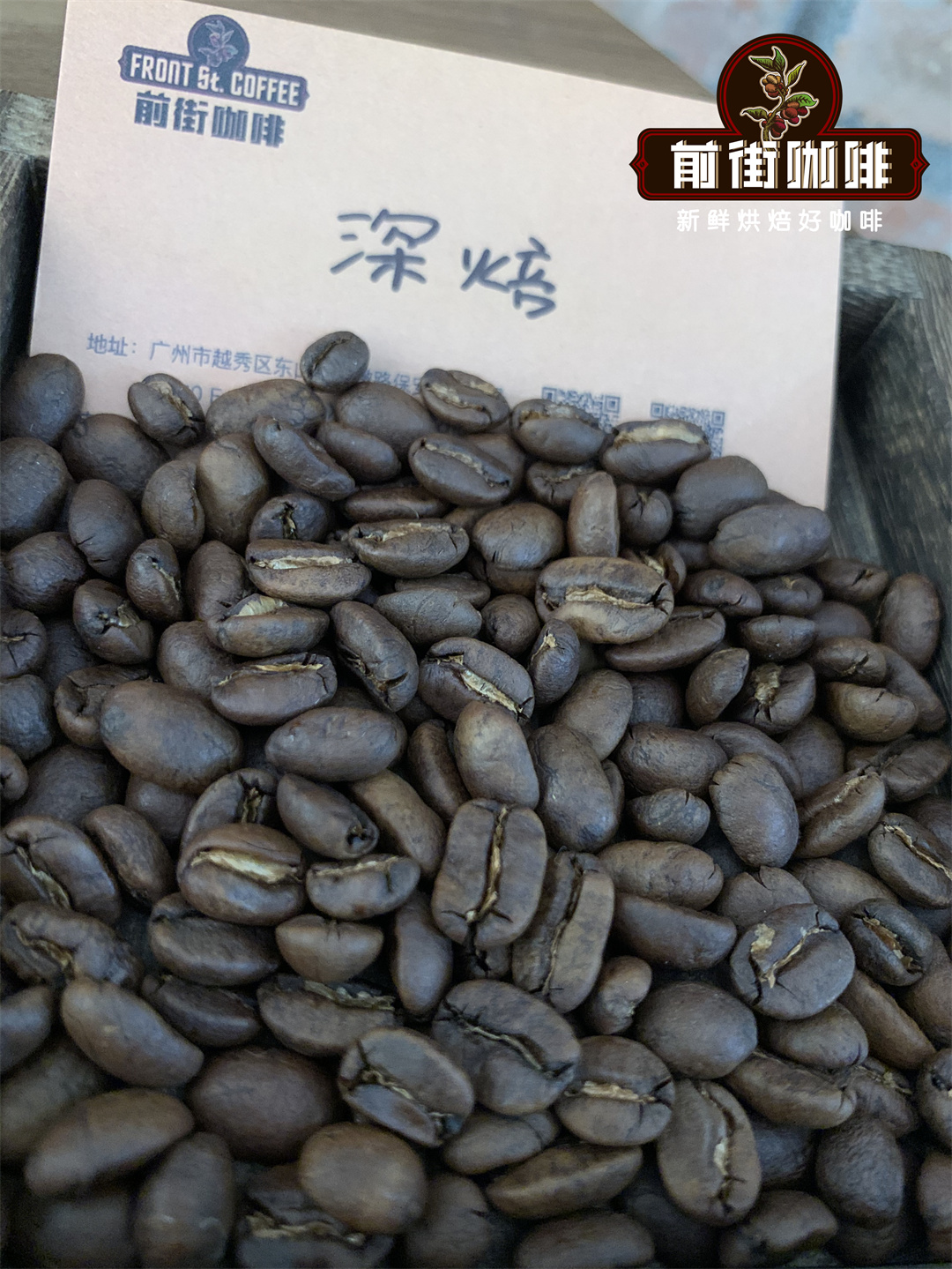
Generally, light roast coffee beans have a cinnamon-colored surface with strong acidity and a slight aroma; medium roast beans have a chestnut-colored surface with a light taste, a touch of sourness alongside bitterness, and a moderate aroma, preserving the bean's original flavor and often used for American coffee or blended coffee; medium-dark roast beans have a light brown surface with a bright and lively taste, balanced acidity and bitterness leaning toward lighter acidity, releasing the bean's quality flavors, and serving as the standard roast level that is most popular with the public; extremely dark roast beans have a black surface with an oily sheen, roasted before the bean fibers carbonize, with a strong and complex taste, powerful bitterness, and rich roasty and burnt aromas, mainly popular in Italy and often used for espresso.
Dark roasted coffee beans have a deeper color, meaning the brewed coffee will be darker. In terms of taste, the heavy roast reduces acidity but increases bitterness. Medium roast offers a moderate taste with medium acidity and bitterness. Likewise, a light roast will definitely taste more acidic, with strong acidity but less intense bitterness. This means the roast level of a bean affects its acidity and bitterness: the heavier the roast, the more bitter; the lighter the roast, the more acidic.
FrontStreet Coffee believes that no roast level is better than another; it depends entirely on personal preference. Cafes like Starbucks and other representatives of the second coffee wave tend to choose the flavors that dark roasting brings. In general, light roast beans have more lively and bright acidity, while dark roast beans have a richer body and stronger nutty flavors.
Different roast levels also change the chemical elements inside coffee. Renowned coffee master Mamoru Taguchi discusses in his book that roasting causes chlorogenic acid in coffee to produce bitter substances, and these substances vary with different roast levels. This is why most light roast beans present bright and refreshing flavors while dark roasts present richer bitter flavors.
FrontStreet Coffee Recommendation
If the idea of balance is what draws you in, FrontStreet's medium-roast lineup is the natural place to start. FrontStreet Brazil Queen's Farm uses the distinctive Yellow Bourbon variety from Brazil, the world's largest coffee producer; roasted medium, it delivers cream, peanut, chocolate, toasted bread, and sugarcane sweetness while staying smooth and mellow, and it brews well as a pour-over, in a moka pot, or through an espresso machine.
For something sweeter, FrontStreet Strawberry Candy Gesha Blend combines two celebrated origins, a honey-processed Costa Rican coffee and a washed Panamanian Gesha, and is roasted medium so the cup shows both orange-blossom honey character and a rounded sweetness; it shines as cold brew, pour-over, or espresso. And if you want a classic, FrontStreet Jamaica Blue Mountain No.1 is roasted medium to fuse its acidity, bitterness, sweetness, and body into an elegant whole, opening with chocolate, toasted nuts, cream, and caramel. Whichever you choose, adjust grind size to keep extraction even, finer for immersion methods and slightly coarser for a pour-over, and grind fresh for the cleanest sweetness.
Important Notice :
FrontStreet Coffee is a long-established specialty coffee roaster in Guangzhou China, selling freshly roasted beans from its own farm in Yunnan as well as dozens of carefully selected single-origin beans from around the world for both pour-over and espresso. The products deliver consistently excellent quality and great value, with shipping within 24 hours. Guangzhou's FrontStreet Coffee shop is recommended by many coffee lovers, and the beans are now available online at the Tmall 。
FrontStreet Coffee has moved to a new address:
FrontStreet Coffee Address: 315,Donghua East Road,GuangZhou
Tel:020 38364473
 Scan and follow the En Gafei WeChat official account. Please indicate that the reprint comes from "En Gafei".