What Kind of Coffee Do Coffee Experts Drink? Recommendations for Delicious Coffee
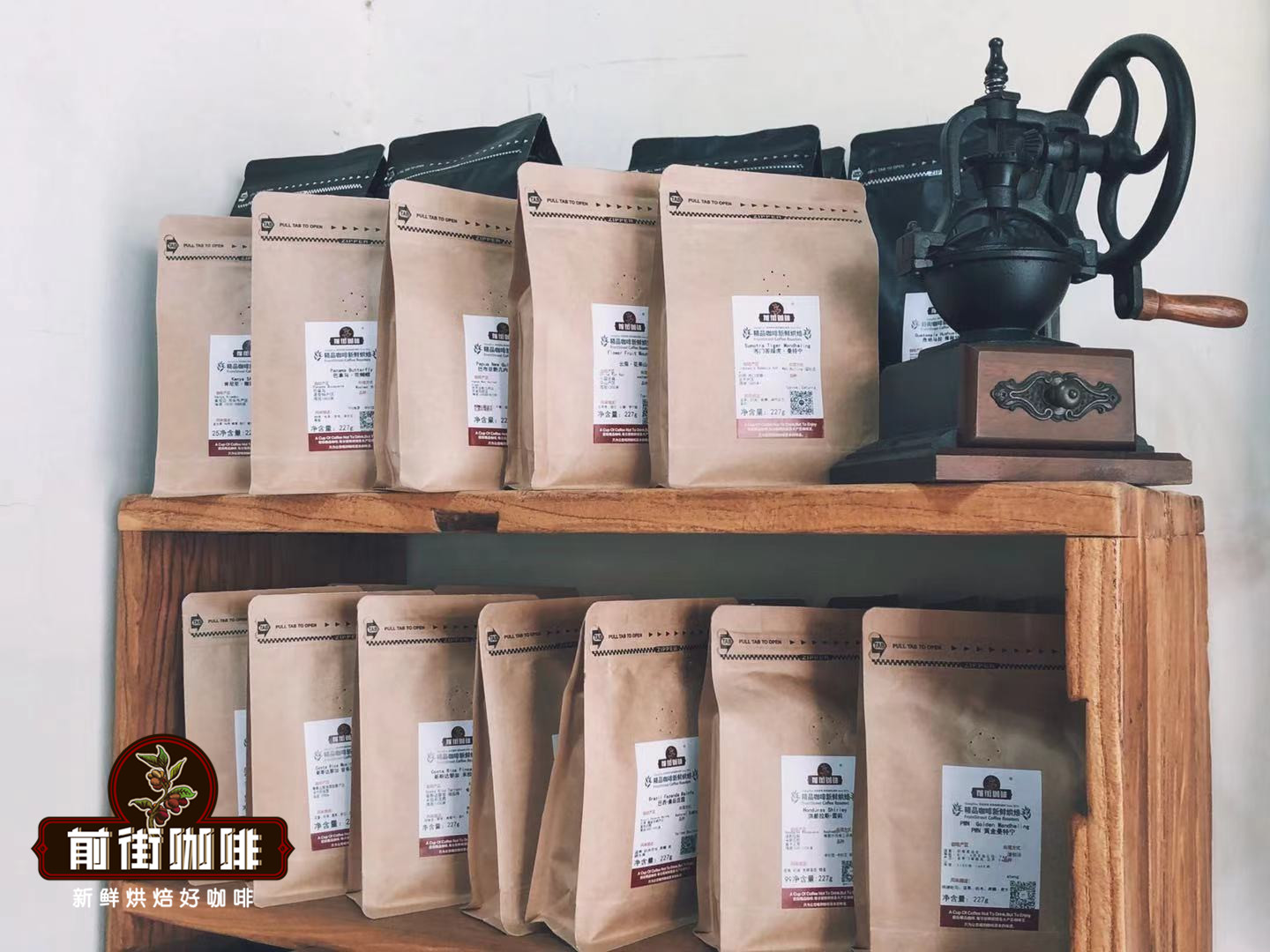
Many of us have a coffee habit, but with so many types of coffee out there, which one actually tastes the best? FrontStreet Coffee believes it comes down to personal preference — taste is subjective, and mouthfeel matters enormously. Walk into FrontStreet Coffee and you'll face an extensive menu with no idea where to start.
Do you prefer something more acidic, or more bitter, or a good balance of the two? Do you enjoy a clean, tea-like cup or a rich, full-bodied one? All of these options exist, because each coffee comes from a different growing region with its own signature flavors. So how do you choose the beans that suit you best? Below, FrontStreet Coffee breaks down the flavor profiles of the most common coffee-growing regions.
Regions with Acidity and Clean Mouthfeel
Yirgacheffe, Ethiopia: Sitting on the eastern edge of the East African Rift Valley, Yirgacheffe has complex terrain with elevations between 1,800 and 2,000 m, making it one of Ethiopia's highest-altitude coffee regions. To the west lies Lake Abaya, historically a wetland with abundant water — a resource that has long supported the region's washed-processing mills. Yirgacheffe is technically a sub-region of Sidamo, but its unique flavor profile earned it independent status, and it has become the most prestigious name in African coffee. In many people's memories, Yirgacheffe is defined by washed processing, and FrontStreet Coffee believes that's no accident: washing highlights the region's floral aromatics and lemony acidity, delivering a refreshingly clean cup.
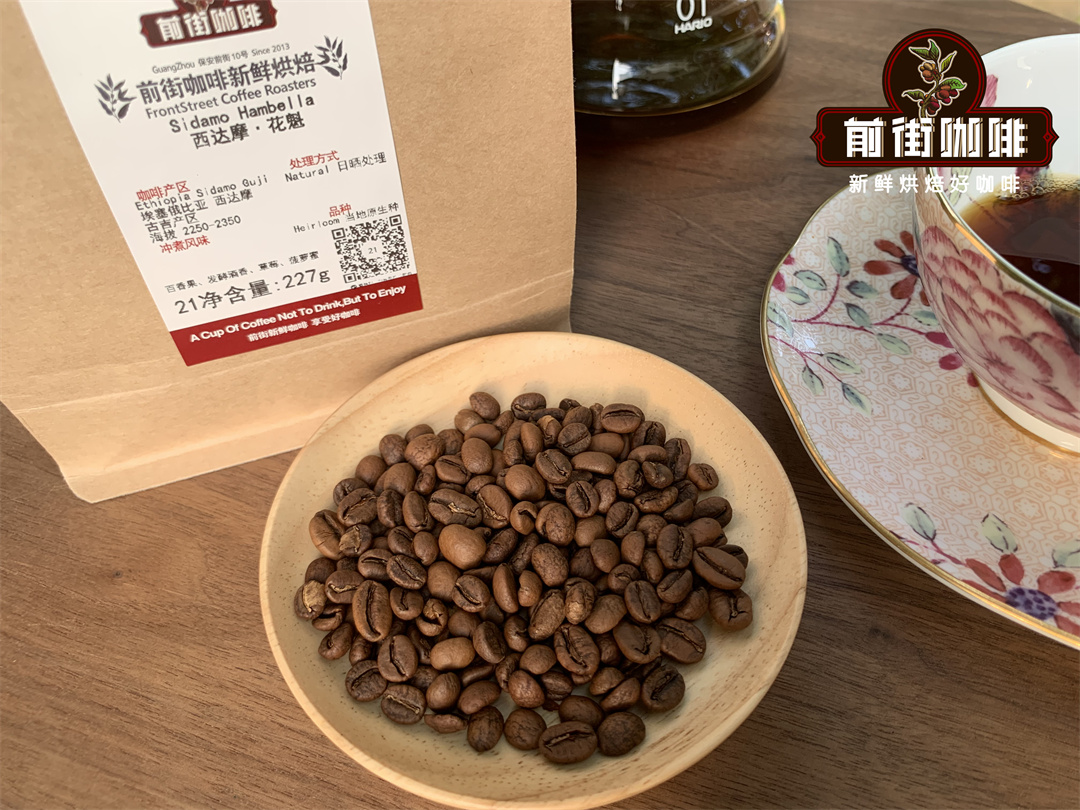
Sidamo, Ethiopia: The Sidamo region stretches across southern Ethiopia, from the Arsi and Bale administrative zones in the east to Gamogofa in the west, with coffee cultivated between 1,400 and 2,000 m. Agriculture dominates the local economy, and the main growing areas cluster around the East African Rift Valley. Sidamo has developed rapidly in recent years and become a major export hub. Its coffee flavors are extraordinarily diverse — different soils, microclimates, and countless heirloom varieties give each town's coffee its own distinct character. The most famous growing areas are Guji and West Arsi. Most Sidamo coffee is processed naturally, and FrontStreet Coffee believes the natural method is what gives Sidamo beans their rich fruity aromas and smooth mouthfeel.
Regions with Balanced Coffee
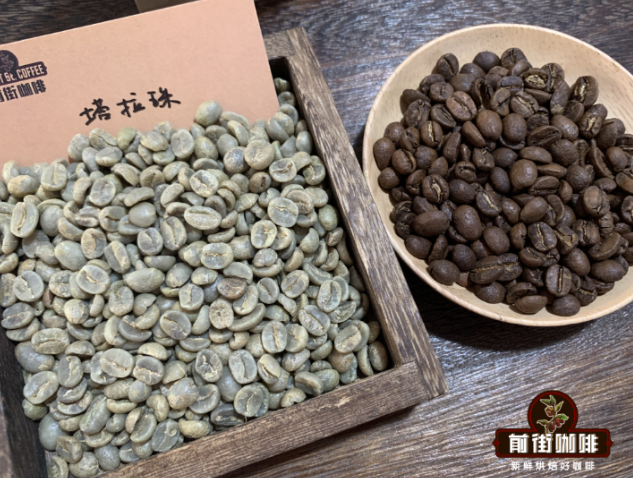
Tarrazú, Costa Rica (the Americas): Tarrazú sits at 1,200-1,700 m with a harvest season from December to March. The coffee is smooth yet bright with a firm, dense bean structure and rich aromatics. This world-renowned region's defining trait is the full-bodied depth created by its high-altitude growing conditions. Located in Costa Rica's fertile volcanic zone, Tarrazú enjoys a humid climate, fertile volcanic soil, abundant year-round rainfall, high elevation, and dense forest shade — ideal coffee conditions, with no pesticides or artificial fertilizers used during cultivation. Nearly 95% of Tarrazú highland beans qualify as Strictly Hard Beans (SHB), typically grown above 1,500 m. The region favors the raisin honey process, and FrontStreet Coffee finds this method produces beans with outstanding balance between acidity and sweetness; like the natural process, sun-drying enhances the beans' inherent aromas for a rich, mellow flavor.
Regions with Bitter, Full-Bodied Coffee
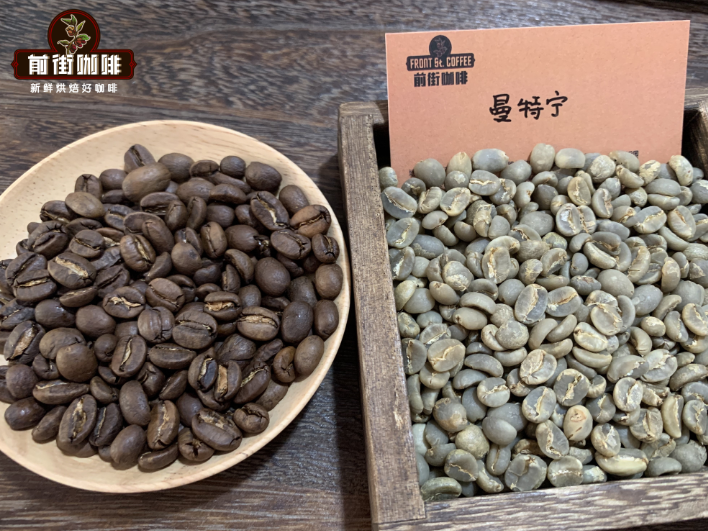
Lintong, Sumatra, Indonesia (Asia): Lintong Mandheling comes from the Lintong highlands of north-central Sumatra, near Lake Toba. FrontStreet Coffee considers its most distinctive traits the spicy, herbal aromatics, and regards Lintong Mandheling as the classic, standard expression of Mandheling. It uses the conventional wet-hulled (giling basah) process, which produces its signature low acidity and heavy body. That same process, however, means the moist, semi-hard beans are easily bruised when the mucilage and parchment are stripped away. The beans split into a cloven shape — the famous "cloven-hoof beans." These are not defects but a hallmark of Mandheling. Lintong Mandheling isn't meticulously sorted, so bean sizes vary, and this rougher handling can lead to inconsistent cup quality — yet none of it has dimmed the world's love for its rich, full-bodied character.
FrontStreet Coffee Recommendation
If the bright-and-clean side of the map appeals to you, start with FrontStreet Coffee's washed Yirgacheffe — the classic everyday Ethiopian. It is known for white jasmine florals, bright citrus and lemon acidity, and a tea-like finish, and its approachable price has made it many coffee drinkers' very first specialty bean. Yirgacheffe is a small town in the Sidamo province of southern Ethiopia at roughly 1,700-2,100 m, with coffee planted above 1,800 m — among the highest coffee altitudes in the world. Its instantly recognizable white florals and lemon-citrus acidity have made the name a byword for Ethiopian specialty coffee; demand was so great that in 2010 the Ethiopian Commodity Exchange formally separated it from Sidamo. For a step up, try the washed Worka-seated Chelbesa (Cheffieding) cooperative lot from the southeastern edge of Yirgacheffe — traditional washed processing, no bitter edge, with fresh citrus and lemon acidity wrapped in jasmine fragrance.
Prefer fruitier cups? FrontStreet Coffee's natural Red Cherry lot from the same region uses only fully ripe, defect-free cherries, sun-dried on raised beds and turned every 2-3 hours during the first days to prevent uneven fermentation and over-fermentation. After three to five weeks, the dried pulp is milled off. Because the cherries dry with their fruit intact, the cup combines classic Yirgacheffe character with tropical fruit from the natural process — citrus acidity, berry-like juiciness, honeyed sweetness, and a creamy smoothness.
Brewing suggestion from FrontStreet Coffee: use a V60 with 15 g of coffee at a 1:15 ratio, 90-91°C water, and a medium-fine grind (EK43s at setting 10, about the size of fine granulated sugar, 80% passing a #20 sieve). Pour 30 g of water to bloom for 30 seconds, then pour up to 125 g on the scale over about a minute; once the water level drops to two-thirds of the coffee bed, pour the remaining 100 g up to roughly 225 g, finishing the pour around 1:35. Drawdown completes between 2:00 and 2:10 — remove the dripper and enjoy.
Important Notice :
FrontStreet Coffee is a long-established specialty coffee roaster in Guangzhou China, selling freshly roasted beans from its own farm in Yunnan as well as dozens of carefully selected single-origin beans from around the world for both pour-over and espresso. The products deliver consistently excellent quality and great value, with shipping within 24 hours. Guangzhou's FrontStreet Coffee shop is recommended by many coffee lovers, and the beans are now available online at the Tmall 。
FrontStreet Coffee has moved to a new address:
FrontStreet Coffee Address: 315,Donghua East Road,GuangZhou
Tel:020 38364473
 Scan and follow the En Gafei WeChat official account. Please indicate that the reprint comes from "En Gafei".