Latte, Cappuccino, or Mocha: Confused About Coffee Varieties? One Infographic to Clarify All
Anyone who has bought coffee from a cafe or convenience store has seen the usual lineup: latte, cappuccino, mocha, Americano, and espresso. Many people, though, have never really understood the ratio of coffee to milk in each, or simply do not know how they differ.
FrontStreet Coffee suspects many readers share that curiosity, so let's walk through it together.
Who Invented Black Coffee with Milk?
After their defeat, the Ottoman Empire left behind a batch of coffee beans in Vienna, and coffee gradually took hold in the city. The taste of black coffee was too bitter for many people to adjust to. To make it more appealing to the general public, Franz George Kolschitsky experimented with adding milk to coffee in 1683, creating a smoother texture that irritated the stomach less. The combination was an immediate hit, and the habit of adding milk to coffee has continued to this day.
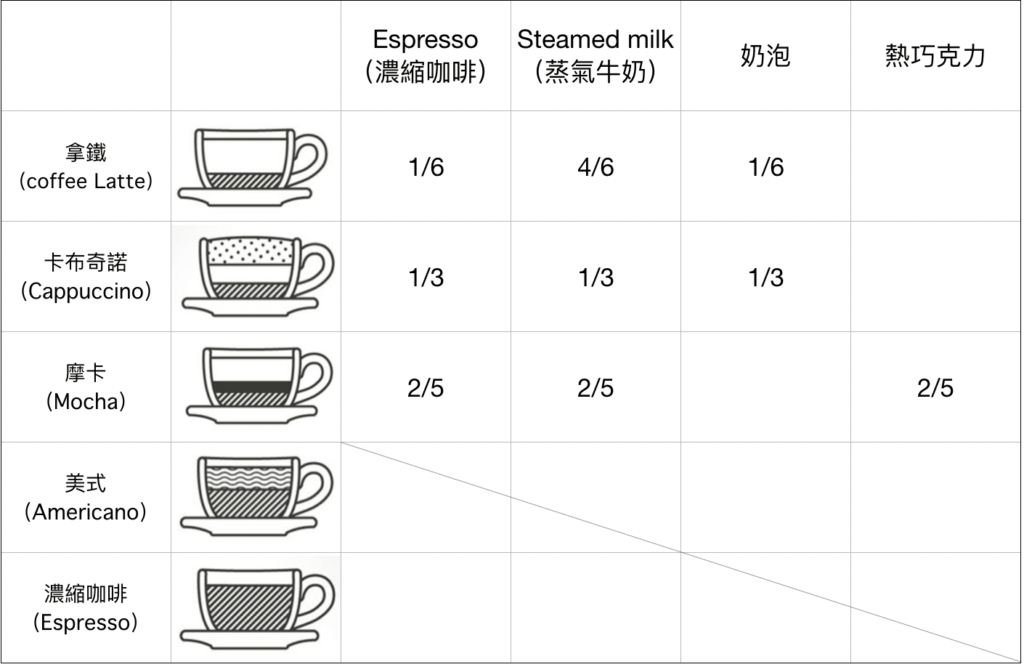
Latte: Milk Is the Star
1/6 Espresso
4/6 Steamed Milk
1/6 Milk Foam
Because milk makes up 2/3 of the total volume, the texture is exceptionally smooth. Some cafes garnish with cinnamon, vanilla, or hazelnut for extra layers of flavor.
In Italian, "latte" means milk, so caffe latte literally means coffee plus milk.
Cappuccino: Coffee Is the Star
1/3 Espresso
1/3 Steamed Milk
1/3 Milk Foam
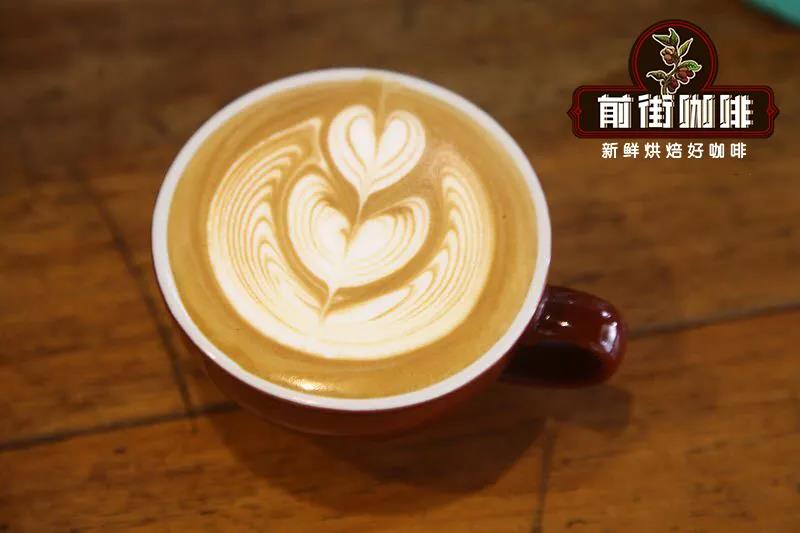
Although the milk-plus-foam ratio looks similar to a latte, foam is less dense than steamed milk, so it takes up more volume. A cappuccino therefore actually contains less milk than a latte.
Cinnamon powder, cocoa powder, or lemon and orange peel can also be added to lift the flavor of a cappuccino.
Mocha: Chocolate-Flavored Coffee
2/5 Espresso
2/5 Hot Chocolate
1/5 Steamed Milk
Originally, "Mocha" referred to a type of coffee bean with chocolate aroma, produced mainly in the coastal town of Mocha in Yemen, which is where the name "Mocha beans" comes from.
Mocha contains more espresso than a cappuccino, giving it a richer, more intense flavor. Some people add spirits such as Baileys Irish Cream, Sambuca, or coffee liqueur for a distinctive character.
Americano
How do you make an Americano by pour-over?
The recommended coffee-to-water ratio is 1:10 to 1:16.
1:10 means 10 grams of coffee grounds with 100ml of hot water.
Espresso
Three common espresso concentration ratios:
1. 9g of coffee grounds to brew 30ml of coffee
2. 18g of coffee grounds to brew 60ml of coffee
3. 14-16g to brew 30ml of coffee
Espresso is extracted by forcing 93°C water through the grounds at 8-9 atmospheres of pressure, quickly pulling out the essence of the coffee while shortening the contact time between water and grounds. This process limits how much caffeine stays in the liquid while preserving the crema, the foam of coffee oils.
FrontStreet Coffee Recommendation
For milk drinks, the espresso underneath matters as much as the milk. FrontStreet Coffee's Cappuccino standard calls for espresso pulled at 20g of grounds, a 1:2 coffee-to-liquid ratio, and a 30-second extraction, which yields a shot that is both concentrated and fully extracted. The bean that suits this best is FrontStreet Coffee's Italian-style blend series. For beginners making cappuccino at home, start with the "crema bomb" FrontStreet Coffee Classic Blend or the value pick, FrontStreet Coffee Black Cocoa Blend.
If you want a floral and fruit cappuccino, try FrontStreet Coffee Strawberry Candy Espresso Blend, which brings out berry, rose, raisin, and fruit-candy aromas. For a fresher, less bitter cup, choose FrontStreet Coffee Grana Gesha SOE, a naturally processed bean roasted medium, so it carries berry, sweet orange, and persimmon flavors, and turns into a milky candy note when paired with milk.
A cappuccino's "golden ring" is its most comforting feature: the outer circle of color comes from the espresso, while the inner circle is filled with milk foam. Pull the shot into the cup, then steam the milk fairly thick and fine since no latte art is needed. Take a spoon and place a scoop of foam into the center of the coffee to fill it into a circle. Swirl the pitcher to reintegrate the foam and milk, then pour straight down the middle of the cup. Because the surface is all foam, there is no need to worry about overflow, so pour boldly until the cup is full.
Important Notice :
FrontStreet Coffee is a long-established specialty coffee roaster in Guangzhou China, selling freshly roasted beans from its own farm in Yunnan as well as dozens of carefully selected single-origin beans from around the world for both pour-over and espresso. The products deliver consistently excellent quality and great value, with shipping within 24 hours. Guangzhou's FrontStreet Coffee shop is recommended by many coffee lovers, and the beans are now available online at the Tmall 。
FrontStreet Coffee has moved to a new address:
FrontStreet Coffee Address: 315,Donghua East Road,GuangZhou
Tel:020 38364473
 Scan and follow the En Gafei WeChat official account. Please indicate that the reprint comes from "En Gafei".