What is Coffee Cleanliness? Cupping Cleanliness Definition and Coffee Roasting Considerations
Professional Coffee Knowledge Exchange
Introduction
When cupping each coffee bean, FrontStreet Coffee's baristas prioritize not the flavor, but its cleanliness. Cleanliness, as the first scoring item in COE cupping, demonstrates its importance. If cleanliness fails, subsequent scoring items will also fail.
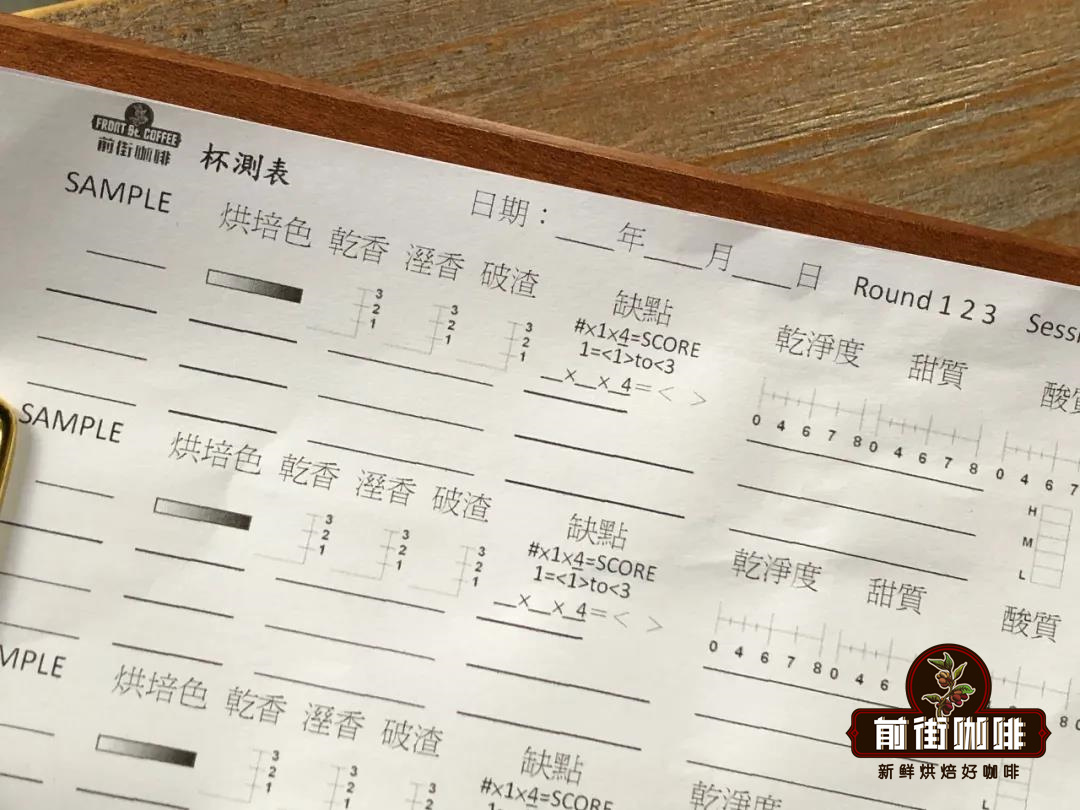
What does cleanliness refer to?
Cleanliness means the absence of off-flavors, astringency, and other unpleasant tastes. Off-flavors are defined as those without a dominant profile, giving a chaotic and unclear sensation. The most common off-flavors include: earthy taste, woody taste, and grassy taste. Astringency refers to the unsmooth sensation when coffee enters the mouth, such as bitter astringency and sour astringency.
Why is "cleanliness" so important?
Let us first understand how "cleanliness" scoring came about.
Cleanliness (clean cup) is a crucial evaluation standard for specialty coffee. When the COE cupping standard was first introduced, cleanliness was the primary consideration due to Brazilian coffee beans. Why? Let us start with Brazilian coffee harvesting.
Brazilian Coffee Fruit Harvesting
Brazil produces over 30 million bags (60kg per bag) of coffee beans annually, making complete manual harvesting impossible. What is the solution? Machine harvesting! Thanks to the flat terrain, Brazil was the first country globally to use machines for harvesting coffee fruit. While efficient, machines cannot screen coffee cherries.
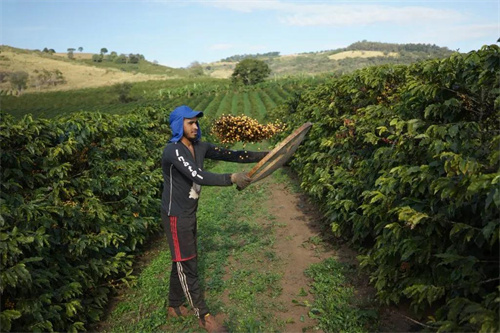
For a major producer like Brazil, coffee fruits are too common to warrant significant manpower and resources for individual screening. Consequently, whether the coffee cherries are ripe or not, they are all piled together and sent for processing. Due to the varying maturity of the fruit, each coffee bean has its own characteristics, leading to a very chaotic flavor profile in the coffee.
Brazilian Coffee Bean Processing
After harvesting comes processing. Before the definition of specialty coffee, everyone used sun-drying to dry coffee beans. However, unlike today's methods, the earlier sun-drying process was simple and crude. Those with better conditions would use concrete floors, while others would use dirt floors, spreading coffee fruits directly on the ground to enjoy "sunbathing."
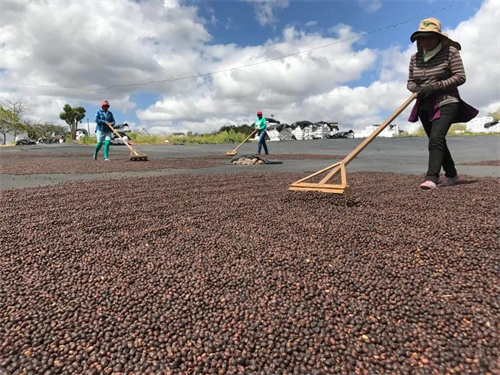
Obviously, the latter was more common. While the coffee fruits enjoyed their "sunbathing," they also absorbed the essence of the earth, making them prone to rotting during the drying process. After all, growing in soil, coffee beans naturally develop earthy flavors, known as "Rioy" flavor, which is the number one killer of coffee cleanliness.
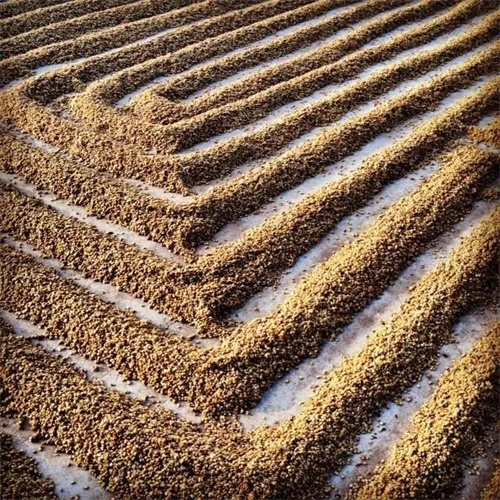
Later, to solve this problem, the Brazilian Coffee Research Institute developed the pulped natural processing method, taking advantage of Brazil's relatively dry, clean climate during harvest. After removing the peel and pulp, the fruits with their mucilage are exposed to the sun for 3 days, then machine-dried to 12% moisture content, thereby shortening the sun-drying time and reducing the chance of coffee beans acquiring off-flavors.
Defective Beans
After processing comes storage. Because uniform drying was not achieved during processing, the drying degree of each coffee bean varies. Some may not meet the moisture content requirements for coffee bean storage, or may have rotted during drying.
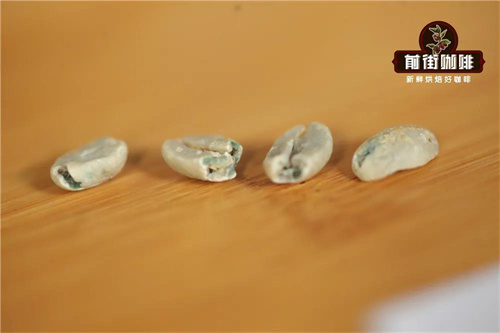
Rotting indicates over-fermentation of the coffee fruit, and the hulled coffee beans will also develop sour, rotten flavors. Beans that have not been dried to storage requirements are prone to molding during storage or attracting insects.
Although current coffee bean quality is much better than before, there are still many defective beans. FrontStreet Coffee selects raw beans before roasting and again selects roasted beans after roasting.
In addition to problems with raw beans, roasting, freshness, and brewing also affect cleanliness.
Problems Caused by Insufficient Damper Opening
Silver skin: Before coffee beans reach the yellowing point, the silver skin begins to separate from the beans. At this time, the roaster contains large amounts of silver skin and water vapor. If the damper is not adjusted promptly, the high-temperature environment in the roaster causes the silver skin to burn, producing fine carbon particles that attach to the coffee beans, bringing burnt and smoky flavors.
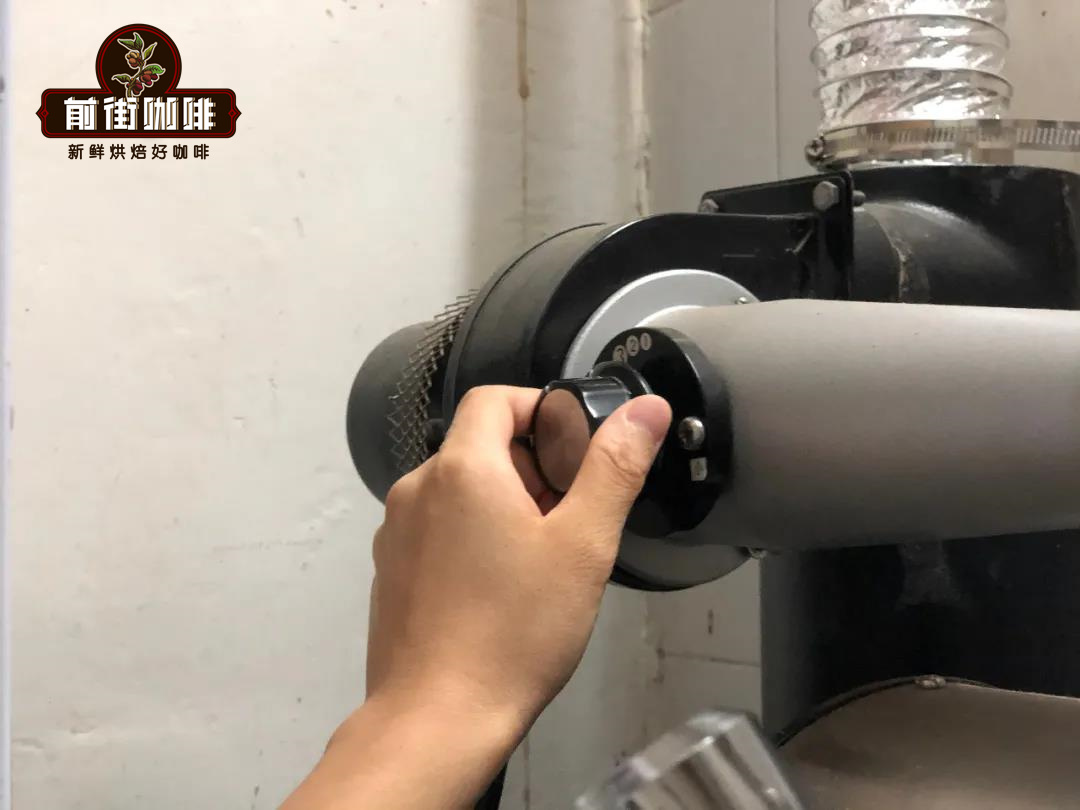
Smoke produced at first crack: When coffee beans reach first crack, they produce large amounts of smoke. If the damper is not adjusted promptly, coffee beans will absorb smoky flavors. When entering second crack, even more smoke is produced. If heat is not adjusted, coffee beans will appear abnormally oily and develop severe smoky or even gunpowder flavors.
Low Roasting Temperature, Long Roasting Time
Too little heat during roasting extends the coffee bean roasting time. Even if the beans come out at the same temperature, they will develop some roasting flavors, like a "toast flavor," and the flavor profile will be bland.
Brewing "Too Fresh" Beans
For better flavor performance, FrontStreet Coffee suggests resting medium-light roast coffee beans for 3-4 days, medium-dark roast for 5-6 days, and espresso beans for 7 days before brewing.
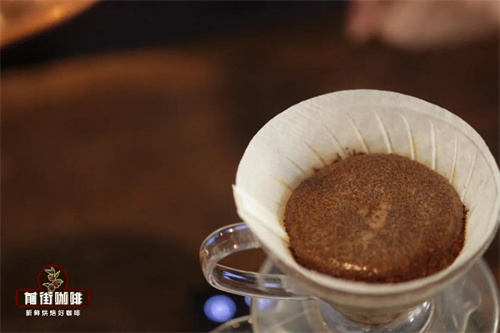
Freshly roasted coffee beans retain smoky flavors from high-temperature roasting internally, making the throat feel very dry when drinking. Resting beans means leaving freshly roasted coffee beans in their original packaging, allowing them to release gases quietly, so the flavors gradually become rounded.
Under-extraction & Over-extraction
If coffee is under-extracted, the flavor will appear flat, even developing sharp acidity and green sensations. Over-extraction will draw out large amounts of medium-to-high molecular weight flavor compounds, with woody and smoky flavors masking pleasant notes, making the coffee taste very bitter and astringent.
FrontStreet Coffee Recommendation
Ironically, it was Brazil's mass harvesting and natural drying that gave rise to the cleanliness standard - and today's Brazilian beans have come a long way. FrontStreet Coffee's pulped natural Cerrado Red Bourbon is a classic example: medium-roasted with creamy peanut, toasted bread, caramel, and hazelnut aromas, a rounded body, and only a whisper of bitterness. For a cleaner, fruitier expression, try FrontStreet Coffee's Yellow Bourbon from Queen Farm (Fazenda Rainha) in Mogiana, with its distinctive sugarcane sweetness alongside chocolate and fruit notes.
Important Notice :
FrontStreet Coffee is a long-established specialty coffee roaster in Guangzhou China, selling freshly roasted beans from its own farm in Yunnan as well as dozens of carefully selected single-origin beans from around the world for both pour-over and espresso. The products deliver consistently excellent quality and great value, with shipping within 24 hours. Guangzhou's FrontStreet Coffee shop is recommended by many coffee lovers, and the beans are now available online at the Tmall 。
FrontStreet Coffee has moved to a new address:
FrontStreet Coffee Address: 315,Donghua East Road,GuangZhou
Tel:020 38364473
 Scan and follow the En Gafei WeChat official account. Please indicate that the reprint comes from "En Gafei".