Why Does Pour-Over Coffee Have a Bitter Taste? Coffee Bean Roast Level and Brewing Techniques Causing Coffee's Astringency
For professional coffee knowledge exchange and more coffee bean information, follow Coffee Workshop (WeChat official account: cafe_style).
Introduction
Teacher Han Huaizong once put it this way: the oils and colloids in coffee give the cup its smooth texture, while the polyphenols produce a rough astringency that runs wild across the mouth like a devil's tail, leaving an unpleasant impression behind.
Seen through the lens of wine, astringency is a virtue. In coffee it is not welcome. So where does it come from, and why does coffee turn astringent at all?
What Is Astringency?
Astringency is the opposite of smoothness—the rough, drying sensation you feel as coffee crosses the palate. That texture comes mainly from dicaffeoylquinic acid, which forms when chlorogenic acid in the coffee degrades during roasting. The compound binds with proteins in saliva and creates an astringent feeling on the oral epithelium. The quality of the green coffee determines how much chlorogenic acid is present, and an under-developed roast easily leaves beans with a green, astringent taste. Small amounts of tartaric acid in coffee add to the effect as well.
What Causes Coffee Astringency?
① Green beans of a variety that carries too much chlorogenic acid
② Green beans that are too fresh, so roasting fails to dehydrate them completely
③ Too many defective beans going into the roast
④ Brewing parameters and technique
Green Beans That Carry Too Much Chlorogenic Acid
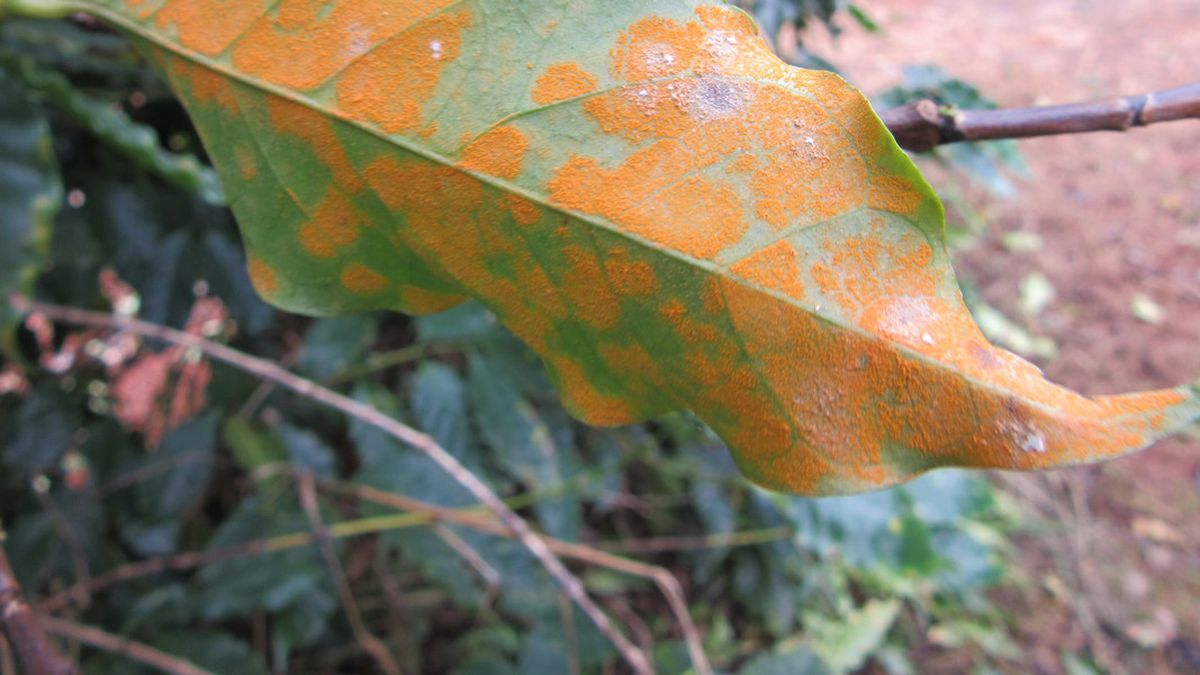
Chlorogenic acid is one of the chief culprits behind coffee's bitterness and astringency, making up 6%–8% of the green bean. During roasting it breaks down into quinic acid, a non-volatile phenolic acid. You cannot smell it, but it tastes bitter and feels astringent on the tongue.
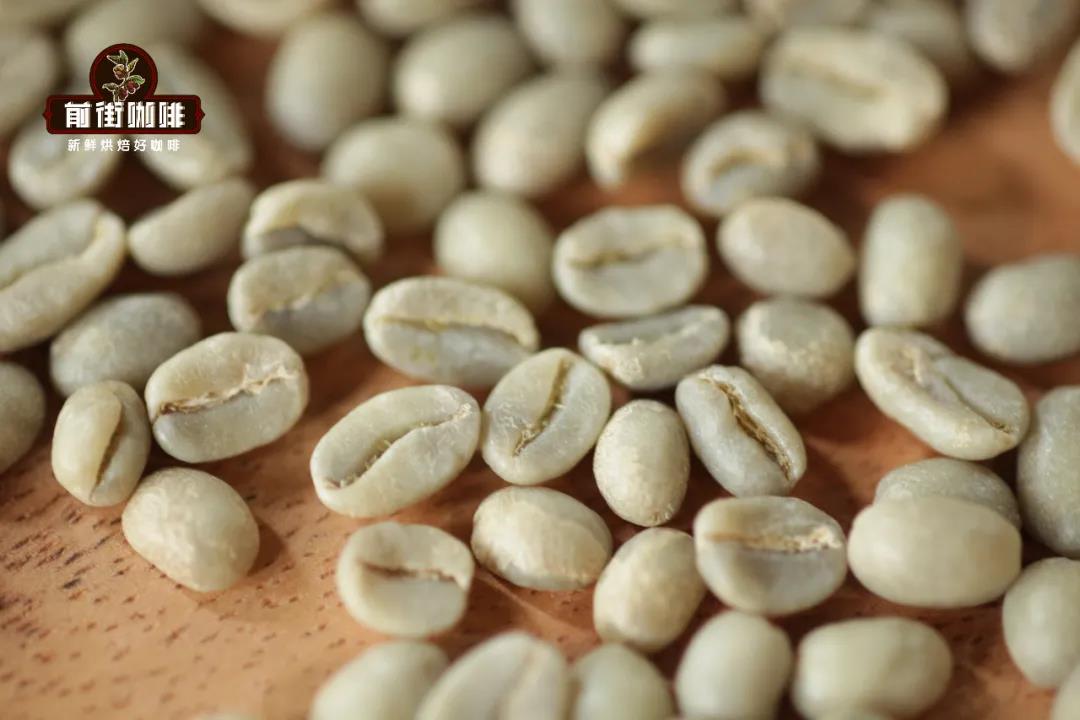
Chlorogenic acid also tells you whether the coffee trees were cultivated sensibly. Beans grown in good conditions, at high altitude, and under sound farm management carry far less of it. This is exactly why Robusta tends to taste worse than Arabica: Robusta simply contains more chlorogenic acid.
Green Beans That Are Too Fresh, So Roasting Fails to Dehydrate Them Fully
Freshly harvested green coffee holds about 13% moisture. During roasting, that moisture governs how heat travels through the bean. The fresher the green coffee, the higher its water content, and the more likely the roast will fail to dehydrate it evenly.
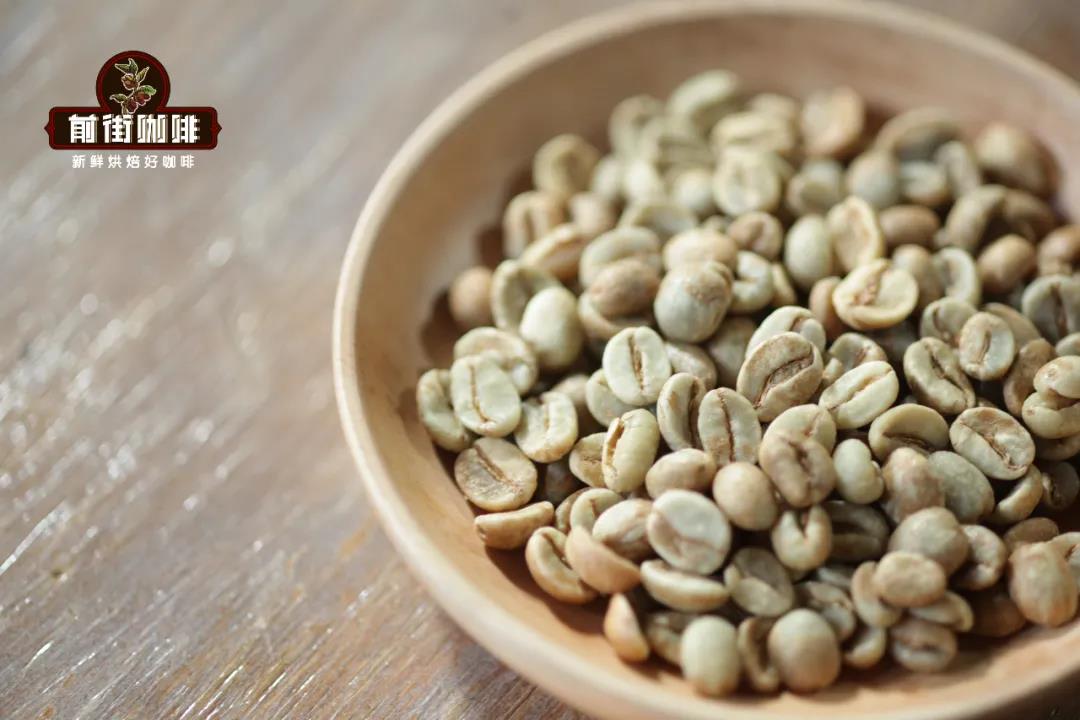
Beans with a high water content tend to cook on the surface while the core stays under-developed. On the cupping table they taste herbaceous, with a green, astringent, and sharp edge. To avoid this, FrontStreet Coffee extends the dehydration phase when roasting new-crop coffee so that the surface and the core heat through evenly.
Too Many Defective Beans Going Into the Roast
Defects cause uneven development or uneven dehydration during roasting. Even a few defective beans can throw off bad flavors that spread through an entire batch. Underdeveloped beans develop a roasted melon-seed taste and leave the coffee salty and astringent; contaminated, fermented beans give off a sour, rotten smell as they roast; moldy beans release a musty odor in the drum.
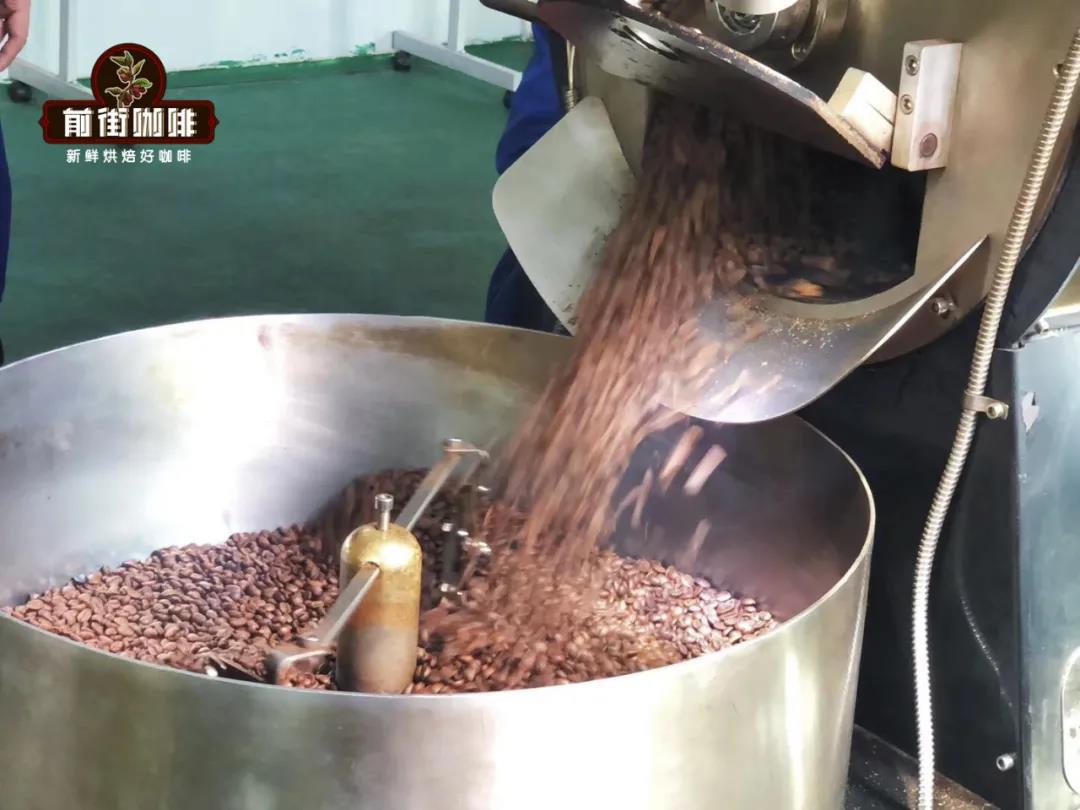
To head off all of this, FrontStreet Coffee sorts green coffee before roasting and sorts the roasted beans again before packaging.
Brewing Parameters and Technique
If none of the problems above apply, astringency usually comes down to two things: under-extraction and over-extraction.
Under-extraction typically results from coffee ground too coarsely, which shortens the extraction; brewing water that is too cool, which pulls out only the acids; or uneven water distribution during the bloom and the pour, leaving some grounds under-extracted while others over-extract. Under-extracted coffee tastes sharply sour with an astringent edge.
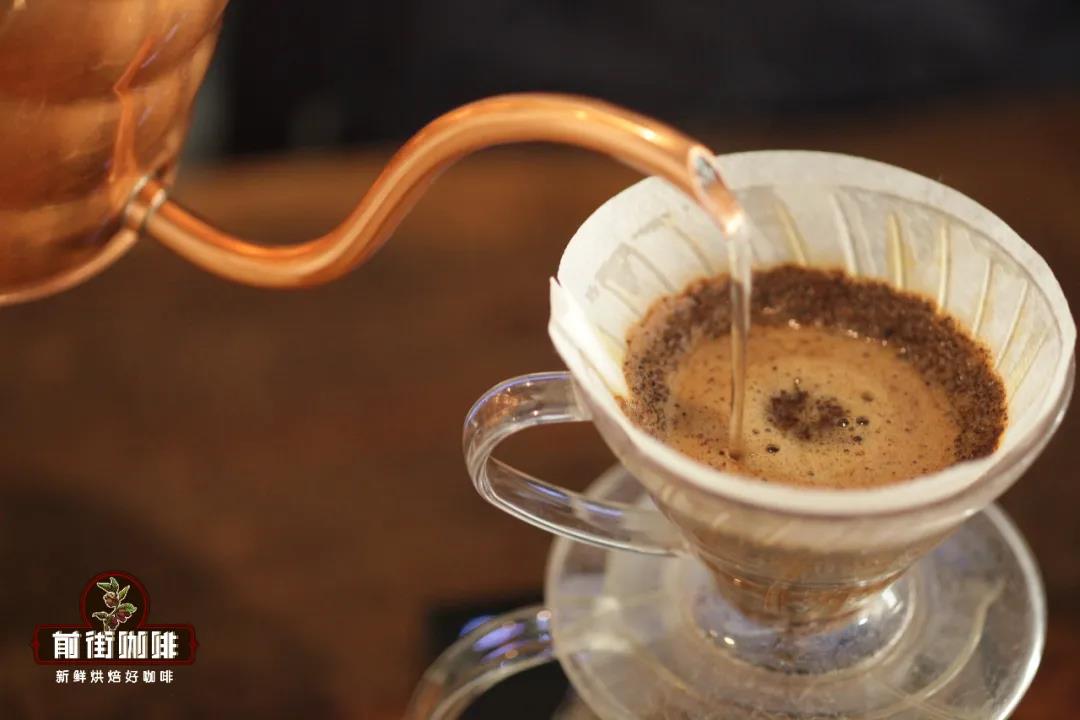
Over-extraction typically results from coffee ground too finely, which lengthens the extraction; water that is too hot, which releases the pleasant compounds first and then drags out woody, fibrous flavors; or a pour that is too rough, churning the bed and over-extracting it. Over-extracted coffee finishes heavily bitter, astringent, and off-flavored.
Is the "Tea Sensation" in Coffee the Same as Astringency?
Tea sensation is not astringency. The confusion comes from assuming that bitterness and astringency are normal in tea. In fact, tea turns astringent because the water is too hot or the brewing method is off, though poor leaf quality can certainly be to blame as well. When FrontStreet Coffee cups Esmeralda washed Geisha Green Label, the Tieguanyin-like sensation comes from the long, lingering sweetness of the finish, which closely resembles Tieguanyin's aftertaste and stays on the palate for a long time.
For more specialty coffee beans, add FrontStreet Coffee on private WeChat, ID: kaixinguoguo0925.
FrontStreet Coffee Recommendation
If astringency is your problem, start with a bean whose roast development is clean and even. FrontStreet Coffee's Ethiopia Yirgacheffe Gidding is a natural first stop for anyone entering specialty coffee: bright citrus, berry, and floral notes with a green-tea-like sweetness. Unlike the "sour coffee" many people imagine, a good Yirgacheffe is soft and bright, closer to the natural sweet-sour balance of fruit than to anything sharp.
For a cleaner, more structured cup, FrontStreet Coffee's Kenya Little Tomato is a washed Kenyan single origin from the Thika region, grown at 1,550–1,750 meters from the classic SL28 and SL34 varieties and given Kenya's signature 72-hour double washed fermentation. The dry aroma already shows dried cherry tomato and florals; the cup opens with clear tomato and dark plum, a bright and solid acidity, and a juicy mid-palate of pear and black plum. The finish is clean and long, with yellow sugar sweetness and a hint of green tea—an excellent test of whether your extraction is running too far and pulling out astringency.
Important Notice :
FrontStreet Coffee is a long-established specialty coffee roaster in Guangzhou China, selling freshly roasted beans from its own farm in Yunnan as well as dozens of carefully selected single-origin beans from around the world for both pour-over and espresso. The products deliver consistently excellent quality and great value, with shipping within 24 hours. Guangzhou's FrontStreet Coffee shop is recommended by many coffee lovers, and the beans are now available online at the Tmall 。
FrontStreet Coffee has moved to a new address:
FrontStreet Coffee Address: 315,Donghua East Road,GuangZhou
Tel:020 38364473
 Scan and follow the En Gafei WeChat official account. Please indicate that the reprint comes from "En Gafei".