Coffee Leaf Rust May Be Suppressed: EPA Approves Emergency Use of Fungicide for KONA Coffee
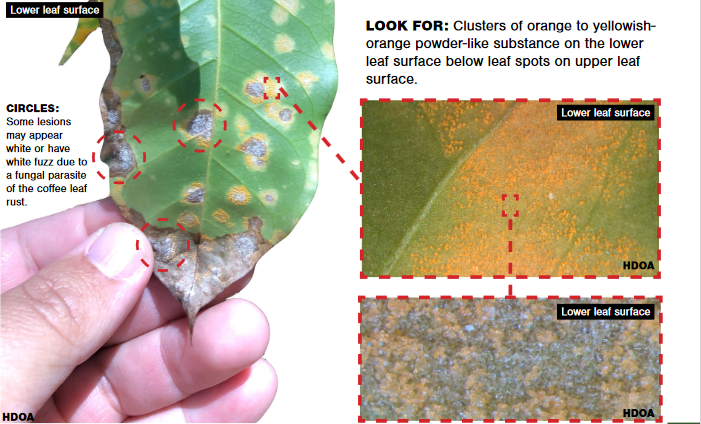
Coffee leaf rust was first identified at least 150 years ago, and eight months had passed since it was first detected on the Hawaiian island of Maui in October 2020. Shortly afterward, in November 2020, traces of the disease turned up on the Big Island of Hawaii — home to the state's large commercial coffee plantations, including the famous Kona growing region.
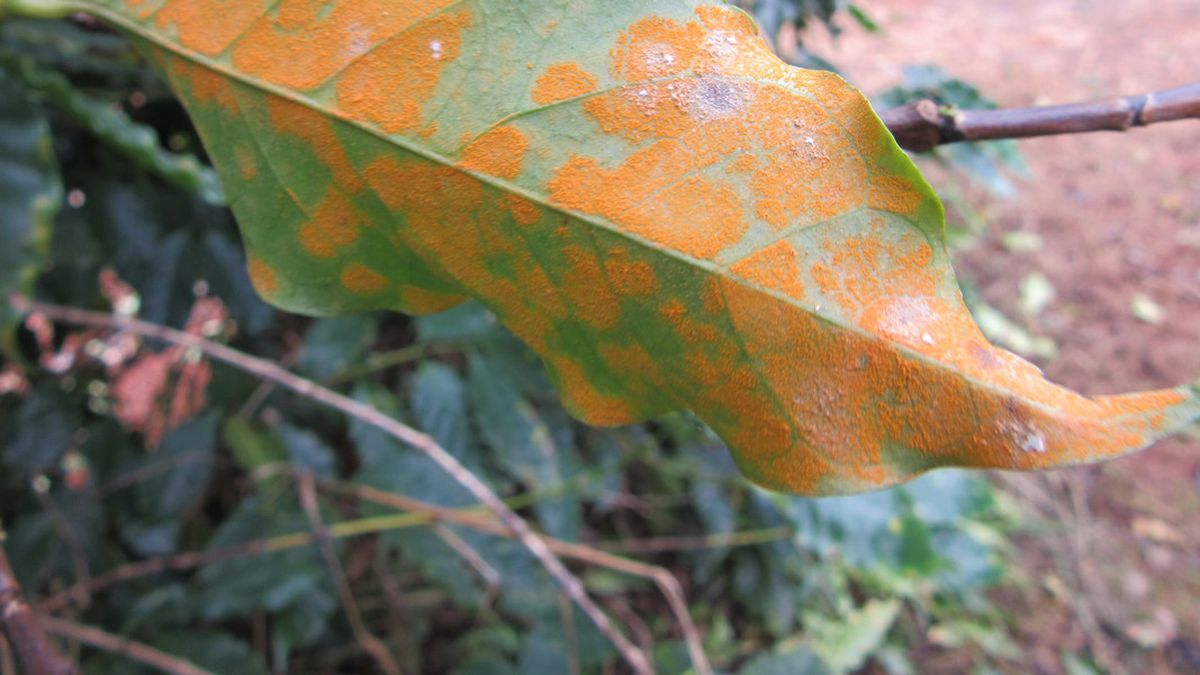
As early as 2012, coffee leaf rust began sweeping across the American continent, rapidly destroying vast swathes of coffee. Between 2012 and 2017 alone, the disease cost coffee growers throughout Latin America an estimated $3 billion.
Hawaii now faces a similar threat. According to Hawaii Coffee Association estimates, the 2019-2020 season alone produced green coffee worth approximately $102 million, with roasted coffee adding a market value of around $148 million.
In March 2021, the Hawaii Department of Agriculture (HDOA) submitted an exemption application to the U.S. Environmental Protection Agency (EPA) for emergency use of a chemical fungicide. On May 20, 2021, Hawaii time, the EPA granted that emergency approval.
The approved product is Priaxor Xemium, sold by a German multinational chemical company, with fluxapyroxad as its active ingredient. Although HDOA noted that the fungicide is already common on leafy vegetables, strawberries, tomatoes, soybeans, wheat, and other crops, the EPA had never before approved its use on coffee.
Unless the fungicide is later granted permanent registration for coffee crops, Hawaii's growers will be permitted to use it for only one year under this emergency approval.
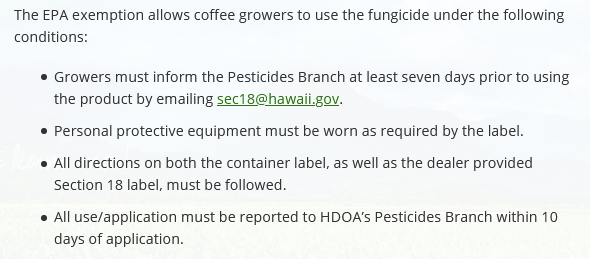
Emergency Exemption Requirements
Under the emergency exemption, coffee growers must:
- Notify the state pesticide department at least 7 days in advance before applying Priaxor Xemium.
- Wear personal protective equipment as required by the label.
- Follow all instructions on the container label and on the Section 18 labels provided by distributors.
- Report all application information to the pesticide department within 10 days of use.
FrontStreet Coffee Recommendation
While farmers fight leaf rust in the fields, the rest of us can support great coffee closer to home. If you prefer a cup that leans balanced rather than bright, FrontStreet Coffee's medium-roast lineup is a great place to start: their Brazil Queen Estate (yellow Bourbon, medium roast) shows creamed peanuts, chocolate, toast, and sugarcane sweetness with low acidity and low bitterness, and works equally well as pour-over, moka pot, or espresso.
For a medium roast with more fruit character, FrontStreet's "Strawberry Candy" blend pairs Costa Rica honey-processed coffee with Panamanian washed Geisha, roasted medium to bring out orange-blossom sweetness and a rounded, juicy body — equally at home in a cold brew, pour-over, or espresso machine.
Important Notice :
FrontStreet Coffee is a long-established specialty coffee roaster in Guangzhou China, selling freshly roasted beans from its own farm in Yunnan as well as dozens of carefully selected single-origin beans from around the world for both pour-over and espresso. The products deliver consistently excellent quality and great value, with shipping within 24 hours. Guangzhou's FrontStreet Coffee shop is recommended by many coffee lovers, and the beans are now available online at the Tmall 。
FrontStreet Coffee has moved to a new address:
FrontStreet Coffee Address: 315,Donghua East Road,GuangZhou
Tel:020 38364473
 Scan and follow the En Gafei WeChat official account. Please indicate that the reprint comes from "En Gafei".