What Do Coffee Beans Actually Taste Like? How to Distinguish Coffee Flavor, Aroma, and Taste?
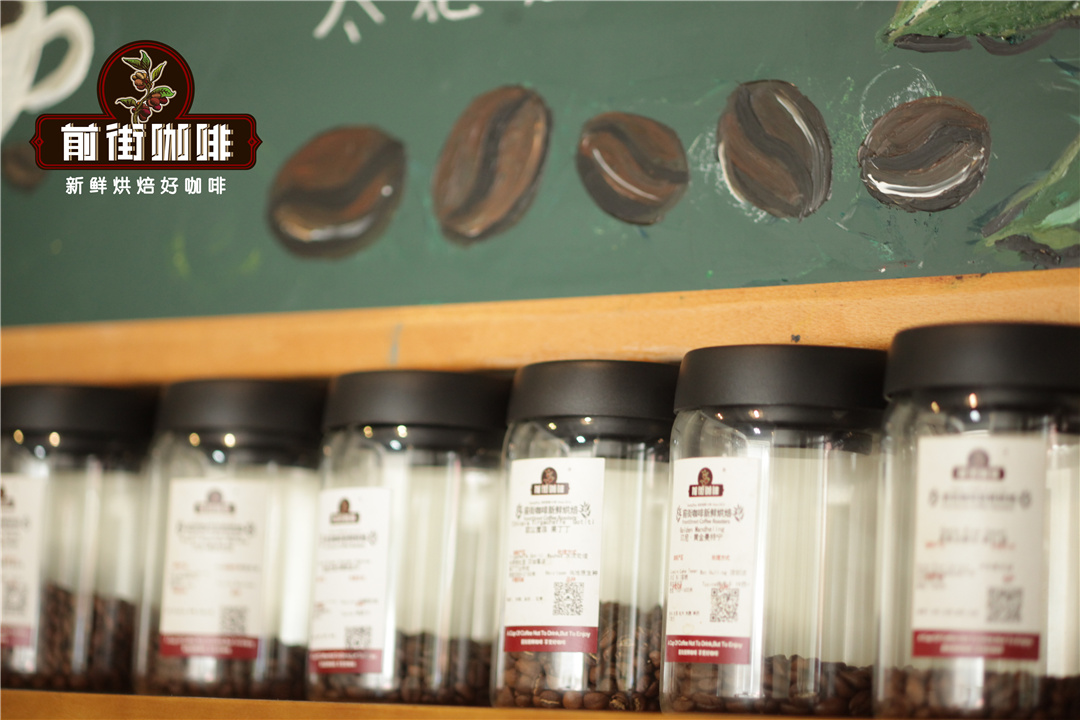
Look at any coffee bag and you will typically find the coffee's name, its origin and processing details, and a brewing flavor profile. At FrontStreet Coffee, for example, the Red Cherry from the Yirgacheffe region offers notes of berries, strawberry, lemon, and fermented wine aroma, while the washed blue-label Geisha from Hacienda La Esperanza presents floral and tea-like notes. All of this helps us build a full picture of a coffee before we ever brew it.
So what does coffee actually taste like, and why do we encounter such varied, shifting flavors across brewing and cupping? Beyond taste there is also aroma, and understanding how flavor, taste, and aroma relate gives us a simple framework for how coffee flavor is created.
The equation sounds simple, but combine the five basic tastes humans perceive, sweet, sour, salty, bitter, and umami, with the many possible aromas, and the number of distinct coffee flavors becomes virtually limitless!
Coffee's Bitterness
Many people assume coffee's bitterness comes from caffeine. In reality, coffee's aroma and flavor are created during roasting. As green beans roast, they gradually release moisture, lose weight, darken in color, expand in volume, and slowly release aromatic oils. The high-temperature process caramelizes the starches inside the bean, bringing out sweetness and body. Light, medium, or dark, caramelization is unavoidable in every roast; only the degree of heat and duration differ, producing different expressions of sweetness. Push the temperature too high or roast too long and the caramelization burns, turning to bitterness, a phenomenon known as carbonization. It is just like sugar stuck to the bottom of a pan: excessive heat transforms sweetness into acrid burnt bitterness.
Coffee's Acidity
Beginners tasting coffee acidity do not need to memorize the names of specific acids; what matters is learning to tell uncomfortable, irritating, sharp, dead acidity apart from refreshing, pleasant acidity. Acidity is one of the core descriptors in a coffee's flavor profile: when a coffee's acidity is high-quality, the aftertaste is crisp, refreshing, and pleasant; when acidity is lacking, the finish falls flat.
Because acidity is so often misunderstood, we describe it with words like "bright" and "vibrant." Coffee acidity falls into two broad camps: "bright, lively, moderate fruit acidity" and "sharp, over-fermented fruit acidity." The former is high-quality acidity; the latter is a defect.
Coffee's Aroma
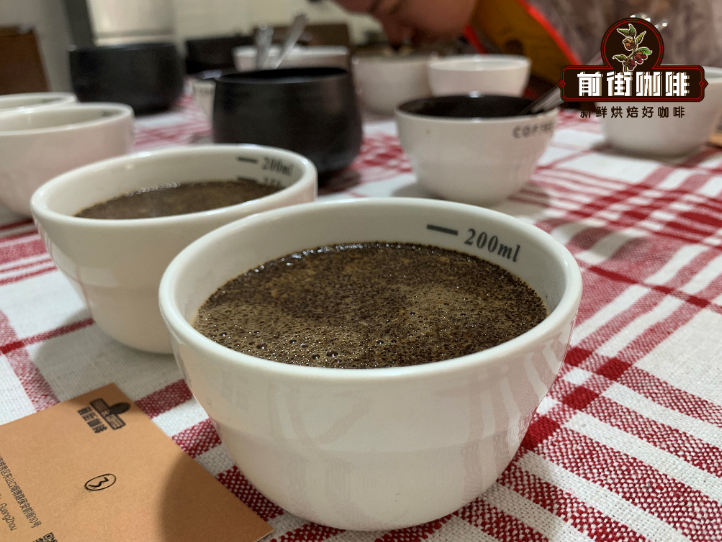
Aroma is the fragrance released once brewing is complete. Coffee aroma descriptions include caramel, fruit, florals, richness, spice, and more.
Unpleasant aromas arise from bean defects, faulty roasting, or a botched final brew, while normal aromas, wet or dry, are what we actively perceive. Coffee aromas fall roughly into these categories:
1. Fruity: lemon, orange, plum, peach, asparagus, grape, prune
2. Floral: rose, wild ginger, jasmine, violet, mint leaf
3. Sugary: honey, brown sugar, caramel, sweet potato
4. Spices: cinnamon, ginger, cardamom, cocoa
5. Woody: pine, cypress, cedar, sandalwood, forest floor
6. Special aromas: wine fermentation, musk, cream, leather
Coffee's Overall Flavor
Taste is the coffee's flavor as it sits in the mouth, chocolate or caramel, for instance. When describing a coffee, start with its acidity, then move on to aroma.
Coffee's Sweetness
Coffee's inherent sugar content is quite limited, and the sweetness we perceive is generally detected the moment the coffee enters the mouth. People who rarely drink coffee, or who lack tasting experience, tend to pick up bitterness, sourness, and saltiness first, while sweetness often goes unnoticed. As tasting experience accumulates and the palate sharpens, the intensity of sweetness begins to reveal itself naturally.
FrontStreet Coffee Recommendation
Few coffees illustrate flavor, taste, and aroma as clearly as those from Yirgacheffe, a small town in Ethiopia's Sidamo province sitting at roughly 1700 to 2100 meters, with coffee trees planted above 1800 meters, among the highest coffee elevations in the world. The region was once wetland (its name means so in the old tongue), and its instantly recognizable white florals and lemon-citrus acidity have made it a byword for Ethiopian specialty coffee. In 2010, Yirgacheffe's fame grew so great that the Ethiopian Commodity Exchange formally split it from the Sidamo appellation.
Newcomers to Ethiopian coffee should start with the classic FrontStreet washed Yirgacheffe: white jasmine, bright citrus and lemon acidity, and a tea-like finish, at a wallet-friendly price, the first bean for many specialty coffee drinkers.
For a step up, try the FrontStreet Guodingding Cooperative. Yirgacheffe is actually a patchwork of small districts and villages, several home to seasoned cooperatives whose refined processing yields an extra layer of quality. The Guodingding Cooperative sits in the Worka area at Yirgacheffe's southeastern end, once part of the Yirgacheffe Union (YCFCU)'s Worka cooperative and later championed worldwide as traceable single-origin lots. Using the most traditional washed processing, it shows none of the classic bitterness, instead fresh, bright citrus and lemon acidity plus jasmine fragrance that wins people over at first sip.
The FrontStreet Natural Red Cherry shows the other side of the region: only fully ripe, defect-free cherries are picked, screened again at the washing station, then laid out on raised beds to dry, turned every 2 to 3 hours during the first days to prevent uneven heating and over-fermentation. After 3 to 5 weeks of sun, the outer pulp is scraped off by machine depending on weather and temperature, and the beans are moved to warehouse storage. Because the fruit dries on the bean, the cup keeps classic Yirgacheffe character while gaining tropical fruit, citrus acidity, juicy berries, honeyed sweetness, and creamy smoothness.
Brewing suggestions: use a V60 at 90 to 91 degrees, 15g of coffee at a 1:15 ratio, ground to an EK43s setting of 10 / fine granulated sugar (80% pass through a #20 sieve). Pour 30g of water for a 30-second bloom, then pour 95g (scale reads about 125g), finishing within about 1 minute; when the water drops to two-thirds of the bed, add the remaining 100g (scale reads about 225g), finishing at about 1 minute 35 seconds. Drawdown completes at 2:00 to 2:10, lift off the dripper and the extraction is done.
Important Notice :
FrontStreet Coffee is a long-established specialty coffee roaster in Guangzhou China, selling freshly roasted beans from its own farm in Yunnan as well as dozens of carefully selected single-origin beans from around the world for both pour-over and espresso. The products deliver consistently excellent quality and great value, with shipping within 24 hours. Guangzhou's FrontStreet Coffee shop is recommended by many coffee lovers, and the beans are now available online at the Tmall 。
FrontStreet Coffee has moved to a new address:
FrontStreet Coffee Address: 315,Donghua East Road,GuangZhou
Tel:020 38364473
 Scan and follow the En Gafei WeChat official account. Please indicate that the reprint comes from "En Gafei".