Why Does Coffee Taste Sweet? Where Does the Sweetness of Specialty Coffee Beans Come From?
The Sweetness of Coffee: Understanding Sugar in Coffee Beans
When most people think of coffee, bitterness is the flavor that comes to mind — without milk or sugar, it can seem hard to swallow. Yet sweetness is actually one of coffee's inherent flavors. Browse any coffee bean listing and you'll constantly see sweet descriptors like honey, sucrose, and caramel in the tasting notes.
So where does the sweetness in coffee come from? FrontStreet Coffee starts with the sugars themselves.
What Are Carbohydrates?
Carbohydrates — that is, sugars — fall into monosaccharides, disaccharides, and polysaccharides, and together they account for roughly 50% of the weight of a green coffee bean.
Monosaccharides are the structurally simplest sugars: soluble in water and sweet-tasting. Glucose, fructose, mannose, arabinose, and galactose are all monosaccharides.
Disaccharides form when two monosaccharide molecules join with the loss of water. They are water-soluble and sweet. Sucrose, lactose, and maltose are all disaccharides.
Polysaccharides are polymers of ten or more monosaccharide molecules. They are insoluble in water and tasteless, and they make up the main component of the cellulose structure in coffee beans.
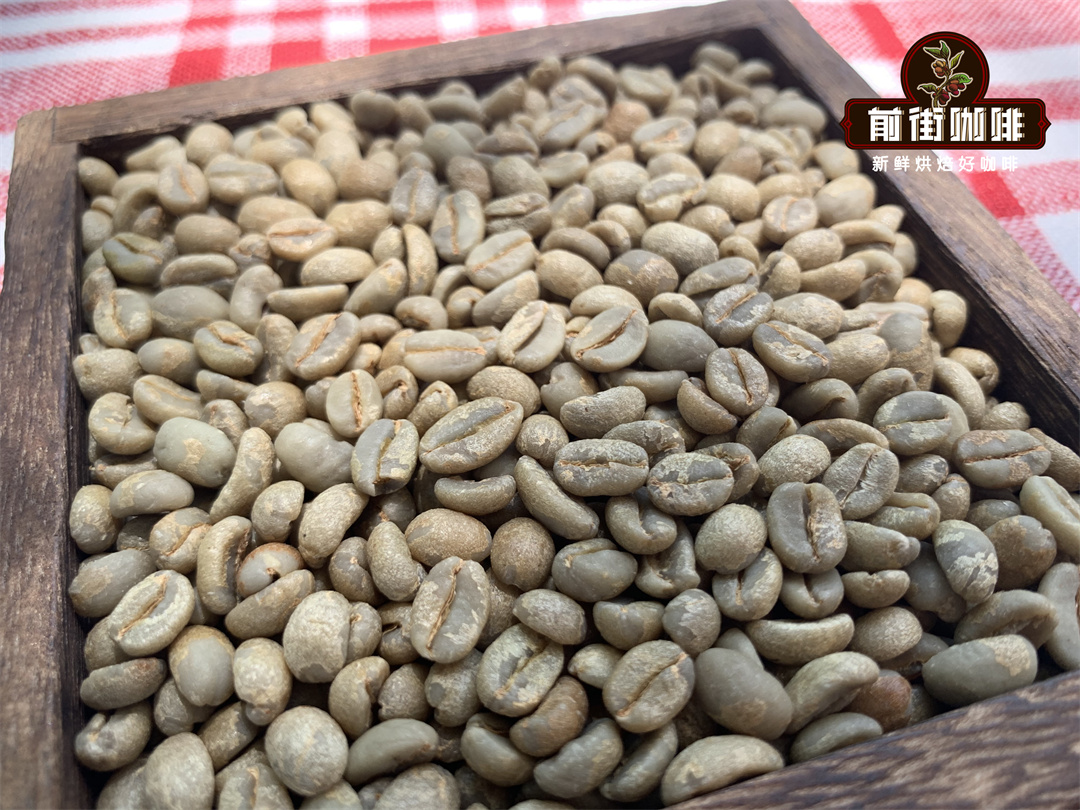
What Affects the Sweetness of Coffee Beans?
Coffee Variety
Start by comparing the sugar composition of Arabica and Robusta green beans:
| Arabica (Green Beans) | Robusta (Green Beans) | |
|---|---|---|
| Polysaccharides | 43%-45% | 46.9%-48.3% |
| Monosaccharides | 0.2%-0.5% | 0.2%-0.5% |
| Disaccharides (Sucrose) | 6%-9% | 3%-5% |
The figures show that polysaccharide and monosaccharide levels are largely similar between the two species. The decisive difference is sucrose: the higher the sucrose content, the better the coffee tastes — which is a big part of why Arabica cups so much better than Robusta.
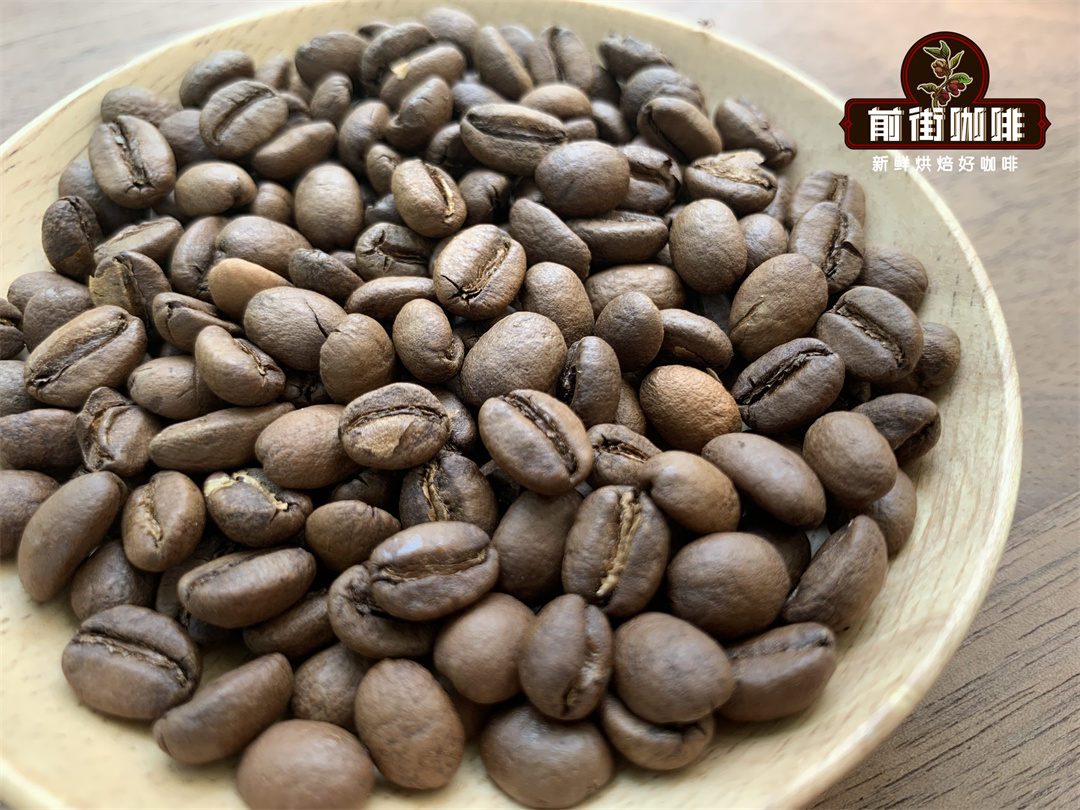
Cherry ripeness matters too. As coffee fruit ripens, the sucrose content of the pulp and pectin rises, and during drying those sugars migrate into the seed — the bean itself.
Growing Altitude
The higher the growing altitude, the greater the day–night temperature swing and the slower the fruit matures. Warm daytime sun helps the cherries build sugars, while cold nights slow the plants' respiration and reduce sugar consumption. The bigger the swing, the more time the fruit has to accumulate sugar — which is why high-grown coffee beans tend to taste sweeter.
Processing Method
Processing shapes sweetness as well. Take washed and natural coffees as examples. In the washed process, the pulp is removed and the beans ferment in water so the pectin strips away. Soaking reactivates the embryo inside the bean, which begins consuming the sugars stored there while amino acid levels rise. That's why washed coffee shows brighter acidity and a cleaner taste.
Naturally processed beans dry with the pulp, fruit, and pectin intact. As the fruit dries, its moisture drops, the embryo stays dormant, and the sugars in the pulp and pectin slowly migrate into the bean. That's why natural coffee tastes sweeter and fuller-bodied.
FrontStreet Coffee Recommendation
Nearly every specialty coffee on the shelf is Arabica — one of the three great original species of coffee, alongside Robusta and Liberica. Arabica offers the most complex, purest flavors and develops a distinct character in each growing region, which is why so many single-origin Arabica coffees are worth exploring.
If sweetness is what you're chasing, FrontStreet's Ethiopia Guji Hambella natural (Hua Kui/Flower QUEEN) is a standout: a natural-processed Ethiopian heirloom lot with lush strawberry, mango, jackfruit, citrus, and blueberry aromatics — the same ripe tropical-fruit character that won its competition first place in the TOH green bean contest. FrontStreet Yirgacheffe Guodingding is the washed counterpart: a G1-grade lot showing clean lemon and citrus tones with elegant white florals. For something entirely different, FrontStreet Jamaica Blue Mountain No.1 — a Typica lot transplanted to the Blue Mountains from Martinique in the 1820s — offers a balanced, gentle sweetness that, in our cuppings, no other origin has matched. And FrontStreet Brazil Queen Estate Yellow Bourbon, a rare mutation of Red Bourbon first identified in Brazil, delivers cream, peanut, toasted bread, and sugarcane sweetness suitable for pour-over, moka pot, or espresso.
Important Notice :
FrontStreet Coffee is a long-established specialty coffee roaster in Guangzhou China, selling freshly roasted beans from its own farm in Yunnan as well as dozens of carefully selected single-origin beans from around the world for both pour-over and espresso. The products deliver consistently excellent quality and great value, with shipping within 24 hours. Guangzhou's FrontStreet Coffee shop is recommended by many coffee lovers, and the beans are now available online at the Tmall 。
FrontStreet Coffee has moved to a new address:
FrontStreet Coffee Address: 315,Donghua East Road,GuangZhou
Tel:020 38364473
 Scan and follow the En Gafei WeChat official account. Please indicate that the reprint comes from "En Gafei".