Coffee Varieties Overview What are the main coffee varieties?
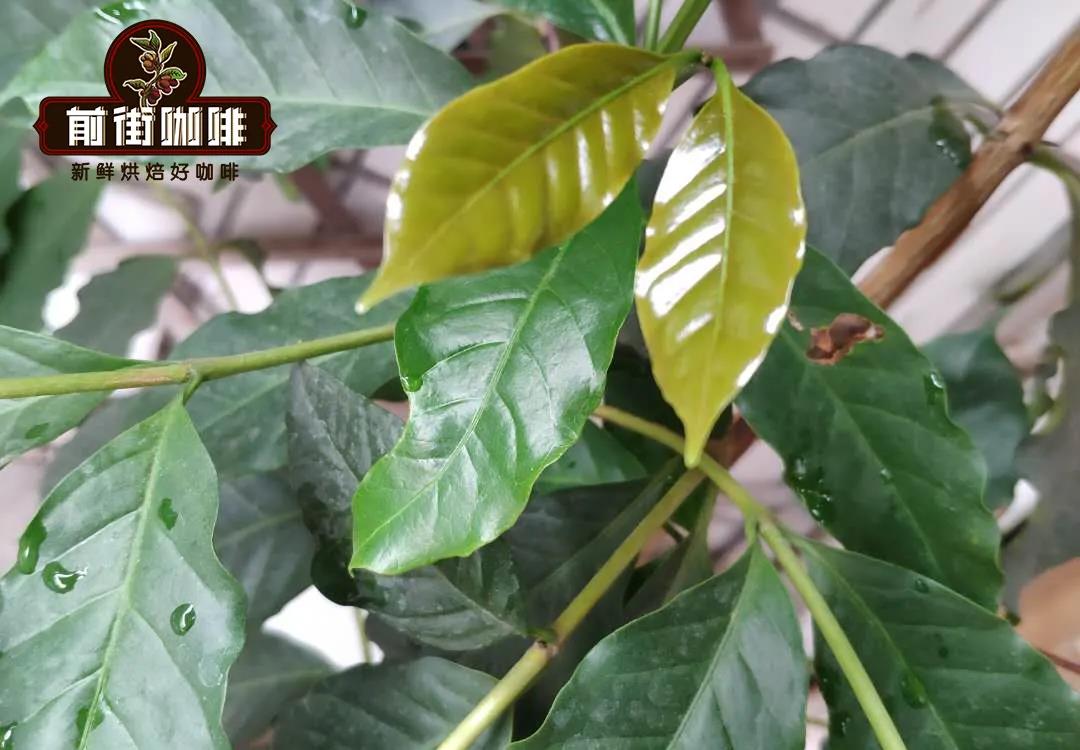
Coffee tree varieties can be described as all-encompassing, so numerous and diverse in flavor that they are breathtaking. However, not many are cultivated for coffee consumption.
Native to Africa, coffee trees hold many secrets. Let FrontStreet Coffee explore them together.
In botanical taxonomy, coffee belongs to the Rubiaceae family, with at least one hundred coffee species beneath it. About eighty coffee tree varieties have been confirmed, of which three are cultivated for coffee consumption: Arabica, Robusta, and Liberica.
Characteristics of the Three Major Coffee Species
So what are the characteristics of these three major coffee species?
Generally, Arabica is mainly used for single-origin or specialty coffee, while Robusta is used to make instant coffee. Although Arabica is often defined as premium coffee and Robusta as secondary, it doesn't have to be classified this way; it is more appropriate to distinguish them by personal taste preferences. In terms of flavor preferences, the United States and Japan more commonly drink light coffee brewed from Arabica, while Europe prefers espresso made from a blend of Arabica and Robusta.
Arabica: Premium Coffee Beans with Excellent Flavor and Aroma
Arabica is a representative variety native to Ethiopia and is also produced in South Africa, other African countries, and Asian nations, accounting for 70%-75% of the world's coffee production. Arabica has weaker resistance to pests and diseases, making highland areas more suitable for cultivation. Arabica coffee beans grown at elevations above 1500 meters produce the best quality.
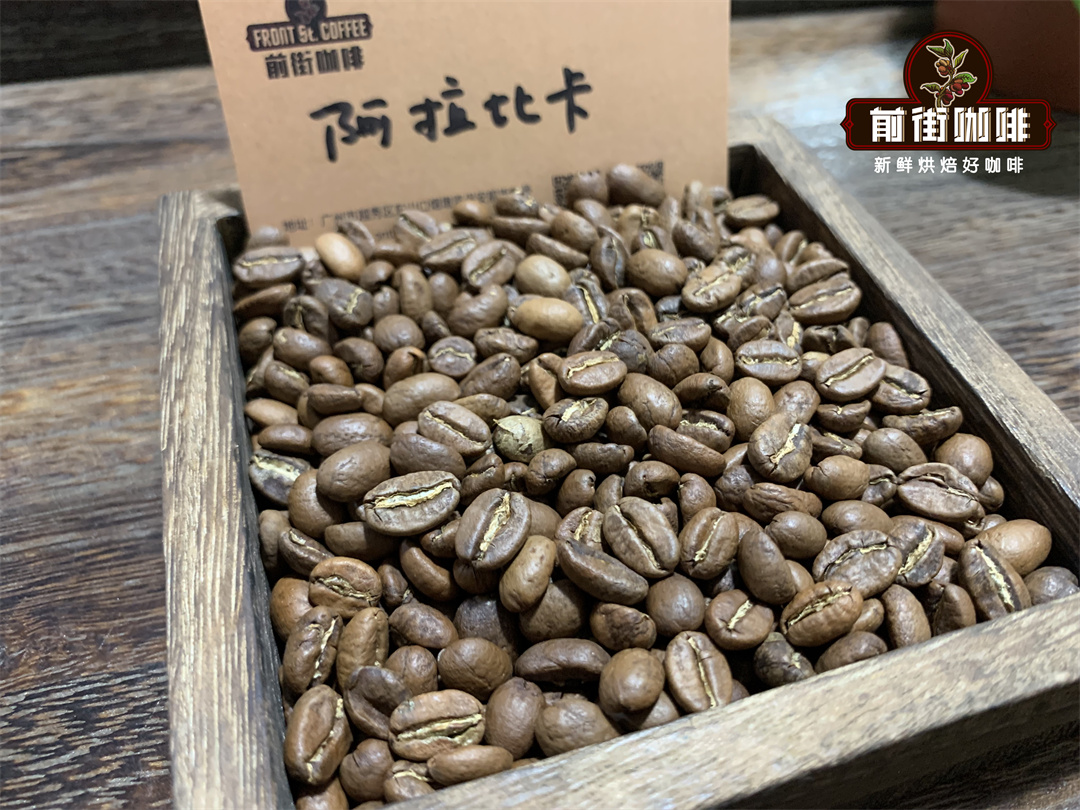
Such carefully produced high-quality beans, with balanced flavor, mouthfeel, and aroma, can be certified as premium coffee beans, mainly used for single-origin or specialty coffee. The three famous coffee beans - Hawaiian Kona, Jamaican Blue Mountain, and Yemen Mocha - belong to the Arabica variety. Arabica green beans have a dark, narrow appearance and are hailed as the highest quality highland-grown Arabica variety, characterized by rich flavors of sweetness, acidity, and aroma.
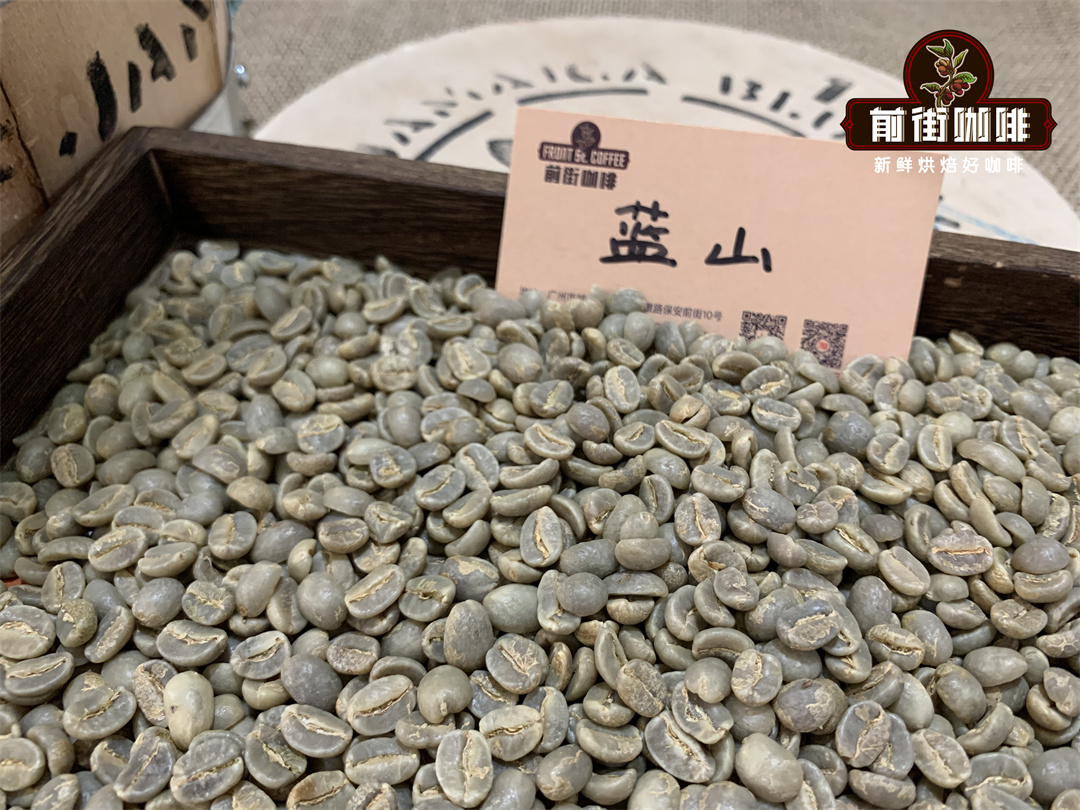
In terms of flavor, Arabica coffee beans are considered the best-flavored beans and have been used in the specialty coffee consumer market since the concept of specialty coffee emerged. The Typica subspecies of Arabica possesses high-quality acidity, scores very high in cupping, and carries excellent genes as the most ancient coffee variety. The Geisha variety, now known to everyone in the specialty coffee market, conquers coffee lovers' taste buds with its fresh floral aroma and comfortable acidity.
Robusta: Strong Acidity and Rich Mouthfeel
Robusta originates from the Congo in Africa and accounts for 30% of the world's coffee production. The word "Robusta" means "robust," and indeed this coffee tree not only has strong resistance to pests and diseases but can also survive in any soil and even grow in the wild. It can therefore be cultivated in high-temperature areas, grows quickly, and is easy to farm, offering the advantage of a low price. It is mainly used for blending or as the main ingredient for instant coffee. Some Robusta produced in India, Africa, and Brazil has strong acidity, high caffeine content, and a richer mouthfeel.
Compared to Arabica, Robusta has higher caffeine, amino acid, and chlorogenic acid content. Chlorogenic acid is the source of bitterness, so Robusta naturally lacks the ethereal aromatic flavor unique to Arabica beans. Instead, it offers a mellower, deeper mouthfeel, richer coffee oils, and flavors of walnut, peanut, hazelnut, wheat, grains, and even pungent earthy notes. Thanks to Robusta's abundant caffeine, it is generally used as raw material for instant coffee. Some espresso blends also add appropriate amounts of Robusta coffee beans to express rich, heavy coffee oils. Recently, there is also the Arabusta variety, a hybrid of Arabica that offers superior taste and aroma.
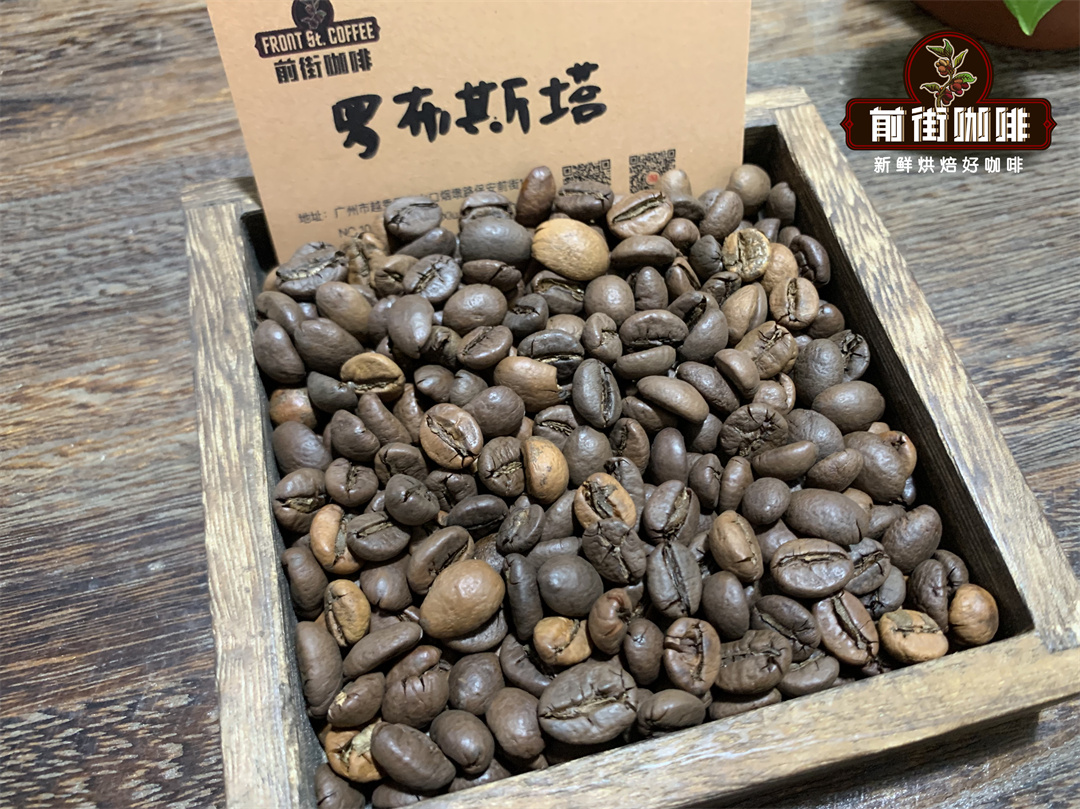
Robusta has a plump oval appearance, with green beans having a light brown or yellowish-brown color with grass-green and yellow luster. Compared to Arabica varieties, it has a more fragrant and lighter taste, characterized by less noticeable acidity and heavier bitterness.
Liberica: Rich Nutty, Dark Chocolate Notes and Smoky Aroma
Liberica is also known for its intense smoky character that some find difficult to accept. Some even describe it as liquid tobacco, because the strong smoky flavor and aroma it produces resemble those of the actual tobacco plant. Filipinos even call this coffee "Kape Barako," which can be understood as "manly coffee" or "strong man's coffee."
Among these three coffee varieties, Liberica has the lowest caffeine content. Robusta has the highest, containing 2.26 grams of caffeine per 100 grams of beans. Arabica follows with 1.61 grams of caffeine per 100 grams of beans. Liberica contains only 1.23 grams of caffeine per 100 grams of beans. Liberica is also often used as a raw material for instant coffee. In the Philippines, "Kape Barako" has become a must-have morning coffee for the older generation. In Malaysia, Liberica coffee beans are made into a local specialty - white coffee.
FrontStreet Coffee Recommendation
Every coffee on FrontStreet's single-origin list is an Arabica variety, and Ethiopia, Arabica's birthplace, offers the widest genetic diversity of all. FrontStreet's washed Yirgacheffe is the classic entry point, with jasmine florals and bright citrus acidity, while the Gedeb Gedeb cooperative coffee shows traditional washed citrus, lemon, and white florals. For something fruitier, the sun-dried Red Cherry brings peach, cocoa, honey, and lemon, and the sun-dried Huakui from Hambella in Guji adds florals, citrus, and mango.
Important Notice :
FrontStreet Coffee is a long-established specialty coffee roaster in Guangzhou China, selling freshly roasted beans from its own farm in Yunnan as well as dozens of carefully selected single-origin beans from around the world for both pour-over and espresso. The products deliver consistently excellent quality and great value, with shipping within 24 hours. Guangzhou's FrontStreet Coffee shop is recommended by many coffee lovers, and the beans are now available online at the Tmall 。
FrontStreet Coffee has moved to a new address:
FrontStreet Coffee Address: 315,Donghua East Road,GuangZhou
Tel:020 38364473
 Scan and follow the En Gafei WeChat official account. Please indicate that the reprint comes from "En Gafei".