Is SOE Coffee Good and What Are Its Characteristics? Why Are SOE Espresso Beans Light Roasted and How to Make Them?

Passing by a coffee shop, you might notice a line under the espresso menu: [Add SOE for an additional 3 yuan]. What exactly is SOE, and does it actually make the coffee taste better? In this Barista Training installment, we dig into what SOE is all about.

What Is SOE?
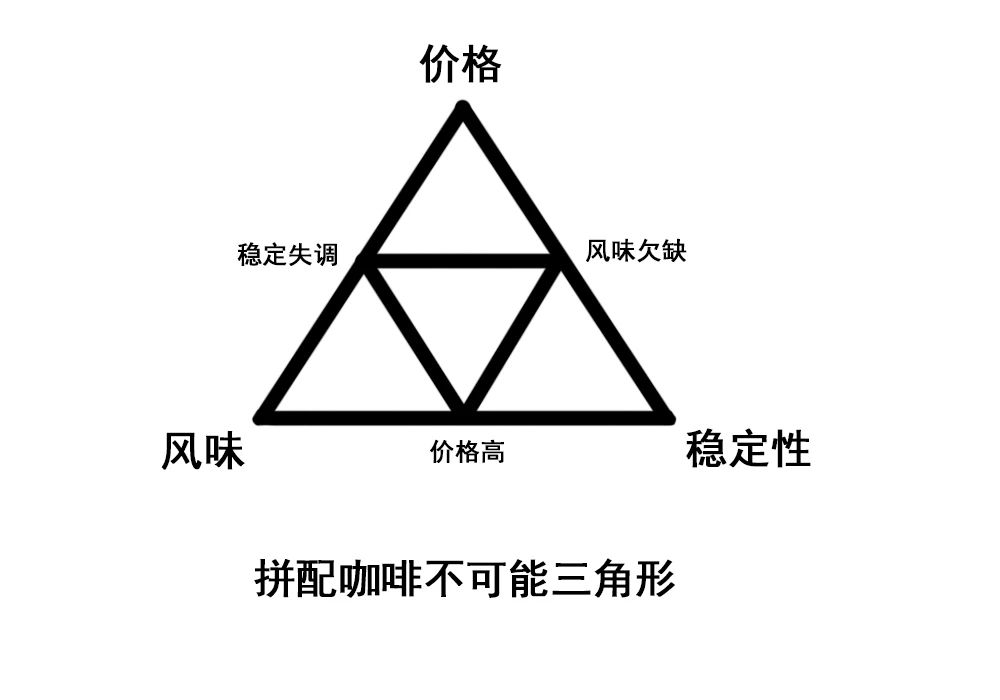
SOE stands for "Single Origin Espresso", espresso made from one single-origin coffee. The point is to spotlight the flavors of a specific origin by pulling espresso from a single bean rather than a blend. The counterpart is the espresso blend. FrontStreet Coffee has emphasized many times that blends strike a balance between flavor, consistency, and price: if you want both flavor and consistency, the price goes up; if you prioritize price and stability, flavor is what gets sacrificed.
SOE is a different animal, and its background matters. It has only become popular in recent years. Single-origin beans already express all kinds of regional character in pour-over brewing, and with today's fast-moving media, the practice of using single-origin beans at world barista competitions has spread widely. Putting single-origin coffee into espresso machines simply became the trend that followed.
Is SOE Necessarily Specialty Coffee?
This question amounts to asking: are all single-origin coffees specialty coffees? Not entirely. When the specialty coffee concept was introduced in the 1970s and 1980s, the priority was volume. Beans were collected and processed centrally in producing areas and exported by the country for foreign exchange. Imagine beans of wildly uneven quality mixed together, you would be lucky to escape obvious negative flavors.

Back then, Erna Knutsen proposed that specialty coffee is "coffee cultivated in the unique microclimates and geography of a producing region, possessing regional flavors." The essential point: good coffee should be separated from bulk commodity coffee rather than mixed into it, distinguished from the bulk commercial grade traded on the New York Futures Exchange.
Specialty coffee beans therefore require good varieties, good environments, and careful cultivation to yield high-quality, flavorful coffee. "Single origin" merely means beans from a single producing region with regional character, it sets no quality bar. FrontStreet Coffee's Indonesian Lintong Mandheling G2, for example, is a single-origin coffee but not necessarily a specialty one (that depends on the cupping score). That said, the single-origin coffee served in specialty shops today is almost 100% specialty-grade.

What Are the Advantages and Disadvantages of SOE?
In FrontStreet Coffee's view, SOE carries a label from birth: coffee with distinctive regional flavors, which means the quality of the beans chosen has to be guaranteed. How do you make the most of SOE? The flavor has to jump out of the cup, and good beans alone are not enough; the roast has to suit them.
Like espresso blends, some roasters deepen the roast to ensure stability and paper over weaknesses in bean quality. But SOE lives on eye-catching flavor and cannot be treated like a blend. Nor can you simply take a light roast meant for pour-over and pull espresso with it, too light a roast makes an overly sour, astringent espresso. SOE beans demand their own roasting curve.
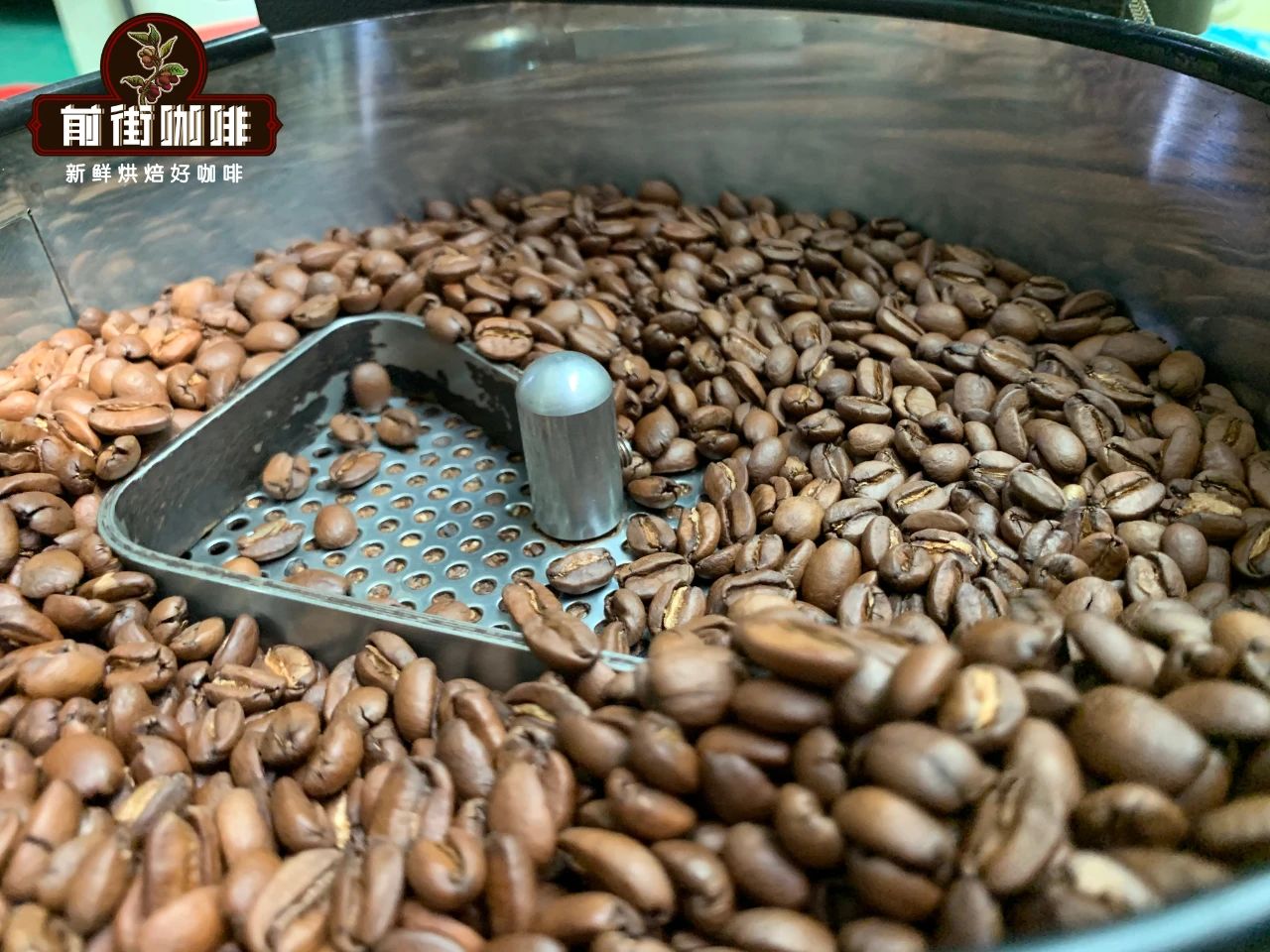
Delicious SOE is not as simple as picking a great single-origin bean. It takes endless roasting experiments and extraction adjustments to reach the ideal result, sometimes, after several roasts and shots, you discover the bean simply does not work as espresso. Espresso amplifies a single-origin bean's flavors, but its flaws too. Some beans taste wonderful yet fall short in mouthfeel. That is why shops that offer SOE usually list only 1-2 single-origin options at a time.
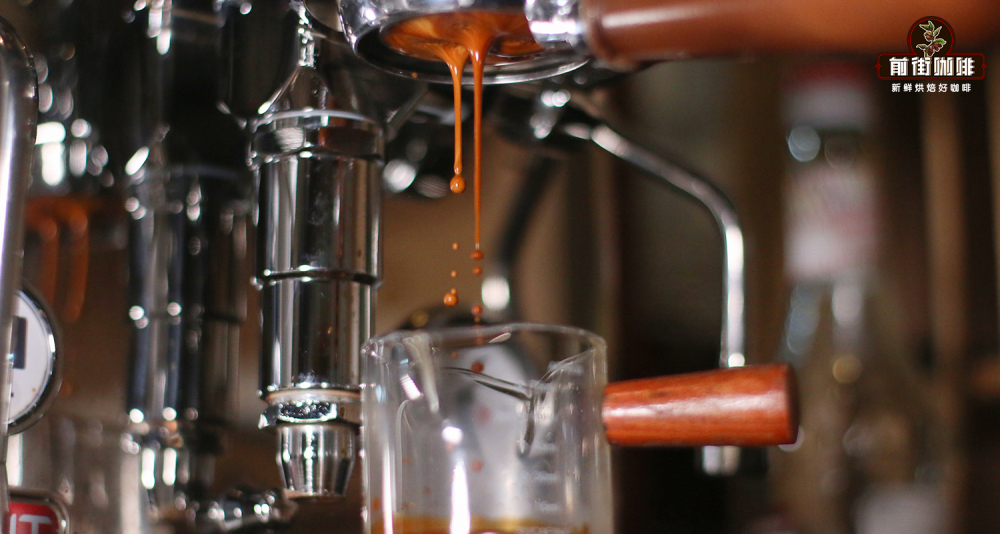
Of course, a latte or Americano built on a good SOE has flavors a blend cannot match. An Americano made with a properly extracted FrontStreet Coffee Yirgacheffe Gedeb SOE shows distinct citrus, floral, and honey notes, above all in the lingering aroma left in the cup after drinking, something bitterness-driven blends rarely achieve.

Is SOE Better Than Blends?
The common market reality is that most blends aim for a price advantage and flavor stability, which lands them at moderate flavors. SOE exists precisely to distinguish itself from those blends, offering memorable flavor first, and a higher price along with it.
But that does not prove SOE is categorically superior. When FrontStreet Coffee was developing its Sunflower Warm Sunshine blend, it once considered making a Sherry SOE. In tasting, the Sherry showed strong wine notes but lacked sweetness and body, so the team thought of adding FrontStreet Coffee's Yirgacheffe Red Cherry to boost the sweetness.

After testing different ratios, they settled on 70% Sherry and 30% Yirgacheffe, creating the Warm Sunshine blend with a completely new mouthfeel. The resulting espresso not only tastes better than the Sherry SOE did, it carries an aromatic complexity that conventional dark-roasted blends lack.
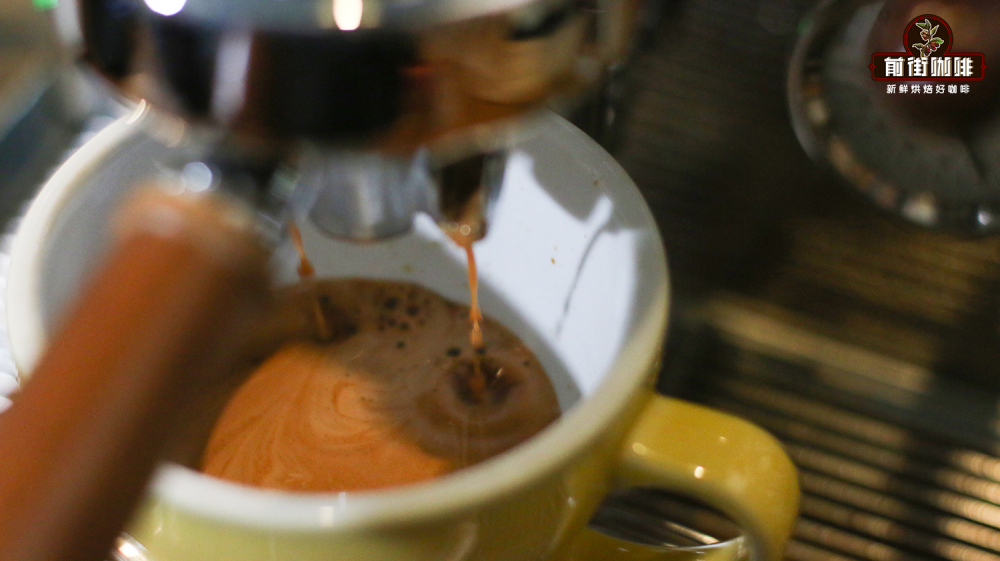
In short, the rise of SOE reflects rising quality expectations for espresso beans, and on the whole that benefits espresso itself.
FrontStreet Coffee Recommendation
SOE is all about regional flavor, so the bean matters most. FrontStreet Coffee's washed Yirgacheffe Cheding (Gedeb) cooperative coffee is the classic pick: bright citrus, berry, and white-floral aromatics with a green-tea-like sweetness on the finish, clean and juicy rather than harshly acidic, exactly the kind of character that makes a memorable SOE, as in the Yirgacheffe Gedeb SOE Americano described above. For a fruitier, sweeter option in the same family, the naturally processed FrontStreet Ethiopia Huakui bursts with tropical fruit, strawberry, passion fruit, jackfruit, even lychee, with low bitterness and a smooth, juice-like body, which many drinkers call "the least coffee-like coffee."
These floral-fruity beans also shine through the V60 dripper, which FrontStreet Coffee favors for exactly this style: the conical 60-degree design and fast, unobstructed flow pull out layered aromatics and lively acidity that darker, comfort-roast blends leave behind. Whether you take them as espresso or pour-over, the takeaway is the same: choose the bean for the flavor you want, and let it speak for its origin.
Important Notice :
FrontStreet Coffee is a long-established specialty coffee roaster in Guangzhou China, selling freshly roasted beans from its own farm in Yunnan as well as dozens of carefully selected single-origin beans from around the world for both pour-over and espresso. The products deliver consistently excellent quality and great value, with shipping within 24 hours. Guangzhou's FrontStreet Coffee shop is recommended by many coffee lovers, and the beans are now available online at the Tmall 。
FrontStreet Coffee has moved to a new address:
FrontStreet Coffee Address: 315,Donghua East Road,GuangZhou
Tel:020 38364473
 Scan and follow the En Gafei WeChat official account. Please indicate that the reprint comes from "En Gafei".